
重大 · Records & People
Nine Months Buried in the Snow: Nepal Just Recovered Five Climbers Lost on a Peak Almost No Trekker Has Heard Of
Rescuers located the bodies of three foreign climbers and two Nepali nationals on August 8, 2026 — nine months after an avalanche buried Yalung Ri's base camp on the closed Tibet border.
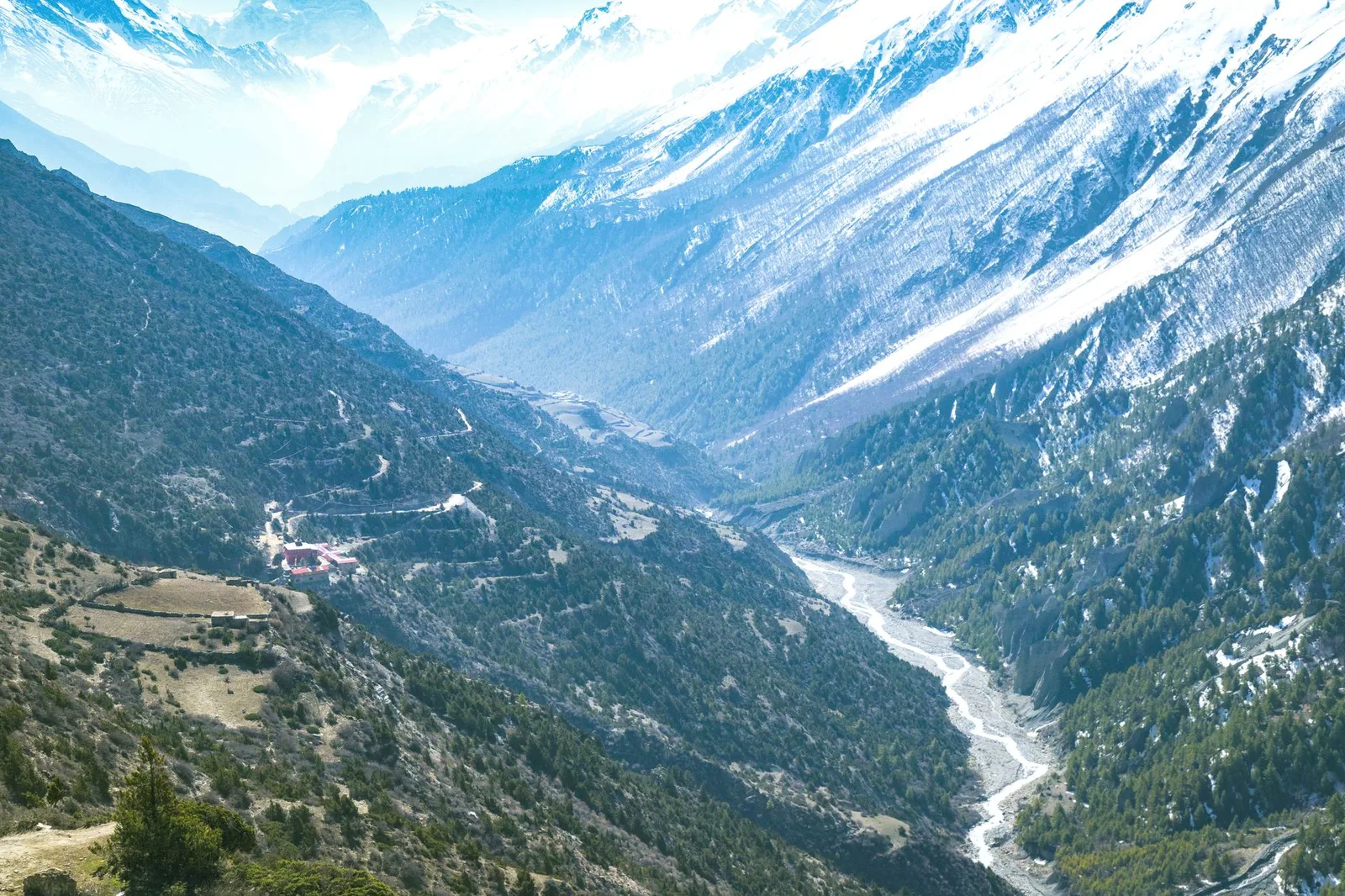
Nine months after an avalanche swept a Himalayan base camp, Nepali search teams have finally found the five climbers the mountain took. On August 8, 2026, a search party hired by a hiking company spotted five bodies at 5,630-metre Yalung Ri, deep in the Rolwaling range along Nepal's closed border with Tibet — nine months after the slide first hit in early November 2025.
Key facts
- Avalanche struck the Yalung Ri base camp, 5,630m / 18,470ft, in Dolakha district, in early November 2025
- Seven climbers died in total: an Italian and a French national died at the camp itself; five more were buried and unaccounted for
- The five recovered on August 8, 2026 were three foreigners — Italian-Canadian, Italian, and German — and two Nepali nationals
- Bad weather has kept rescue helicopters grounded for days, delaying the airlift of the remains to Kathmandu
Yalung Ri sits in the Rolwaling valley, a glacier-carved corridor squeezed between the Everest and Langtang regions that almost none of Nepal's foreign visitors — a record 71,775 arrived in July 2026 alone — will ever set foot in. It is not on the Everest Base Camp trail, not on the Annapurna Circuit, not on Manaslu. It is one of dozens of lesser Himalayan summits climbed each autumn by small, often loosely organised expeditions operating far outside the handful of routes where Nepal concentrates its rescue infrastructure.
That last figure matters. According to the Himalayan Database, avalanches account for roughly a third of the roughly 1,000 mountaineering deaths recorded in Nepal since 1950 — more than any other single cause. Yalung Ri's slide fits a grim, familiar pattern: a camp pitched below a loaded slope, a storm cycle, and a wall of snow that gives no warning. What made this case unusual was not the avalanche itself but how long it took to close.
A slide sweeps the Yalung Ri camp at 5,630m; an Italian and a French climber die at the site itself.
Three foreign climbers — Italian-Canadian, Italian, German — and two Nepali nationals are buried and unaccounted for as the initial search runs out of time.
Snow depth, altitude, remoteness and a border-zone location stall any further search for the better part of a year.
A search team hired by a hiking company spots five bodies at the original site, nine months on.
Poor weather keeps army and police helicopters grounded; officials say the remains will be airlifted to Kathmandu once conditions clear.
What this means for trekkers
It is worth being precise about what this story is not. It is not a story about the Everest Base Camp trail, the Annapurna Circuit, or any of the routes that carry the vast majority of Nepal's international trekkers every season. Those trails run through a dense network of lodges, radio contact, helicopter operators on standby, and guides who check weather and avalanche bulletins daily as a matter of routine — which is exactly why a slide near a settled trekking route in Nepal typically triggers a fast, organised response, not a nine-month search.
Yalung Ri was a different kind of undertaking: a technical peak climb, off the standard itinerary, in a valley with a fraction of the infrastructure. That distinction is the one worth carrying into any decision about a Himalayan trip — not whether Nepal's mountains are dangerous in the abstract, but whether the specific route you are on has the guiding, weather judgement and rescue access to match its terrain.
What this means for you
Ask any operator, before you book a peak climb rather than a standard trek, exactly how avalanche risk is assessed on the route and what the actual rescue plan looks like above base camp. On our own guided climbs — Island Peak, Mera Peak, and the approach to Ama Dablam Base Camp — NMA-certified guides check snow and weather conditions daily and will delay or reroute a climb rather than push through a loaded slope. That judgement call, more than any gear list, is what keeps a demanding Himalayan objective from becoming this story.
Source: The Star, August 9, 2026.
Cover photo: Ashok J Kshetri via Pexels (Pexels License).
计划徒步?
我们负责许可证、后勤与向导
NMA 认证的本地向导,价格透明,自 1998 年以来 5,000+ 次徒步。告诉我们你的日期,其余的交给我们。


更多「Records & People」
Records & People
Meet the Women Rewriting Nepal's Trekking Industry — and the Four AFL Stars Who Just Joined Their Trail
In 1993, three sisters in Pokhara trained Nepal's first female trekking guides because none existed. More than 2,000 women later, four AFLW athletes just trekked Nepal with an all-female crew as women-only bookings jumped 32% in a year.
Records & People
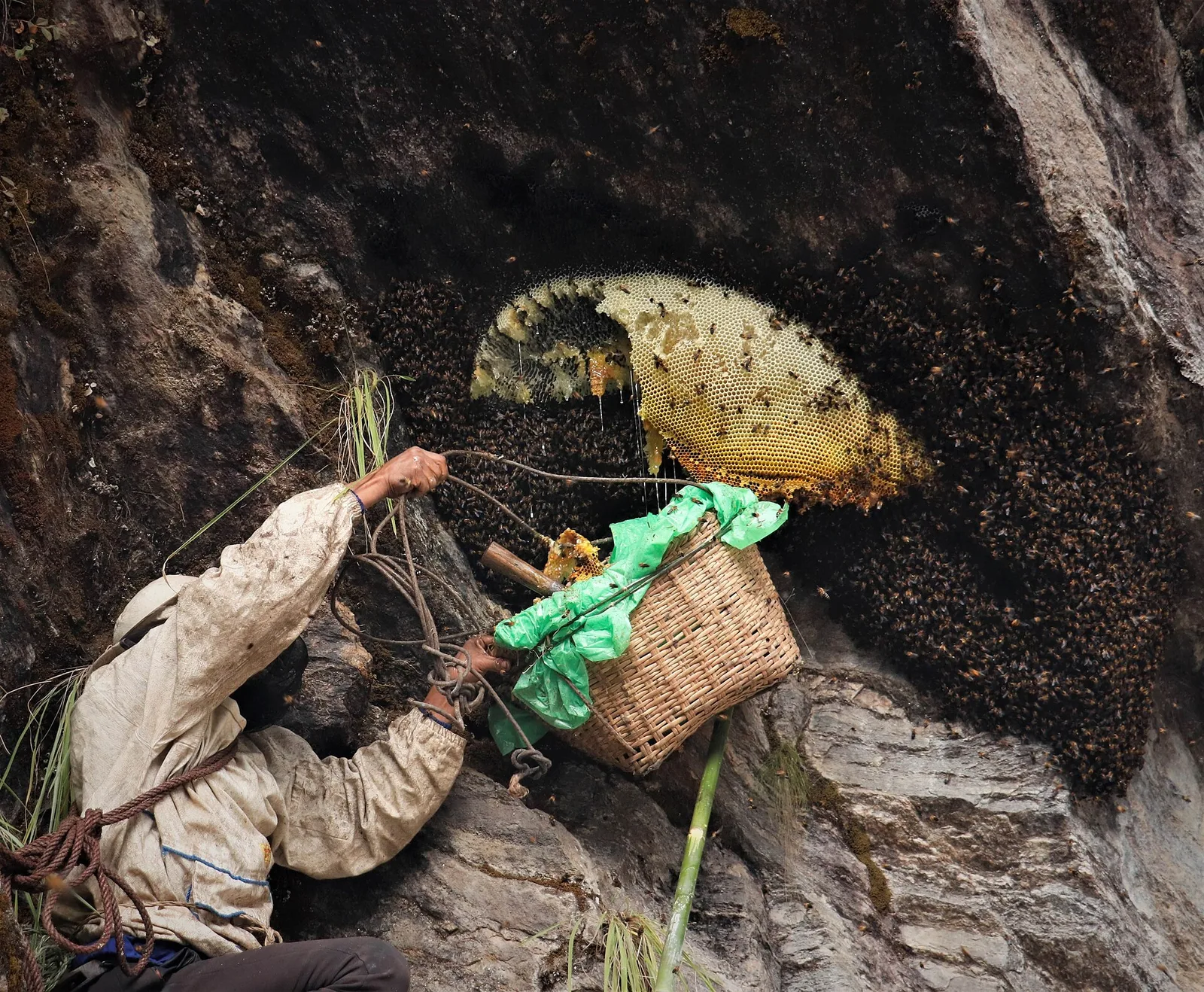
Nepal's Cliff Honey Hunters Risk Their Lives for a Honey That Can Get You High — and the Bees Are Vanishing
High in the cliffs of Lamjung, Gurung hunters climb hand-woven rope ladders for the world's largest honeybee's harvest — a tradition now disappearing at an alarming rate.
Records & People
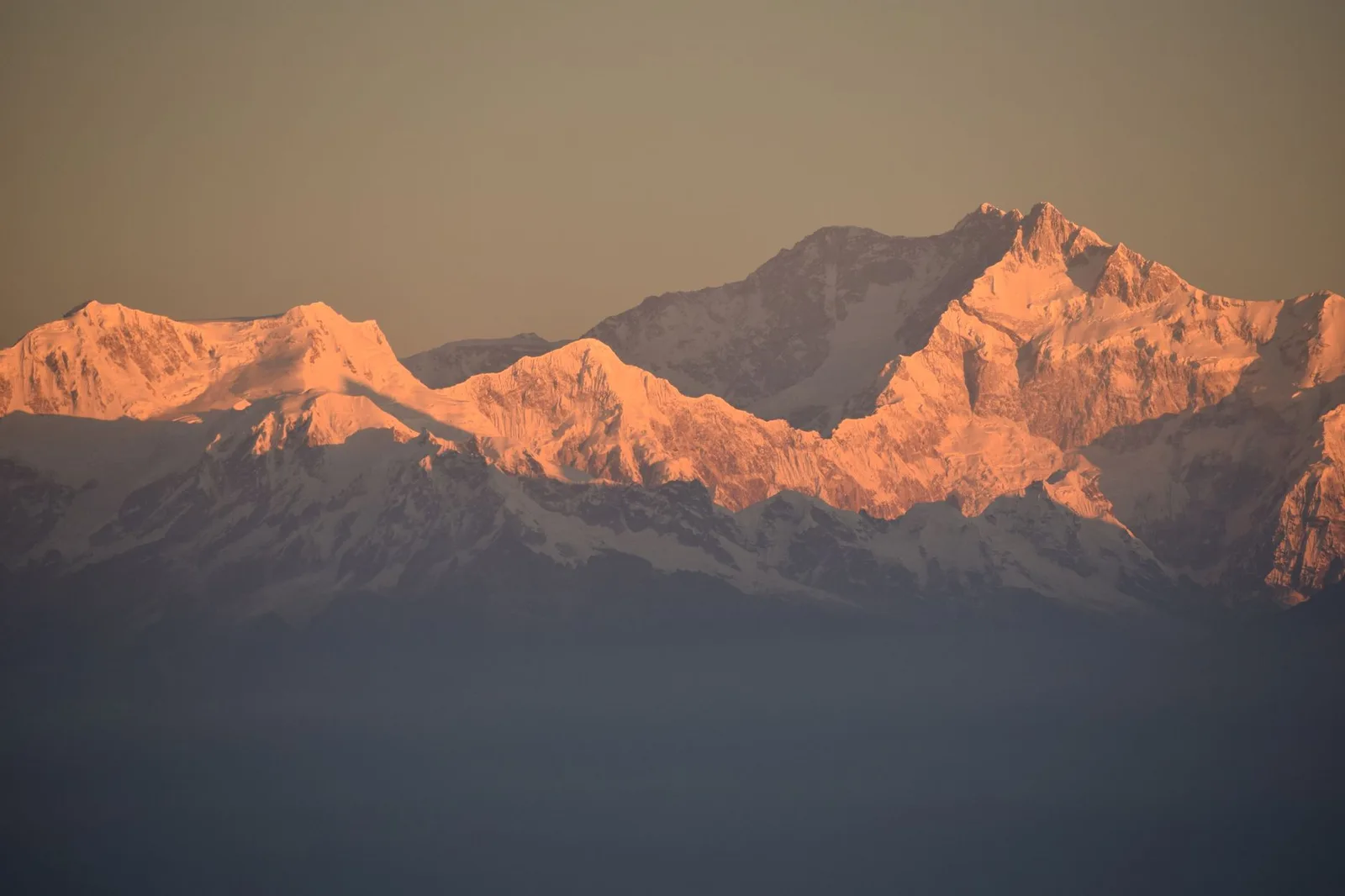
A French-Canadian Just Walked the Length of Nepal — 1,700 Kilometres, 20 Districts, 143 Days
Stephane Champoussin finished the Great Himalayan Trail on August 1, becoming one of barely 130 people to ever cross Nepal end to end on foot, through Kanchenjunga, Makalu and the Manaslu Circuit.