
Everest Isn't the Deadliest 8,000m Mountain. Annapurna Is — and It's Not Close
Guinness World Records has certified Annapurna I as the deadliest Himalayan giant, with a death-to-summit ratio over five times Everest's. Here's the real math behind the title, and why the trek to its base camp is nothing like the climb.
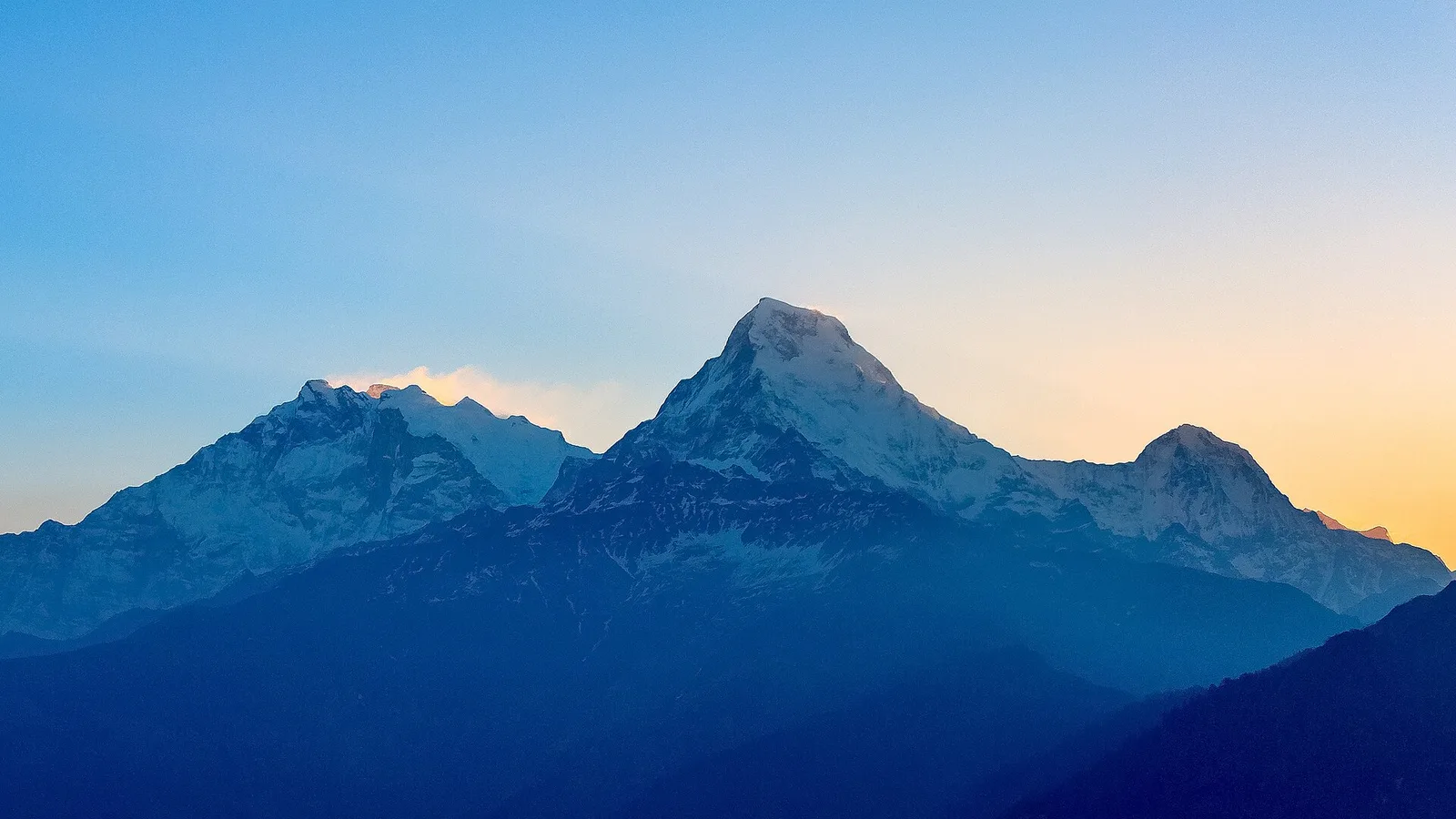
Ask most people to name the world's deadliest mountain and they'll say Everest. They'd be wrong. According to the Himalayan Database, as of 7 February 2025 Annapurna I had recorded 75 deaths against 559 successful ascents — a death-to-summit ratio of 13.42%. Guinness World Records has now certified it: Annapurna, not Everest, not K2, is the deadliest Himalayan mountain on Earth.
Key facts
- Annapurna I's death-to-summit ratio: 13.42% (75 deaths / 559 ascents, Himalayan Database, Feb 2025)
- Everest's ratio, by comparison: roughly 1–2.5%
- Most deaths happen at a single fixed point: an avalanche zone at 5,900m, between Camp II and Camp III
- Annapurna I was the first 8,000m peak ever summited — in 1950, three years before Everest
The number is striking, but it needs context. A death-to-summit ratio divides recorded deaths by recorded successful ascents — it isn't the odds any individual climber faces on a single attempt, since it ignores everyone who turned back safely. Even so, on that same yardstick Annapurna sits well clear of its rivals.
Why does one 8,091m peak stand out from the other 13 eight-thousanders? It comes down to a single stretch of terrain. The route above Camp II sits under a hanging glacier at roughly 5,900m — there is no way around it, and there is no way to make it safe. Climbers cross it fast, on a fixed schedule, and hope. The mountain's worst year was 1991, when seven climbers died, six of them in one avalanche on 19 September. In the 2012 season, 61 of the 252 people who reached the summit died in the attempt — a 31.9% ratio that is the source of the older 'one in three dies' figure still repeated online. The modern 13.42% is much lower than that, purely because the mountain has now accumulated far more successful, safer seasons in its record — not because that avalanche slope got any safer.
Maurice Herzog and Louis Lachenal summit Annapurna I on 3 June — before any other peak over 8,000m, including Everest.
Seven climbers die on the mountain; six in a single avalanche on 19 September.
61 of 252 summit attempts end in death — 31.9% for that season alone, the root of Annapurna's fearsome reputation.
With the record now at 75 deaths / 559 ascents (13.42%), Guinness World Records certifies Annapurna I as the deadliest Himalayan mountain, narrowly ahead of Dhaulagiri at 13.01%.
What this means for trekkers
What this means for you
Every one of those numbers describes technical mountaineering on the summit route — ropes, camps, oxygen, and that fixed avalanche slope at 5,900m. It has nothing to do with the trek most people actually book: the walk to Annapurna Base Camp. ABC tops out at 4,130m, follows a well-marked teahouse trail through Chhomrong and the Modi Khola gorge, and needs no climbing gear or technical skill — just fitness and a guide who knows the route's weather windows. You stand in the same amphitheatre of ice that has claimed climbers on the peaks above you, without ever leaving the trail. Our Annapurna Base Camp Trek reaches it in 9 days from Pokhara; if you want the fuller circuit around the massif, the classic Annapurna Circuit crosses Thorong La at 5,416m instead of going anywhere near the summit route.
Source: Guinness World Records, citing the Himalayan Database (data as of 7 February 2025).
Cover photo: Bijay Chaurasia via Wikimedia Commons (CC BY-SA 4.0).
计划徒步?
我们负责许可证、后勤与向导
NMA 认证的本地向导,价格透明,自 1998 年以来 5,000+ 次徒步。告诉我们你的日期,其余的交给我们。


更多「Records & People」
Records & People
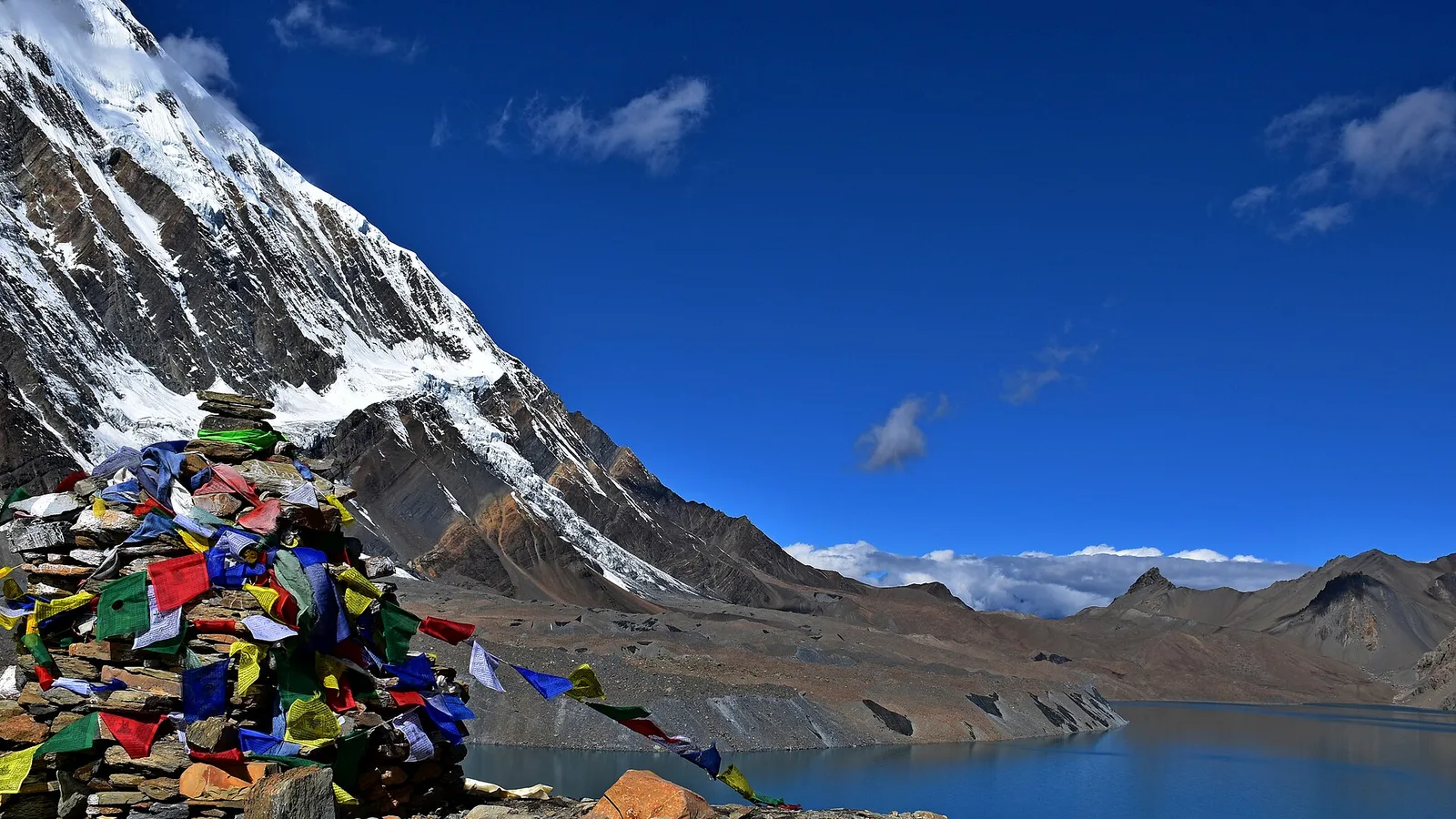
Tilicho Lake Is Called 'The World's Highest Lake.' It Isn't Even Nepal's Highest Anymore
Every trekking brochure calls Tilicho the world's highest lake. At 4,919m it's spectacular — but a Nepali lake discovered in 2019 already beats it, and the real global record sits over 1,400m higher, inside a volcano.
Records & People
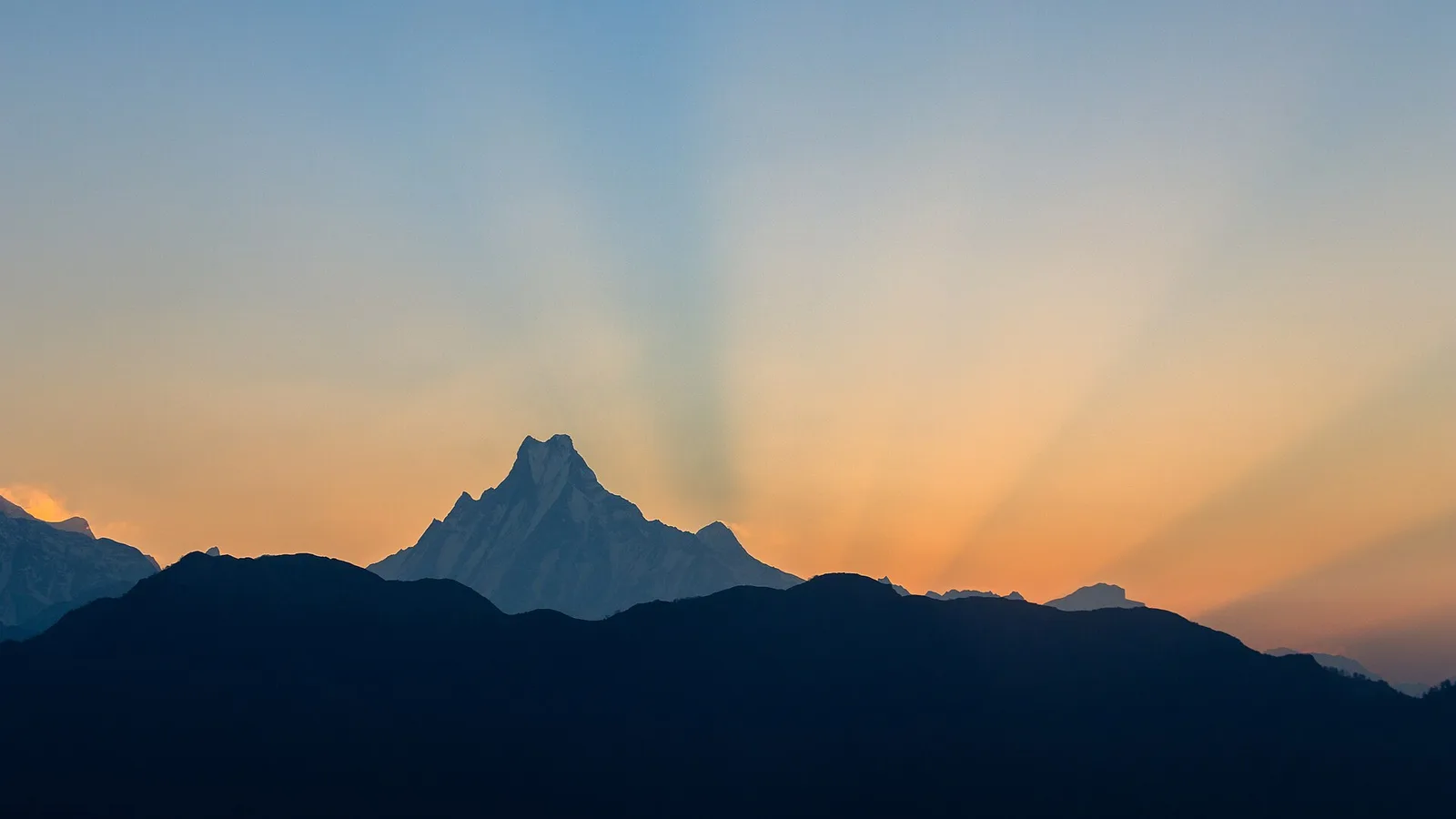
The 22,943-Foot Himalayan Peak No One Has Ever Officially Stood On
In 1957 a British team stopped 150 feet short of Machapuchare's summit and kept their word never to finish it — Nepal has banned every climber from trying since.
Records & People
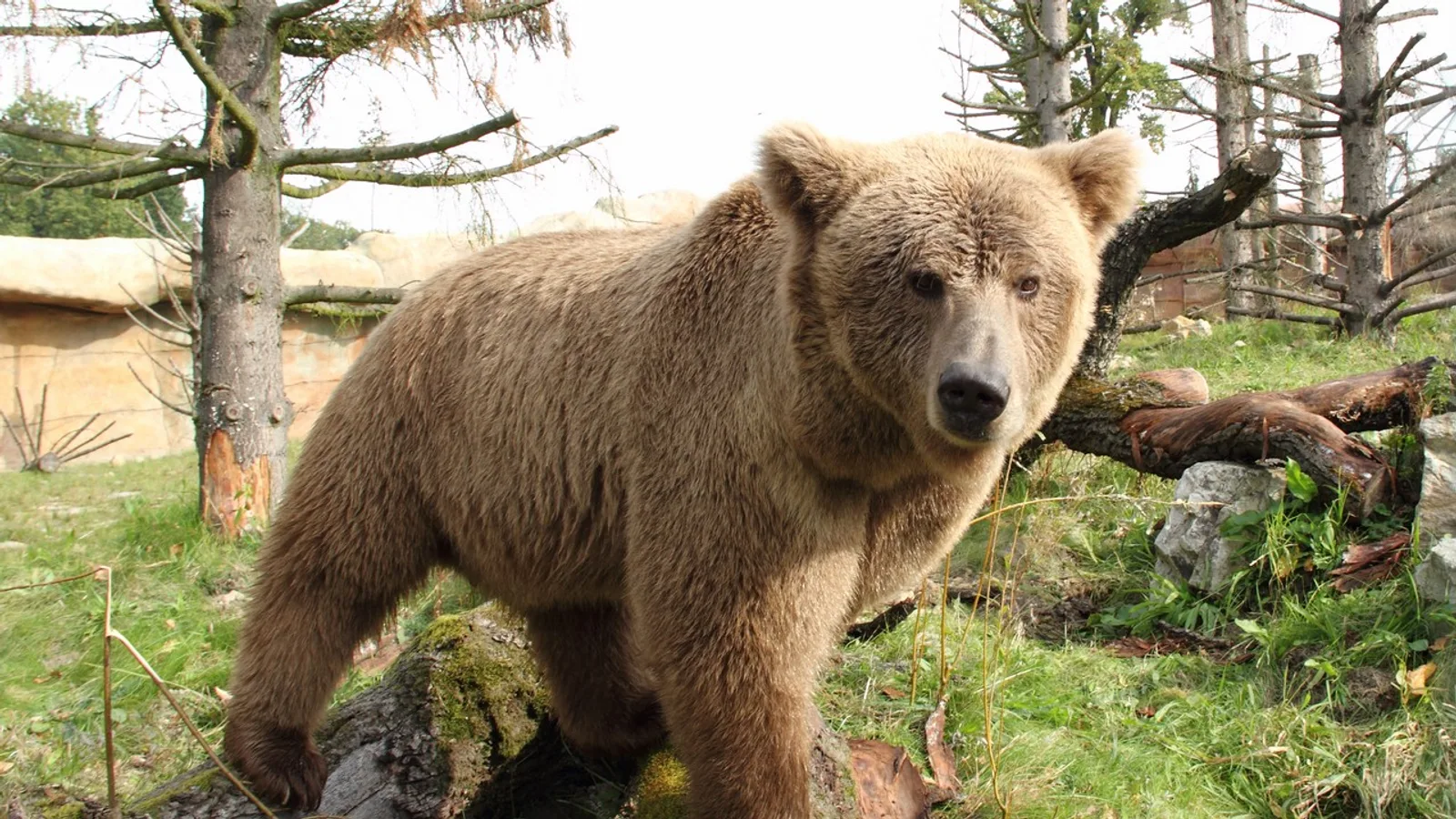
The Yeti Isn't a Myth — Its DNA Just Belongs to a Real Himalayan Bear
Two separate DNA labs tested the actual physical 'yeti' evidence — hair, teeth, even a monastery relic — and got the same answer both times.