
Two Men Stepped Off the Summit of Everest — Not to Climb Down, But to Fly
In 2011 a Nepali paraglider pilot launched from Everest's 8,848m summit in the highest free flight ever recorded — and today thousands of ordinary trekkers fly the very same Himalayan thermals from a hillside above Pokhara.
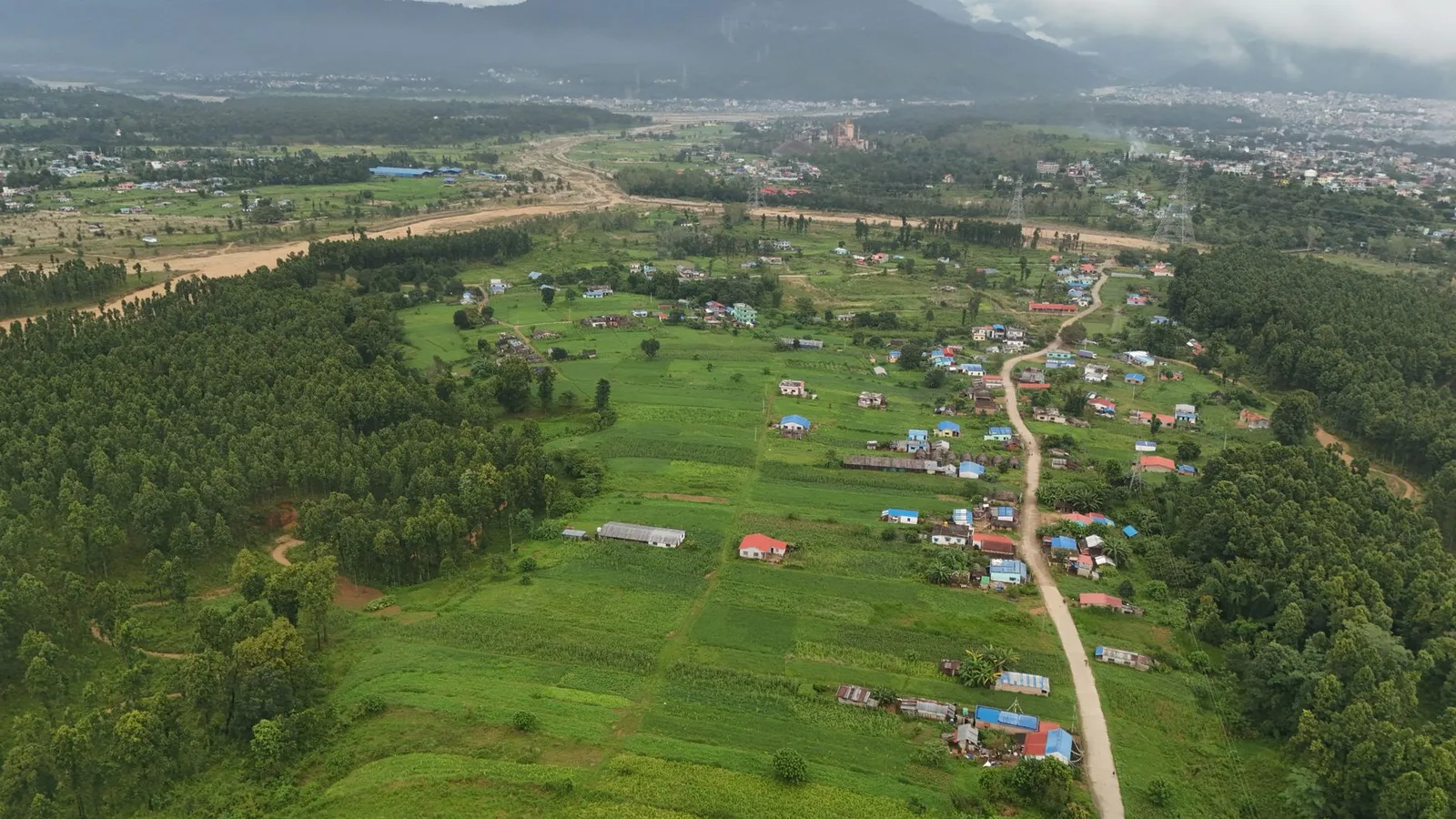
They did not down-climb the world's highest mountain. They flew off it. At 9:55am on 21 May 2011, Nepali paraglider pilot Sano Babu Sunuwar and his climbing partner Lakpa Tshering Sherpa launched a tandem paraglider from Everest's 8,848-metre summit — the highest point any free flight has ever begun — and touched down 42 minutes later at the Syangboche airstrip above Namche Bazaar, more than 5,000 vertical metres and over 20 kilometres away.
Key facts
- Sunuwar and Sherpa launched their paraglider from Everest's 8,848m summit on 21 May 2011 — a record for the highest free flight ever begun.
- They flew over 20km, crossing the flank of 7,861m Nuptse at above 7,000m and passing Ama Dablam, before landing at Syangboche airstrip (3,750m) above Namche Bazaar.
- The flight took off at 9:55am local time and landed 42 minutes later, at 10:37am.
- Fifteen years on, the valley their flight was aimed toward, Pokhara, is now ranked among the world's top five commercial paragliding destinations.
Sunuwar, then 29, flew as pilot, with the 35-year-old Sherpa — an experienced Everest climber in his own right — riding as passenger. The pair had climbed the mountain without a large support team, unclipped their oxygen at the top, pulled a paraglider wing from a pack and ran off the south side into thin, fast high-altitude air. It remains, by a margin of thousands of metres, the highest launch altitude a paraglider has ever flown from — no one has come close to repeating it since.
The Everest flight was only the opening leg of something bigger. Sunuwar and Sherpa continued on foot and by kayak, following the flow of Everest's meltwater some 700km down the Dudh Kosi and Sun Kosi rivers to the Ganges delta and the Bay of Bengal — “Summit to Sea”, a single expedition powered end to end by human effort and wind. National Geographic named the pair its Adventurers of the Year for 2012.
Local pilot Biru Bomjan partners with British flier Adam Hills to found Sunrise Paragliding, the valley's first tandem operator, launching off the Sarangkot ridge.
Sano Babu Sunuwar and Lakpa Tshering Sherpa paraglide from Everest's 8,848m summit — the highest free flight ever recorded.
The pair are named National Geographic's Adventurers of the Year for completing Summit to Sea, from Everest's summit to the Bay of Bengal.
Pokhara is ranked among the world's top five commercial tandem paragliding sites, with pilots trained through Avia Club Nepal flying daily off Sarangkot.
You do not need Sunuwar's nerve, or his years of high-altitude flying, to fly the same skies he was chasing that morning. Sarangkot, the ridge above Pokhara where Nepal's paragliding scene began in the early 1990s, now launches tens of thousands of tandem flights a year, and multiple independent travel guides — Lonely Planet among them — rank it among the best paragliding launch points on Earth.
| Detail | Figure |
|---|---|
| Season | Sept – early June |
| Best window | Mid-Sept – April |
| Standard tandem flight | 20–30 min |
| Cross-country flight | 40–60 min |
| Typical tandem price | from around $60 |
What this means for trekkers
Most people who fly Sarangkot are not climbers or extreme athletes — they are trekkers who have just come down from Annapurna Base Camp or Poon Hill and want one more Himalayan view before they leave Pokhara. The take-off is a short drive from the lakeside, tandem pilots are required to hold an internationally recognised rating, and the standard flight needs no fitness test or experience: you run a few steps downhill, the wing fills, and you are airborne over Phewa Lake with the Annapurna range — Machapuchare, Dhaulagiri, Annapurna I — filling the horizon.
What this means for you
If you are already booking a Pokhara-based trek, add a Sarangkot flight to the itinerary rather than treating it as a separate booking — most operators can fit it into a rest day, and it uses the same acclimatised legs and lungs you have already brought to altitude.
Pokhara sits at the start or finish line of most of our own treks — Annapurna Base Camp, Mardi Himal, Ghorepani-Poon Hill — and a paragliding flight, ultralight scenic flight or zip line off the same ridge is an easy add-on once you are in the valley. Book it locally rather than online in advance: prices are lower in person, and a flight only goes ahead when the morning thermals are clean, which a Pokhara-based operator can judge on the day far better than a platform booked from abroad.
Source: Cross Country Magazine, National Geographic.
Cover photo: Bhupal Shrestha via Pexels (Pexels License).
计划徒步?
我们负责许可证、后勤与向导
NMA 认证的本地向导,价格透明,自 1998 年以来 5,000+ 次徒步。告诉我们你的日期,其余的交给我们。


更多「Records & People」
Records & People
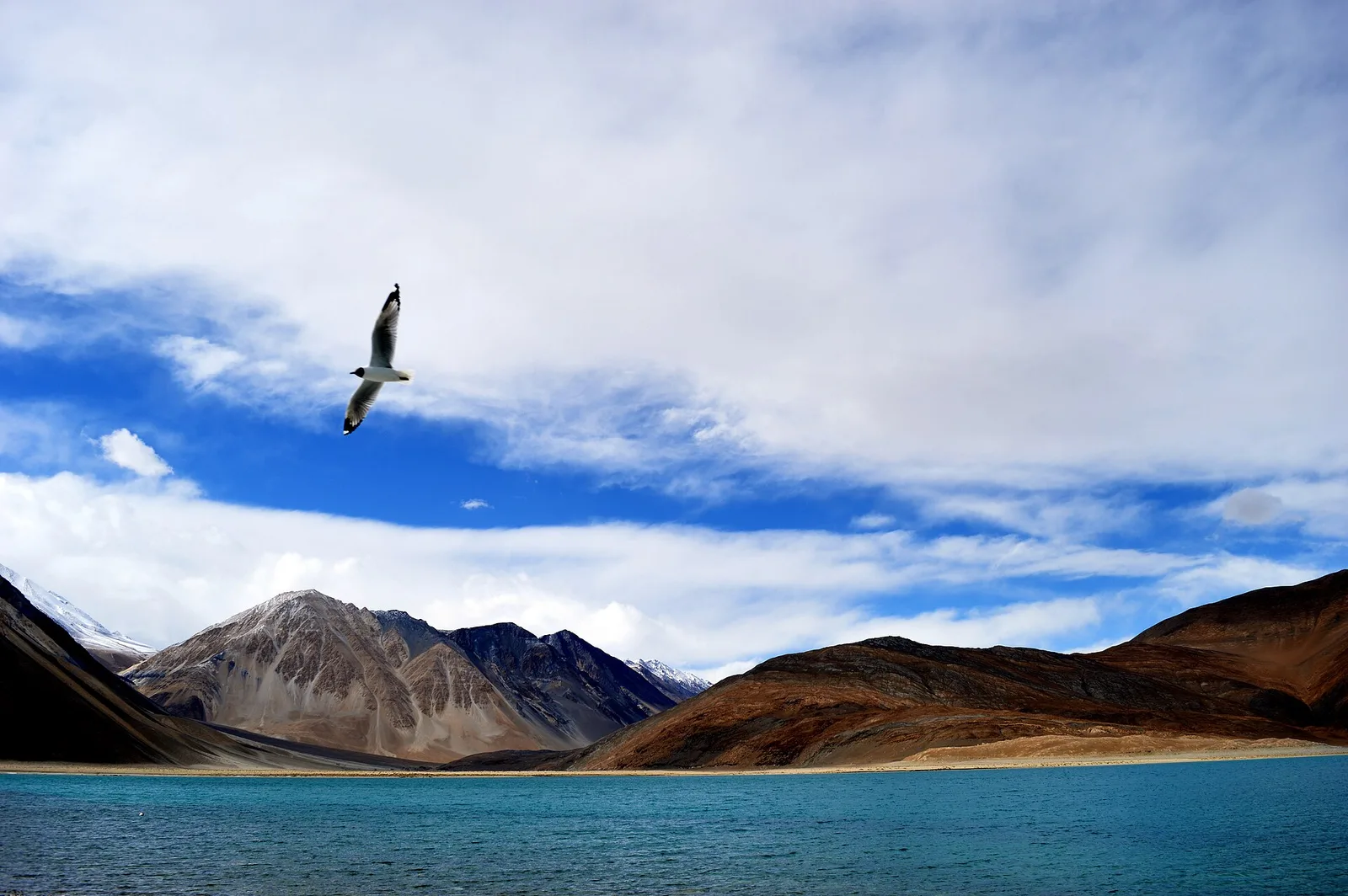
The Bird That Crosses the Himalaya in Eight Hours, Flying Higher Than Everest Base Camp
GPS trackers finally proved how bar-headed geese cross the world's highest mountains twice a year, nonstop, at altitudes that would leave an unacclimatized human unconscious.
Records & People
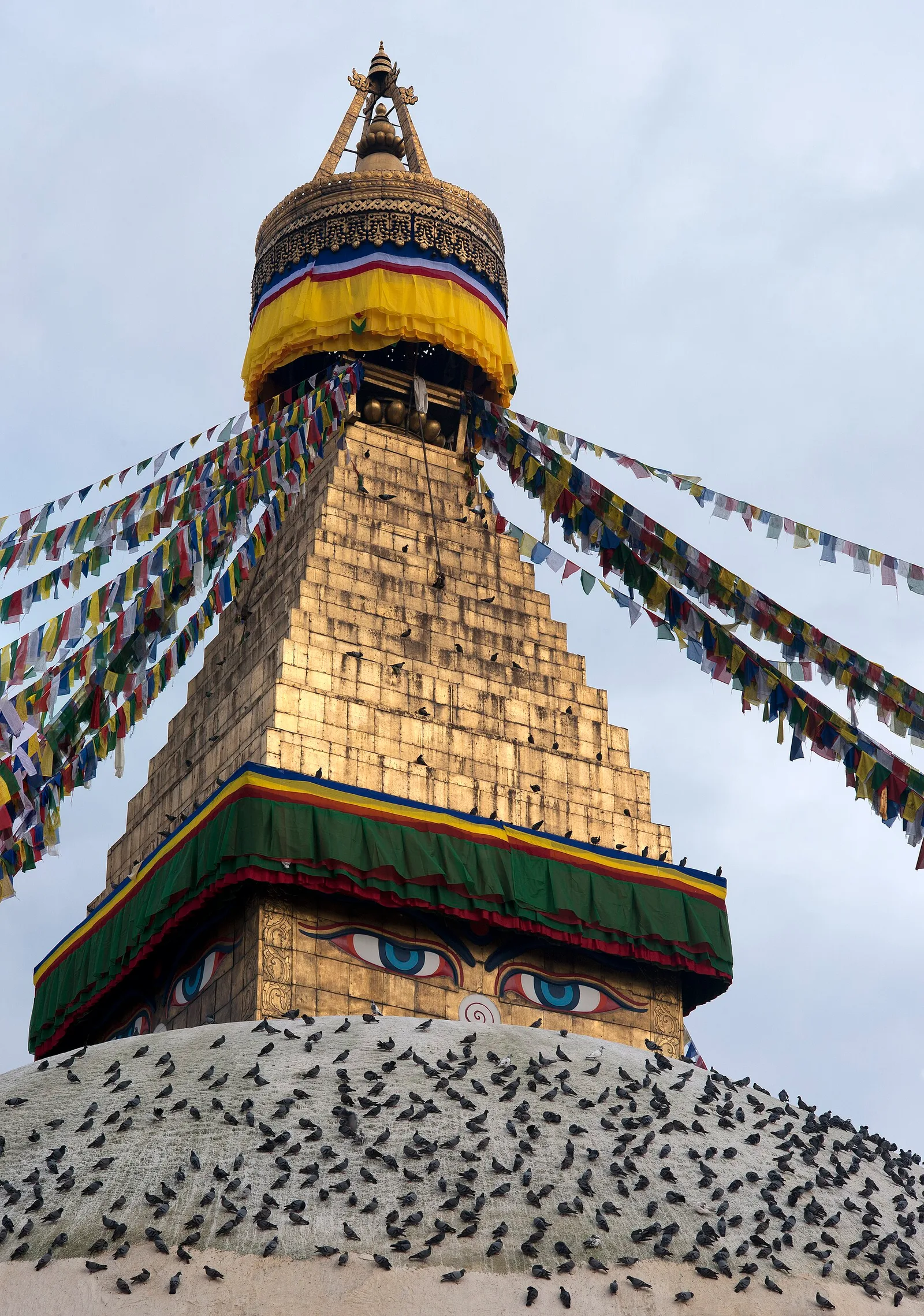
Why Four Pairs of Giant Painted Eyes Watch You From Every Direction in Kathmandu
The all-seeing eyes atop Nepal's Boudhanath Stupa are not decoration — every element, from the nose shaped like a Nepali numeral to the 13 gold tiers above, encodes a specific step toward enlightenment.
Records & People
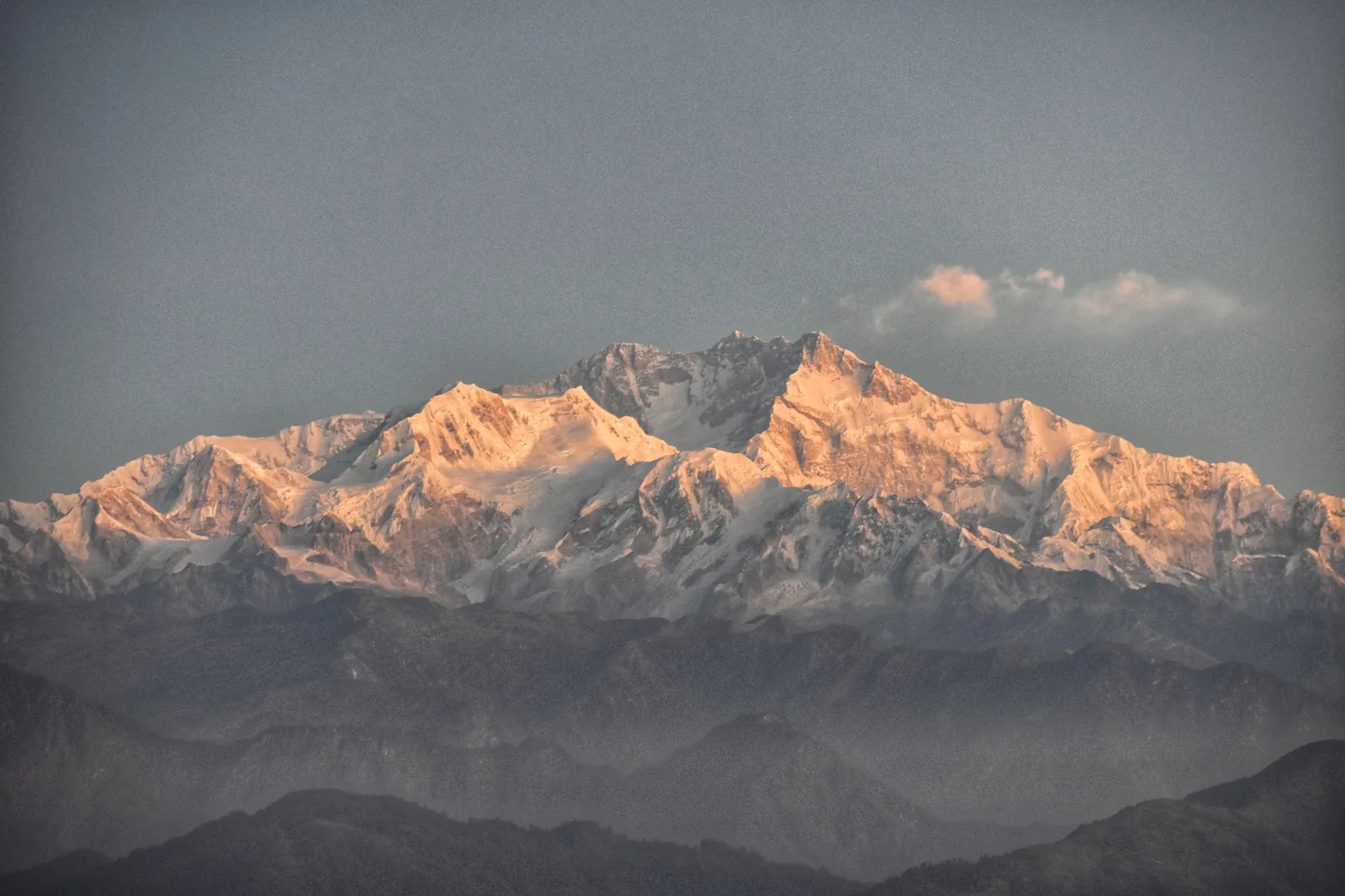
Nepal Says It Has 14 of the World's Eight-Thousanders. The Rest of the World Still Counts Eight.
In February 2025 Nepal's tourism department quietly redrew the map of the world's highest mountains, finding six new 8,000-metre summits hidden inside three already-famous massifs — but the body that keeps the official list still hasn't signed off.