
Gai Jatra 2026: Nepal’s Newar Festival of Cows, Grief and Laughter
The Newar festival where grief and comedy walk together.
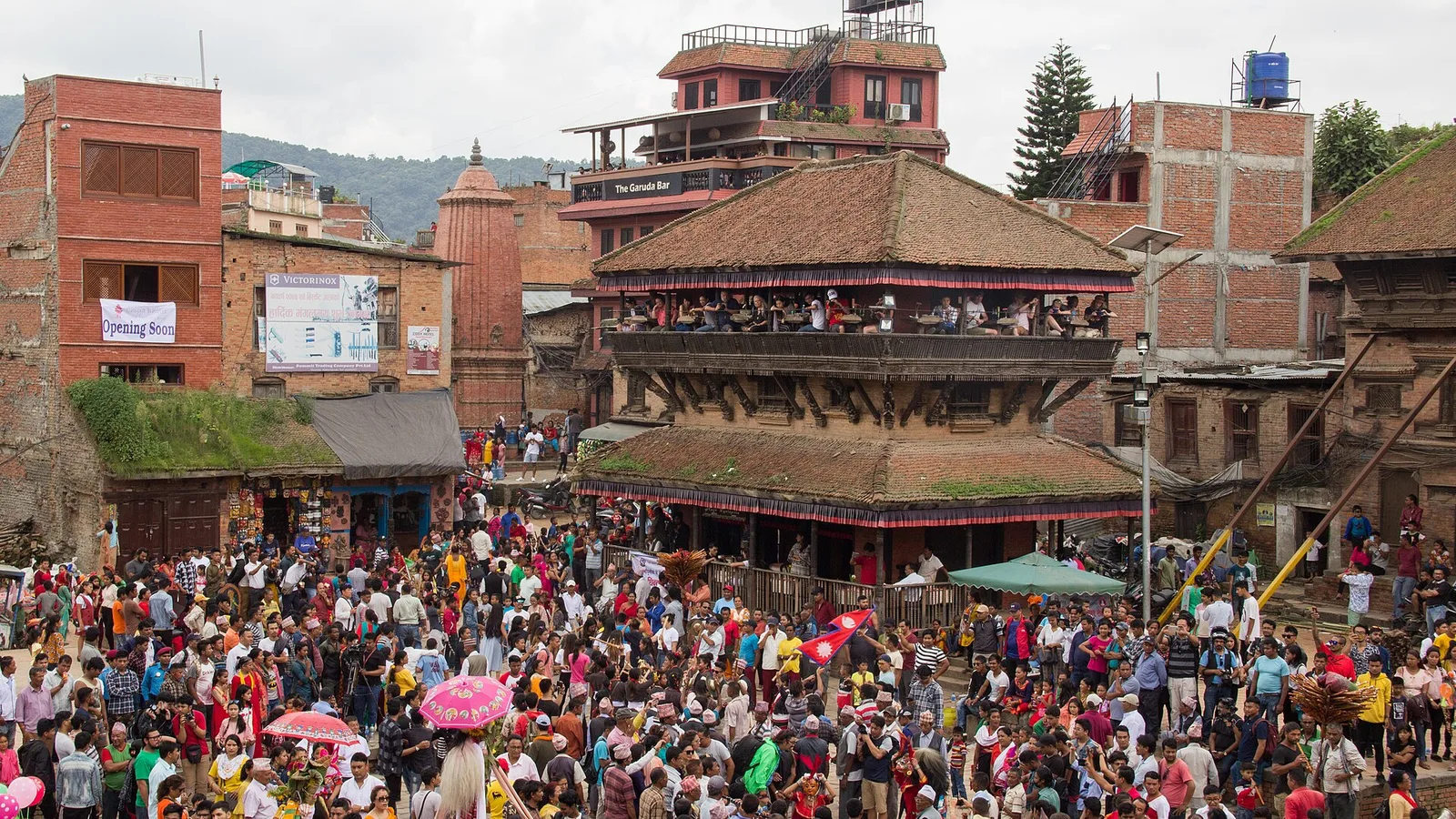
Of all the festivals that fill the Kathmandu Valley's calendar, none holds two opposite feelings as gently as Gai Jatra, the Newar festival of cows. It is, at once, a public act of mourning and one of the funniest days of the year. Families who have lost a member in the past twelve months lead a cow — or a child dressed as one — through the old streets to help the departed on their way, and by afternoon those same streets fill with satire, comedy and cross-dressing performers. Grief and laughter, side by side, on purpose.
Gai Jatra at a glance
- What. A Newar festival of remembrance for those who died in the past year — gai (cow) + jatra (procession); known in Nepal Bhasa as Sa Paru.
- Where. Across the Kathmandu Valley — Kathmandu, Patan, Kirtipur and, most famously, Bhaktapur.
- When. The day after the full moon in the Newar month of Gunla, falling between August and September each year (see the note on 2026 dates below).
- Its dual nature. A solemn procession of remembrance in the morning; satire, humour and comedy through the rest of the day.
Why a cow, and why the departed
In Hindu belief the cow is sacred, and Gai Jatra rests on the idea that a cow can help guide a departed soul on its onward journey. Each family that has suffered a death in the past year joins the procession — traditionally leading a real cow, but where a cow cannot be found a young child is dressed in a cow costume instead, with a horned or decorated headdress. Walking together through the same streets, the bereaved families of a whole city see, plainly, that they are not alone in their loss. That is the quiet genius of the day: mourning is taken out of the private home and shared by the community.
The legend of the grieving queen
The festival's best-loved origin story belongs to the Malla kings of the valley. It is said that King Pratap Malla of Kathmandu, who reigned in the seventeenth century, lost his young son and could not console his grieving queen. To lift her sorrow, he called on the people: every household that had lost someone that year should join a procession past the palace. When the queen saw how many families were grieving alongside her, she understood that death touches everyone — and, the story goes, she smiled. To complete her comfort, the king invited jokes, mimicry and satire, so that the day would end in laughter rather than tears. That blend of remembrance and humour has defined Gai Jatra ever since.
The other half of the day: satire and comedy
By tradition, Gai Jatra is one of the few days when ordinary people may openly mock the powerful. Performers take to the streets in costume and caricature, and over the centuries the jokes have grown to include sharp political satire. Men dress in women's clothing, comedians play both roles at once, and newspapers and stage shows publish their most cutting humour of the year. It is remembrance turned outward into release — a licensed day of laughter that has protected free-spirited satire in the valley for generations.
| The morning | The rest of the day |
|---|---|
| Processions of remembrance for those who died in the past year | Satire, comedy and stage shows |
| Families lead a cow, or a child dressed as a cow | Cross-dressing and caricature performances |
| Costumed children as cows and sadhus, with painted faces | Political and social satire, freely spoken |
| A shared, public act of mourning | A shared, public act of release |
Where to experience it — and why Bhaktapur
Every city in the valley keeps Gai Jatra, but Bhaktapur is where it is at its most vivid. The best-preserved of the valley's three medieval royal cities, Bhaktapur turns its brick lanes and temple squares into a stage for the day's processions and performances. It is one of the seven monument zones of the Kathmandu Valley UNESCO World Heritage Site, so a visit built around the festival rewards you twice over: the living tradition, and the architecture that frames it. Patan and Kirtipur, too, keep their own quieter, deeply local observances.
Experiencing Gai Jatra respectfully
Remember that the morning processions are, first, an act of family mourning. Watch from the edges, ask before photographing grieving families or costumed children, and never treat the cow-led procession as a photo prop. The satire and street performances later in the day are meant to be shared and enjoyed — laugh along, buy from the local stalls, and follow the lead of the crowd. If you are unsure of a custom, a local guide will steer you gently and gladly.
Planning a visit around the festival
Because Gai Jatra follows the lunar calendar, its date shifts each year, landing somewhere between mid-August and mid-September. We recommend confirming the exact 2026 date with a local source close to the time rather than fixing flights around an assumed day. It falls at the tail of the monsoon, when the valley is green and the light is soft between showers — and it sits conveniently just before Nepal's main autumn trekking season opens. Many travellers pair a few valley days over the festival with an Annapurna or Everest trek that begins in the weeks after.
If you would like to build a Kathmandu Valley cultural day or two around Gai Jatra — Bhaktapur's squares, the living heritage of the Newar cities, and a guide who knows which lanes the processions take — we are glad to help you time it. Ask us about a Kathmandu Valley cultural tour, and we will match it to the festival dates for the year you travel.
Cover photo: Perrine Aguiar via Wikimedia Commons (CC BY-SA 4.0).
More Nepal festivals
来源: Wikipedia
计划徒步?
我们负责许可证、后勤与向导
NMA 认证的本地向导,价格透明,自 1998 年以来 5,000+ 次徒步。告诉我们你的日期,其余的交给我们。


更多「Festivals & Events」
Festivals & Events
Teej 2026: Nepal's Great Women's Festival of Red, Fasting and Song
Nepal's great women's festival of fasting, red and song.
Festivals & Events
Indra Jatra 2026: Kathmandu's Biggest Street Festival, the Living Goddess and How to See It
Kathmandu's biggest street festival honours Indra
Festivals & Events
Dashain 2026: What Closes in Nepal — Banks, Offices, Permit Desks and How to Plan Around It
Government offices, banks and permit desks close for days around Vijaya Dashami (21 October) — arrive with cash drawn and permits sorted.