
Nepal Just Counted 429 Wild Tigers — Nearly Quadruple What It Had in 2009
A new national census puts Nepal's tiger population at a record high, the fastest tiger recovery of any country on Earth — and it's reshaping what a Chitwan or Bardia safari actually looks like.
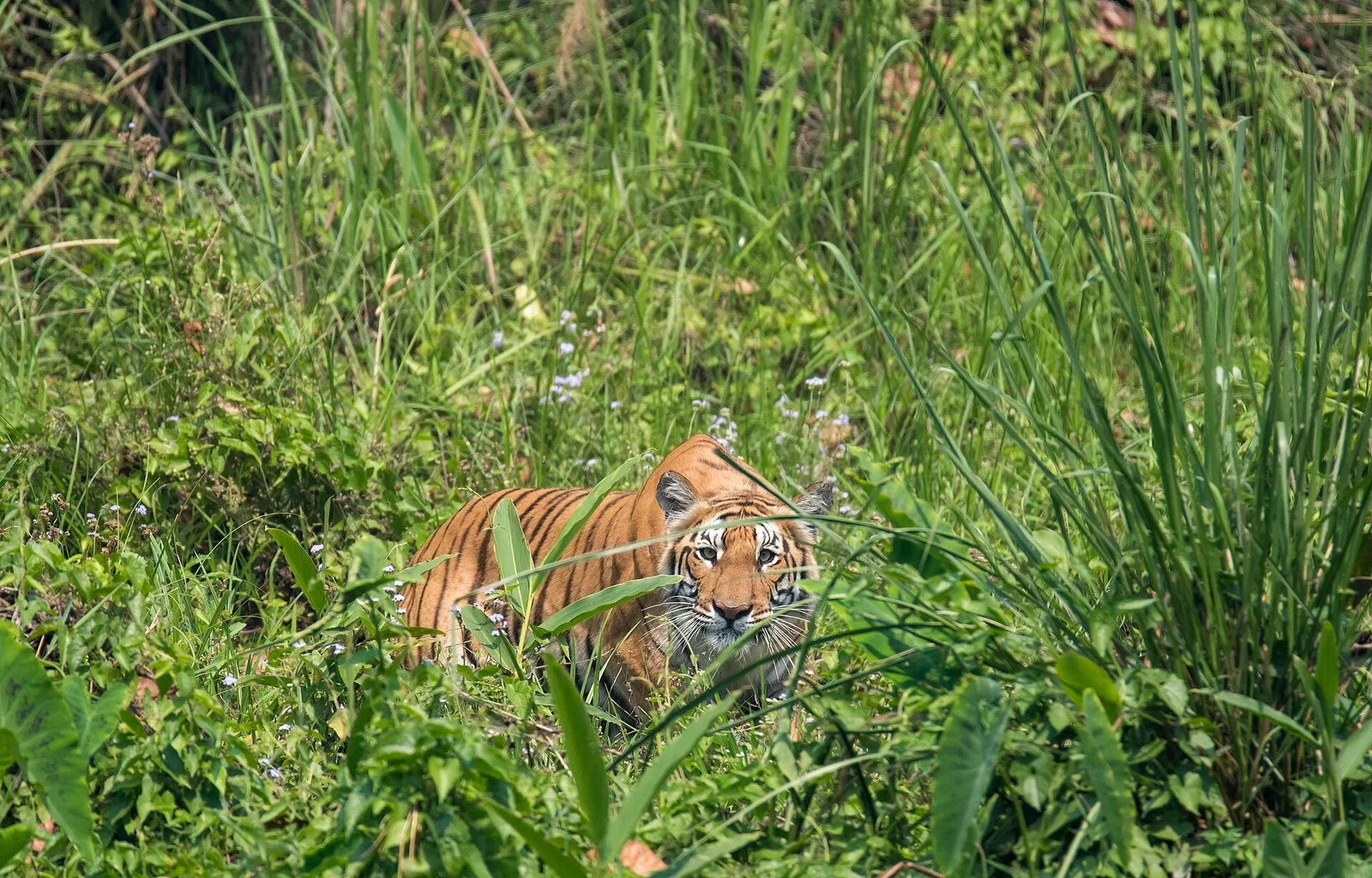
Nepal's tigers just did something no other tiger-range country has managed at this speed: nearly quadrupled their population in under two decades. A new national census, completed in April 2026 and released this week, counted 429 wild tigers across Nepal's lowland parks — up from 355 in 2022, and from just 121 in 2009. For anyone weighing a jungle safari alongside a Himalaya trek, that number changes the odds of what you'll actually see from an elephant-back or jeep track through the Terai.
Key facts
- Nepal's 2026 national tiger census counted 429 tigers, up from 355 in 2022 and 121 in 2009 — a 3.5x increase in 17 years.
- Nepal hit the global Tx2 target (doubling wild tigers, set at the 2010 St Petersburg Tiger Summit) four years early, back in 2022 — then kept growing.
- Chitwan National Park alone now holds 145 tigers — more wild tigers than most tiger-range nations have in total.
- The census used camera traps across five protected areas between 31 December 2025 and 23 April 2026.
- Success has a cost: 10 people died in tiger encounters in fiscal year 2025–26, the first rise in four years.
The recovery is one of conservation's genuine good-news stories, and it didn't happen by accident. Nepal built its tiger comeback on three deliberate moves: handing forest management to community buffer-zone user groups who profit from tourism and therefore police poaching themselves, running one of the world's most disciplined anti-poaching operations, and linking Chitwan, Parsa, Banke, Bardiya and Shuklaphanta into a single functioning corridor — the Terai Arc Landscape — so tigers can actually move, breed and disperse between parks instead of being boxed into isolated islands.
It wasn't inevitable. During Nepal's 1996–2006 civil conflict, army patrols were pulled out of the parks to fight the insurgency, and poaching networks moved in — conservationists at the time feared Chitwan's tigers could be wiped out within a generation. The turnaround since is what makes this census remarkable, and it's why buffer-zone revenue-sharing programmes now funnel a cut of park and tourism income straight back into the villages bordering the forest, giving local people a direct financial stake in keeping poachers out.
The bar chart below shows how steady that climb has been. Every national census since 2009 has counted more tigers than the last, with the steepest jump — 355 to 429 — landing in this most recent count.
Break the national number down by park and the picture gets more interesting — and more useful if you're deciding where to actually go. Chitwan, Parsa, Banke and Shuklaphanta all posted their best counts ever. Bardiya is the exception: it fell to 112 tigers from 125 in 2022, the only decline recorded anywhere in the country, which park officials are watching closely for signs of habitat strain.
| Park | 2022 | 2026 |
|---|---|---|
| Chitwan | 128 | 145 |
| Bardiya | 125 | 112 |
| Parsa | 41 | 71 |
| Shuklaphanta | 36 | 50 |
| Banke | 25 | 51 |
| Total | 355 | 429 |
What this means if you're planning a safari
What this means for you
More tigers doesn't mean a guaranteed sighting — these are still wild animals in dense sal forest and elephant grass, and a responsible outfit will never promise you one. But Chitwan's core-habitat tiger density is now among the highest anywhere on Earth, and multi-day safaris with early-morning and late-afternoon game drives, when tigers actually move, give you a realistic shot most single-day trips don't. The guide beside you matters more than ever, too: rising human–tiger conflict is a direct result of more tigers sharing edge habitat with more people, and an experienced local naturalist reads warning signs — alarm calls, fresh pugmarks, a nervous herd of chital — that a self-guided visitor simply won't catch.
We build our Chitwan jungle safari and Bardia National Park safari around exactly that: naturalist guides, dawn and dusk drives, and small, quiet groups that don't spook a forest already adjusting to record numbers of its top predator. Both pair naturally onto a Himalaya itinerary — fly into Kathmandu, trek the mountains, then drop into the lowland Terai before you fly home, and you've covered two completely different Nepals in one trip. The same community forestry model credited with this tiger recovery is also the backbone of how we think about responsible trekking in the hills: keep the benefit local, and the wildlife, and the trails, take care of themselves.
Source: The Kathmandu Post
Cover photo: Supradai via Wikimedia Commons (CC BY 4.0).
计划徒步?
我们负责许可证、后勤与向导
NMA 认证的本地向导,价格透明,自 1998 年以来 5,000+ 次徒步。告诉我们你的日期,其余的交给我们。


更多「Records & People」
Records & People
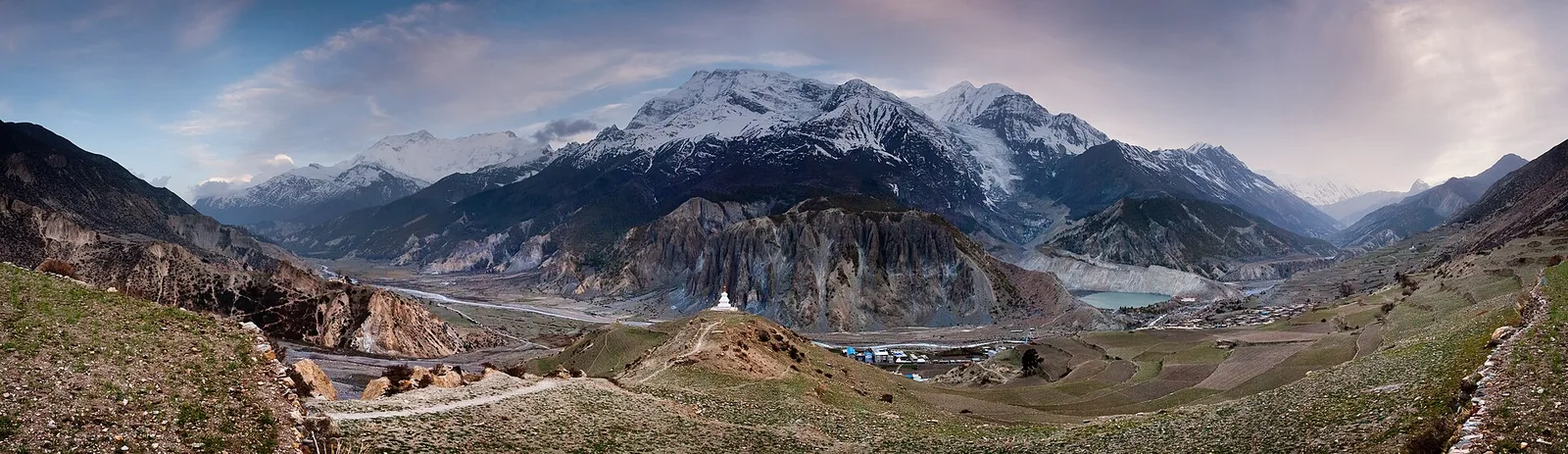
Before Everest, There Was Annapurna: The First 8,000-Metre Summit Cost Two Climbers Nearly Every Finger and Toe
On 3 June 1950, two Frenchmen became the first humans to stand on an 8,000-metre summit — three years before Everest. The descent nearly killed them both.
Records & People
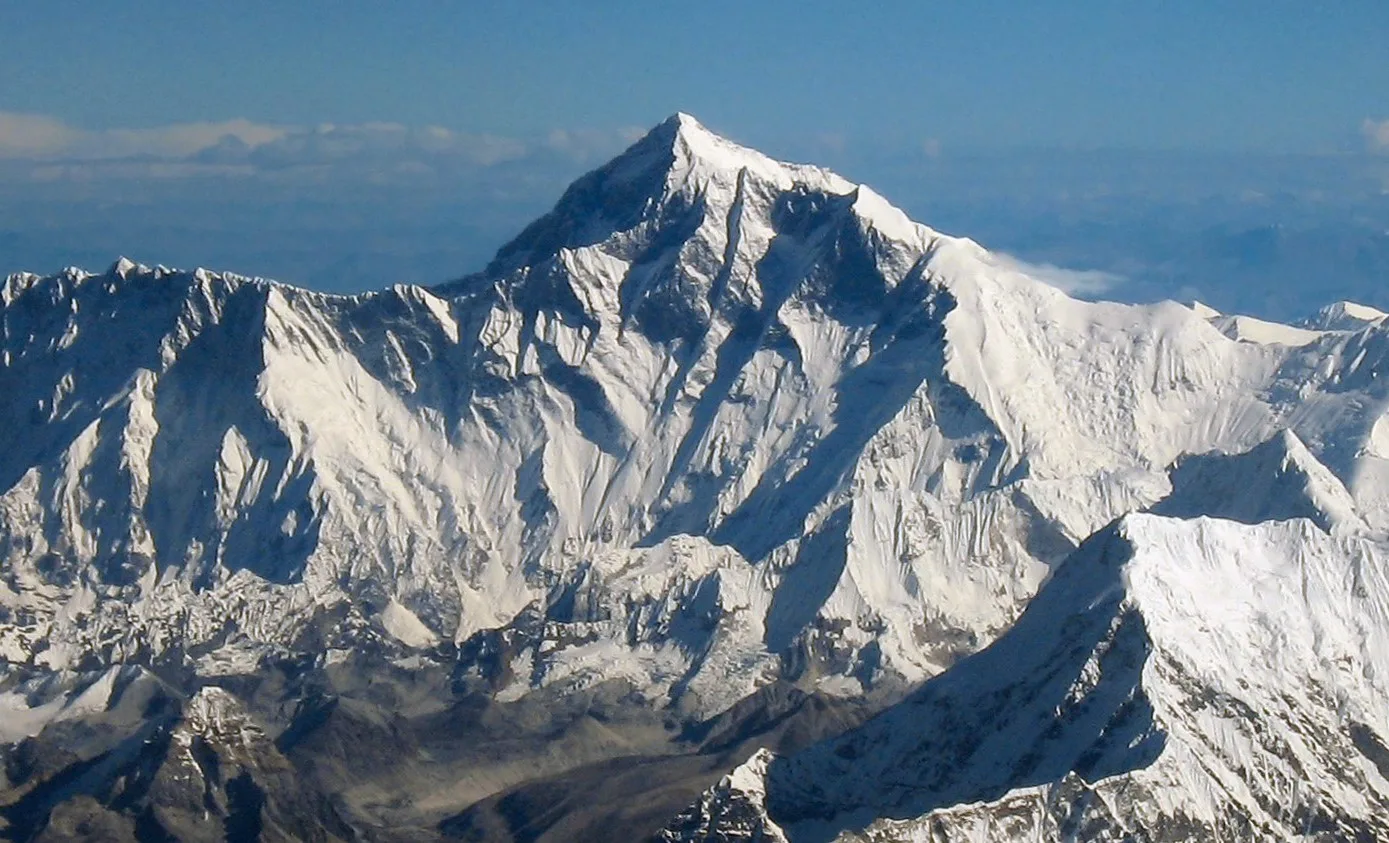
The Highest Point on Earth Used to Be the Bottom of the Sea
Six metres below Everest's summit, geologists have found fossils of sea creatures that died 450 million years before Hillary and Tenzing were born — and the mountain is still rising to meet them.
Records & People
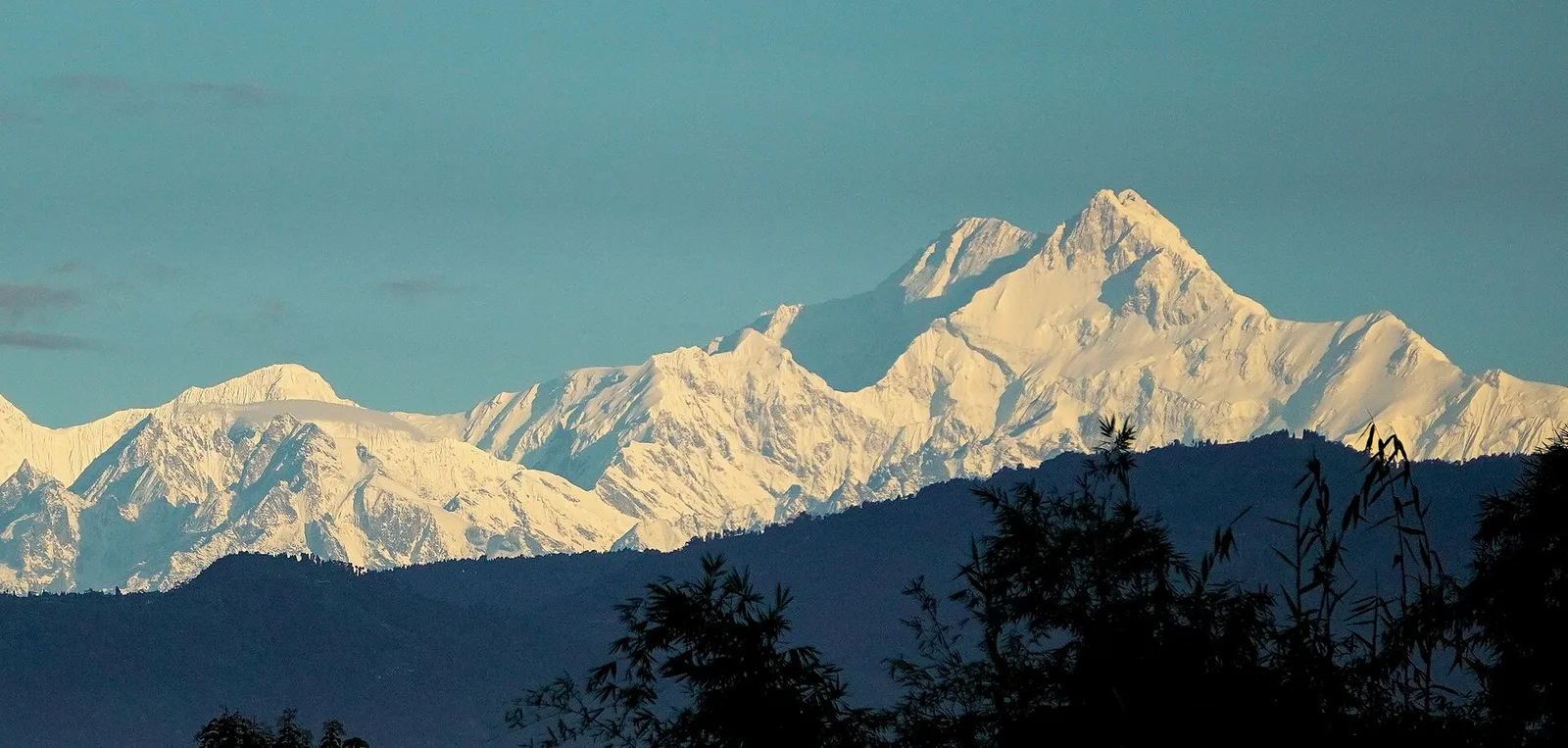
In 1955 They Stopped a Few Feet From the Top of the World's Third-Highest Mountain. Seventy Years Later, India Wants No One to Ever Take the Last Step.
Joe Brown and George Band summited Kangchenjunga on a promise never to stand on its true top. A 2025 Indian Army climb from the Nepal side broke that unwritten rule again, and reignited a decades-old fight over whether the mountain should be climbed at all.