
The US Pledges $500,000 and a Disaster Adviser to Nepal After the 2026 Floods
The United States pledged $500,000 and a disaster-response adviser to flood-hit Nepal, the State Department said, offering its condolences to the families of the dead.
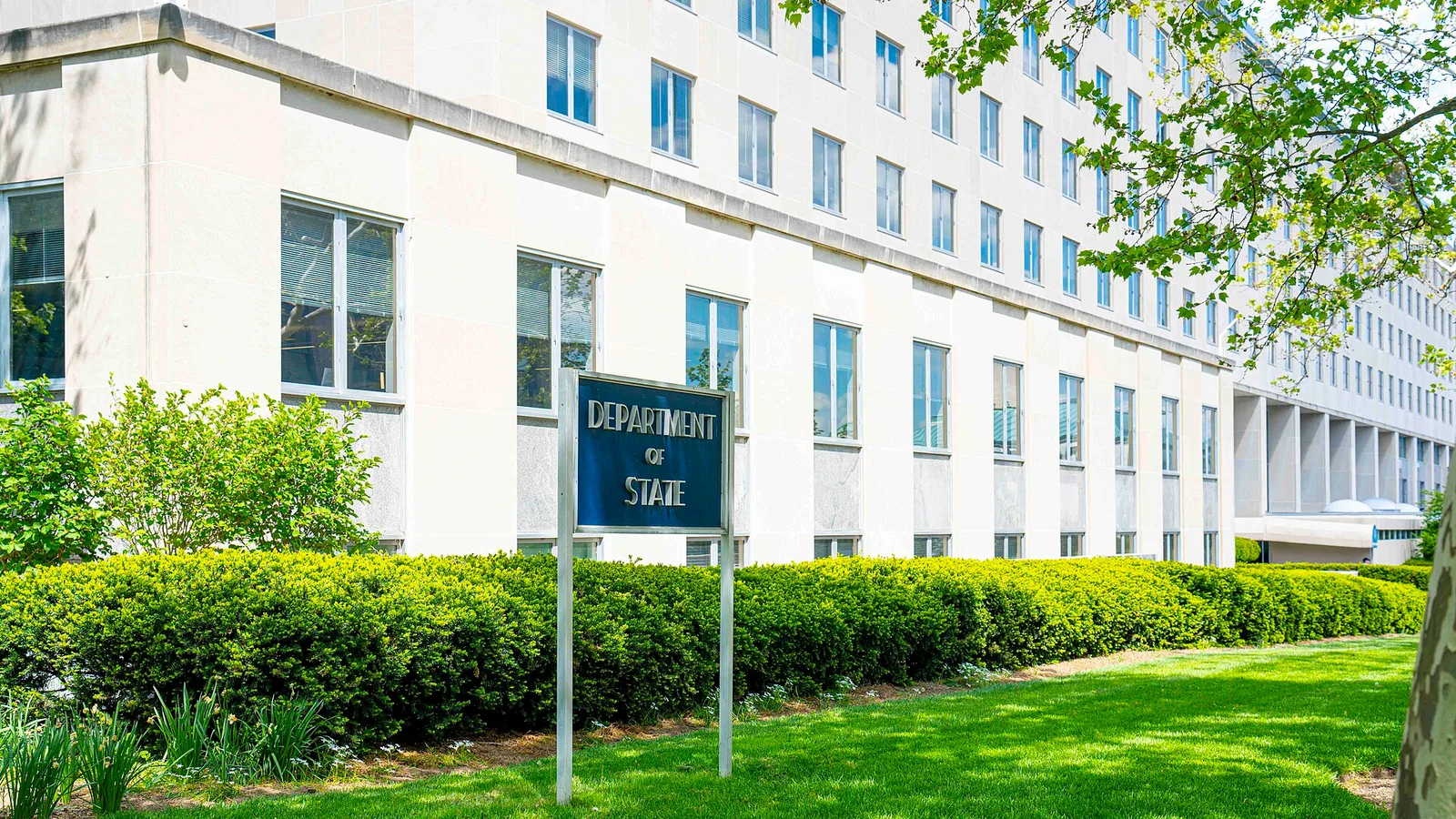
The United States pledged $500,000 in aid and a disaster-response adviser to Nepal after the deadly 26 August flash floods in Rasuwa district, the US Department of State said in a statement offering its condolences to the families of those who lost their lives. The money will flow through the humanitarian agency Catholic Relief Services to fund emergency shelter, essential relief items and clean-water support in the flood-hit communities.
The US response, in brief (as reported 26–27 August 2026)
- Who: The US Department of State (Office of the Spokesperson).
- What was said: Deepest condolences to the families and loved ones of those who lost their lives in the Rasuwa floods.
- Aid: $500,000 in assistance, channelled through Catholic Relief Services.
- What it funds: Emergency shelter, essential relief items, and water, sanitation and hygiene support.
- On the ground: A disaster-response adviser deployed to the region to assess needs and help coordinate relief.
In its statement, the State Department said the United States "extends its deepest condolences to the families and loved ones of those who lost their lives" in the flooding. It said the Department was closely monitoring the situation and was deploying a disaster-response adviser to the region to help gauge local needs and coordinate the relief effort.
Where the $500,000 goes
The centrepiece of the US pledge is $500,000 in assistance provided through the Department's global award with Catholic Relief Services (CRS), a long-established international humanitarian organisation. According to the announcement, the funding is directed at three practical needs in the immediate aftermath of a flood: emergency shelter materials for people whose homes were swept away or made unsafe; essential relief items for displaced families; and water, sanitation and hygiene support to reduce the risk of disease in the days after the water recedes.
That WASH component — water, sanitation and hygiene — is often the quiet priority after a disaster like this one. When rivers overrun villages and destroy latrines and water points, contaminated water quickly becomes its own emergency. Channelling the money through an experienced agency already operating in the region is intended to get those supplies moving faster than a brand-new programme could.
A statement from the State Department, not a personal message
It is worth being precise about attribution, because in a fast-moving disaster details get blurred. The condolences and the aid pledge were issued by the US Department of State — the US government's foreign-affairs body — and reported through official channels and Nepali outlets including Radio Nepal. We have seen no separate personal statement from the US president on the Nepal floods, and we are not attributing one. What is on the record is the State Department's institutional response: condolences, a financial pledge, and an adviser on the way.
Why a "disaster-response adviser" matters
The half-million dollars is the headline, but the adviser may matter just as much. A disaster-response specialist on the ground can verify what is actually needed — not what is assumed — and connect US-funded supplies to the Nepal-government-led relief operation and to agencies already working in Rasuwa. In a remote district with roads and bridges gone, that coordination is often the difference between aid that arrives and aid that sits in a warehouse.
Part of a wider international response
The US pledge is one strand of a broad international response to a disaster that killed hundreds and left more than a thousand people missing across Nepal and the Tibetan side of the border. Governments across Asia and beyond, along with United Nations agencies, moved to offer condolences, funding and personnel in the days after the floods. For Americans, there was an added dimension: a number of US citizens were among the many foreign trekkers reported missing in the affected regions, which sharpened Washington's attention on the response.
For Nepal, contributions like this — targeted, routed through established agencies, and paired with technical help — are exactly the kind of support that translates into shelter and clean water for families in the worst-hit villages. As with every part of this still-unfolding disaster, the details reported here reflect the official statements available at the time of writing.
Follow the story
We are tracking the death toll, the missing and the status of every affected trekking region in our Nepal Floods 2026 live-updates hub. For how the disaster began, read our report on the Bhote Koshi flash flood in Rasuwa.
Sources: US Department of State press release, and reporting by Radio Nepal. Figures and wording reflect the official statement as reported; all casualty numbers in the wider disaster remain provisional.
Cover photo: U.S. Department of State via Wikimedia Commons (Public domain).
更多「Safety & Advisories」
Safety & Advisories
Chitwan After the 2026 Floods: Is the Jungle Safari Open?
The core-park safari is closed — but for the routine monsoon, not the flood; road access is the real disruption. An honest region status and what it means for your trip.
Safety & Advisories
The UN Releases US$2 Million for Nepal Flood Relief as Guterres Voices Deep Sadness
The United Nations released US$2 million for Nepal flood relief, deploying emergency teams as Secretary-General António Guterres voiced deep sadness over the disaster.

Safety & Advisories
Xi Jinping Orders an 'All-Out' Rescue on the Nepal-Tibet Border After the 2026 Floods
China ordered an all-out rescue on its side of the flood-hit Nepal border, deploying nearly 800 workers as President Xi Jinping directed relief for the dead and missing.