
Chitwan After the 2026 Floods: Is the Jungle Safari Open?
The core-park safari is closed — but for the routine monsoon, not the flood; road access is the real disruption. An honest region status and what it means for your trip.
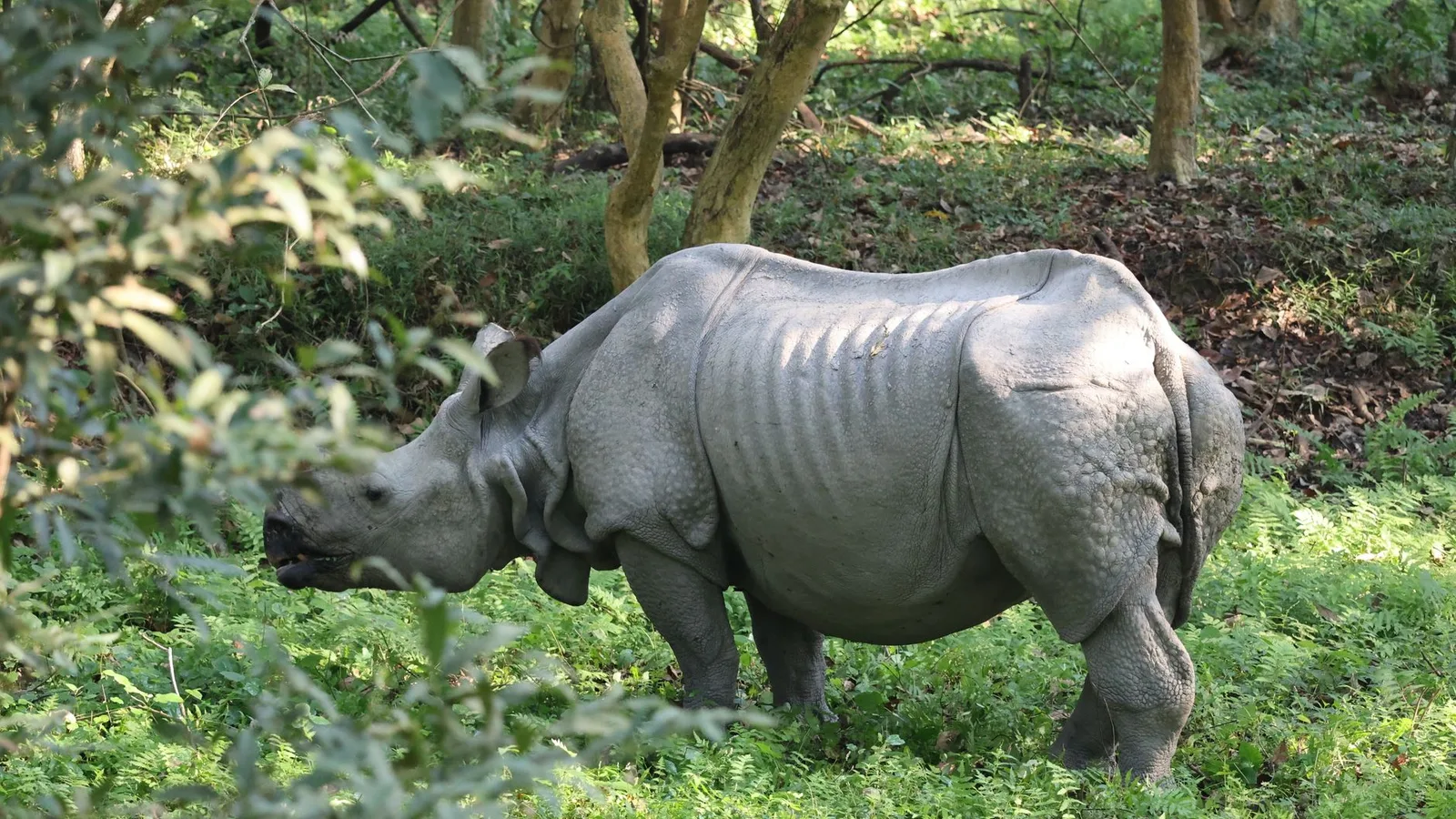
The short, honest answer: if you are booked for Chitwan this September, your jungle safari inside Chitwan National Park is closed right now — but not because the flood destroyed it. The core park shuts every monsoon, and it has been suspended since 1 July 2026 as it is every year. What the floods have genuinely disrupted is road access to Chitwan, and the district recorded Nepal's highest recovered death toll from the disaster — though, painfully, most of those were victims carried far downstream from the mountains, not casualties in the safari town of Sauraha. Here is what we know, what we cannot yet confirm, and what it means for your trip.
Key facts
- Is the jungle safari open? No — Chitwan National Park's in-park jeep, canoe and walking safaris are under the routine monsoon suspension since 1 July 2026, not a flood closure. Buffer-zone community-forest activities continue.
- Is access affected? Yes — the Muglin–Narayangadh road, the main link from Kathmandu and Pokhara to Chitwan, has been blocked and authorities have urged against travel on it.
- When does the park normally reopen? Around Dashain (Vijaya Dashami falls on 21 October 2026), once officials reassess roads and weather.
What actually happened
On the morning of 26 August 2026, a catastrophic flash flood tore down the Bhote Koshi and Trishuli river system out of Rasuwa, in the high country on the Nepal–Tibet border. It is the same event we are tracking on our Nepal floods 2026 live updates hub and covered in detail in our report on the Bhote Koshi flash flood in Rasuwa. Nationwide, authorities have confirmed 389 dead and around 910 missing in Nepal, with a preliminary government estimate of roughly Rs 200 billion in damage.
Chitwan sits far downstream. The Trishuli feeds the Narayani, which runs along the western edge of the national park, so as the flood wave travelled south it reached the district hundreds of kilometres from where it began. That geography is why the numbers you may have seen are so stark — and why they are easy to misread.
The 108 figure — read it carefully
According to the National Disaster Risk Reduction and Management Authority (NDRRMA), reported by The Kathmandu Post, Chitwan district recorded the highest number of recovered bodies of any district — 108 — ahead of Nawalparasi East (62), Dhading (27), Gorkha (20) and Rasuwa itself (17). But officials have been clear that rescuers found many of these bodies on the Trishuli and Narayani riverbanks, swept down from the hardest-hit areas upstream. In other words, Chitwan's toll is largely a reflection of the river carrying victims of the mountain disaster into the district — not a measure of destruction inside the safari zone.
Why the safari is closed right now (and it is not the flood)
This is the part most worth understanding before you cancel anything. Chitwan National Park suspends its in-park safaris every monsoon. This year the park office halted jeep safaris inside the core area from 1 July 2026, "until further notice" — a decision reported by The Kathmandu Post and myRepublica weeks before the floods. The reasons are the same every year: monsoon rain chews up the unpaved forest tracks, small streams inside the park flash-flood, fallen trees block routes, and the wet season is a critical breeding period when wildlife is best left undisturbed.
So the park being "closed" in late August is normal and expected. What is not normal is the surrounding damage. Chitwan's administration was placed on high alert as floodwaters moved down the Narayani, and the U.S. embassy in Nepal listed Chitwan among the districts where citizens were told to stay away from riverbanks and low-lying ground.
| Area | Status | What to do |
|---|---|---|
| In-park jungle safari (jeep / canoe / walking) | Closed — routine monsoon suspension since 1 Jul | Rebook for the post-Dashain window (mid-Oct on) |
| Buffer-zone community forests | Generally operating | A limited wildlife option even in monsoon; confirm locally |
| Muglin–Narayangadh road access | Blocked / travel discouraged | Do not attempt the drive now; wait for official reopening |
| Sauraha town itself | Being assessed | Confirm current ground conditions with your operator |
| Narayani / Rapti riverbanks | High-alert flood risk | Stay well away from the water's edge |
On Sauraha specifically — the riverside village where almost every visitor stays — we are not going to state more than we can confirm. The district was on high alert as the surge passed; we have not independently verified the extent of any damage within Sauraha itself, and we will update this page as reliable information comes in. If someone tells you confidently that Sauraha is "fine" or "gone," ask them for their source. Right now the honest word is: being assessed.
What this means for travellers
Put simply: Chitwan as a destination is not "cancelled," but it is not a September trip this year. The park's own calendar already pushed the wildlife season to after Dashain, and the flood damage to the road corridor makes late-August and September travel there both difficult and, near the rivers, unsafe. The sensible plan is to shift your safari to the reopening window from mid-October, by which point roads are usually cleared and the park reassesses and resumes operations for the peak October–March season.
If you are weighing whether Chitwan is worth keeping on the itinerary at all, it is — this is Nepal's flagship wildlife park, home to the greater one-horned rhino and Bengal tiger, and a genuine change of pace from the mountains. We wrote about that wilder side of the country in Beyond trekking: Nepal's wild side and about the rhino conservation story in Nepal's one-horned rhino. For anyone also heading to the hills, our current trekking conditions update covers where the trails stand after the floods.
Planning a Chitwan trip? Let us keep it honest
We run a 3-day Chitwan Jungle Safari (from US$455 per person solo, less in a group) — but we will not sell you a September date the park itself has closed. Message us on WhatsApp or through our contact page and we will tell you the real reopening picture, hold a post-Dashain date, and only confirm once we know the roads and Sauraha are ready. No pressure, no rushing you onto a trip that is not ready for you.
Source: National Disaster Risk Reduction and Management Authority (NDRRMA) figures via The Kathmandu Post; monsoon safari suspension via The Kathmandu Post and myRepublica; road status via OnlineKhabar. Figures are provisional and were accurate at the time of writing (28 August 2026); we will correct this page as the situation develops.
Cover photo: INDU BIKASH SARKER via Pexels (Pexels License).
计划徒步?
我们负责许可证、后勤与向导
NMA 认证的本地向导,价格透明,自 1998 年以来 5,000+ 次徒步。告诉我们你的日期,其余的交给我们。

更多「Safety & Advisories」
Safety & Advisories
The UN Releases US$2 Million for Nepal Flood Relief as Guterres Voices Deep Sadness
The United Nations released US$2 million for Nepal flood relief, deploying emergency teams as Secretary-General António Guterres voiced deep sadness over the disaster.
Safety & Advisories
The US Pledges $500,000 and a Disaster Adviser to Nepal After the 2026 Floods
The United States pledged $500,000 and a disaster-response adviser to flood-hit Nepal, the State Department said, offering its condolences to the families of the dead.

Safety & Advisories
Xi Jinping Orders an 'All-Out' Rescue on the Nepal-Tibet Border After the 2026 Floods
China ordered an all-out rescue on its side of the flood-hit Nepal border, deploying nearly 800 workers as President Xi Jinping directed relief for the dead and missing.