
Which Nepal Trek Should a Complete Beginner Actually Do in 2026? By Altitude, Days and Difficulty
Not Everest Base Camp. Here is the honest, altitude-by-altitude answer for first-time trekkers — and which famous routes to save for your second trip.
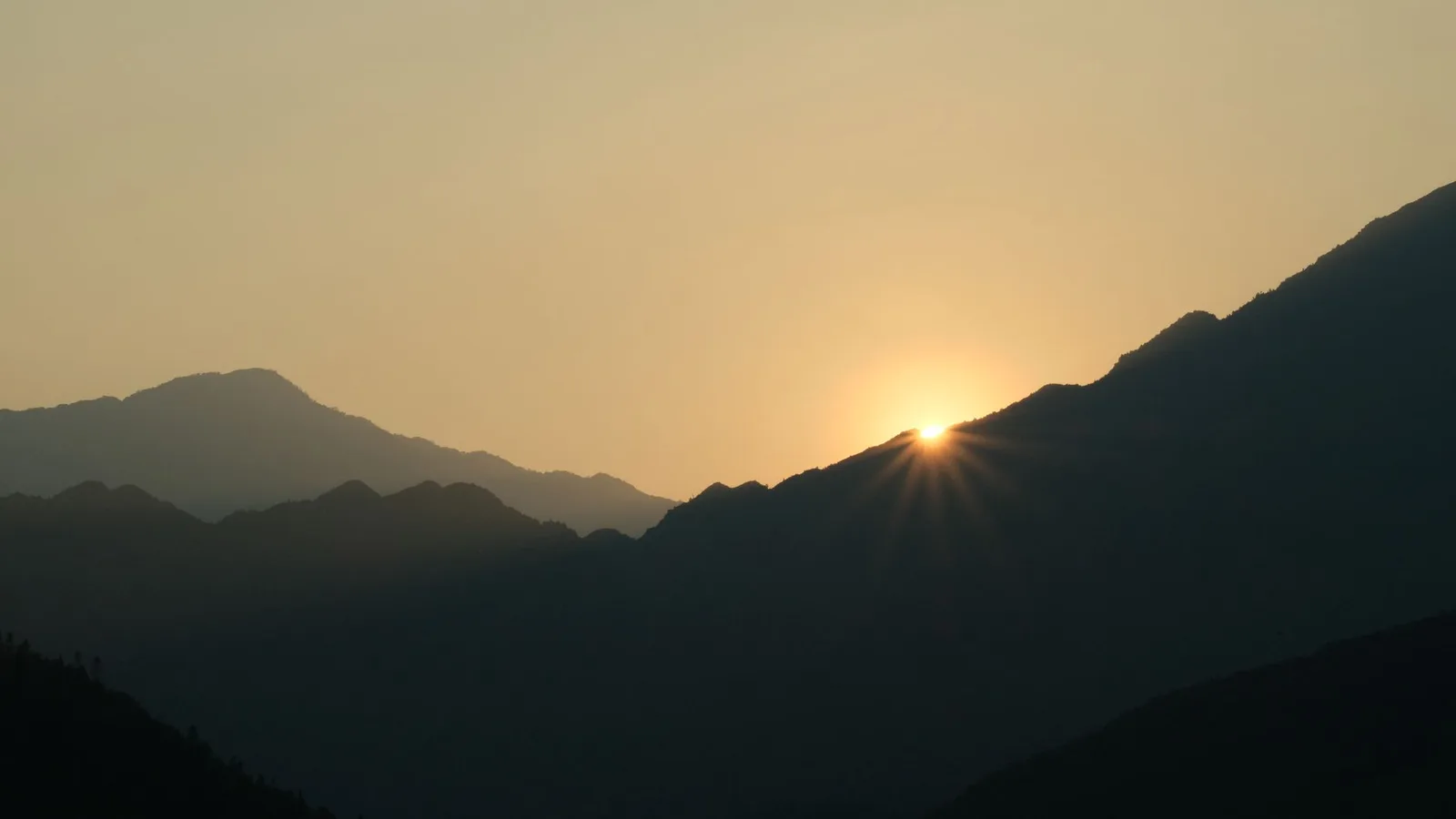
Not Everest Base Camp — not for a first trek. If this is genuinely your first time trekking in the Himalaya, the honest answer is the Ghorepani Poon Hill trek (tops out at 3,210m) or the Mardi Himal trek (4,500m at Base Camp) — both doable in under a week by anyone with average fitness and zero prior high-altitude experience. Everest Base Camp (5,364m) and the Annapurna Circuit are genuinely excellent treks, but they're moderate-to-hard, 12-plus-day commitments that reward already knowing how your own body handles altitude — which is exactly what a shorter first trek teaches you, cheaply, before you commit two weeks and a long-haul flight to finding out the hard way. Our own guides see the same mistake every season: someone books Everest Base Camp as trek number one because it's the famous one, then turns back below Base Camp having never tested altitude at all.
Key facts
- Altitude-illness risk begins around 2,500m, per the CDC Yellow Book — and fitness does not lower that risk, only a slow ascent does
- Ghorepani Poon Hill (3,210m) and Mardi Himal (4,500m) are the two routes guides most often recommend for a genuine first trek
- Everest Base Camp sits at 5,364m and typically takes 12–14 days — not a beginner-length commitment
- Trekking fitness and altitude tolerance are two different things: a strong runner can still get AMS at 4,000m, while an unfit beginner can walk Poon Hill comfortably
Why 'beginner' is about altitude and days, not fitness
The CDC's high-altitude travel guidance is blunt on this point: risk of acute mountain sickness rises above roughly 2,500m regardless of how physically fit you are, and training does not meaningfully change your predisposition to it. That reframes the beginner question entirely. It isn't 'can I walk 6 hours a day' — most healthy adults can, with training. It's 'how will my body respond above 3,000m, and do I have the days built in to find out slowly.' A short, lower route answers that question at low cost; jumping straight to a 5,364m trek answers it at the cost of your one big trip of the year.
| Trek | Max altitude | Typical days | Best for |
|---|---|---|---|
| Dhampus–Australian Camp | 2,100m | 3 | A genuine first taste — kids, seniors, zero experience |
| Ghorepani Poon Hill | 3,210m | 4–5 | The classic starter trek |
| Mardi Himal | 4,500m | 5–7 | Beginners with decent fitness wanting more altitude and fewer crowds |
| Langtang Valley | 3,870m | 7 | First-timers who want to drive from Kathmandu, skipping flights |
| Annapurna Base Camp | 4,130m | 7–9 | A strong second trek, or a fit first-timer with time to acclimatise |
| Everest Base Camp | 5,364m | 12–14 | Second or third trek — not recommended as a first Himalayan trek |
| Manaslu Circuit | 5,106m (Larkya La) | 14–16 | Experienced trekkers only; restricted-area permit and guide required |
Who each trek actually suits
The honest verdict
Choose Poon Hill or Mardi Himal if this is your first Himalayan trek, you want to test how your body handles altitude and multi-day walking, or you have under a week free. Move up to Annapurna Base Camp once you've done one of those, or if you have 9 days and solid general fitness. Save Everest Base Camp for when you already know you acclimatise well — booking it cold, purely because it's the famous one, is the single most common reason first-timers turn back before reaching it.
One rule applies to every route on this list regardless of difficulty: since April 2023, Nepal requires a licensed guide on all of them, beginner or not — the distinction that matters for a first trek is altitude and days, not whether you'll be walking with a guide, because you will be either way. Pick the altitude you're ready to test, not the name you've already heard of.
Source: CDC Yellow Book, High-Altitude Travel and Altitude Illness.
Cover photo: Hao Hoang via Pexels (Pexels License).
来源: CDC Yellow Book
计划徒步?
我们负责许可证、后勤与向导
NMA 认证的本地向导,价格透明,自 1998 年以来 5,000+ 次徒步。告诉我们你的日期,其余的交给我们。


更多「Industry & Tourism」
Industry & Tourism
Nepal Picked Up Two PATA Tourism Awards This Month — and Just Named 2027 Its First 'Wellness Year'
A 60-year membership award, a chapter Award of Excellence, and the world's highest marathon on display in Malaysia — Nepal's late-summer tourism push signals a pivot from trekking-only to trekking-plus-wellness.
Industry & Tourism
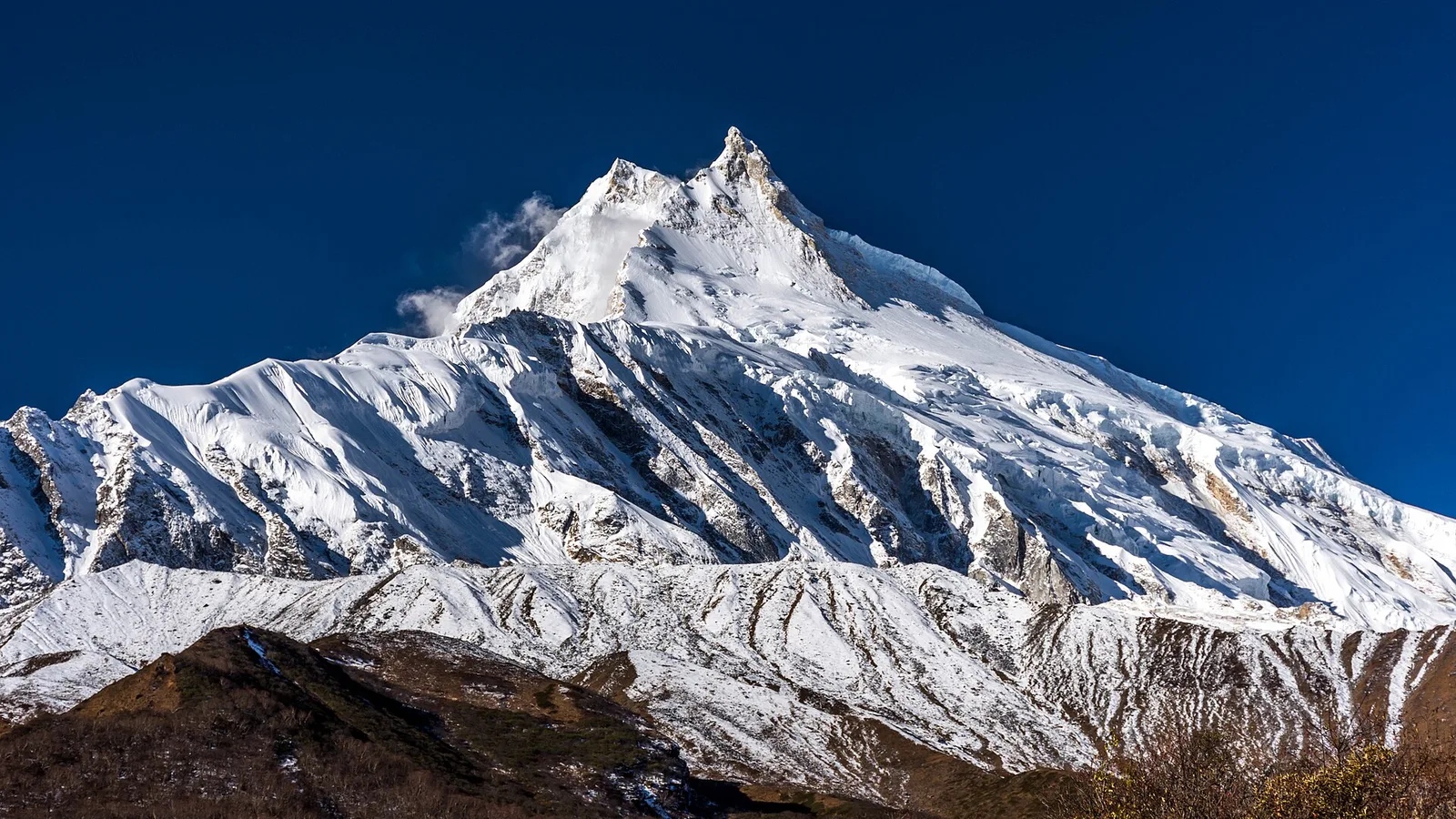
Nepal's Busiest 8,000m Season Yet? 300+ Foreign Climbers Are Already Headed to Manaslu
Ten international outfitters are fielding teams on Nepal's eighth-highest mountain this month, with rope-fixing crews already at base camp for what could be a record autumn.
Industry & Tourism
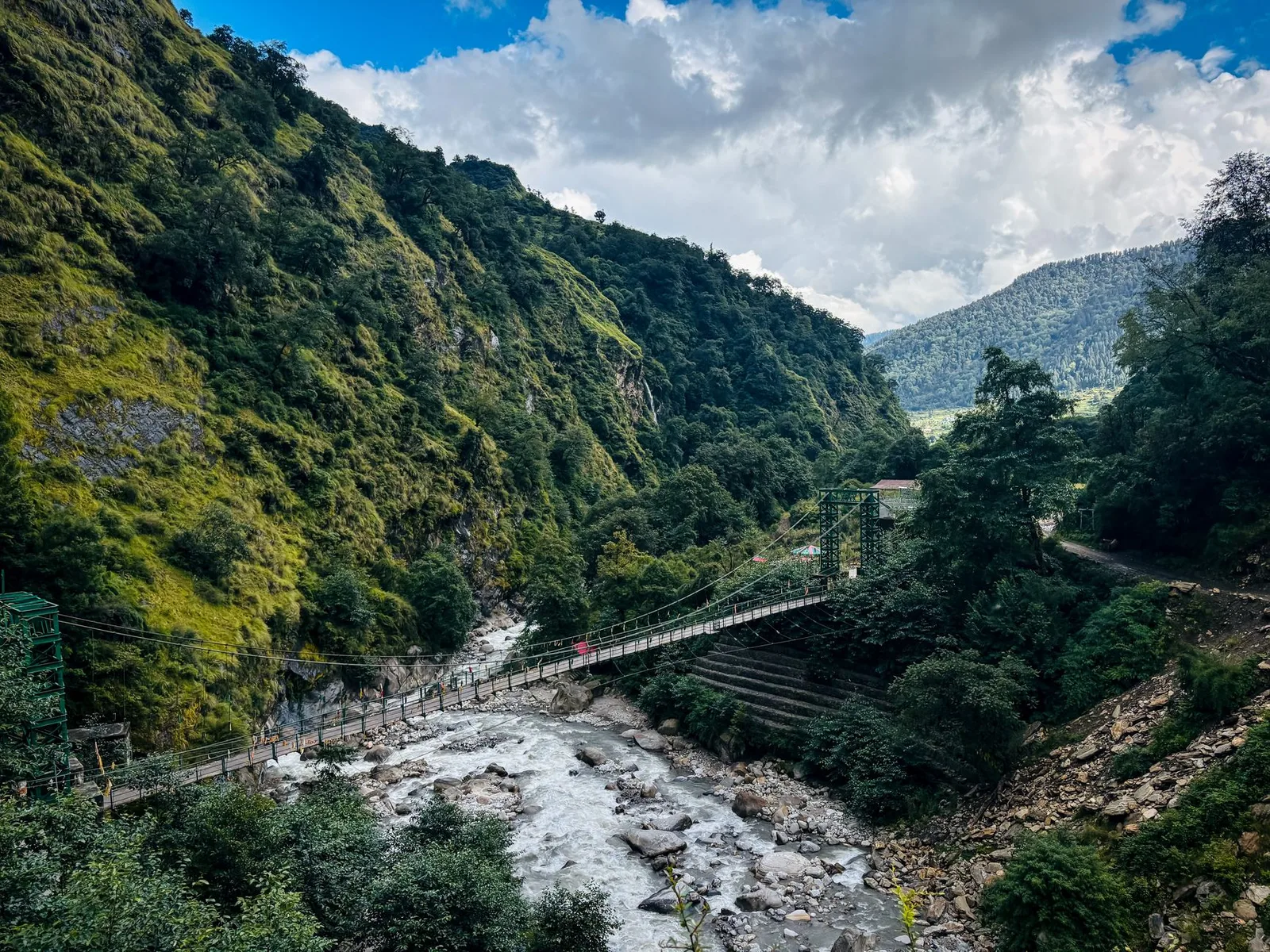
Nepal Now Has the World's Second-Highest Bungee Jump — 228 Metres Into the World's Deepest Gorge
Only Macau Tower stands taller. The Kushma Bungee drops jumpers 228 metres into the Kali Gandaki gorge, squeezed between two 8,000-metre giants a couple of hours from Pokhara.