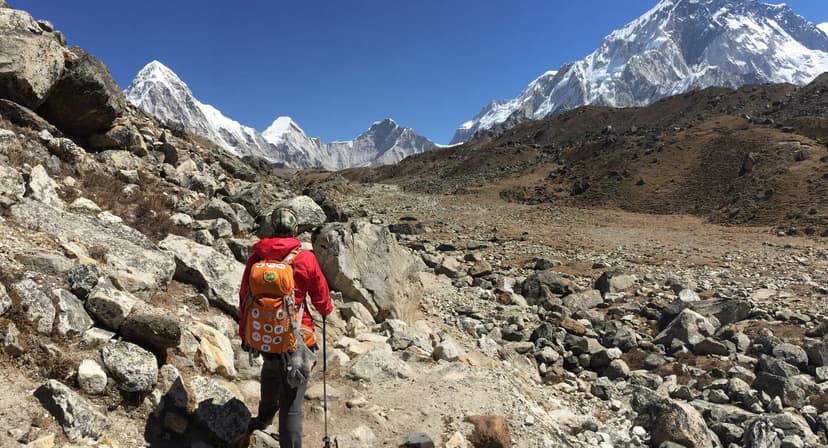
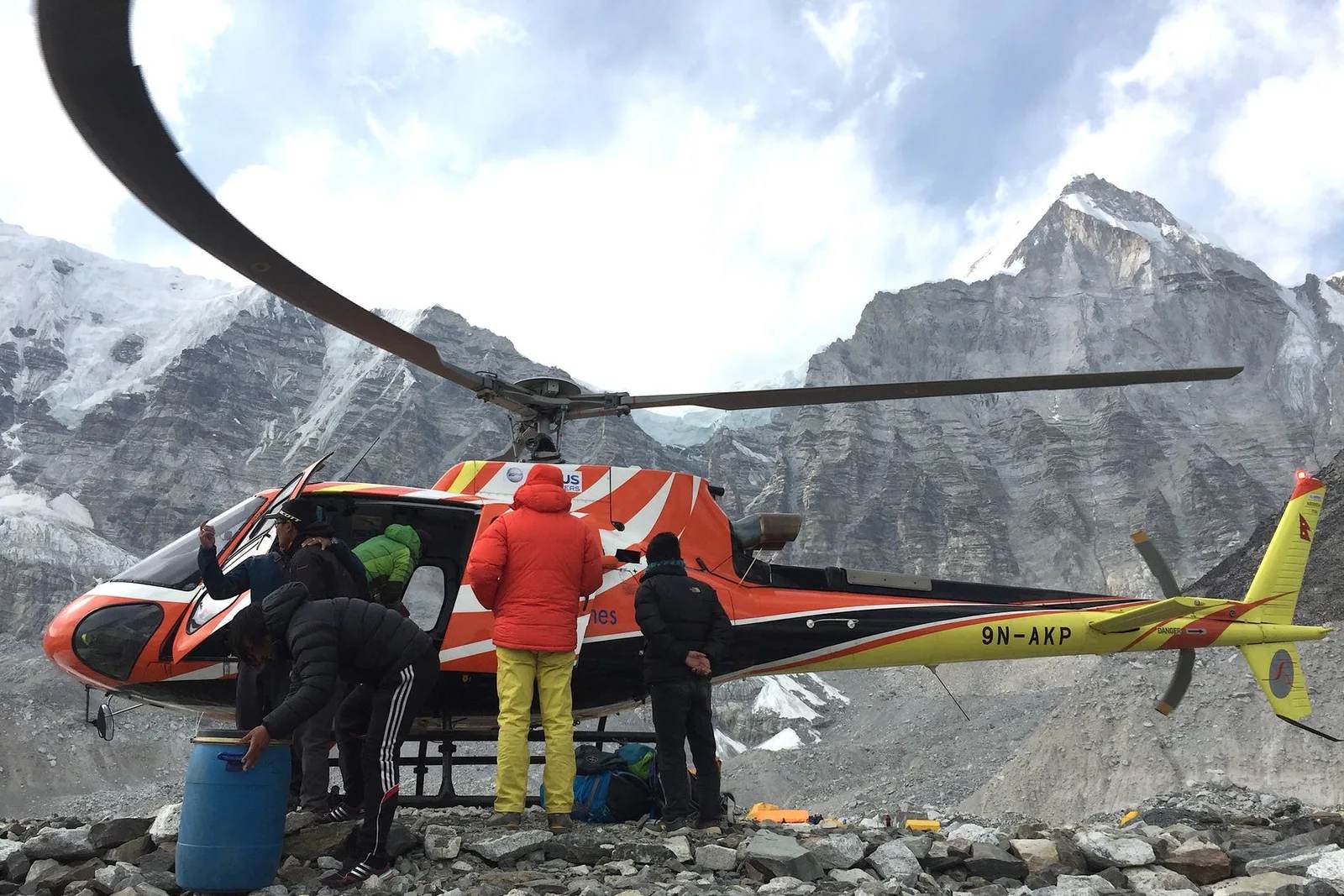
 1 daysEasy5,364 m
Everest Base Camp Helicopter Tour — 1 Day
From / person
$1,680
Nepal floods: Everest, Annapurna and Manaslu are unaffected and running normally.
The 26 August flood hit one corridor in northern Rasuwa. Langtang-region treks are paused while the access road is rebuilt — everything else is operating as usual.
Duration
14 days
From
$1,850/person
Max Altitude
5,364 m
Difficulty
Challenging
Starts
Lukla (fly from Kathmandu)
Group Size
2–12 People
Stay
Tea House
Meals
Breakfast, Lunch & Dinner
Best Season
Oct–Nov, Mar–May
Early morning flight to Lukla — 30 minutes of jaw-dropping mountain scenery. Met by your guide, begin trekking south along the Dudh Koshi river through pine and rhododendron forest to Phakding.
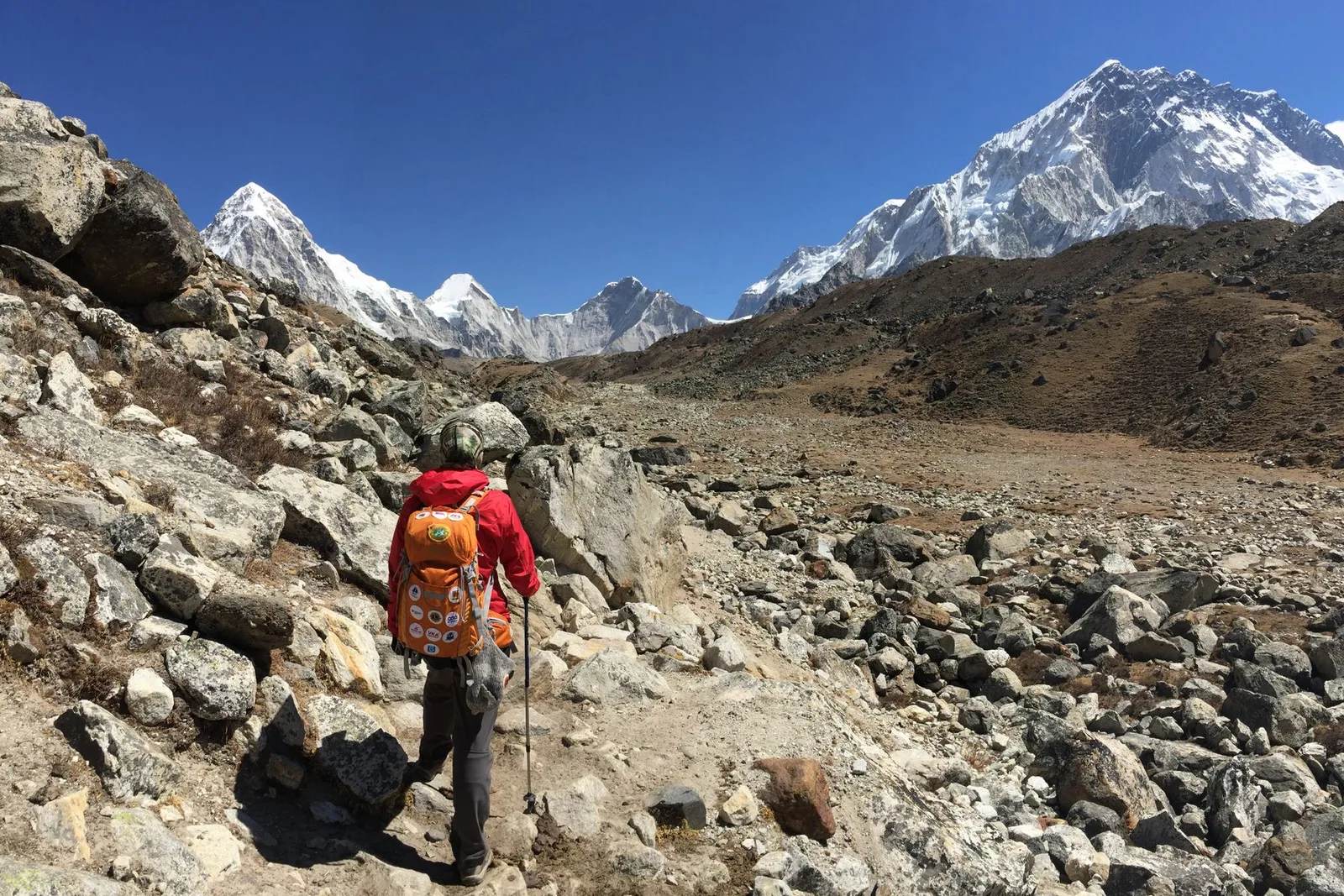
The Everest Base Camp trek is the journey of a lifetime — a 14-day odyssey through the world's most dramatic mountain landscape to the foot of the highest peak on earth. Standing at 5,364 m beneath the Khumbu Icefall, with the summit pyramid of Everest filling the sky above you, is a moment that genuinely changes perspective forever.
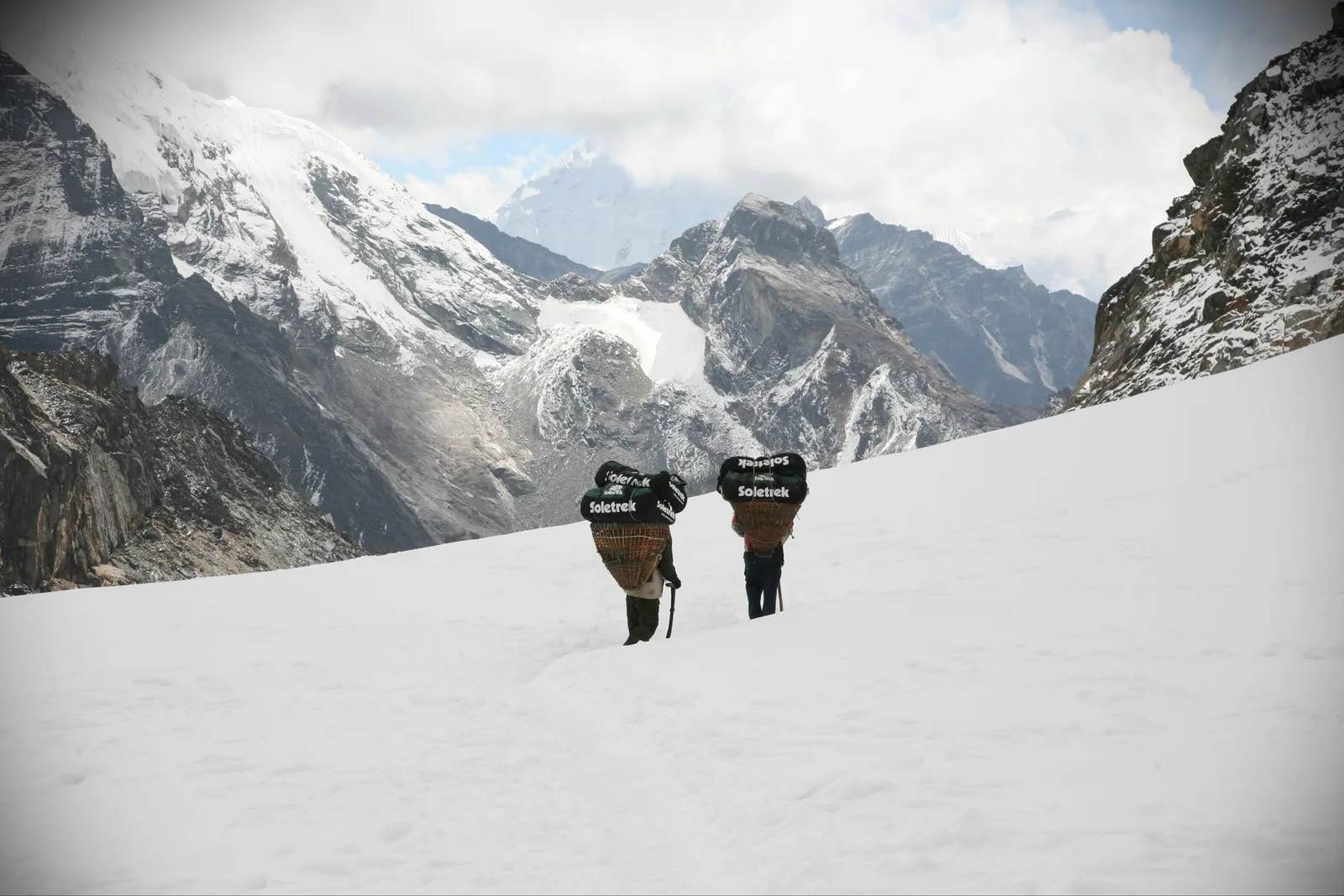
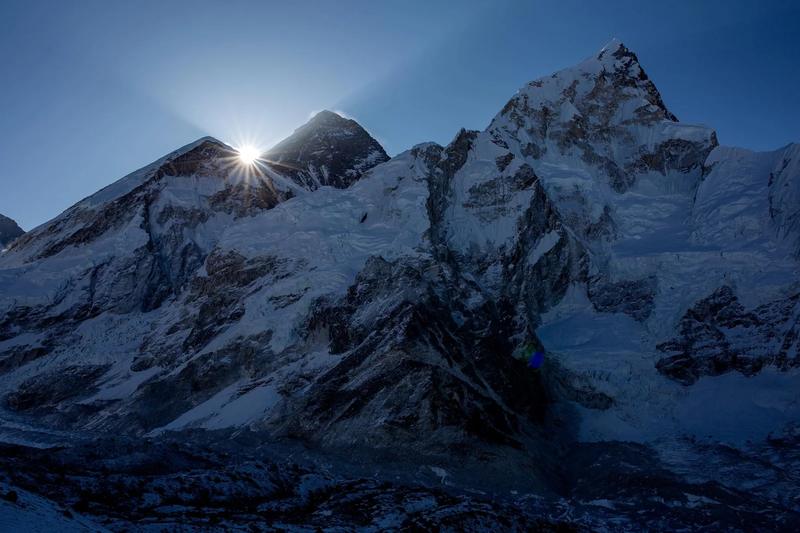
This classic itinerary follows the Tenzing-Hillary route from Lukla through the Sherpa heartland: the bustling trading post of Namche Bazaar, the rhododendron forests above Phakding, Tengboche Monastery framed by Ama Dablam, and the high moraines above Dingboche. Two carefully-placed acclimatisation days are built in — at Namche (3,440 m) and Dingboche (4,410 m) — following the proven "climb high, sleep low" protocol. The trek culminates with a pre-dawn ascent of Kala Patthar (5,545 m), where the classic four-faced Everest panorama is revealed at first light: one of the great views on earth.
The Khumbu region is home to the Sherpa people, among the most extraordinary mountain communities anywhere. Passing through Khumjung, Pangboche, and Lobuche, you share a trail with yak caravans, encounter centuries-old gompas, and sit down to dal bhat in teahouses run by families who have lived in the shadow of Everest for generations. This cultural dimension is as powerful as the altitude.
Since 1998, our government-certified senior guides have led thousands of trekkers safely to EBC. Groups are capped at 12 trekkers per guide so every person receives personal attention at altitude. Your guide carries a full altitude illness kit (Diamox, pulse oximeter, emergency oxygen, and a portable Gamow bag) on every trip above 4,500 m. We hold a 4.9-star rating from over 5,000 completed treks — not by over-promising, but by selecting the right teahouses, maintaining a conservative acclimatisation pace, and treating every trekker as an individual. Our emergency helicopter contingency for Lukla weather delays means your trip completion is protected from the first day.
Best seasons: October–November and March–May. Start point: Kathmandu (Lukla flights included). Max altitude: Kala Patthar 5,545 m.
Where we collect you, and which hotel standard you travel on.
Pickup Point
Hotel Standard
Tell us which you want when you book — no account needed.
Autumn (Sep–Nov)
Prime season. October is perfect — clear skies, stable weather, 4–6 week dry window. November gets cold at altitude but still excellent. EBC trail at its busiest.
Spring (Mar–May)
Climbing season — expeditions on Everest. Good trekking weather. Rhododendrons in Namche area. Pre-monsoon cloud builds in afternoon from May. Slightly warmer than autumn.
Winter (Dec–Feb)
Very cold. Khumbu trails remain open but temperatures extreme at EBC (-20°C+). Experienced cold-weather trekkers only. Fewer crowds. Lodges may be closed above Namche.
Monsoon (Jun–Aug)
Not recommended. Trails wet and unstable. Cloud cover obscures mountain views. Risk of landslides on lower sections.
Sagarmatha National Park Permit
NPR 3,000 (approx USD 22)Required for all trekkers. Checked at Monjo gate.
Khumbu Pasang Lhamu Rural Municipality Fee
NPR 3,000 (approx USD 22)Local municipality permit. In the Khumbu it replaces the TIMS card, which is not used here.
All permits are arranged and included in your package price. Nothing to organise yourself.
A detailed packing list will be sent with your booking confirmation. Gear rental available in Kathmandu and Pokhara.
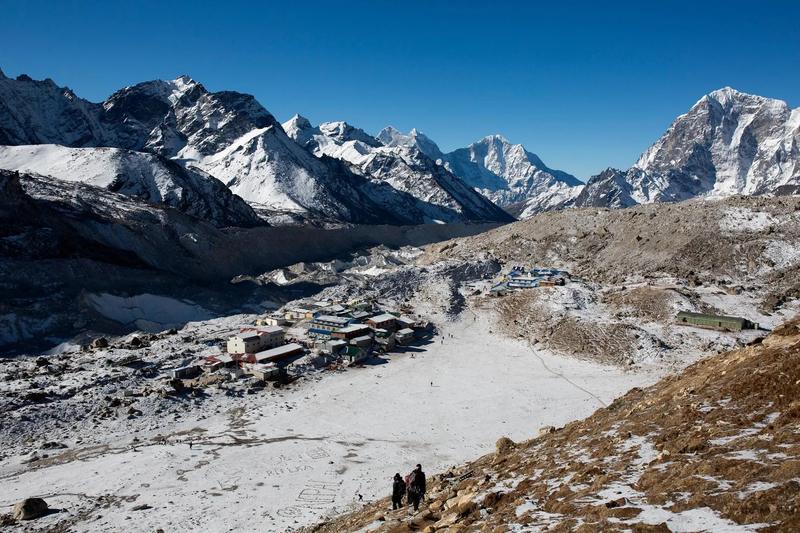
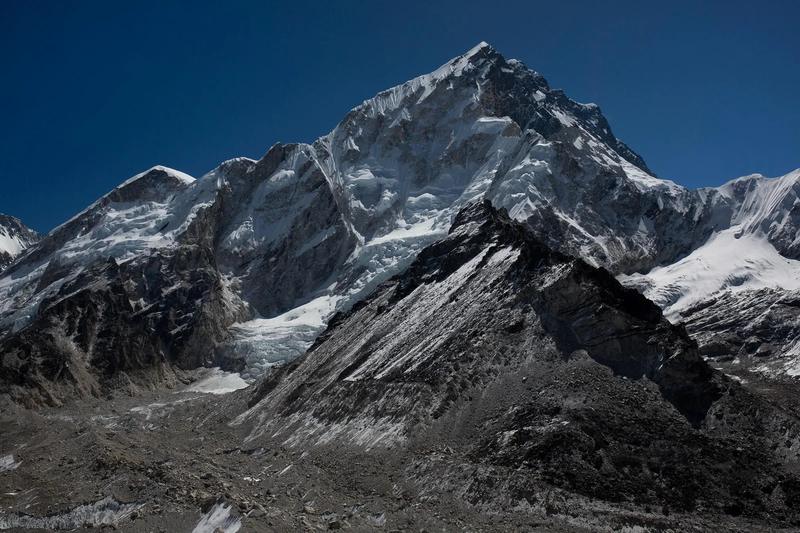
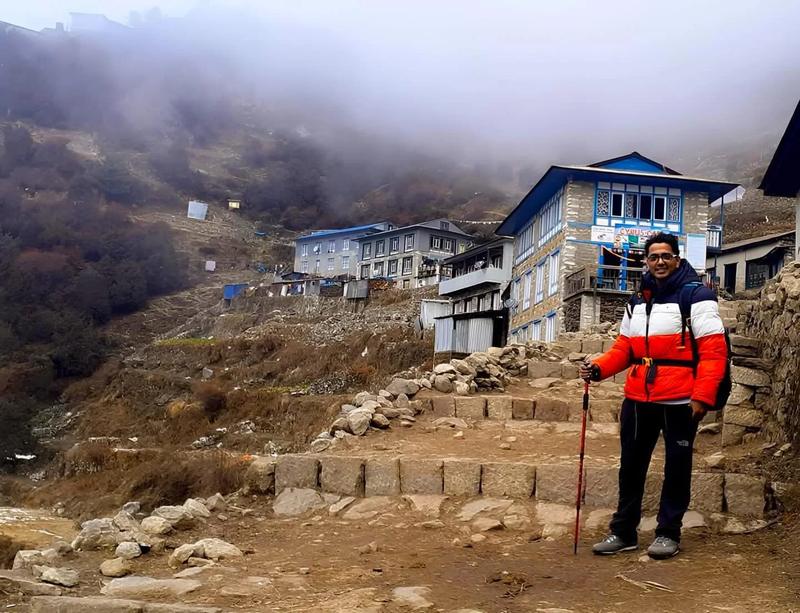
On the Trail
Your Himalaya Awaits
Private departures on any date, a hand-picked NMA guide, and an itinerary built around you. Tell us your dates — we usually reply within a few hours.
$1,850
/ person · all-inclusive