
Nepal Trekking Conditions Right Now: Region-by-Region Status After the 2026 Floods
Which trails are open, which access roads are cut, and what autumn 2026 actually looks like — updated through the season by a team based in Pokhara.
At a glance
- Published · updated
- TopicSafety & Advisories
- ReportingOriginal, by our guides in Pokhara
- Treks coveredAnnapurna Base Camp Trek — 9 Days, Everest Base Camp Trek — 14 Days, Ghorepani Poon Hill Trek — 5 Days
Updated 29 August 2026 — barrier lake draining, risk receding
The barrier lake that formed above the Nepal–Tibet border after the 26 August flood breached and has since been draining, without the feared catastrophic secondary surge downstream (Nepali Army / Rasuwa CDO; China MWR monitoring). The Bhote Koshi–Trishuli corridor risk is receding, though roads through Rasuwa remain cut. Latest verified figures: live updates · full report.
📍 Developing story — live updates
The 2026 Nepal floods are a developing, nationwide emergency and figures are rising. For the latest verified death toll, missing and rescued numbers, and trek status, follow our continuously-updated Nepal Floods 2026: Live Updates.
Last updated: 19 September 2026. We keep this page current through the season — if you are trekking in the next few weeks, this is the page to check, not a news story from last week.
If you are wondering whether to still come to Nepal, here is the honest bottom line first: yes — the country is open and safe to trek right now, with one localised exception. The flash flood of 26 August 2026 struck a single corridor in the northern Rasuwa district — the Bhote Koshi river, the Tibet border crossing, and the road that serves as the gateway to the Langtang valley. Everest, Annapurna, Mustang, Pokhara and Kathmandu were not affected and are operating normally. Manaslu took a separate, smaller flood on 6 September and reopened on 11 September, and the Kathmandu–Pokhara highway has been fully open again since 17 September. The main autumn trekking season of October and November is about two weeks away. Unless your trip specifically routes through Rasuwa or over the Kerung border to Tibet, your plans stand.
Open right now · Annapurna & Khumbu
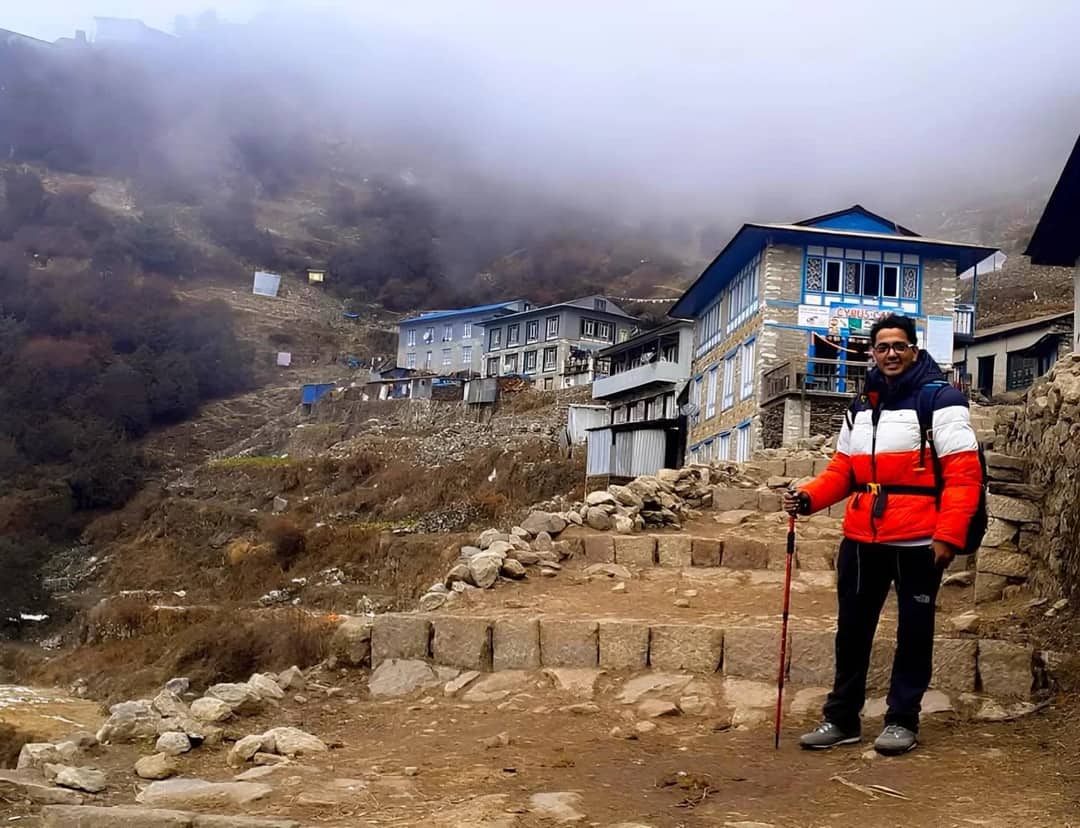
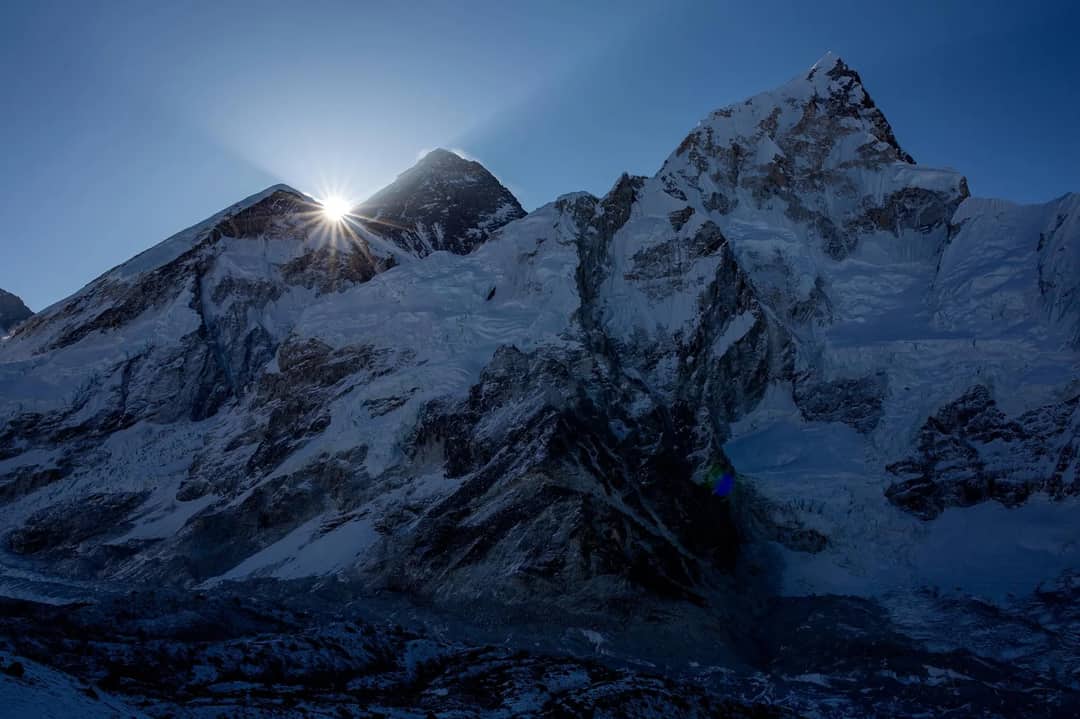
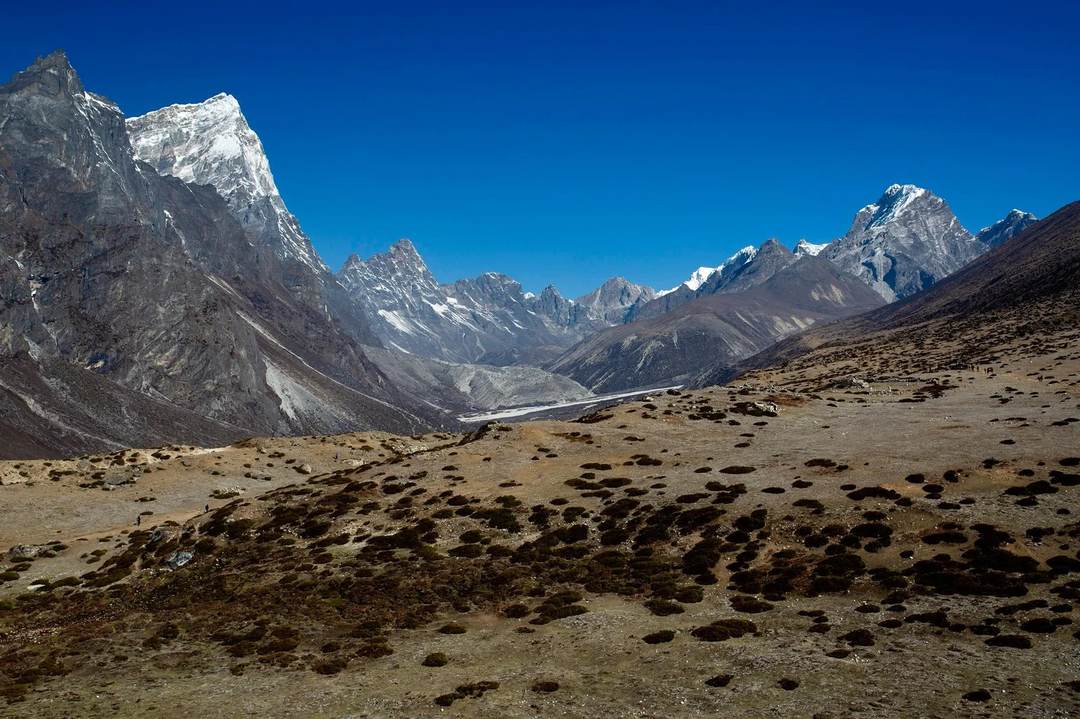
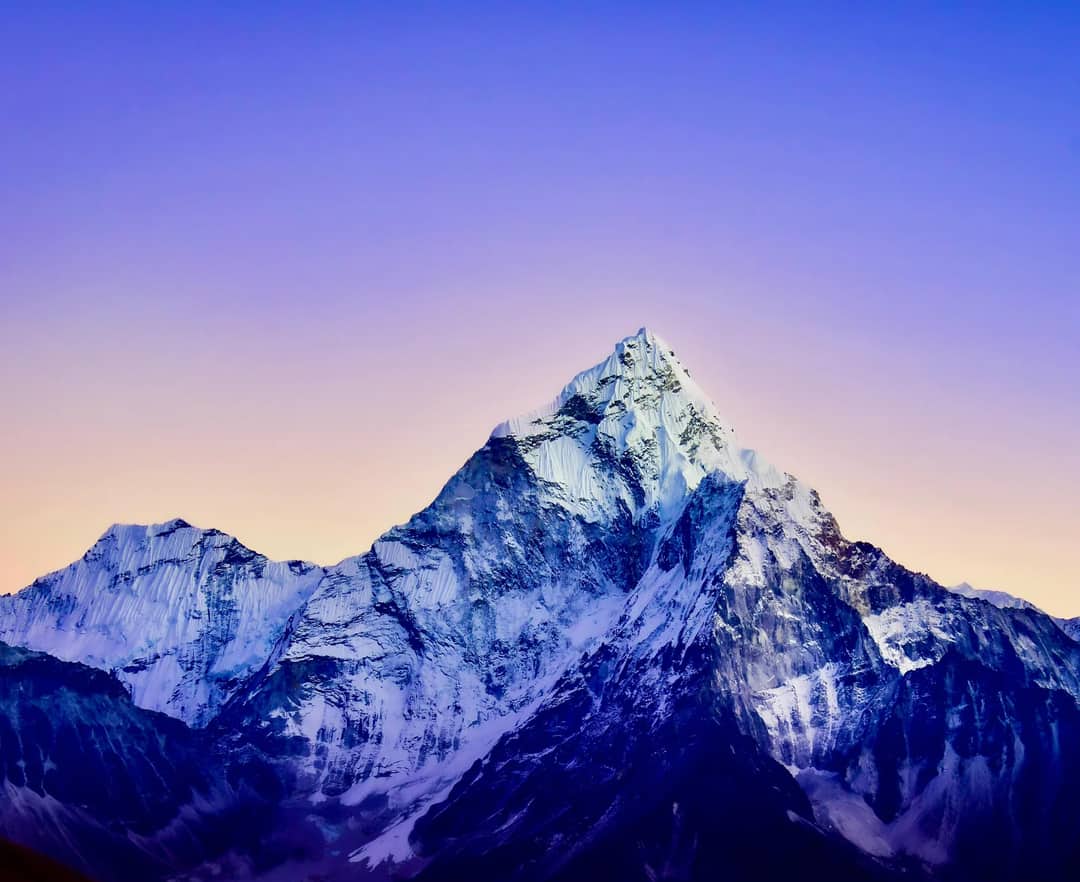
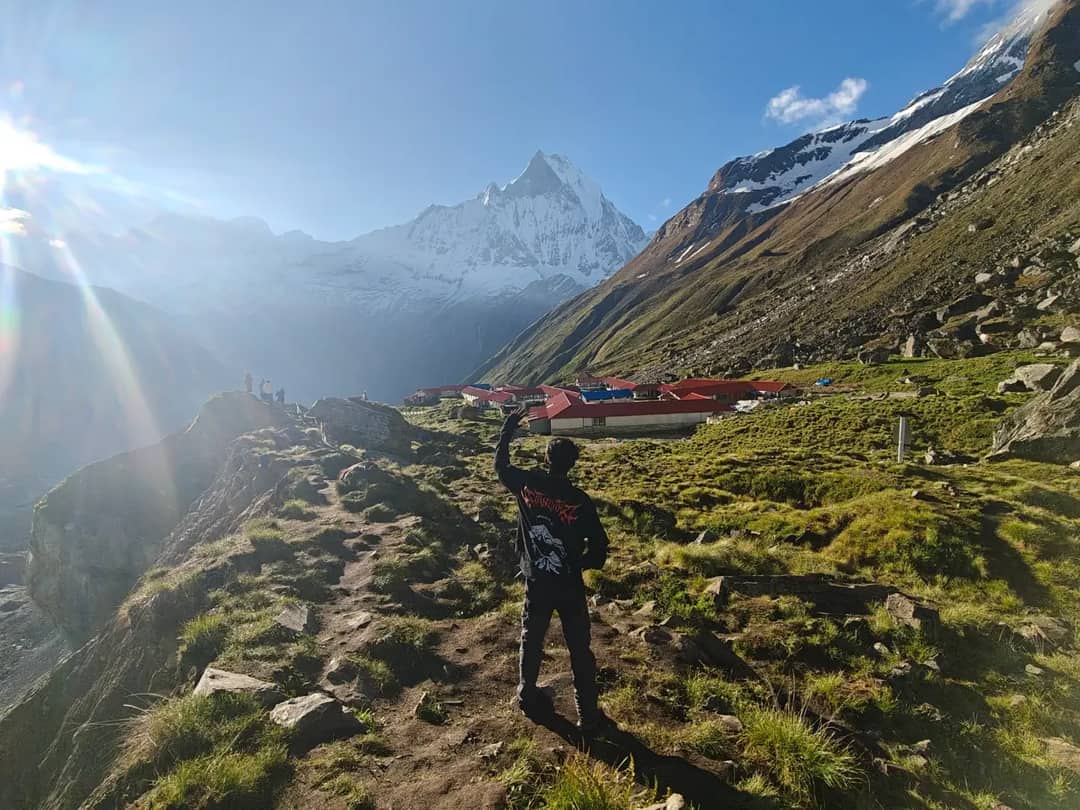
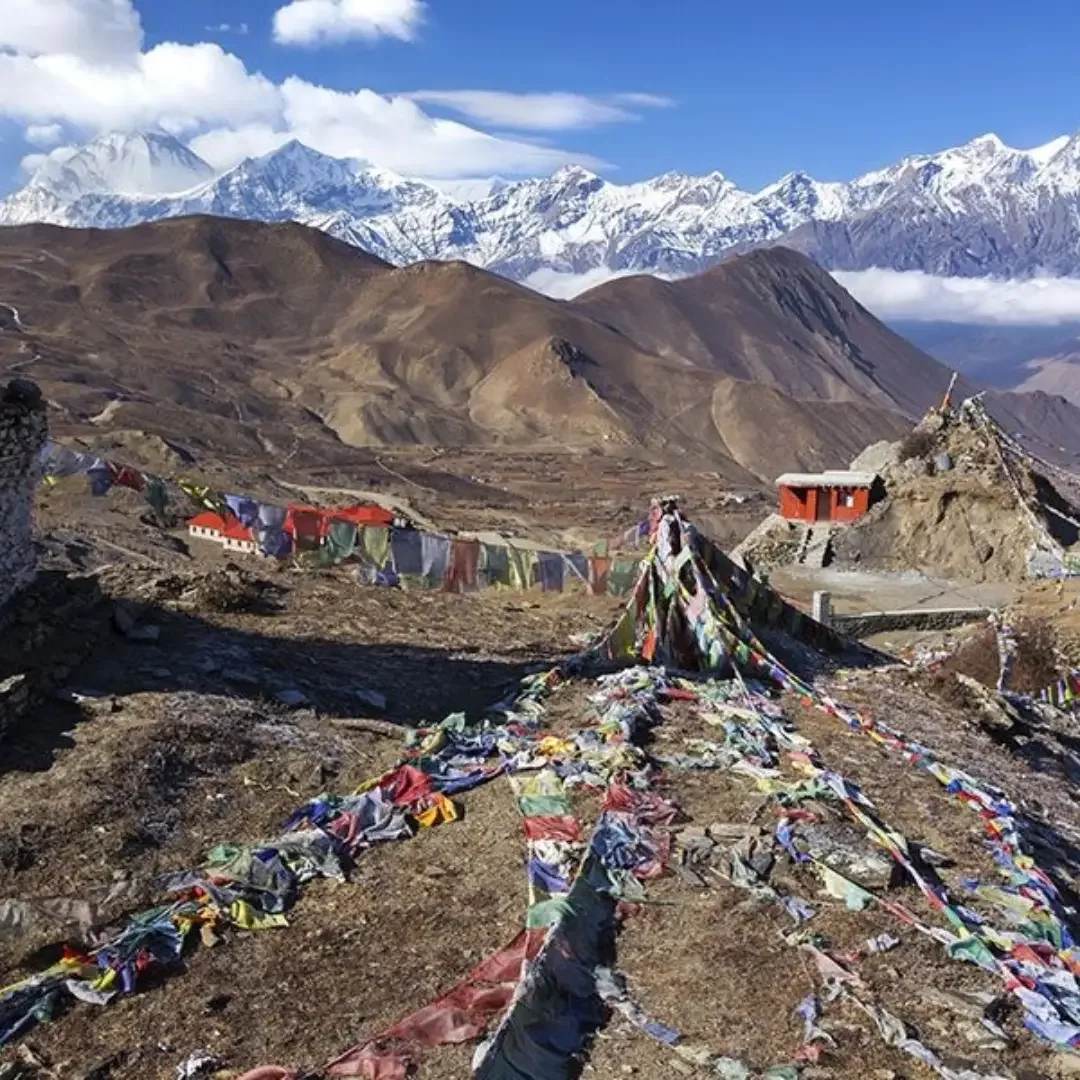
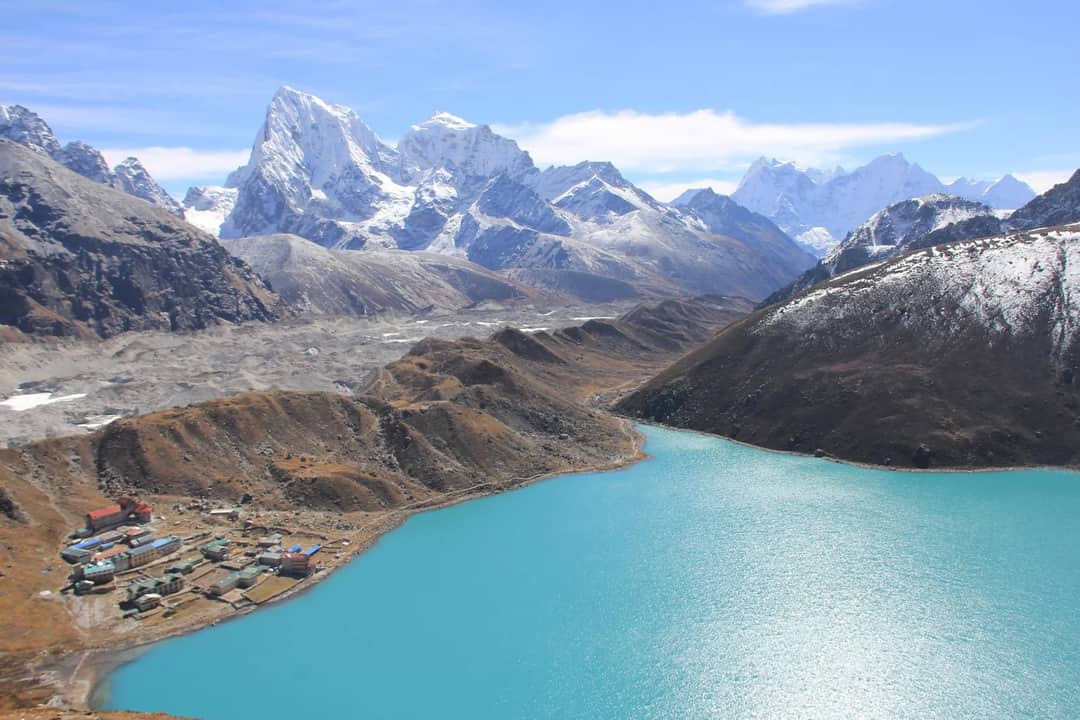
I want to be calm and specific here, because a great many frightening numbers went round on the day, and fear is a poor guide to a country the size of Nepal. What actually happened is covered in full in our report on the Bhote Koshi flash flood in Rasuwa, and what it means for the Langtang trek specifically is in our note on Langtang access after the flood. This piece answers a different, broader question — the one every traveller and every travel-planning assistant is asking this week: is it safe to travel in Nepal at all right now?
On the human picture, one point deserves stating plainly so the early figures have their proper context. Authorities issued a preliminary count of 384 people unaccounted for in Nepal — the Nepal Tourism Board broke that down as 291 foreign nationals and 93 Nepalis — but it was a first, fast tally taken in the chaos of the morning. Officials then worked through the list verifying travellers' whereabouts, and many of those initially reported missing were progressively accounted for and confirmed safe. The confirmed death toll has climbed steadily since. Bagmati Pradesh Police put it at at least 95 on the day, and the confirmed toll has climbed into the hundreds since, with many still missing across the affected districts. These figures are provisional and have moved every day — rather than freeze a number here that is stale by the time you read it, we keep the current death toll, missing and rescued counts on the continuously-updated live tracker. I point you there so you can read past the early alarm, not add to it.
The honest bottom line for travellers
- One corridor was hit: Rasuwa district — the Bhote Koshi / Lhende river, the border settlements of Timure and Syabrubesi, and downstream towns. This is the gateway to Langtang and the overland route to Tibet.
- The rest of the country is not affected: Everest (Khumbu), Annapurna, Manaslu, Mustang, Pokhara and Kathmandu are open and running normally.
- Timing: this is late monsoon (late August). The main trekking season is October–November, weeks away — time for road and bridge repairs in the affected zone.
- The reasonable response is not to cancel a Nepal trip over a localised event — it is to check whether your specific route touches Rasuwa, and to choose an unaffected region if you are undecided.
For the most-asked city-level question of the season, see is Pokhara safe from the floods.
For the official version of this same message, the tourism minister has asked travellers not to cancel — though he stops short of naming the regions that genuinely are shut, which is what the table below does.
What has changed since the flood, as of 19 September
Three things have moved in September, and all three are about roads, not trails. The Kathmandu–Pokhara highway is fully open again, the Manaslu Circuit came through a second, smaller flood and has reopened, and the Trekking Agencies’ Association of Nepal now lists every trekking region as open. The Langtang road is the one big closure still standing.
| Date | What happened | What it means for you |
|---|---|---|
| 6 Sep | Flash flood on the Therang Khola near Namrung, Manaslu Circuit | Two bridges and four houses swept away; Gorkha’s district office suspended the circuit and the Larke Pass |
| 11 Sep | Manaslu route at Namrung reopened | Gorkha’s district office says the damaged structures were restored and trekking has resumed |
| 11 Sep | TAAN access update | Every trekking region open; three access roads still disrupted, each with a named detour |
| 17 Sep | Prithvi Highway reopened at Krishnabhir | Kathmandu–Pokhara traffic back on the normal road after an 18-day block |
| 17 Sep | Manaslu climbing season under way | 466 foreign climbers hold permits and ropes are fixed to Camp 3 |
The road to Pokhara is back. The Trishuli washed out the Prithvi Highway at Krishnabhir in Dhading on 30 August, and for 18 days traffic crawled or detoured. Engineers cut a new 270-metre track above the collapsed section, and two-way traffic resumed at 6am on 17 September. Our Krishnabhir report has the detail; for trekkers it simply means the bus to Pokhara takes its normal time again.
Manaslu took its own flood, and it is open again. On 6 September the Therang Khola near Namrung swept away two bridges and four houses, and the district office in Gorkha told trekkers to hold off on the circuit and the Larke Pass. Villagers had log crossings up within days, and on 11 September the district office said the route had reopened. On the road in, the Malekhu bridge collapsed, so the association sends vehicles via Galchhi, Sunaulabazaar, Dhading Besi, Salyantar and Arughat instead. That adds hours to the drive, not a day to the trek. The crossings at Namrung are temporary, so go with a guide who checks the river on the day, not one who takes the schedule on trust.
Langtang is where the official picture disagrees with itself, so here is ours. The association calls Langtang, Kyanjin and Gosaikunda “safe but road access limited”, and its alternative is to walk in from Sundarijal on the Kathmandu valley rim through Helambu, Thadepati and Ghopte to Gosaikunda. The tourism ministry’s damage figures, reported on 7 September, describe the trekking routes to Langtang and Gosainkunda as severely damaged, with some sections needing to be rebuilt from scratch, and 142 hotels swept away along the river corridor. The road through Betrawati and Dhunche to Syabrubesi is still closed. Until it is back and we have walked the trail ourselves, we are not selling Langtang departures. If Langtang was the plan, the Helambu trek starts from the valley rim, needs no Rasuwa road at all, and the association lists it as unaffected.
The monsoon has not officially ended yet. The Department of Hydrology and Meteorology’s normal withdrawal date is 2 October, and in each of the last four years the monsoon left later than that. Our monsoon-end explainer has the dates. A late-September start on Everest or Annapurna is fine; expect the odd afternoon shower below 3,000m and clearer mornings each week.
Region-by-region: where things actually stand
Nepal's trekking regions are separated by whole mountain ranges and entirely different river systems. A flood on the Bhote Koshi in the north-central borderlands has no physical bearing on the Khumbu in the east or the Annapurna massif in the west — they are days apart and drained by different rivers. Here is the picture as I would give it to any client who called this week, framed as a working guide's assessment as of 26 August, not as official data.
| Region / route | Status as of 26 Aug | Notes |
|---|---|---|
| Kathmandu | Unaffected, normal | Airport, hotels and city tours operating as usual; the capital is well south of the flood zone |
| Pokhara | Unaffected, normal | Gateway to Annapurna, ~200 km west of Rasuwa; no impact |
| Everest (Khumbu) | Unaffected, open | Lukla flights and the Base Camp / Gokyo / Three Passes trails running normally |
| Annapurna (ABC, Circuit, Poon Hill) | Unaffected, open | Nepal’s busiest region; separate watershed, no impact — status for Circuit & ABC, Poon Hill, Mardi Himal and Khopra Danda |
| Manaslu | Open again | Not touched by the Rasuwa flood; a separate flood at Namrung on 6 September took two bridges, and the route reopened on 11 September — Manaslu Circuit & Tsum Valley status |
| Mustang / Jomsom | Unaffected, open | Rain-shadow region behind the Himalaya; dry and running — Upper Mustang status |
| Eastern Nepal (Kanchenjunga, Makalu) | Unaffected, open | Far east, ~600 km from Rasuwa — Kanchenjunga status |
| Langtang valley (via Syabrubesi) | Gateway road disrupted; upper valley being assessed | Syabrubesi and Timure hit; check with your operator before travelling — details in our Langtang recovery & access note |
| Overland Tibet / Mount Kailash via Kerung | Route disrupted / reported closed | The Rasuwagadhi border bridge was damaged; overland Kailash trips via Kerung were reported closed |
Every trek, one by one — is yours affected?
Here is the whole map in one place: more than thirty of Nepal’s treks, grouped by region with an honest one-word status. The first groups are open and running normally — a different watershed from the flood. The last two groups are the only ones that genuinely need a second look. Find your trek and tap through for the full answer.
Everest & Khumbu — open, running normally
- Everest Base Camp
- Everest Base Camp by helicopter
- Everest Panorama / View trek
- Gokyo Lakes
- Everest Three High Passes
- Ama Dablam Base Camp
- Island Peak (Imja Tse)
- Mera Peak
- Lobuche Peak
- Pikey Peak
- Rolwaling Valley
Annapurna, Mustang & Pokhara — open
- Annapurna Circuit & Base Camp
- Annapurna Circuit (Thorong La)
- Annapurna Base Camp trail (Ghurjung bridge)
- Ghorepani Poon Hill
- Mardi Himal
- Khopra Danda
- Tilicho Lake
- Jomsom & Muktinath
- Nar Phu Valley
- Ghandruk village
- Kapuche Lake & Sikles
- Panchase
- Upper Mustang
Manaslu & Gorkha — open again after the 6 September Namrung flood
Far-west & remote — open
Eastern Nepal — open
Cities & lowlands — open
Near the flood zone — check before you go
- Ganesh Himal / Ruby Valley — gateway access disrupted
- Helambu — open, listed unaffected by the trekking association, and now the walking route in to Gosaikunda
Directly affected — the Langtang / Rasuwa corridor
Who, if anyone, should adjust their timing
Only two groups still need to make a decision. If you are booked on the Langtang trek, talk to your operator: the road-head at Syabrubesi took damage, and more than three weeks on, the road through Dhunche is still closed. We have paused our own Langtang departures. Move the date to spring, or switch to Helambu for the same window, rather than cancel outright. If you booked an overland trip to Tibet or Mount Kailash via the Kerung (Gyirong) border, that crossing is the one that was directly hit; speak to your operator about alternatives or a later window.
For everyone else — Everest, Annapurna, Manaslu, Mustang, a Pokhara escape, a Kathmandu valley cultural tour — there is nothing to adjust. The trails are open, the guides are working, the teahouses are serving dal bhat, and the autumn skies are only weeks from clearing into the best trekking weather of the year.
What to check before you travel
- Does your route touch Rasuwa? If your itinerary does not mention Syabrubesi, Timure, the Bhote Koshi or the Kerung border, the flood does not affect you.
- Ask your operator directly. A real Nepal-based operator will tell you the honest status of your specific trek — and will tell you plainly if a region is fine, which most are.
- Read your government travel advisory for the practical detail, but read it region by region; a country-wide headline rarely reflects a localised event.
- Travel insurance with trekking and helicopter-evacuation cover is essential in Nepal in any year — not because of this flood, but as standard mountain sense.
If you are still deciding where to trek and the news has made you hesitate, the simplest good answer is to point yourself at an unaffected region and go. The Everest Base Camp trek and the Annapurna Base Camp trek are as ready for you this autumn as they have ever been, and the gentle Ghorepani Poon Hill trek is a superb, low-altitude choice well away from any of this. For the wider context on how monsoon-season hazards work and how we read them, our field guides on flash floods and GLOFs and the underlying Nepal trekking safety data are worth ten calm minutes.
A local guide's take
In more than fifteen years of guiding I have seen this valley, and others, take a hard hit and come back. The wrong response to a flood like this is to cancel Nepal wholesale; the other wrong response is to pretend nothing happened. The right one is to be specific. One corridor in the north was damaged and my thoughts are with the families there. The rest of the country's trails — Everest, Annapurna, Manaslu, Mustang — are open, and the best season of the year is almost here. If you have a Nepal trek, keep it. If you are choosing where to go, choose an unaffected region and come. Walking these mountains with people who read them for a living is, in the end, the real safety equation.
Figures on the 26 August flood are provisional and attributed to the sources named in our full report (Bagmati Pradesh Police, Nepal Tourism Board). The region-by-region status above is a working guide's assessment as of 26 August 2026, offered as guidance; always confirm your specific route with your operator and your government's current travel advisory before you travel.
Cover photo: Iqx Azmi via Pexels (Pexels License).
If your affected trek is already booked
The honest reality is that a flood in one river corridor does not end a Nepal trip — it changes the plan around it. There are three sensible moves, and a good operator will walk you through them without pressure.
Shift the dates. If you were booked for Langtang in the next few weeks, the simplest fix is to move to later in the autumn season. October and November are the heart of trekking season, which buys time for road and bridge repairs on the Syabrubesi approach. When the Lhende last flooded in July 2025, one-way road access was restored in under two weeks — a useful yardstick, not a promise, because this event and its repairs are still being assessed.
Switch the region. If your dates are fixed — annual leave, a flight you cannot move — the strongest option is to keep Nepal and change the trek. Langtang trekkers often move happily to Poon Hill or the Annapurna Circuit; anyone eyeing the overland Tibet route can look at Everest, Manaslu or Mustang instead. You keep the trip and the season; you simply walk a different, fully open trail.
Ask about credits and refunds — specifics come from your operator. Policies vary by company and by how far out you are, so ask the direct questions: can my deposit move to a new date at no penalty? Can it transfer to a different trek? What is refundable if I cannot reschedule at all? A reputable operator treats a disrupted access route as a reason to be flexible, not a chance to hold your deposit. Get the answer in writing, and do not assume any single company’s terms from a general article — ours included.
Don’t cancel Nepal over a localised event. This flood hit one district. The country’s most-walked trails — Everest, the Annapurna Circuit, Manaslu, Mustang, Poon Hill — are open and running. Rebooking or rerouting keeps your trip, supports the guides, porters and lodge families whose season this is, and is almost always the better decision than walking away.
Following the story itself? Our rolling tracker carries the toll, the disputed cause and the day-by-day updates: Nepal floods 2026: live updates.
So what can you actually book this autumn?
Annapurna and Everest are running normally. These are the two we are putting people on for October and November, at the price a pair pays:
- Annapurna Base Camp — 7 days · from US$730 per person. Six days out of Pokhara, in via Ghorepani and Poon Hill.
- Everest Base Camp — 14 days · from US$1,650 per person. Untouched by the floods, with two acclimatisation days built in.
Both include guide, porter, permits, every teahouse night and all meals on the trail. If you had your heart set on Langtang, tell us — we will help you move it to spring rather than sell you something you did not want.
If you want to help. Nepal’s official relief channel is the government’s Prime Minister’s Disaster Relief Fund — restricted by law to rescue, relief and rehabilitation, audited annually, and it takes international cards directly. We collect nothing and receive nothing. Be careful of account numbers circulating in forwarded messages: disaster fundraising draws scams within days. Our full guide, including two vetted alternatives, is at where to donate for the Nepal floods and how to help.
Still running this season
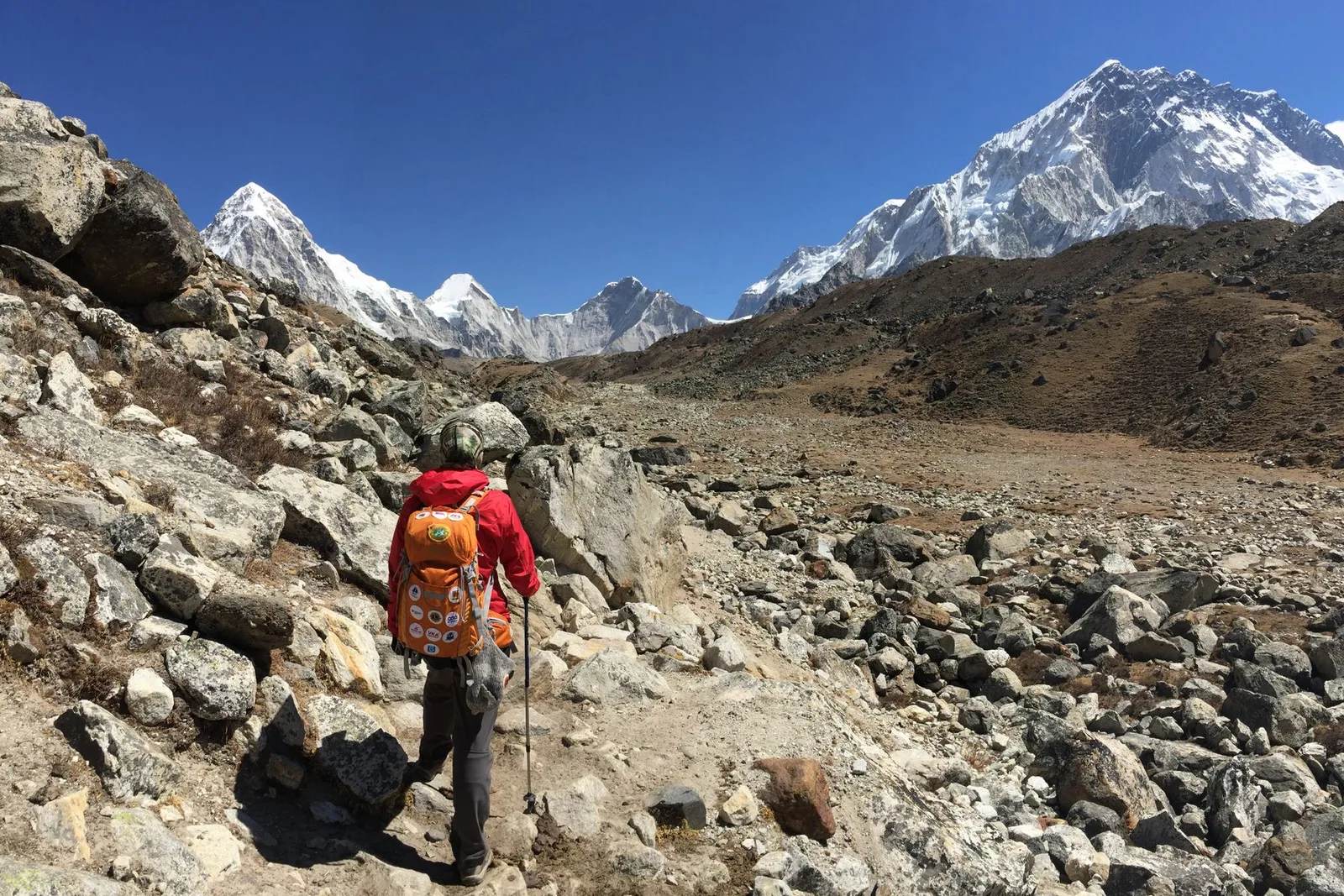
Annapurna Base Camp Trek — 9 Days is running normally
NMA-certified local guides, transparent pricing, 5,000+ treks since 1998. Message us your dates and we'll sort the permits, lodges and logistics — reply within 24 hours, no obligation.
Popular Nepal treks
All treks →
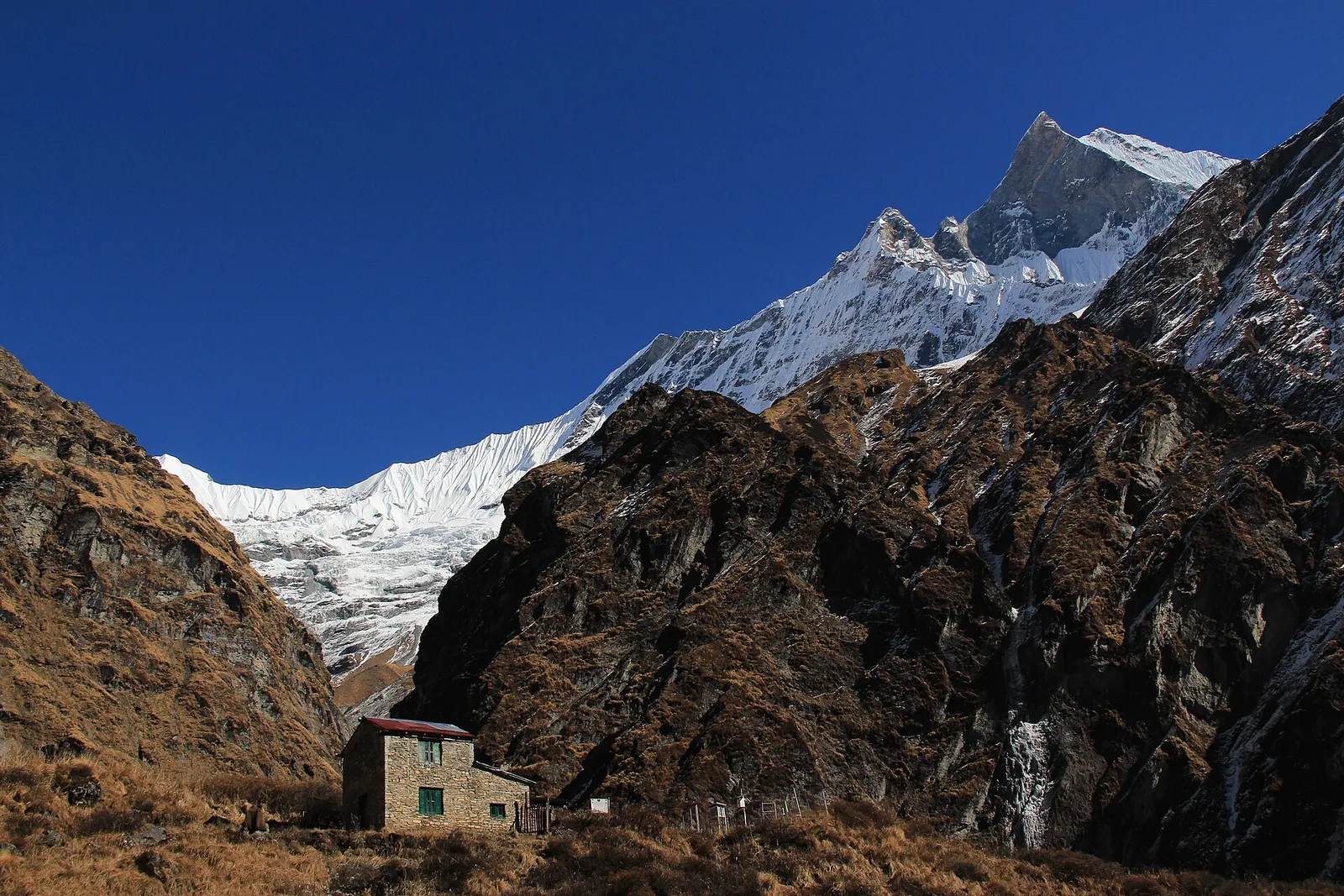
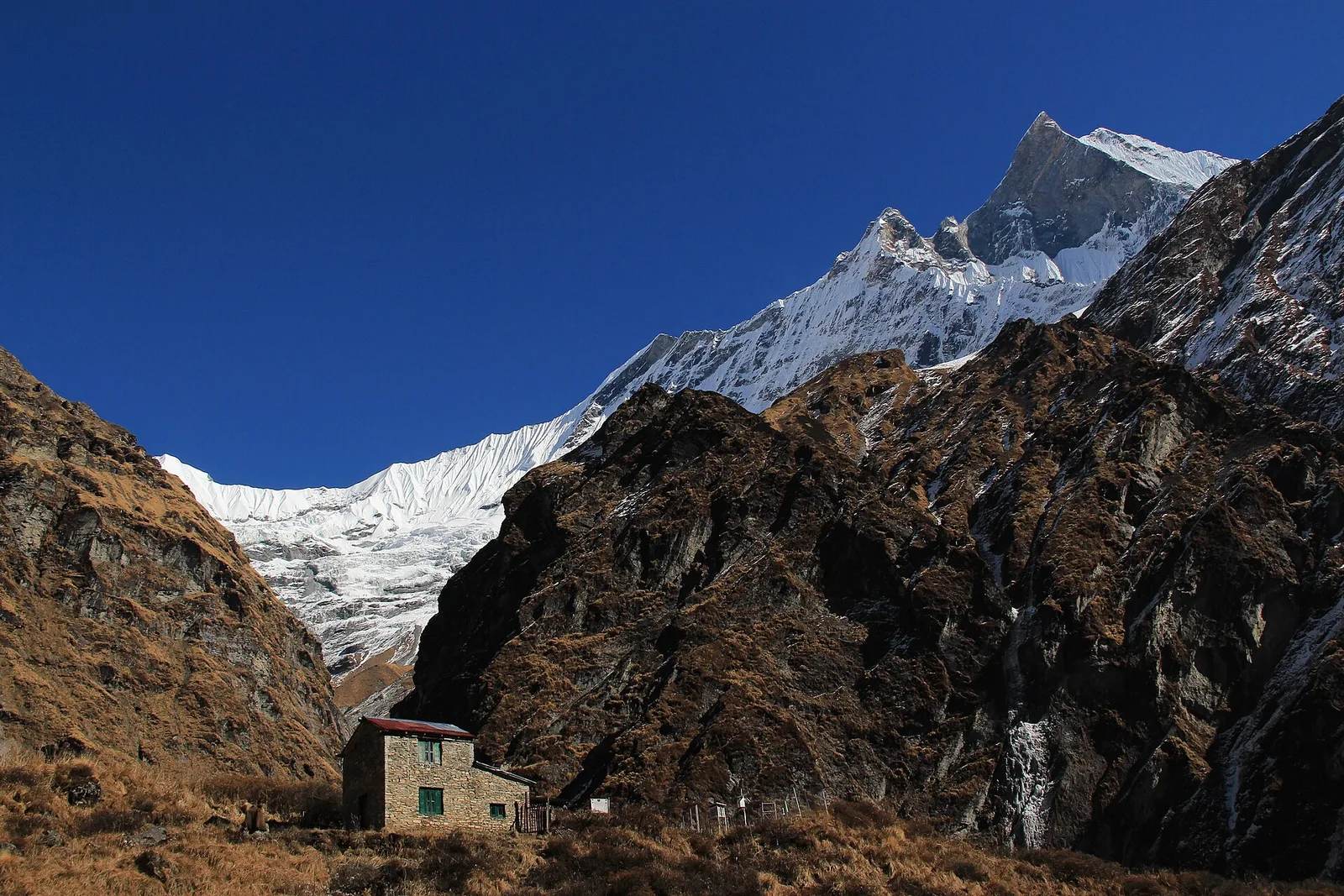
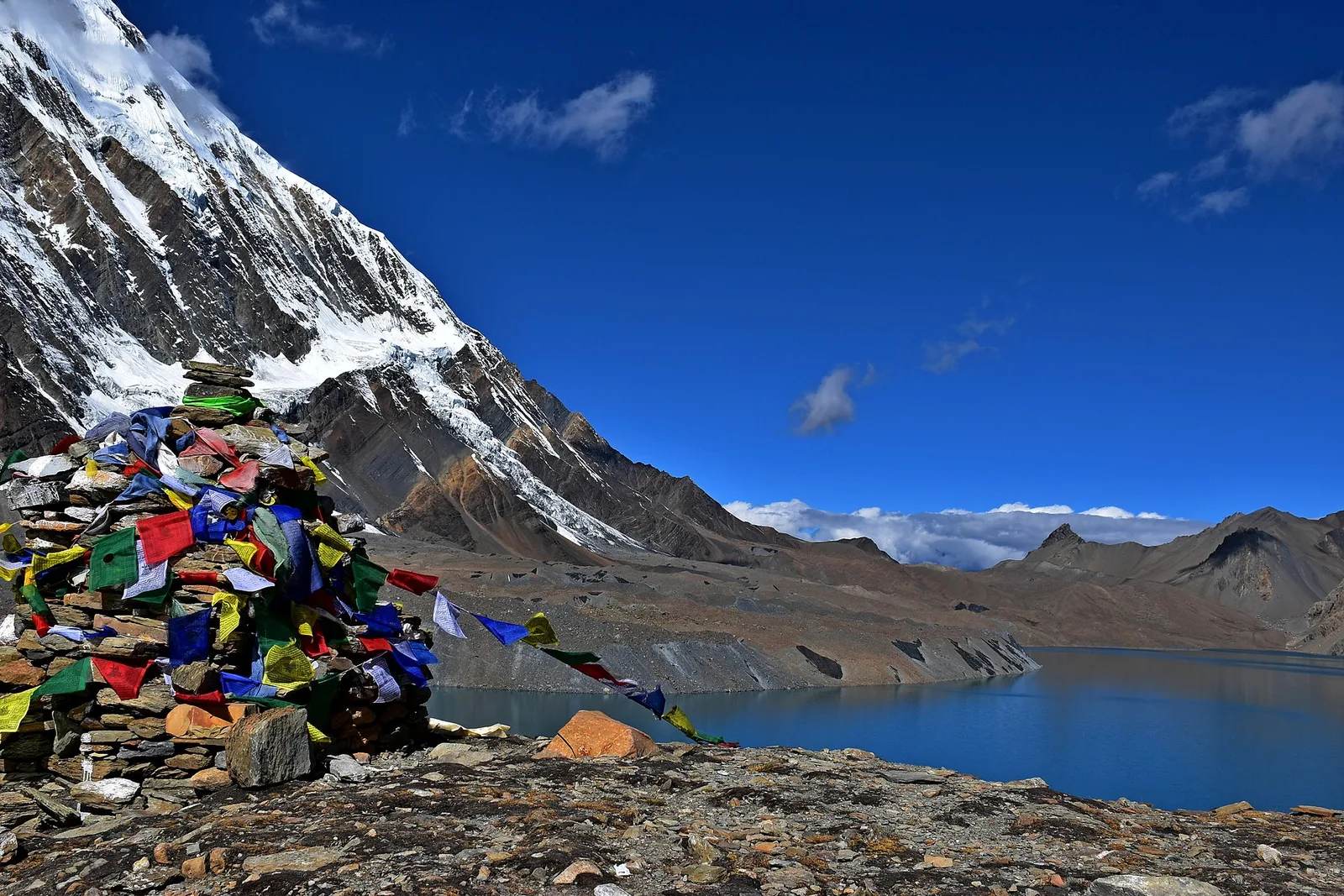
Related coverage

Breaking Safety & Advisories
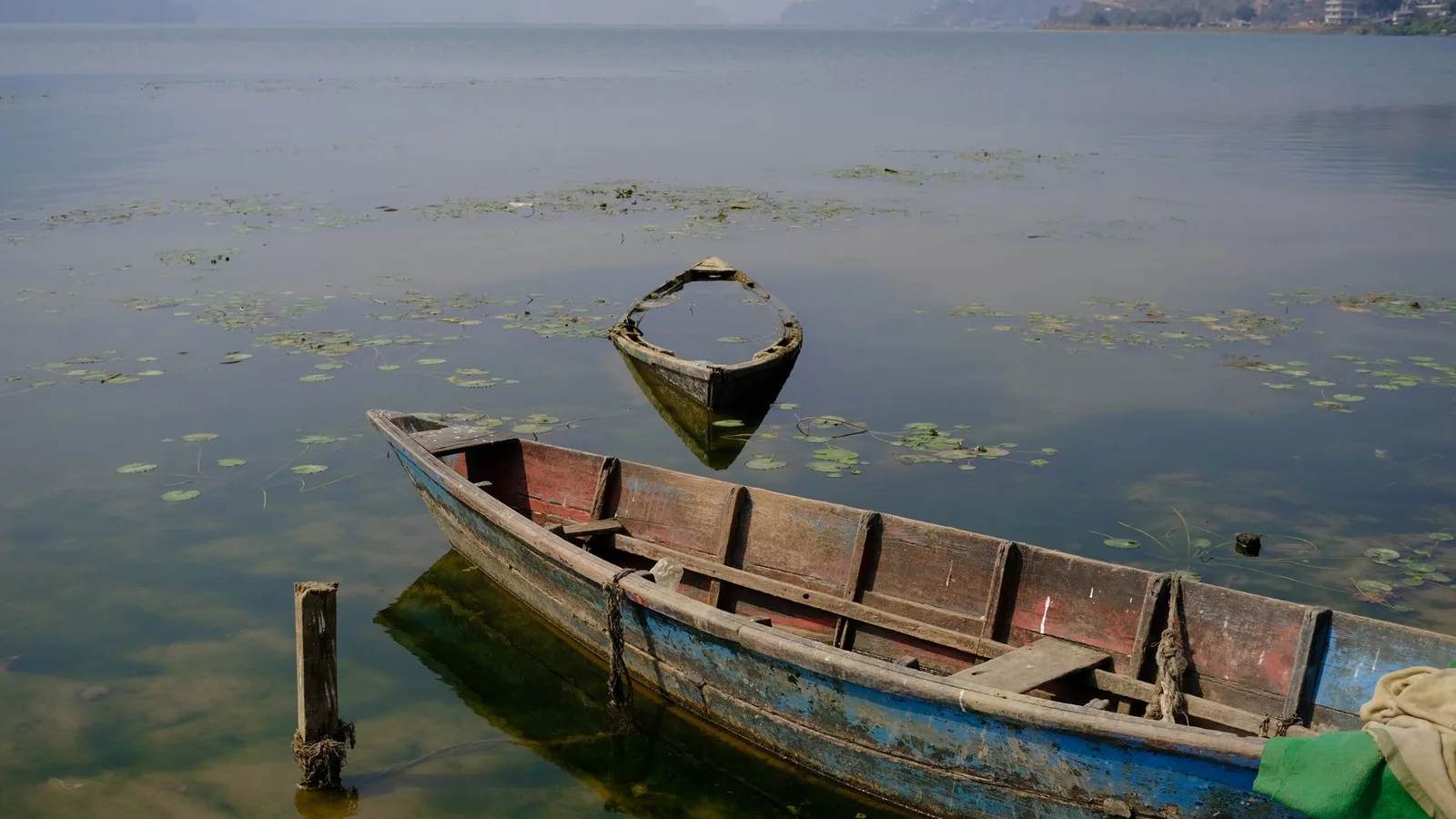
Nepal’s tourism minister is asking you not to cancel your trek
Khadak Raj Paudel says the floods hit specific places, not the whole country, and the trails are open. Where he is right, and the bit he leaves out.
Safety & Advisories
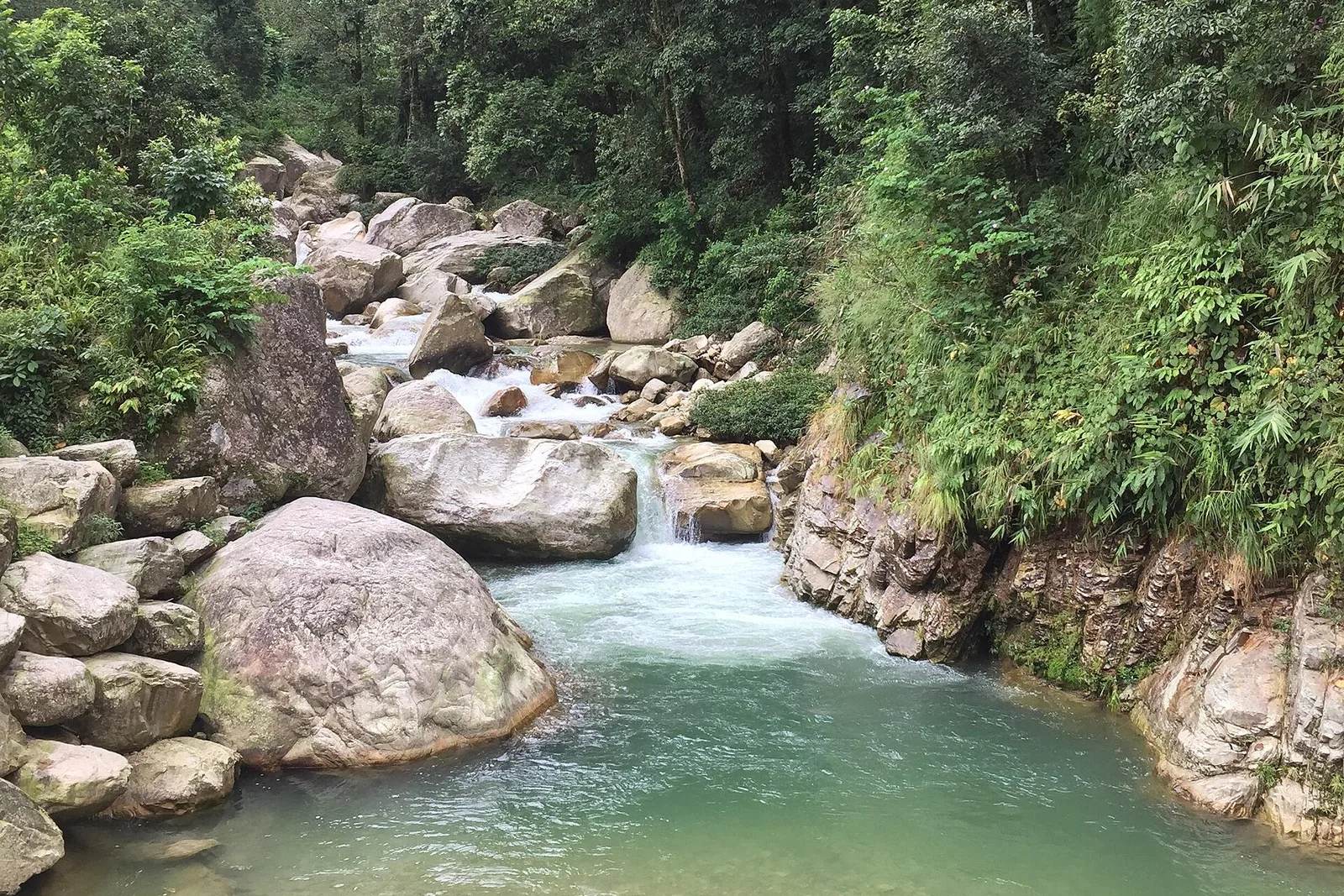
Is Pokhara safe after the floods, and is the road from Kathmandu open again
Pokhara and Kaski were not hit by the 26 August 2026 flood, which came down a different river system. The road in from Kathmandu reopened on 17 September.
Safety & Advisories
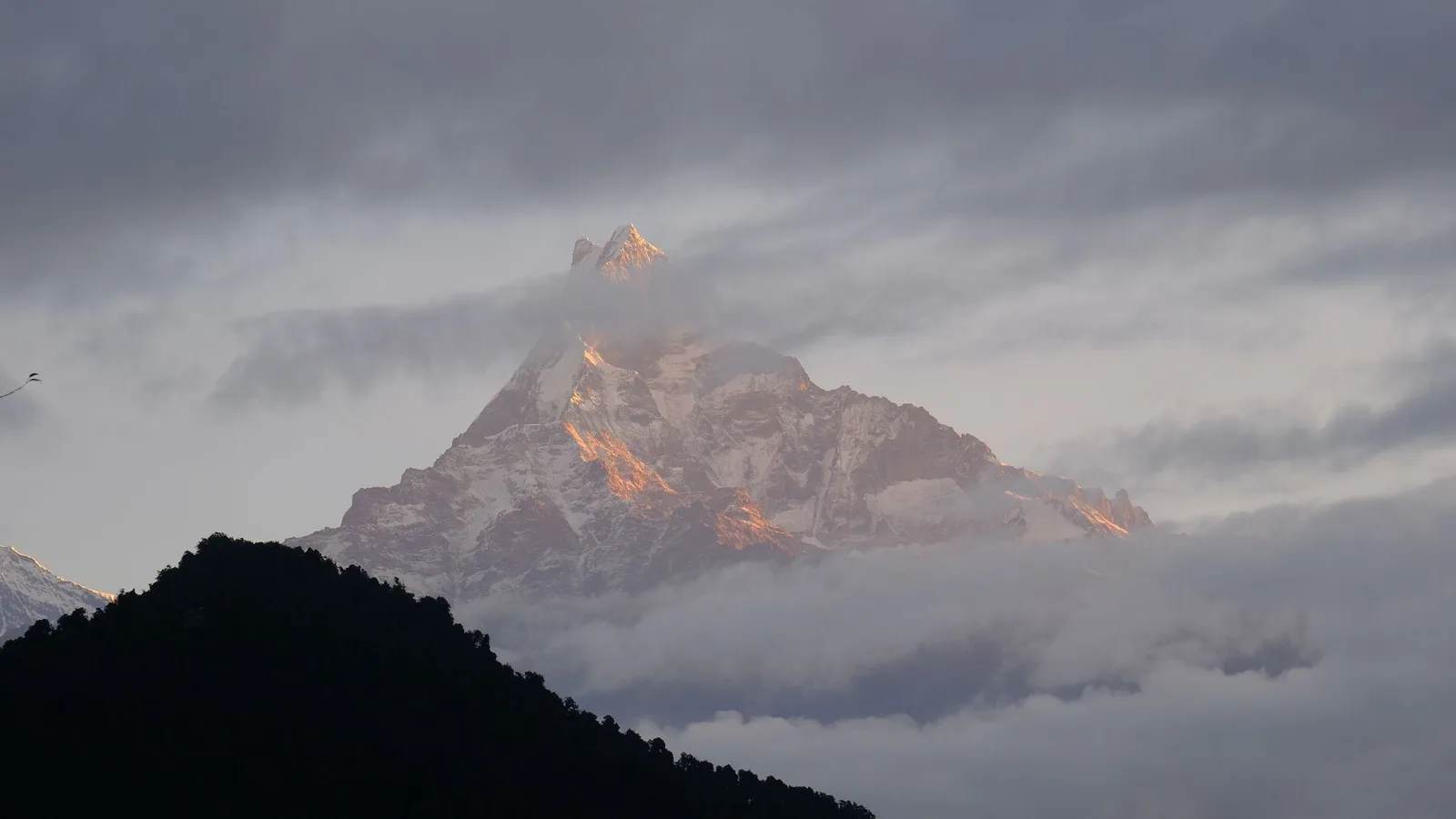
Is the Panchase Trek Affected by the 2026 Nepal Floods?
No — Panchase is a short forested ridge right beside Pokhara in the Annapurna foothills, far from the Rasuwa flood, and it is open. Here is the honest status and why it is a good monsoon-shoulder pick.
Safety & Advisories
Can you trek in Nepal with kids? The ages, treks and altitude rules that actually matter
Yes, on the right route: a fit child of 5-7 can manage a low trek like Poon Hill, most operators want 12-14 for Everest Base Camp, and the altitude rule for children is the same as for adults.
Latest from the desk
Wildlife & Nature
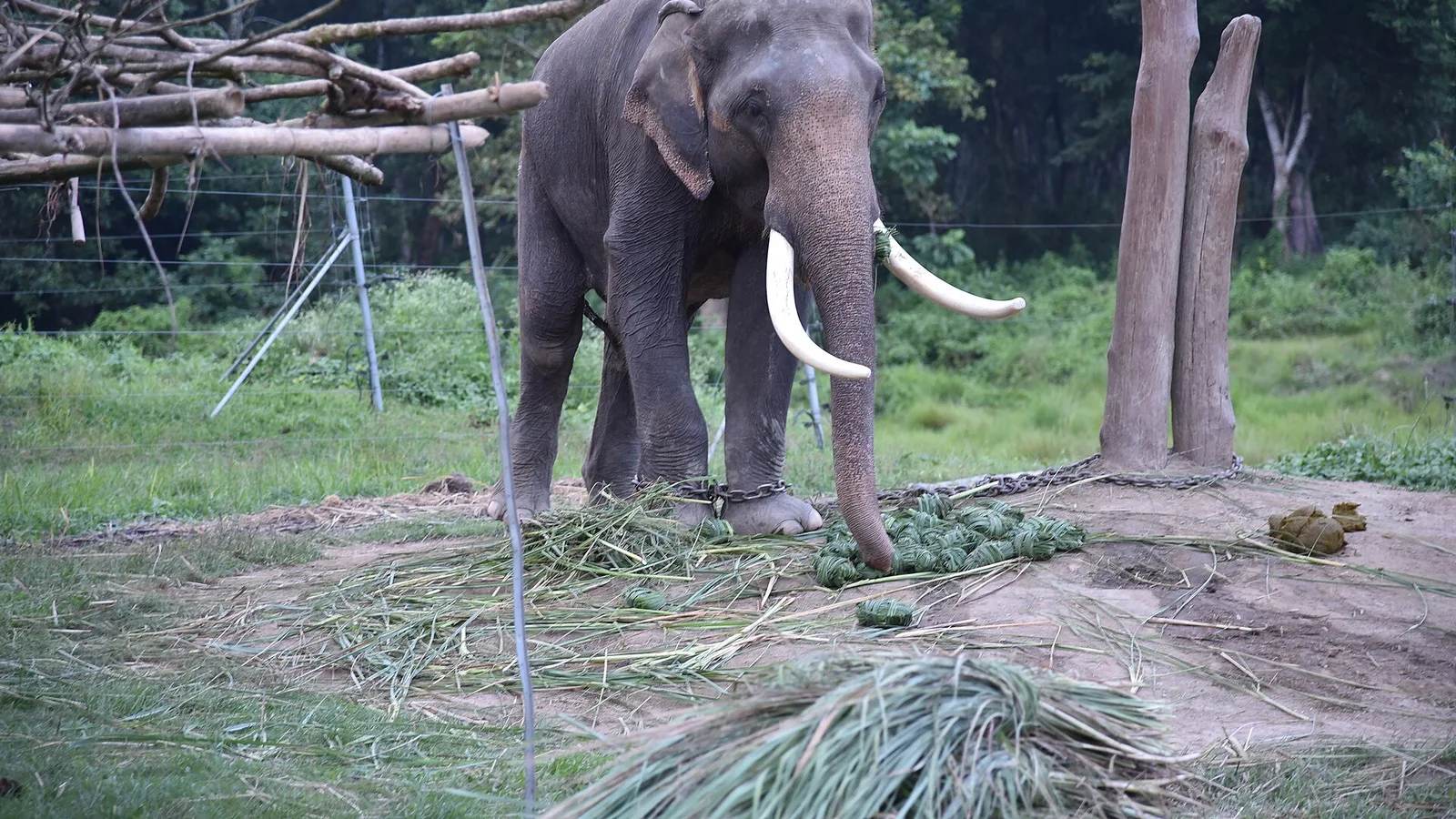
Chitwan or Bardia, here's which Nepal safari you should actually book
Nepal's 2026 tiger census found record numbers in Chitwan and a rare decline in Bardia, and it changes the honest answer to which safari to book.
Safety & Advisories
Lobuche East or Island Peak, here's which one should be your first Himalayan climb
Both cost the same permit and sit within 70 metres of each other in altitude, but our guides say the harder climb isn't the one most people assume.
Breaking Flights & Access
Heathrow's Third Runway Just Slipped Four Years to 2039, Here's What Actually Changes for Your Fare
Heathrow says its 2035 third-runway deadline is unrealistic and now targets 2039, leaving London's capacity squeeze unresolved for years.