
Kit our guides carry
What to buy, what to rent,and what to leave at home
We have guided in Nepal since 1998 and we watch the same kit fail in the same places every season. This is the list we give our own clients — including the expensive things we think you should rent in Thamel instead of buying, which earn us nothing.
109 things we would actually put on a trail, across 47 categories — and 9 we tell you to rent or skip.
Start with your trek
Kit is not general. A four-day walk in the Annapurnas and three weeks at altitude need different things, and half of what gets recommended online is for neither. Pick the route you are walking and we will show you the list we hand our own clients for it.
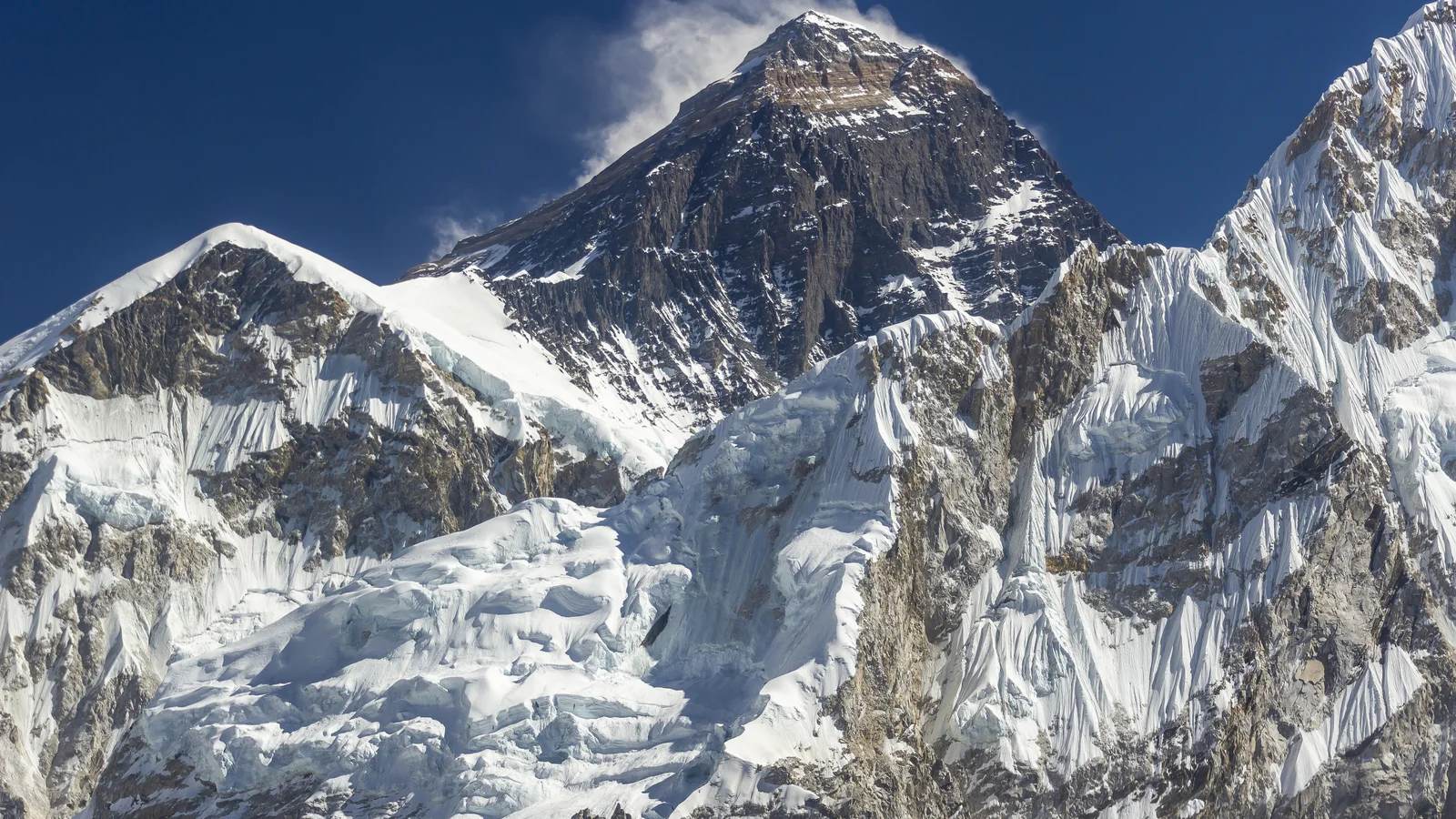 27 items
Everest Base Camp Trek — 15 Days
See the kit list
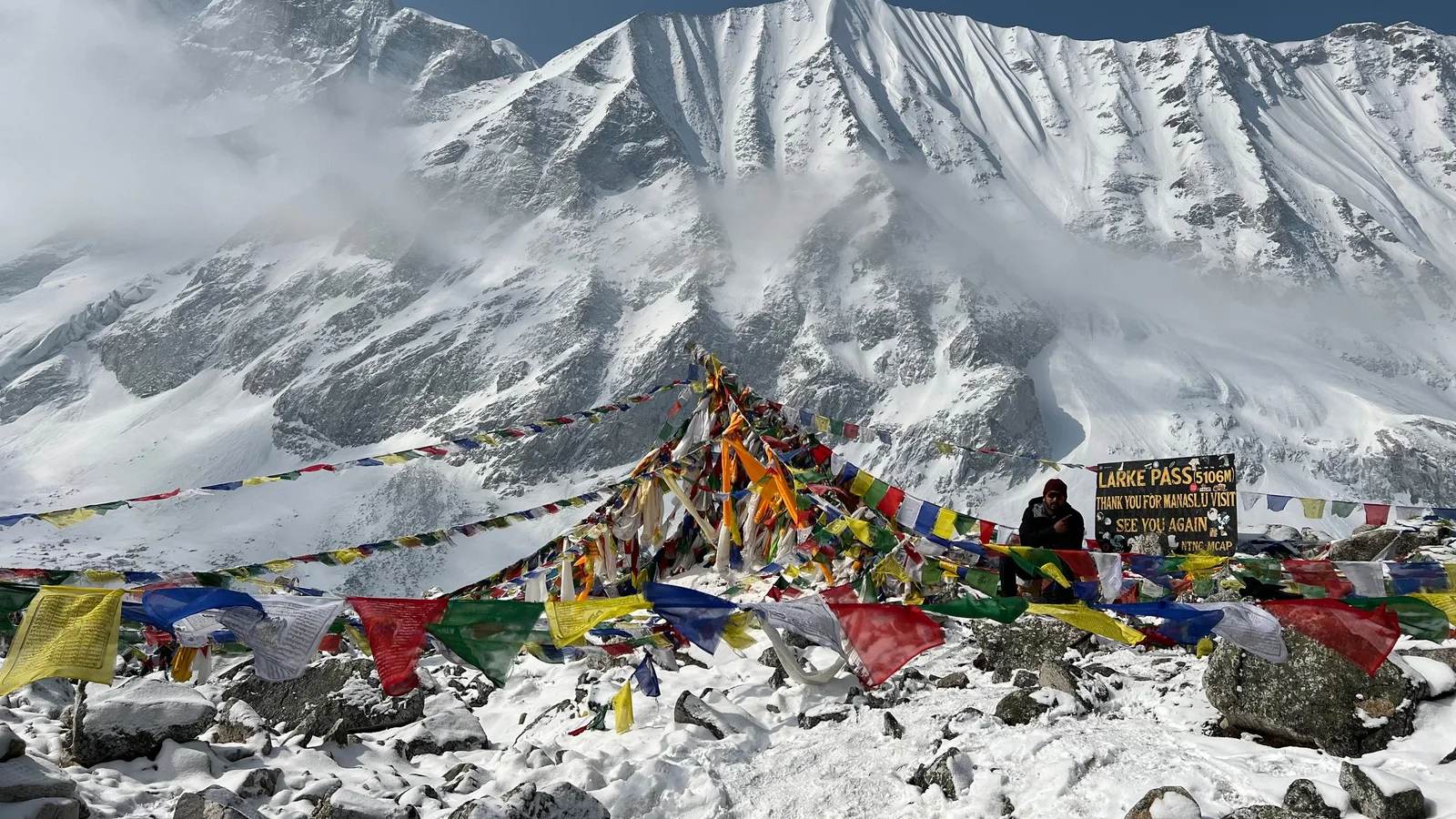 21 items
Annapurna Circuit Trek — 14 Days
See the kit list
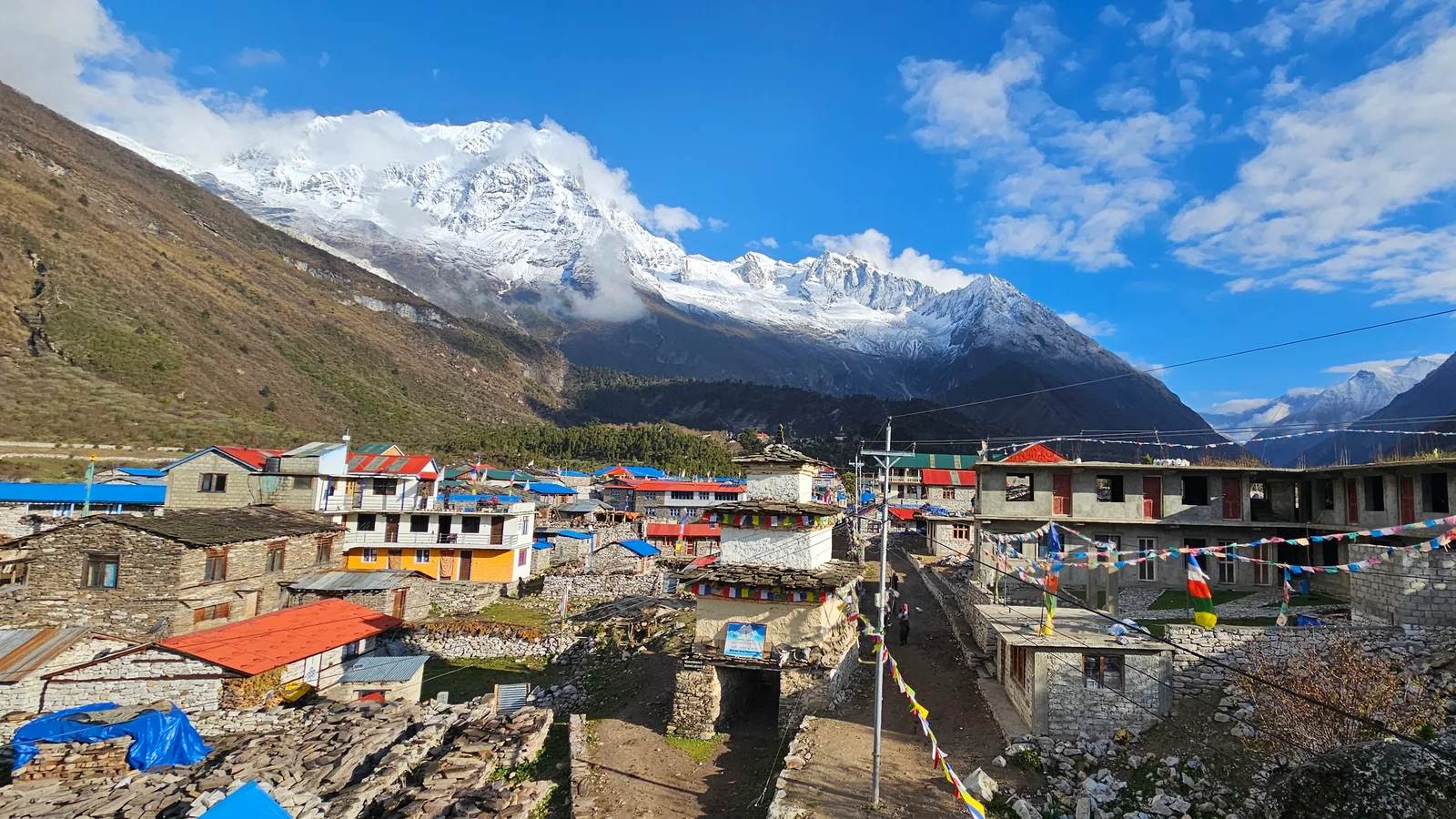 13 items
Manaslu Circuit Trek — 16 Days
See the kit list
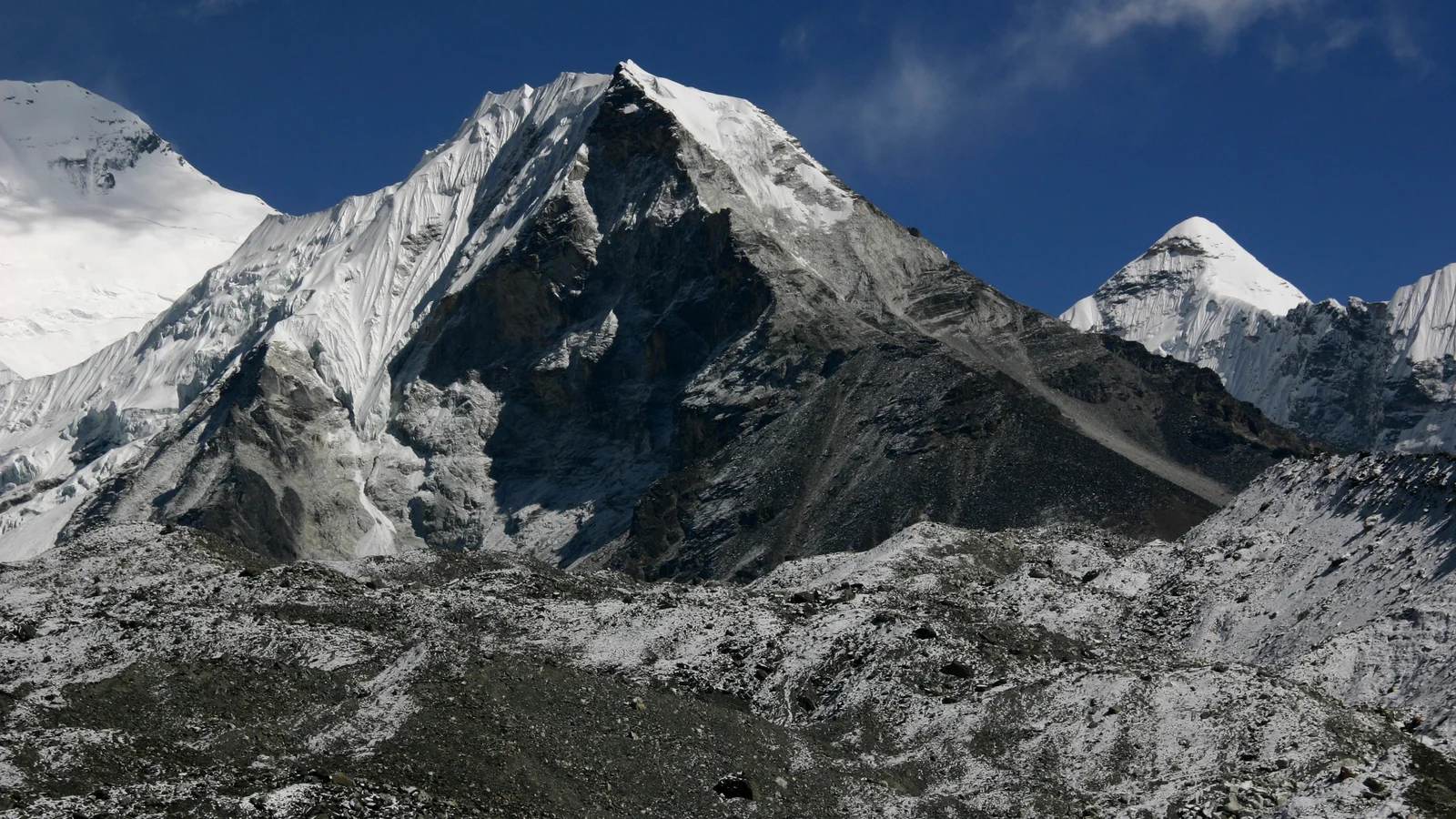 11 items
Island Peak Climbing — 14 Days
See the kit list
 9 items
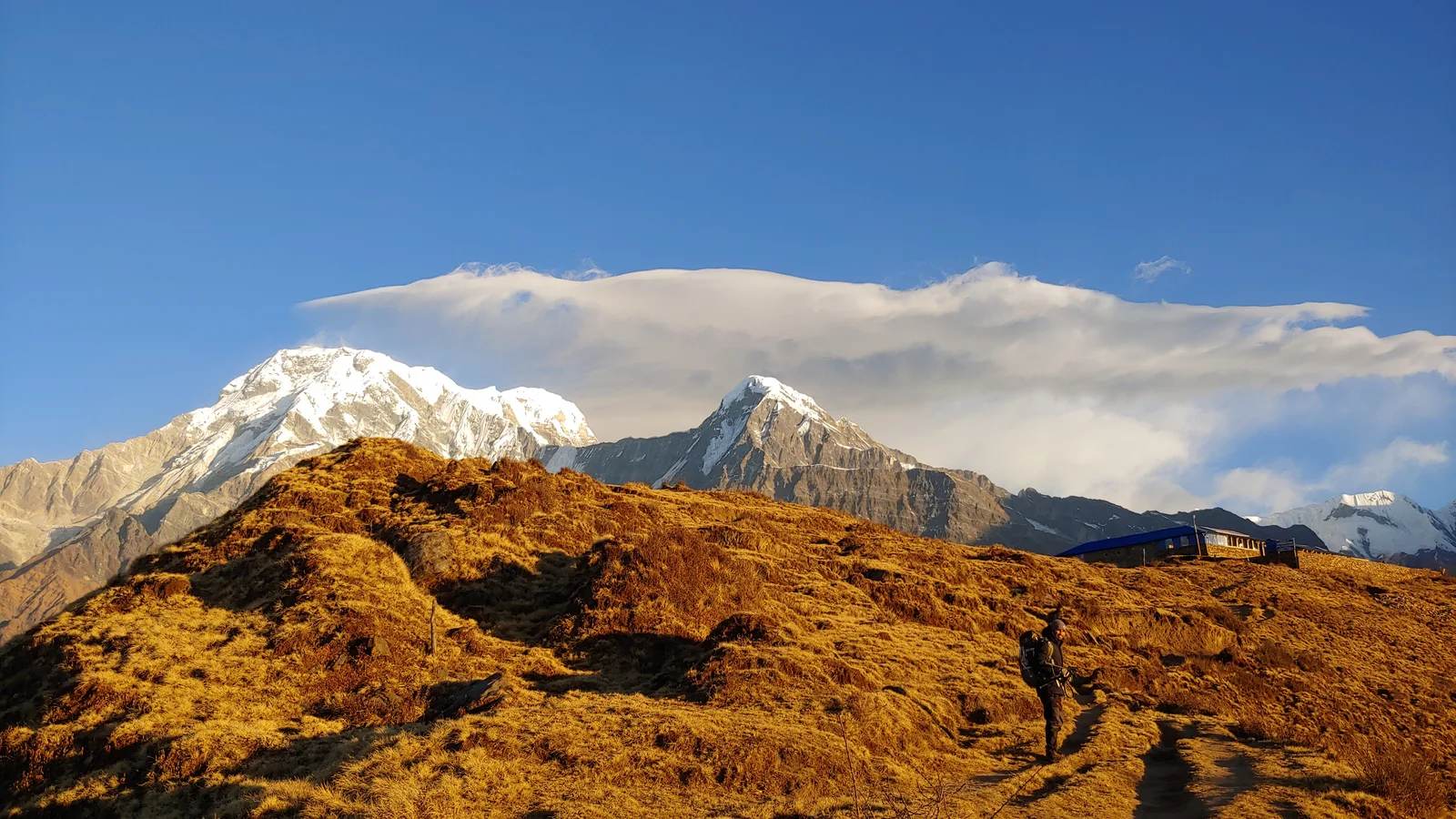
Mardi Himal Trek — 7 Days
See the kit list
 9 items
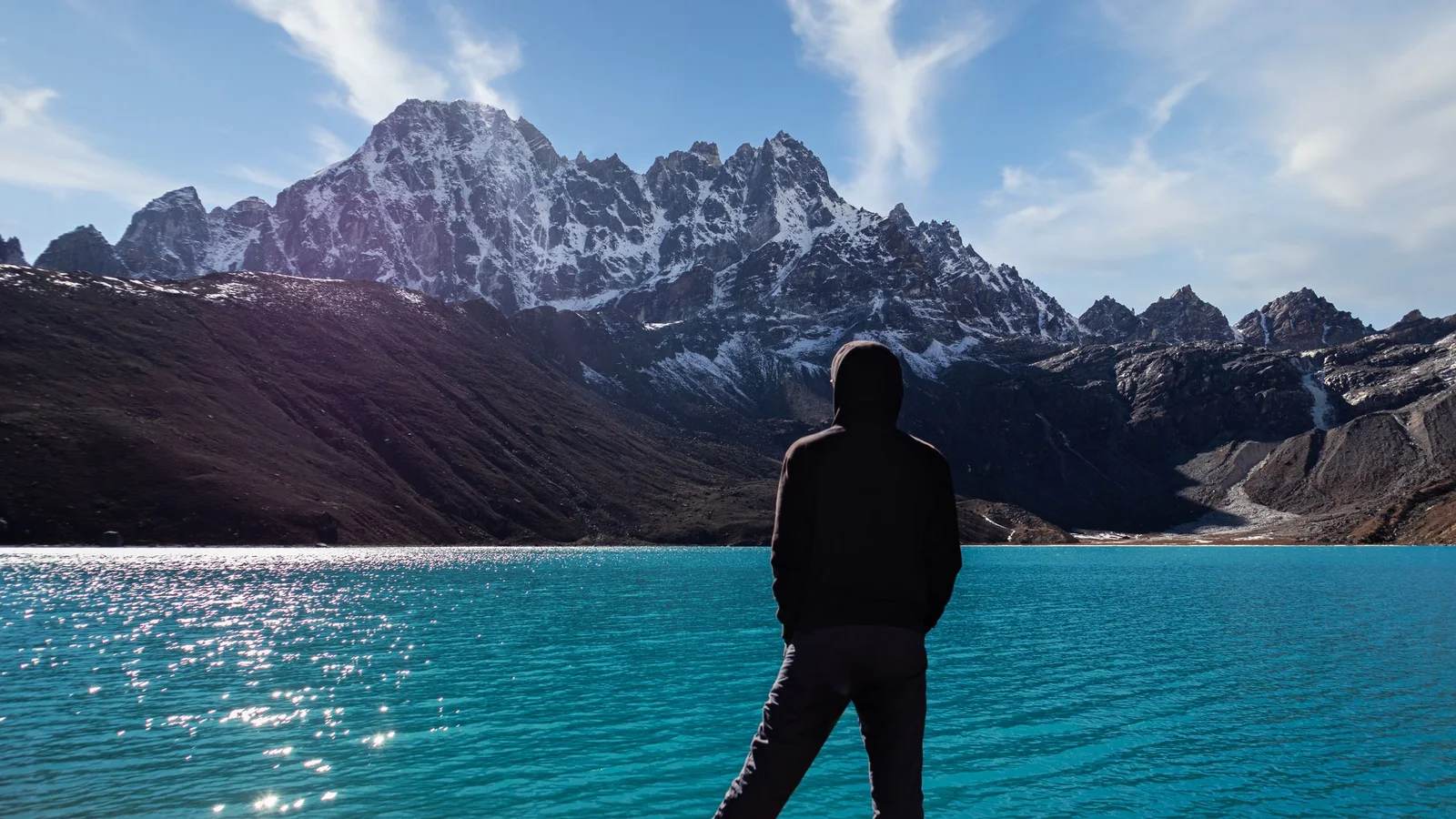
Gokyo Valley & Lakes Trek — 12 Days
See the kit list
Or browse what we’d buy
Ten departments. The item shown is the one we would put in our own bag first — open a department to see what it beat, and who each thing is wrong for.
About the links on this page.Some go to Amazon, and as an Amazon Associate we earn from qualifying purchases — at no extra cost to you. It does not change what we recommend: every card here also says who the item is not for, and a few things we think you should simply rent in Kathmandu or Pokhara instead, which earns us nothing.
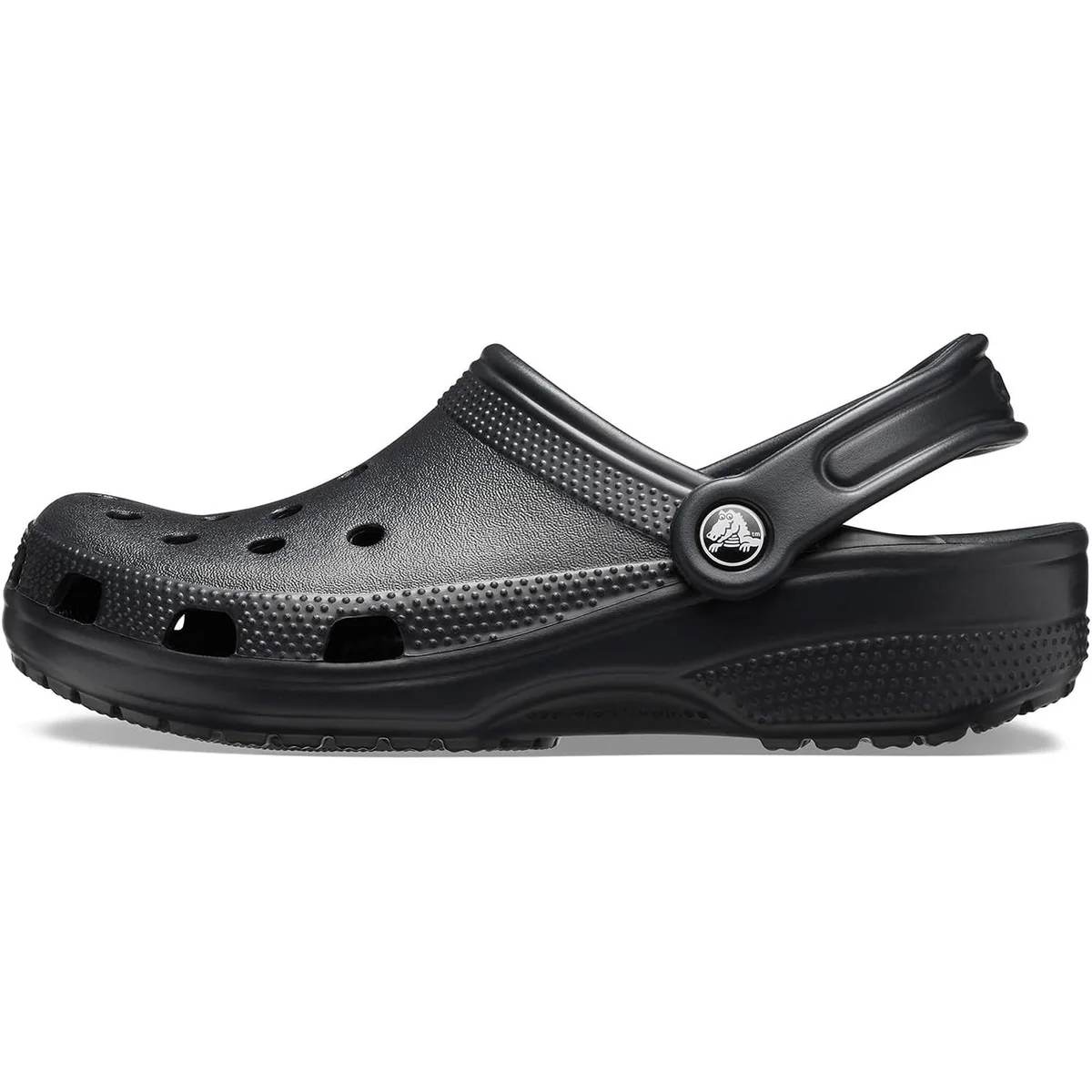
Our pick for footwear
What you actually change into at 4 p.m.
Crocs Classic Clog
Unbeatable in a lodge — on and off without bending down, warm over thick socks, fine for the walk to the toilet block at 2 a.m. They look ridiculous, which is the entire cost.
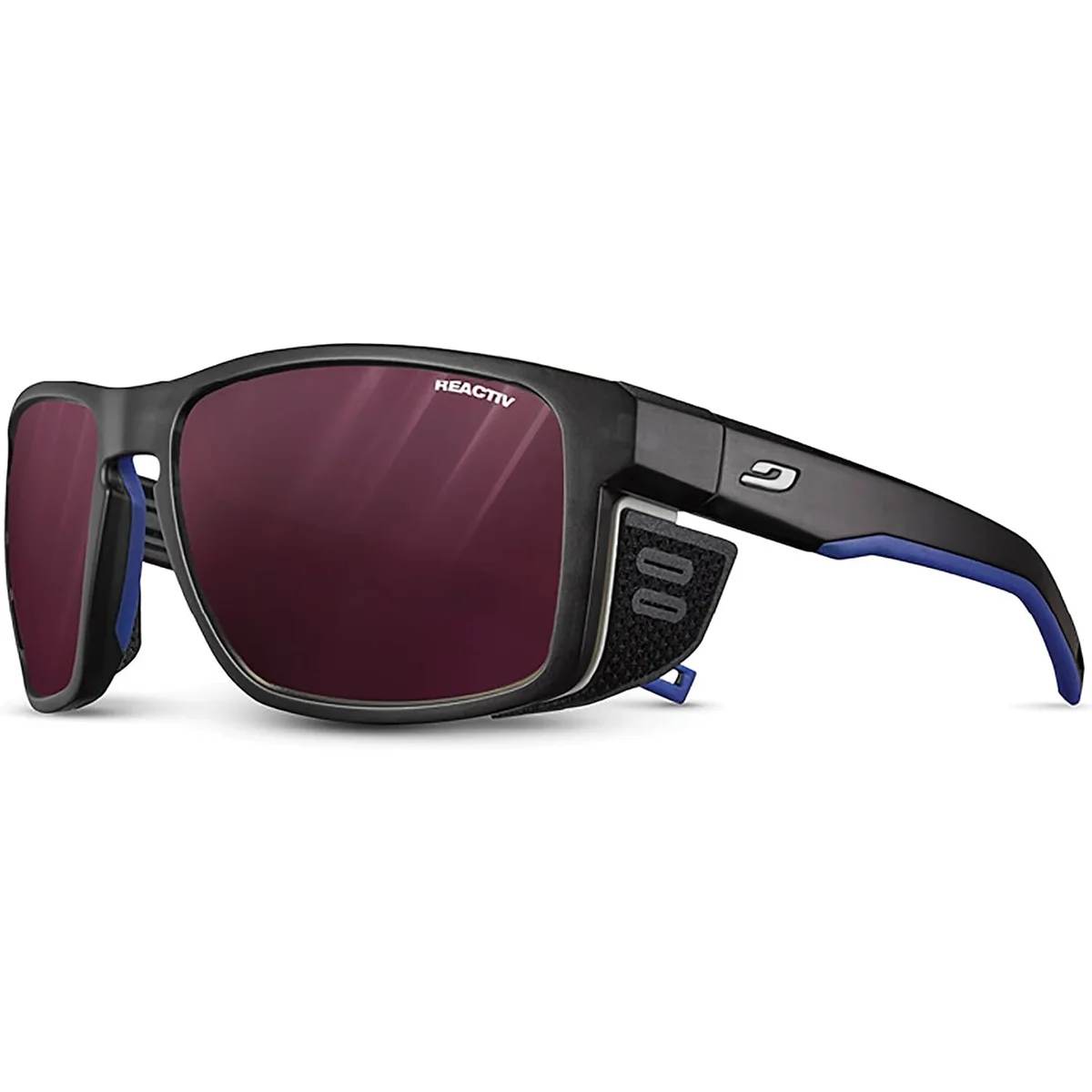
Our pick for eyes & sun
Side coverage without committing to full glacier lenses
Julbo Shield M
The one pair that works from Lukla to the Cho La — shields on for snow, off for the walk-in. You pay roughly double a normal sports sunglass for that flexibility.

Our pick for light & power
Two phone charges for the weight of a phone
Nitecore NB10000 Gen 3
The best capacity-per-gram you can buy and it clears every airline limit without a conversation — 10,000 mAh is about two phone charges, so on a fortnight above the solar line you will still be paying a lodge occasionally.

Our pick for water & health
Bacteria and protozoa out, for the whole trek, for the price of two lodge bottles
Sawyer Squeeze Water Filter
Effectively unlimited water for the cost of a couple of bottled waters, and it threads straight onto a standard bottle — it does NOT remove viruses, so pair it with chemical drops on trails below villages.
Our pick for clothing & layers
The mid-layer you wear every single evening
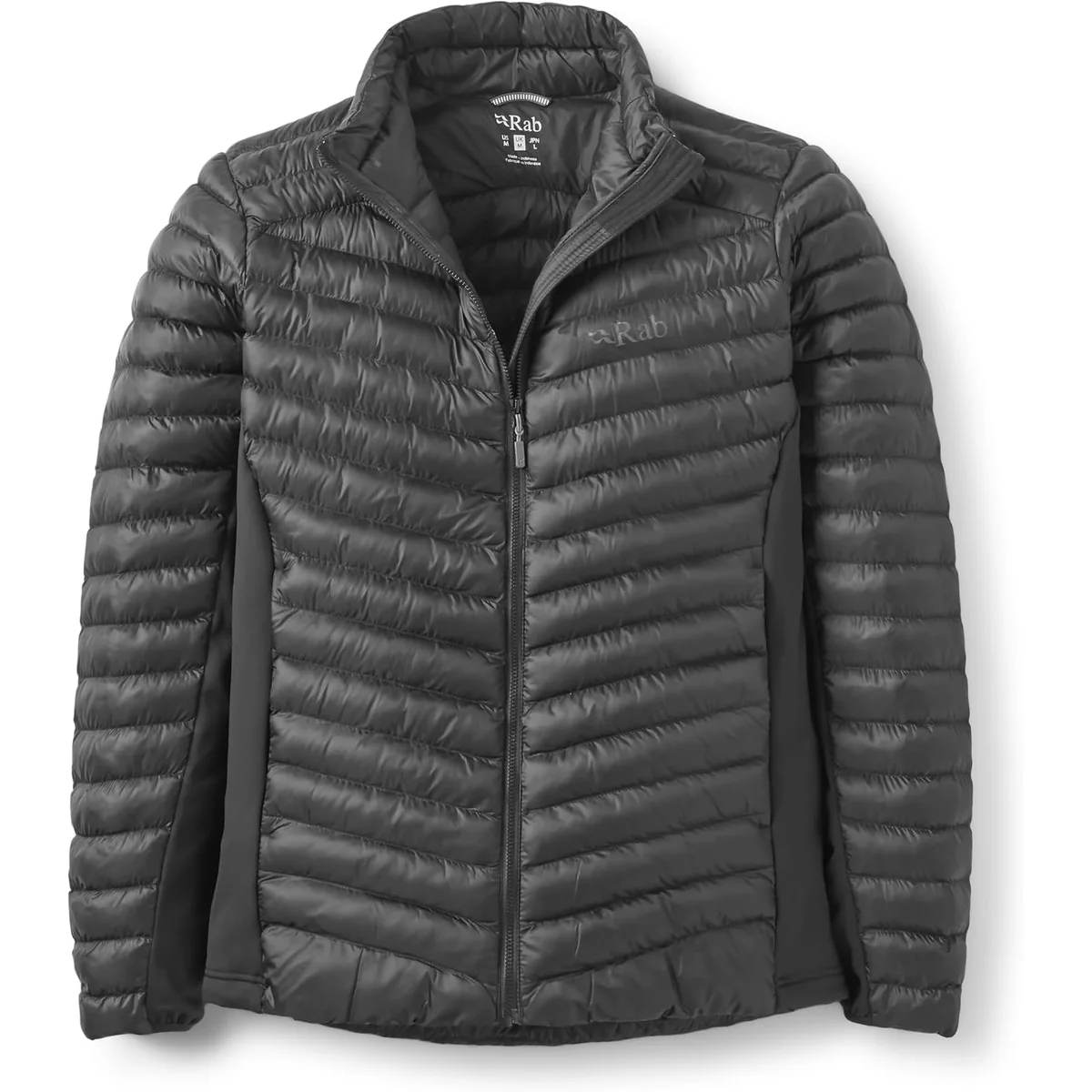
Rab Cirrus Insulated Jacket
Synthetic keeps insulating when it gets damp, which in a Himalayan spring matters more than the extra warmth-per-gram of down — it is noticeably less warm than a down jacket of the same weight, and that is the deal.
Our pick for packs & poles
The right size when a porter has your duffel
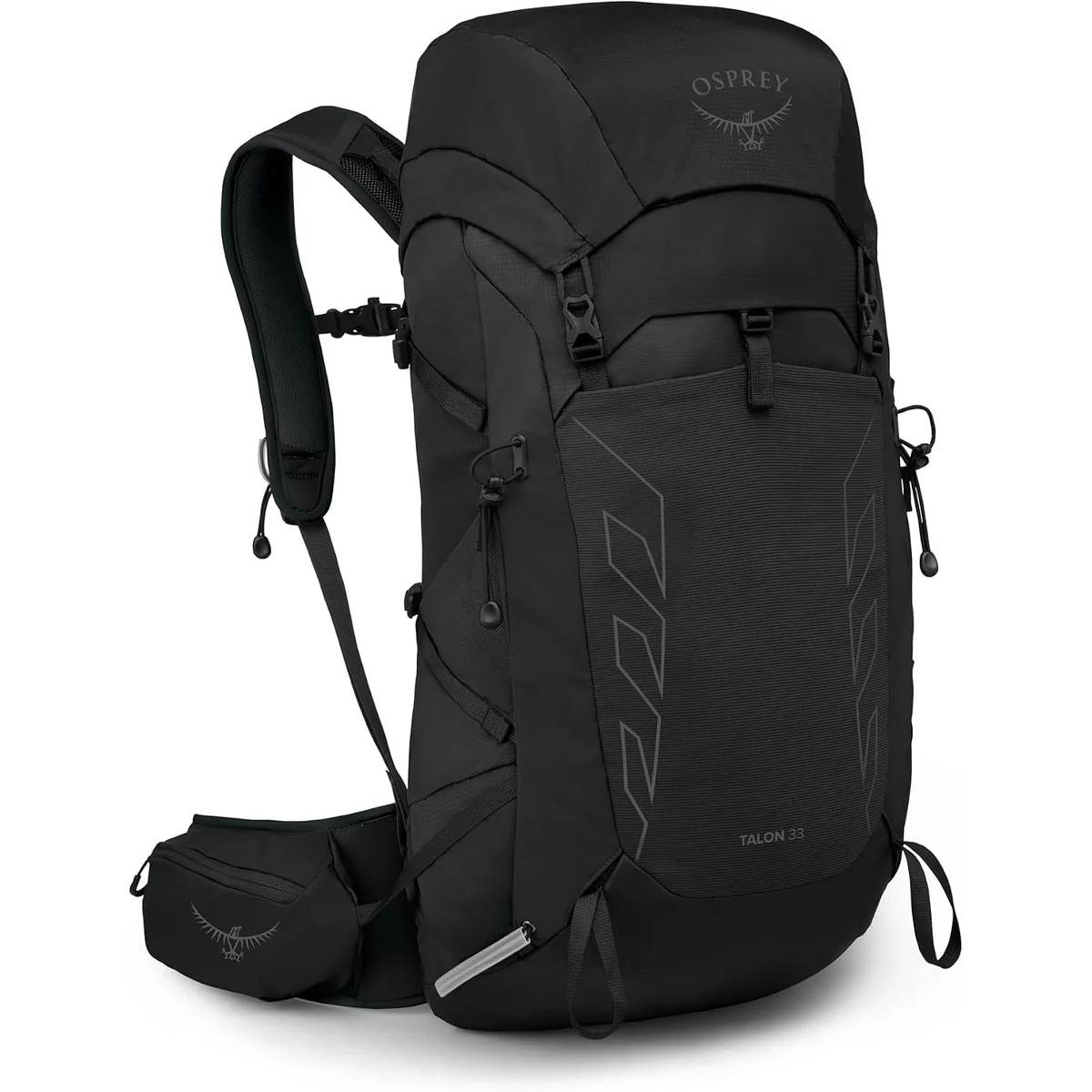
Osprey Talon 33
Thirty-three litres holds a day layer, water, snacks and a camera with room for the down jacket you take off at ten — it is a frameless-ish pack, so above about 9 kg it stops being comfortable.
Our pick for sleep & camp
The single biggest money-saver on a two-week trek
Four-season down bag (−15 °C), rented
A bag you would buy costs several hundred dollars and you need it for perhaps five cold nights. Kathmandu and Pokhara rent good ones for a couple of dollars a day, and we make nothing from telling you that — take your own silk liner and the hygiene question answers itself.
Our pick for electronics & connectivity
Two-way messaging where there is no phone signal at all
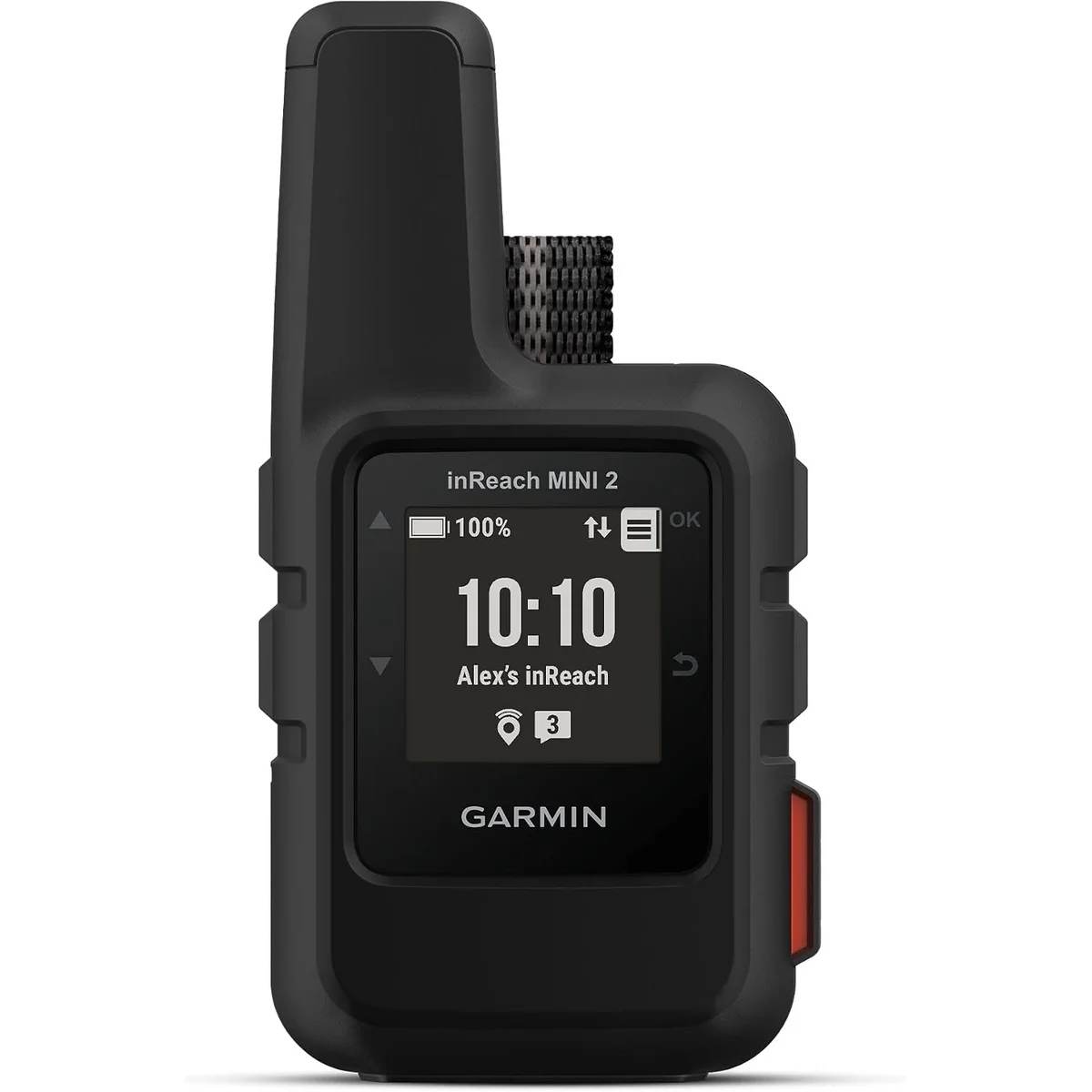
Garmin inReach Mini 2
On Manaslu, Kanchenjunga or Dolpo this is the difference between a problem and an emergency — on Annapurna and Everest, where phone coverage is good and lodges are close, it is largely redundant and the money is better spent on evacuation insurance.
Our pick for travel & transit
Cabin-sized, so your trek does not start with lost luggage
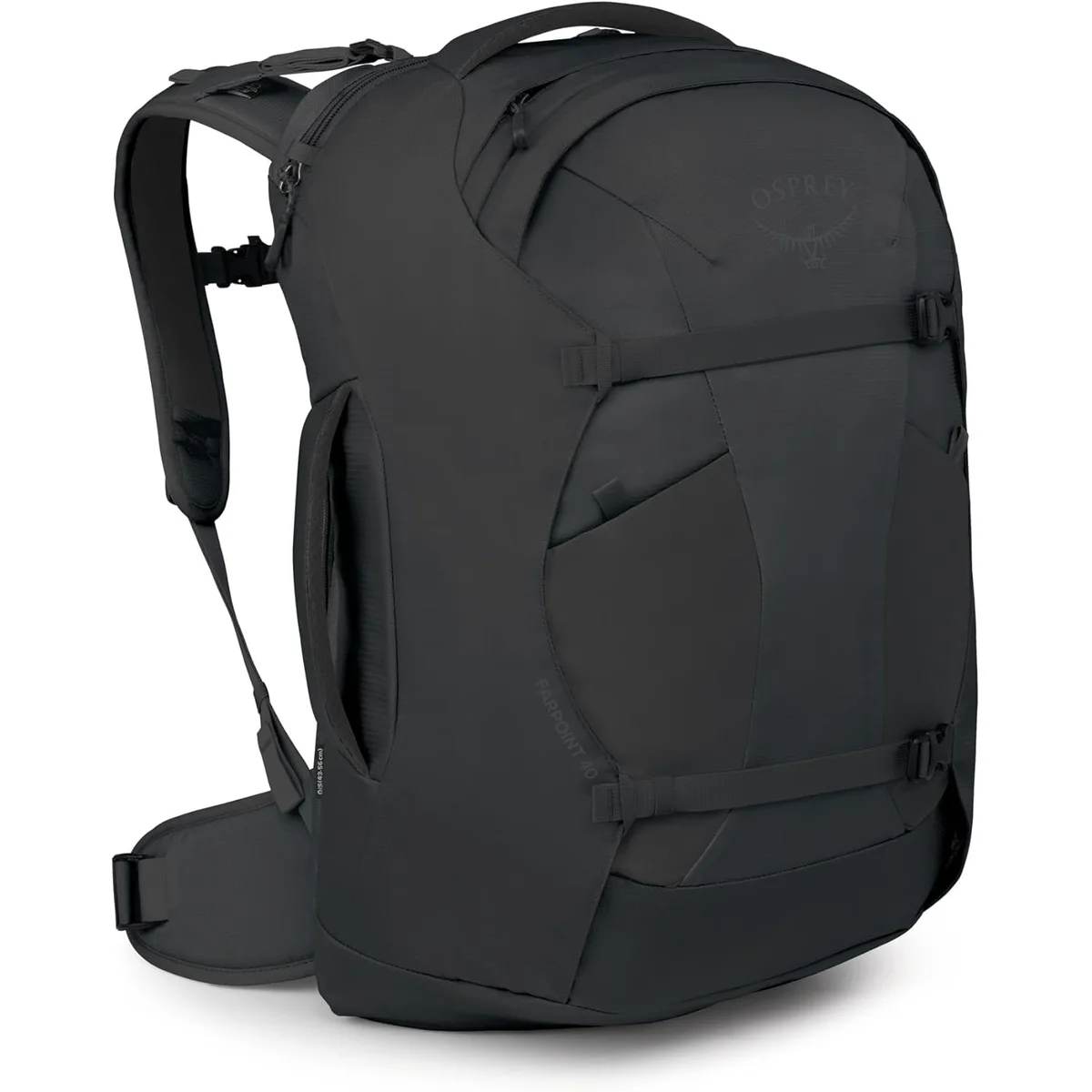
Osprey Farpoint 40
Fits most cabin allowances, which means your kit lands when you do — 40 litres is genuinely tight once a sleeping bag is involved, so this works best when you are renting the bulky items in Kathmandu.
Our pick for traction & safety
For one peak, on one morning, with a guide
Crampons and axe, rented in Kathmandu
Crampons must match your boot, and the shop fits them to the boot you actually brought — that fitting is worth more than owning a pair that has never been on your foot. Our climbing itineraries include this; ask rather than buying.
Why we can tell you this
- We buy it ourselves
- Every item here is on a kit list we hand a real client, or in a guide’s own pack. We are a trekking company first; the shelf came out of the packing lists, not the other way round.
- Since 1998, 5,000+ treks
- NMA-certified guides working out of Pokhara. We see the same boot blister the same heel and the same filter clog at the same altitude, season after season.
- We say when not to buy
- 9 things here carry no buy link at all, because renting them in Kathmandu or Pokhara is the right answer and we make nothing from it.
- We never quote a price
- Prices move and a stale number is a lie, so every button says “check price” and sends you to the shop to see today’s. We are paid a commission on Amazon links, at no extra cost to you.
And what we’d tell you to rent
These are the expensive things you will use once. Thamel and Lakeside rent all of them for a few dollars a day, we take no commission on any of it, and we would rather you spent the money on the trek.
Four-season down bag (−15 °C), rented
about USD 1-2 per day in Thamel or Pokhara Lakeside
Crampons and axe, rented in Kathmandu
about USD 2-4 per day for crampons, similar for an axe
The kit is the easy part
Permits, lodges, a licensed guide and getting you to the trailhead are the hard parts, and they are what we actually do. Tell us your dates and we will put the rest together.
We answer gear questions whether or not you book with us.