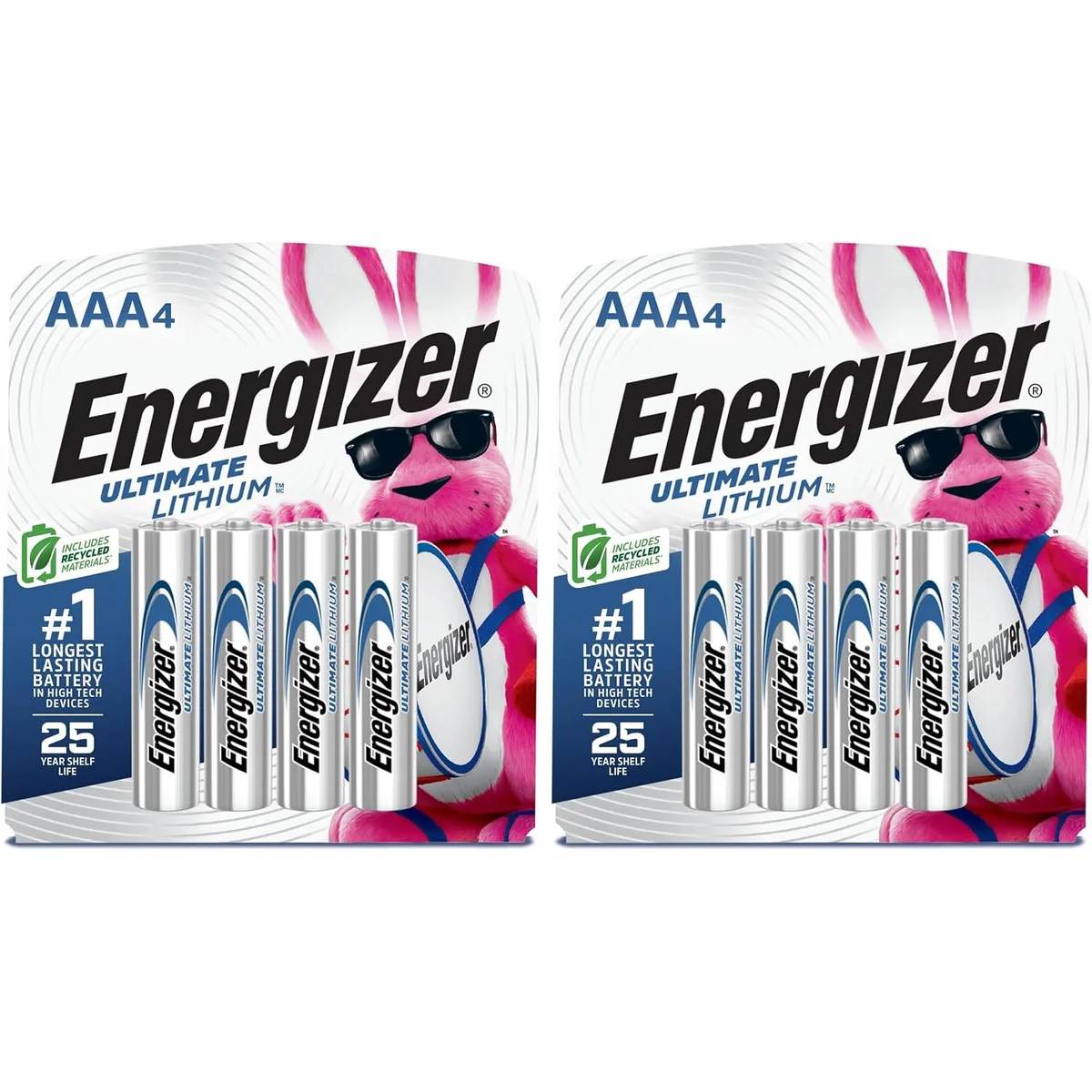
Best in coldThe only AAA that still works at −15 °C
Energizer Ultimate Lithium AAA
Alkalines lose most of their usable capacity in real cold and a headlamp dies mid-descent; lithium does not, and it costs roughly three times as much per cell.
11things our guides put on the list for this route specifically — not a generic packing list. 2 of them we tell you to rent rather than buy, which earns us nothing.
See the trek itselfAbout the links on this page.Some go to Amazon, and as an Amazon Associate we earn from qualifying purchases — at no extra cost to you. It does not change what we recommend: every card here also says who the item is not for, and a few things we think you should simply rent in Kathmandu or Pokhara instead, which earns us nothing.
Best in coldEnergizer Ultimate Lithium AAA
Alkalines lose most of their usable capacity in real cold and a headlamp dies mid-descent; lithium does not, and it costs roughly three times as much per cell.
Crampons and axe, rented in Kathmandu
Crampons must match your boot, and the shop fits them to the boot you actually brought — that fitting is worth more than owning a pair that has never been on your foot. Our climbing itineraries include this; ask rather than buying.
Rental shops in Kathmandu and Pokhara carry this — about usd 2-4 per day for crampons, similar for an axe. We take nothing from that.
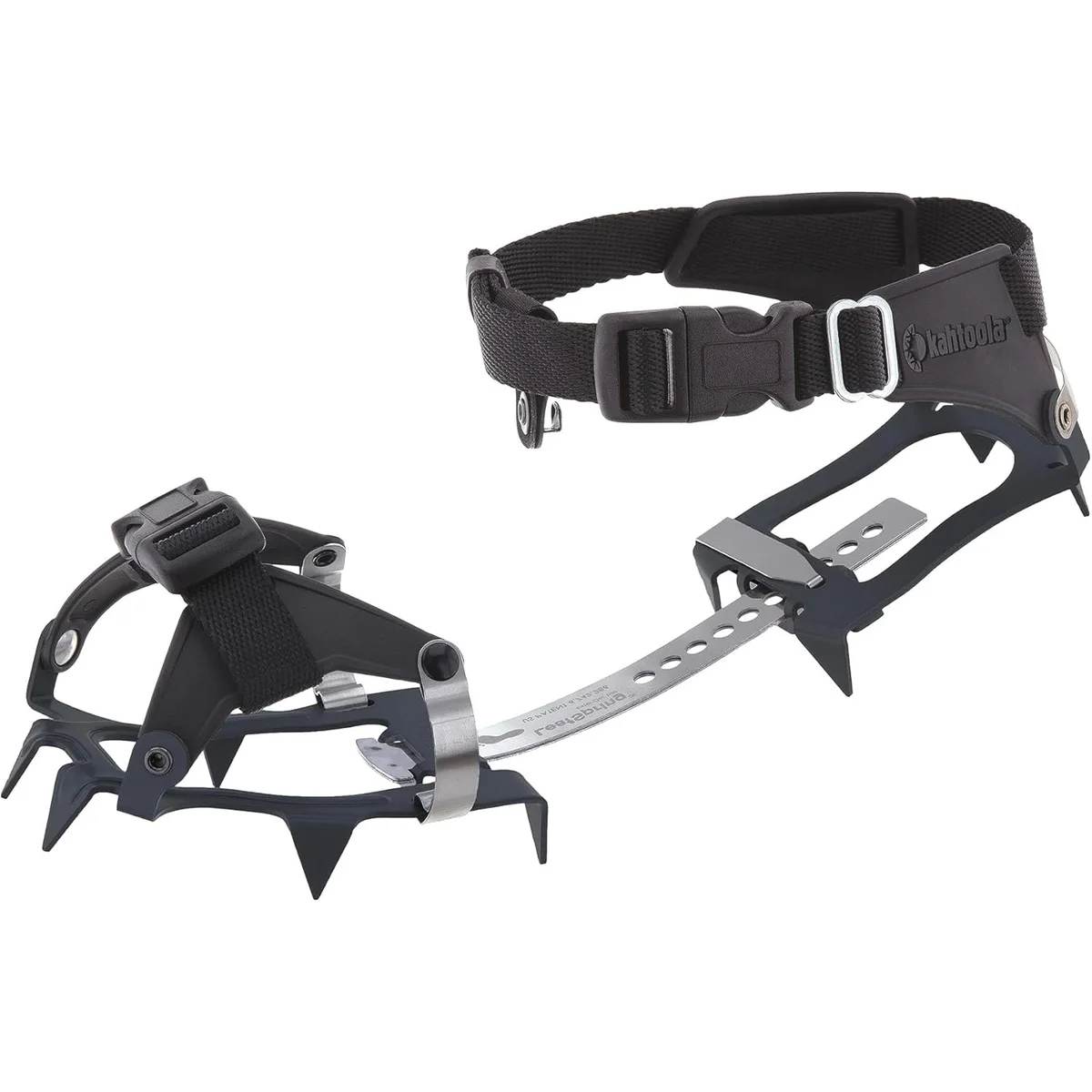
Best to ownKahtoola K10 Hiking Crampon
The gap between microspikes and real mountaineering crampons, and it straps to a boot with no welt — which most trekking boots lack. It is not a technical crampon and will not hold on steep water ice; nor should you ask it to.
Insurance that actually covers a Himalayan trek
Standard travel policies exclude trekking above 3,000 m and almost all exclude helicopter evacuation — a rescue from the Khumbu can run to five figures in USD, and the insurer decides afterwards, not at the time. Read the altitude clause before you read anything else.
We take no commission from any insurer and recommend no brand. This is a checklist.
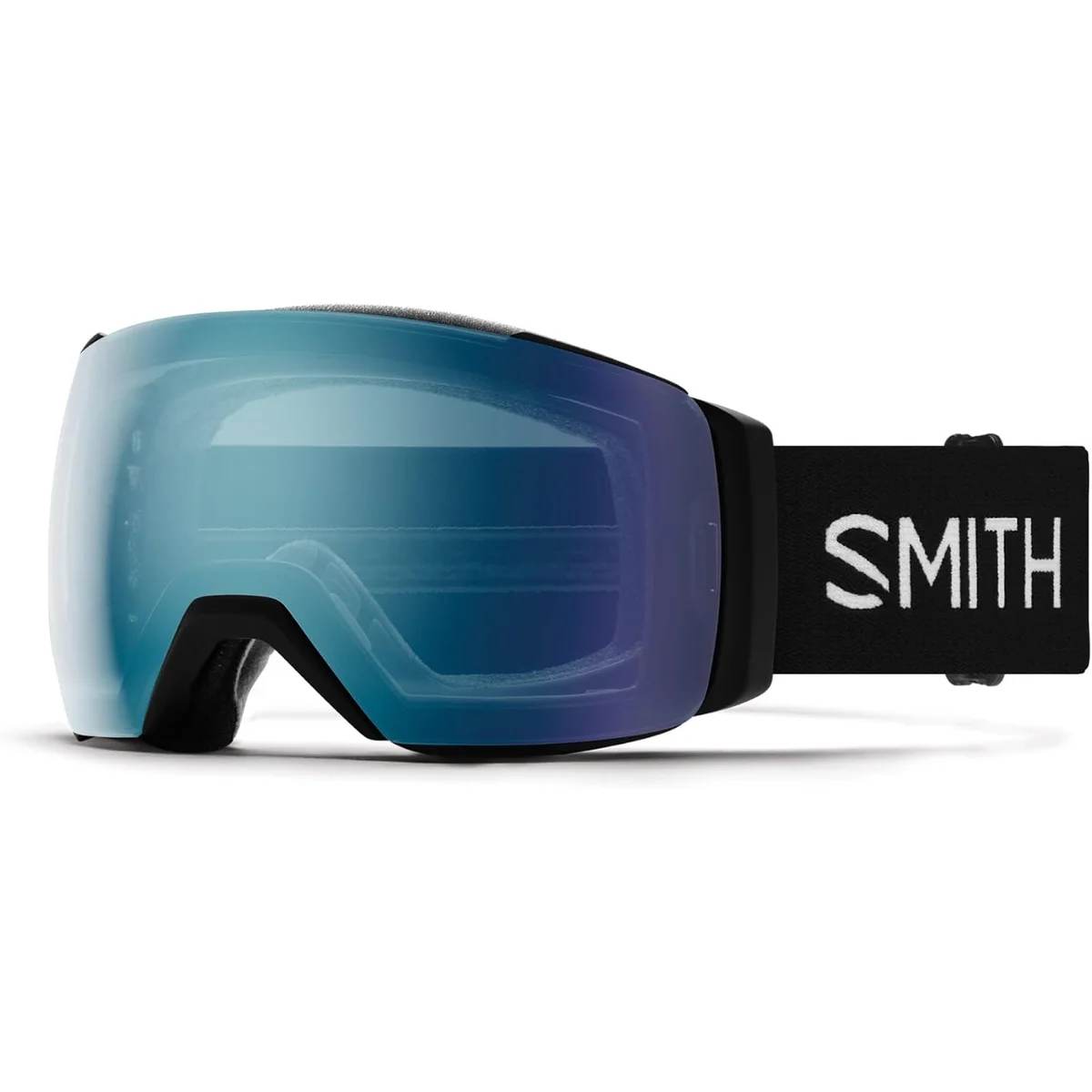
Best overallSmith I/O MAG Goggles
The only thing that works in a whiteout on a pass, and the second lens covers flat light — for most teahouse trekkers this is an expensive item that never leaves the duffel.
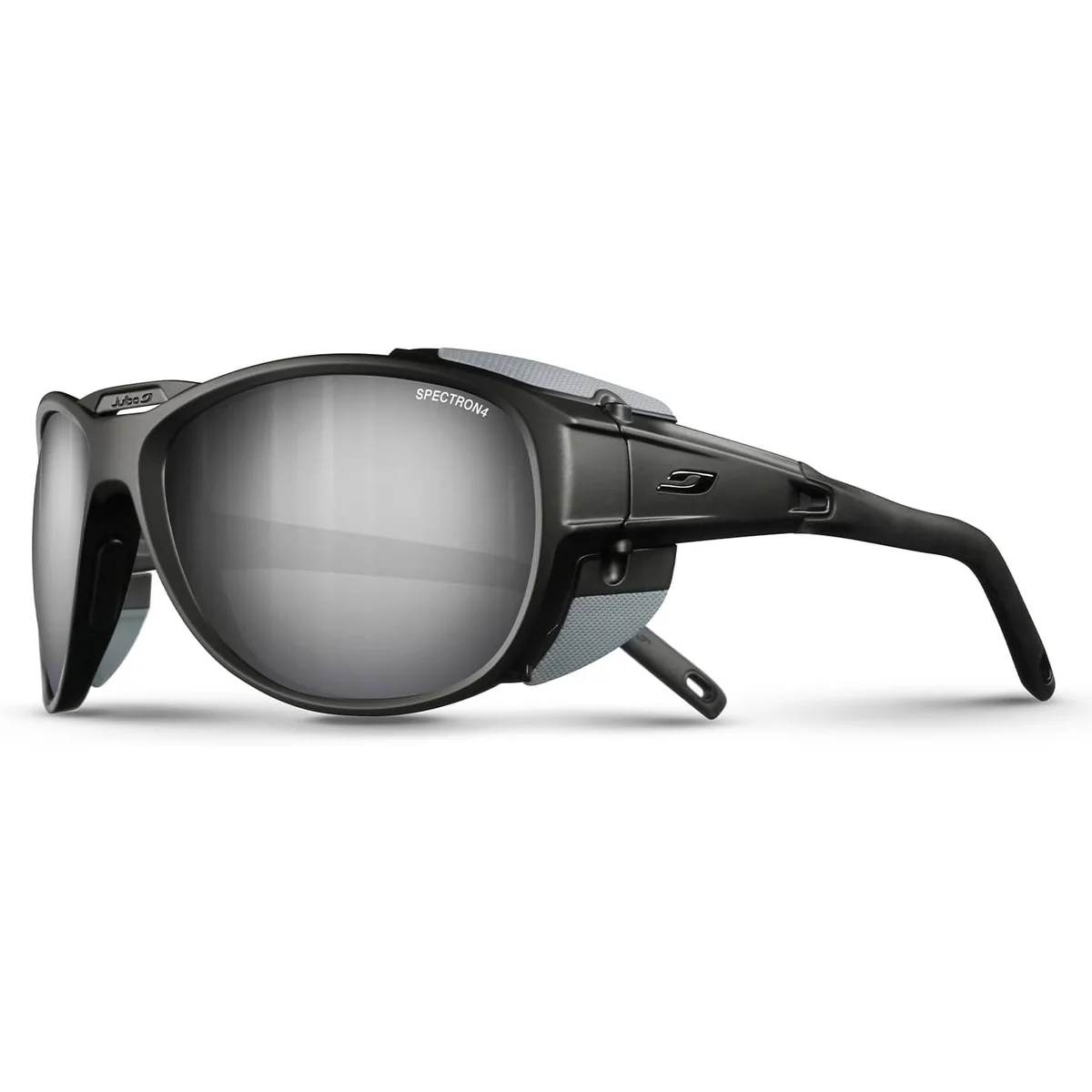
Best overallJulbo Explorer 2.0
The right glasses for Island Peak or a snowbound pass, and the wrong glasses for everything either side of it — Category 4 is too dark to walk into a lodge or read a map in shade.
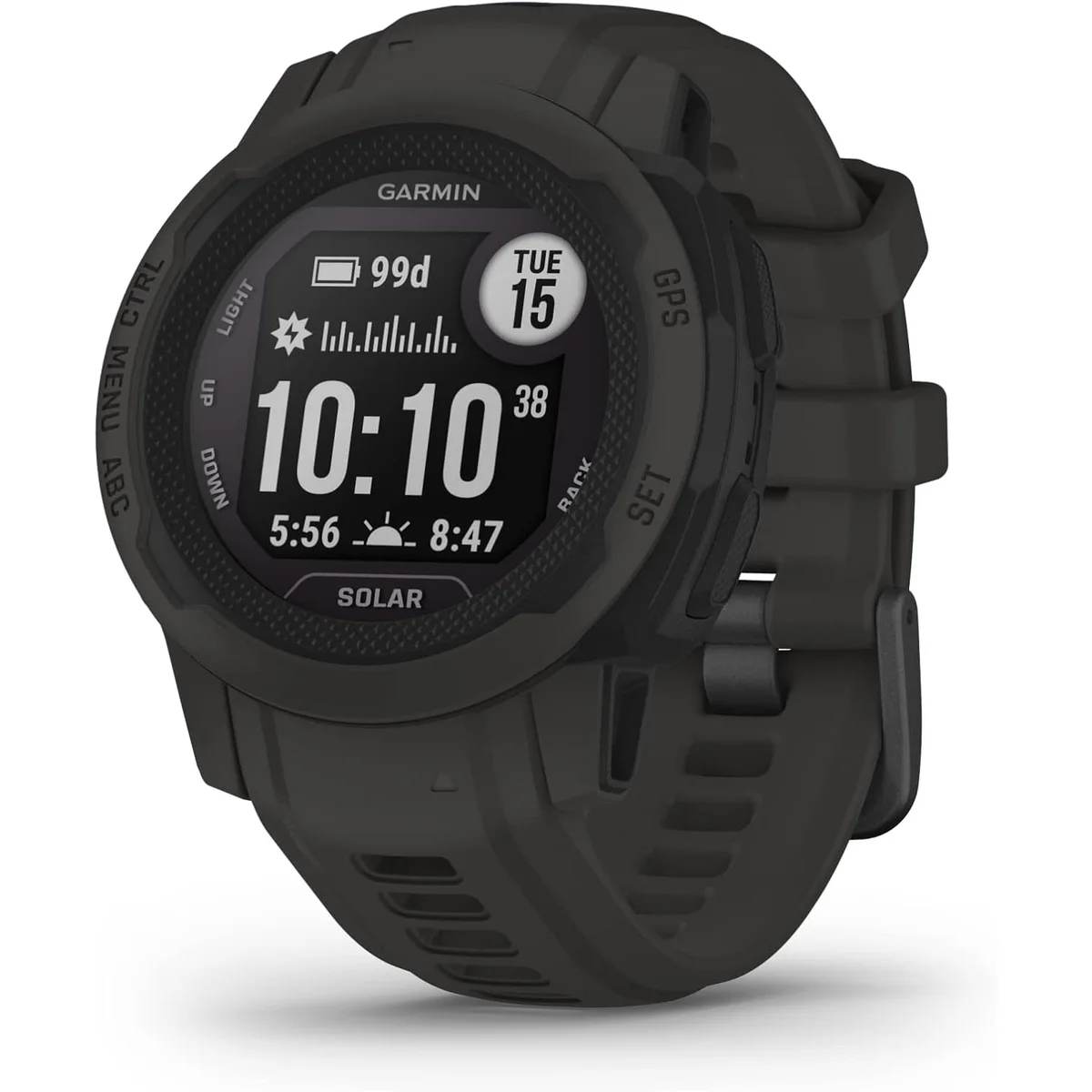
Best watchGarmin Instinct 2 Solar
The barometric altimeter is the genuinely useful bit — watching your sleeping altitude is how acclimatisation stops being abstract; the solar charging is marketing more than mechanism on a wrist under a sleeve.
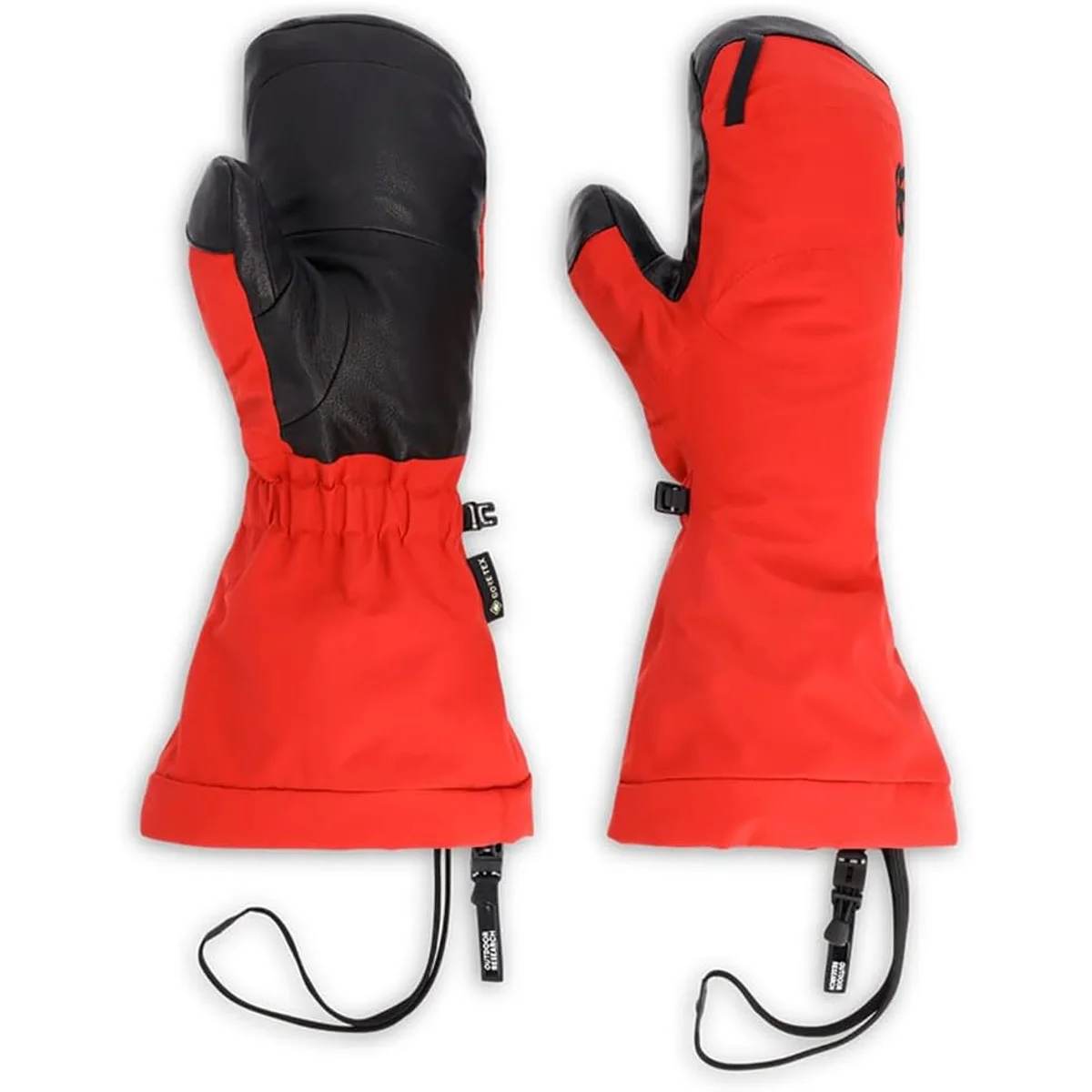
WarmestOutdoor Research Alti Mitts
The warmest thing you can put on your hands short of an expedition mitt, and useless for anything requiring fingers — which is why they live on a leash and come out for one morning.
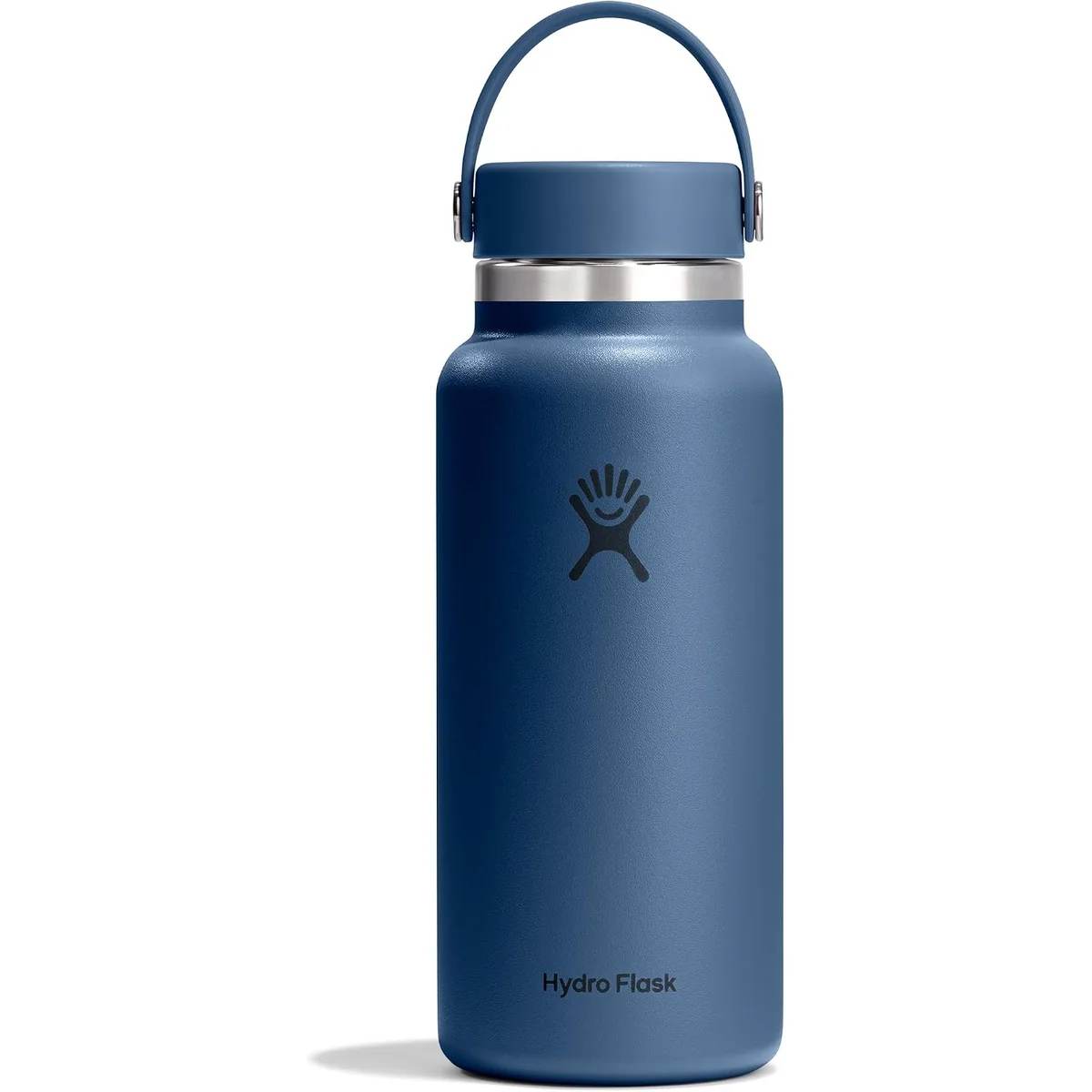
Best insulatedHydro Flask Wide Mouth Insulated
On a −15 °C morning an insulated bottle is the difference between drinking and chipping ice; the weight penalty is real, and one of these plus a Nalgene is 700 g of bottles.
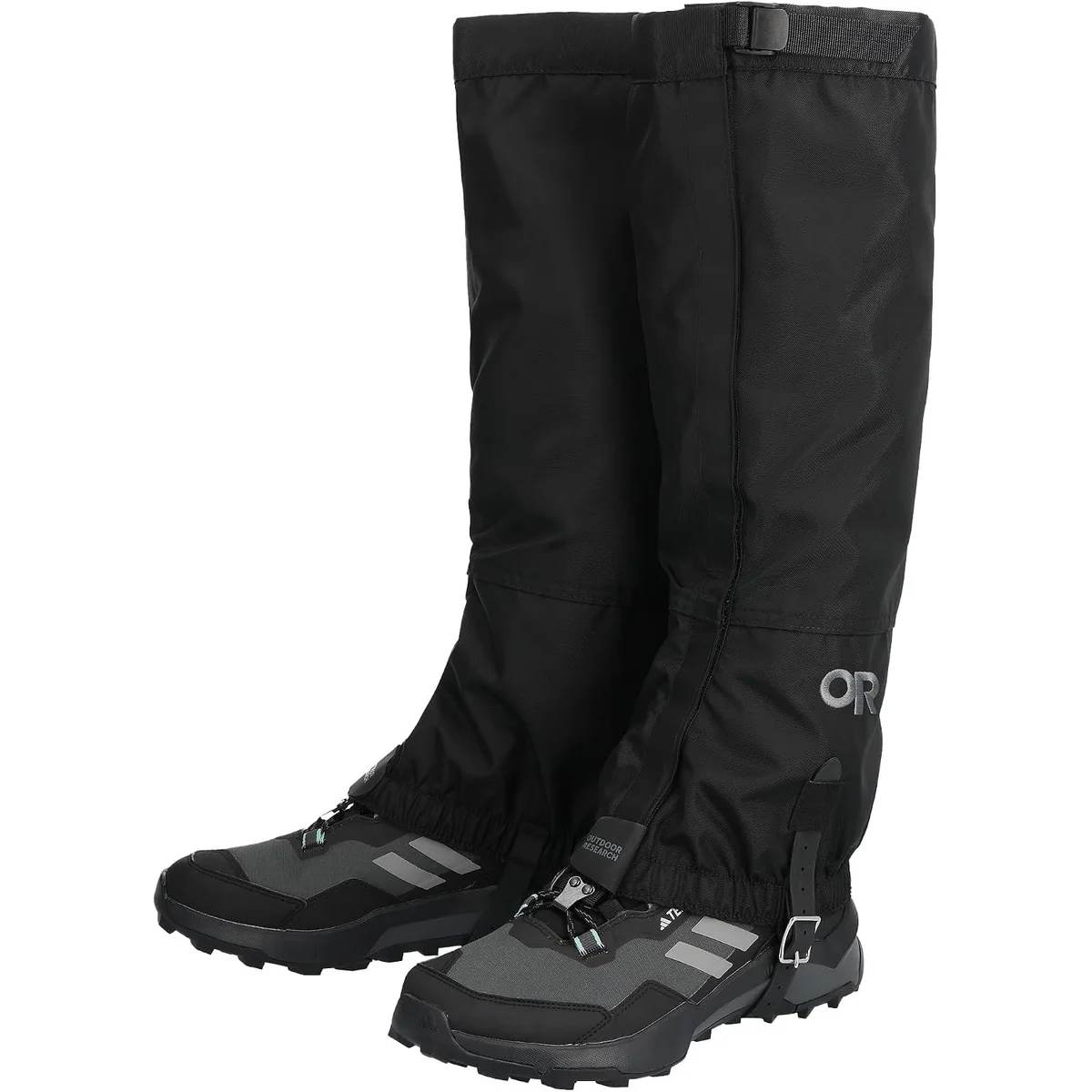
Best for snowOutdoor Research Rocky Mountain High Gaiters
What actually keeps snow out on Thorong La in a bad week — hot, noisy and completely unnecessary on any trek where the snow is only in the photographs.
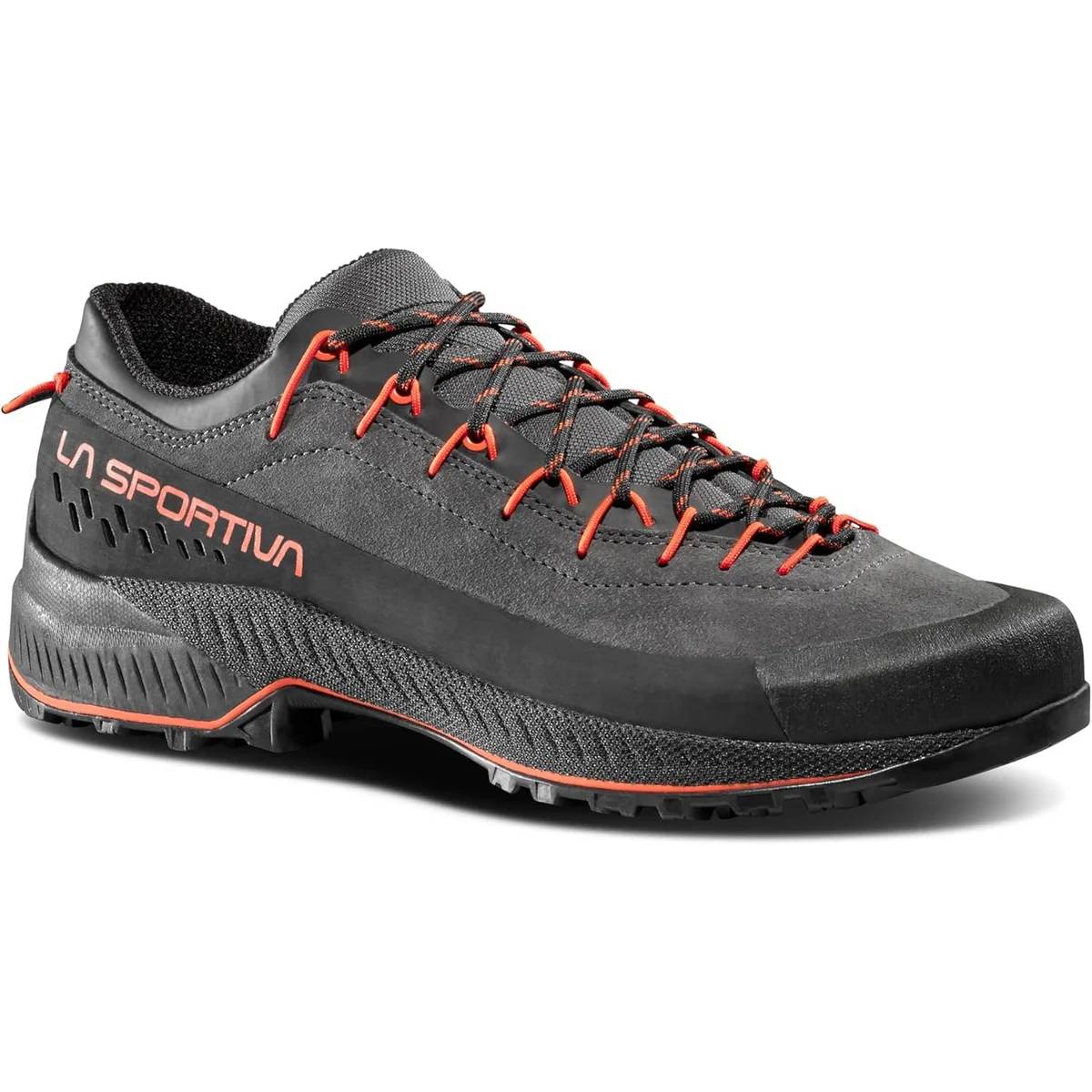
Best on rockLa Sportiva TX4 Evo
Sticks to rock in a way no hiking shoe does — the price is a stiff, unforgiving shoe that is miserable on a long flat valley walk.