Nepal is open for the autumn season, and glad you are coming.

How to help
Travel Himalaya Nepal
All gear

Travel & Transit

The flight, the luggage, the paperwork and the bits between.

About the links on this page.Some go to Amazon, and as an Amazon Associate we earn from qualifying purchases — at no extra cost to you. It does not change what we recommend: every card here also says who the item is not for, and a few things we think you should simply rent in Kathmandu or Pokhara instead, which earns us nothing.

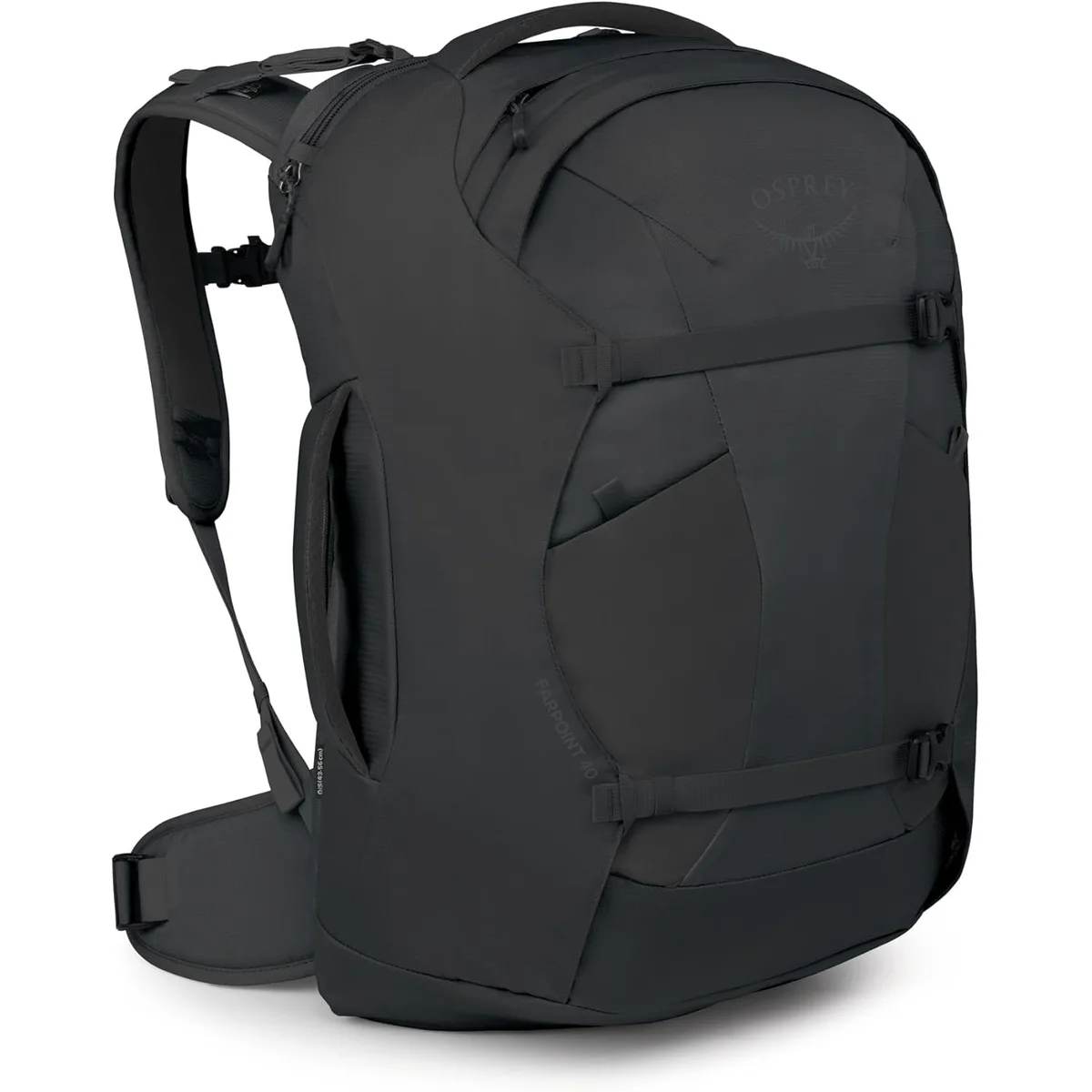
Osprey Farpoint 40 — Cabin-sized, so your trek does not start with lost luggage
Best overall

Cabin-sized, so your trek does not start with lost luggage

Osprey Farpoint 40

40 litres, panel-loading, stowable harness

Fits most cabin allowances, which means your kit lands when you do — 40 litres is genuinely tight once a sleeping bag is involved, so this works best when you are renting the bulky items in Kathmandu.

Cabin-legal on most carriers — no lost bag, no delayed trek

Opens flat like a suitcase

Harness zips away so belts do not get shredded on a carousel

Too small if you bring your own bag and down jacket

Suspension is basic — this is a travel pack, not a trekking one

Cabin rules vary; check your carrier

Not for you if: Anyone bringing a full expedition kit from home. Take a duffel and check it.

Check price on Amazon
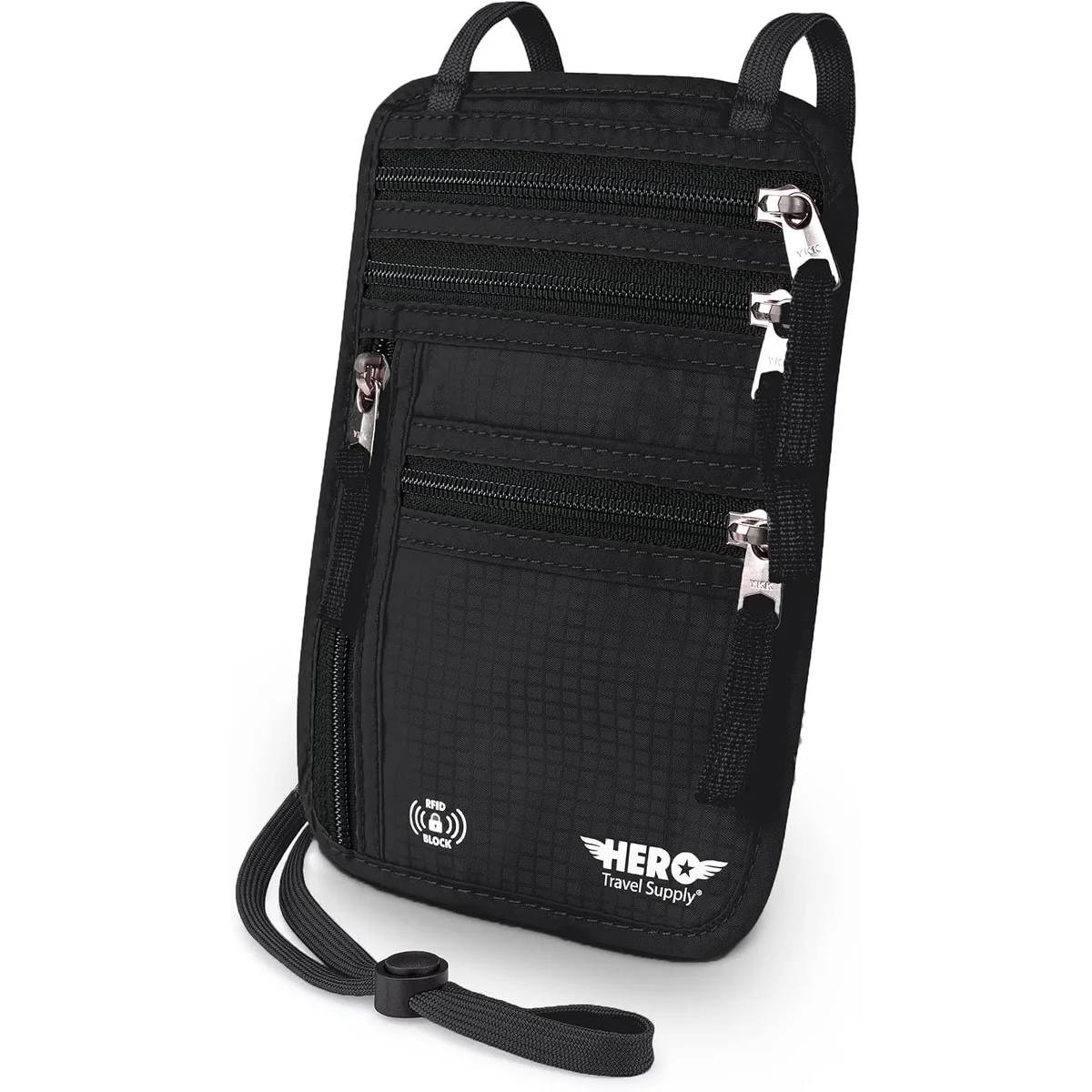
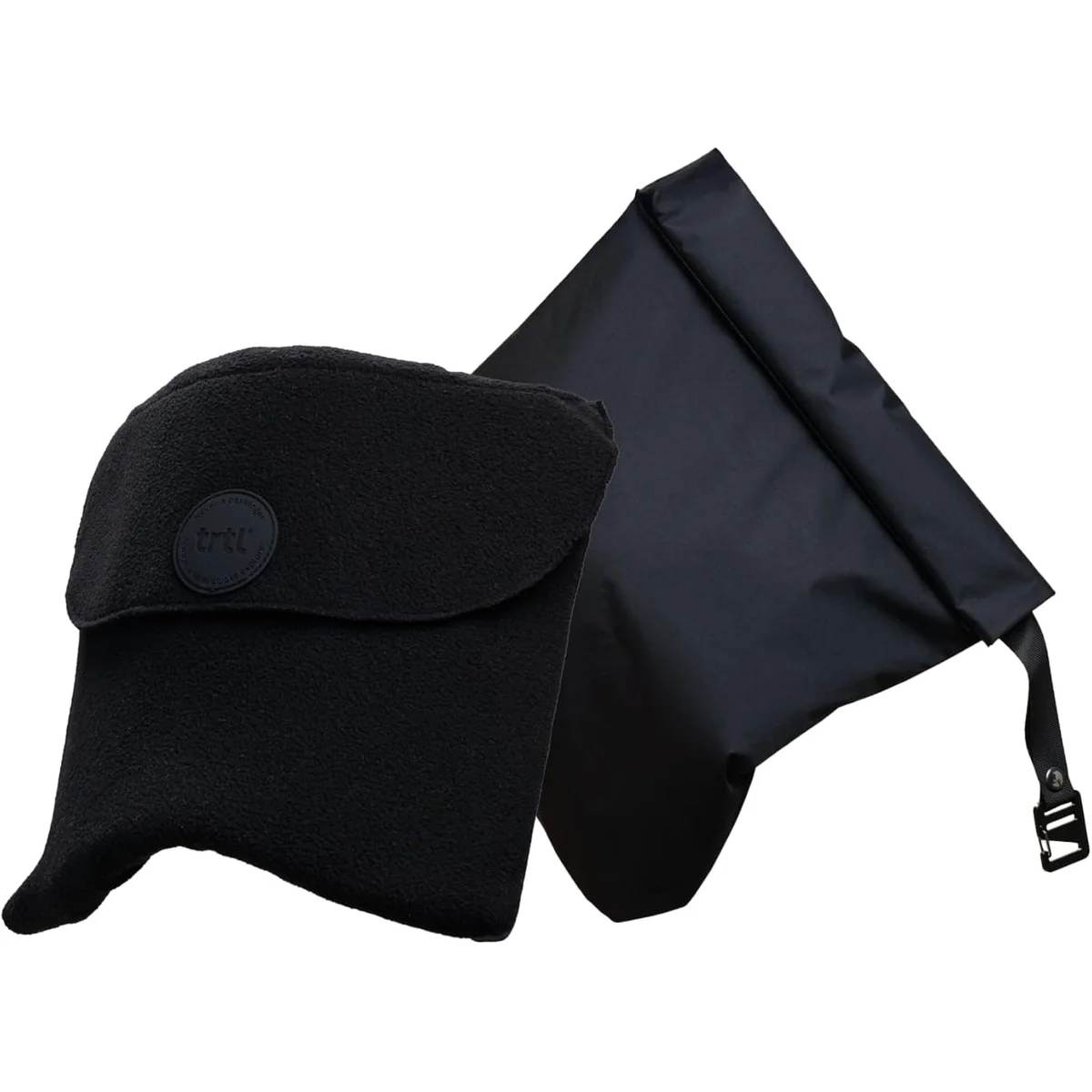
RFID-blocking neck wallet — Passport, permits and cash, on your bodyBest document carry

Passport, permits and cash, on your body

RFID-blocking neck wallet

Your TIMS card and national park permit get checked repeatedly on trail and a lost passport in Nepal is a week in Kathmandu — the RFID lining is largely theatre, but the "attached to your body" part is not.

Skip it ifNobody. Even if you dislike them, carry permits somewhere better than a jacket pocket.

Check: altitude limit, helicopter evacuation, repatriationRead this before you buy anything else

The most expensive mistake a trekker can make

Insurance that actually covers a Himalayan trek

Standard travel policies exclude trekking above 3,000 m and almost all exclude helicopter evacuation — a rescue from the Khumbu can run to five figures in USD, and the insurer decides afterwards, not at the time. Read the altitude clause before you read anything else.

Skip it ifNobody. Three things to confirm in writing: your itinerary’s maximum altitude is covered, helicopter evacuation is covered, and repatriation is covered. If an insurer will not confirm all three, use a different insurer.

We take no commission from any insurer and recommend no brand. This is a checklist.

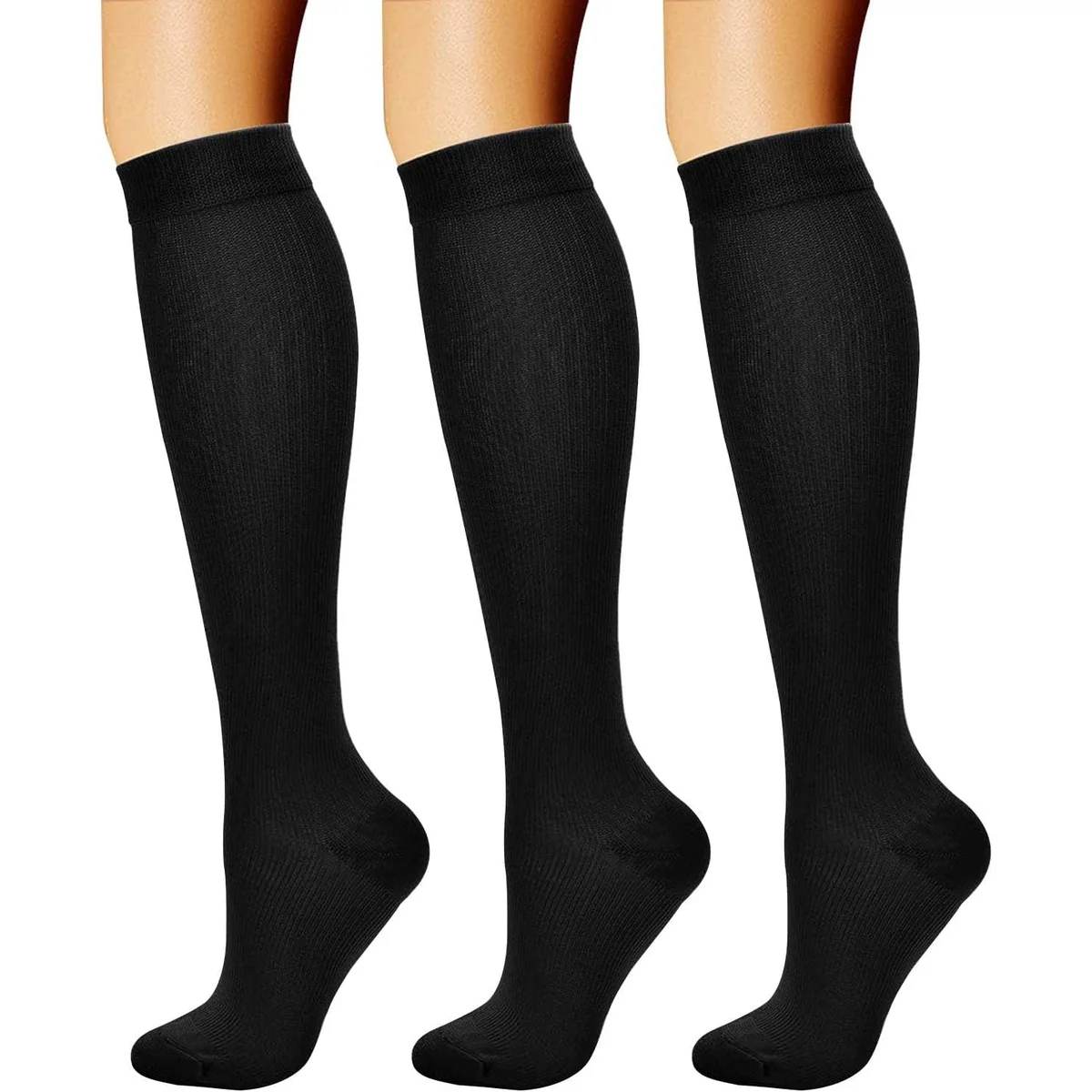
Flight compression socks — Ankles that still fit your boots on day oneBest long-haul item

Ankles that still fit your boots on day one

Flight compression socks

Arriving with swollen feet and then putting on trekking boots the next morning is a genuinely bad start — these fix that for the price of a coffee, and they are tight enough that some people cannot stand them.

Skip it ifAnyone with a circulatory condition who has not asked a doctor about compression first.

USD 30 / 50 / 125 for 15 / 30 / 90 daysFree advice that saves an hour

The visa-on-arrival queue takes cash, and it is fussy about it

Clean USD notes for the visa desk

Kathmandu visa on arrival is cash, and the desk refuses torn, written-on or pre-2013 USD notes — bring crisp bills in the right denominations and you are through in twenty minutes instead of hunting an ATM airside.

Skip it ifNationalities that need a visa in advance. Check your own before assuming visa on arrival applies.

Nothing to buy — this is the tip, not a product.