The one that stays on when you sweat and does not sting
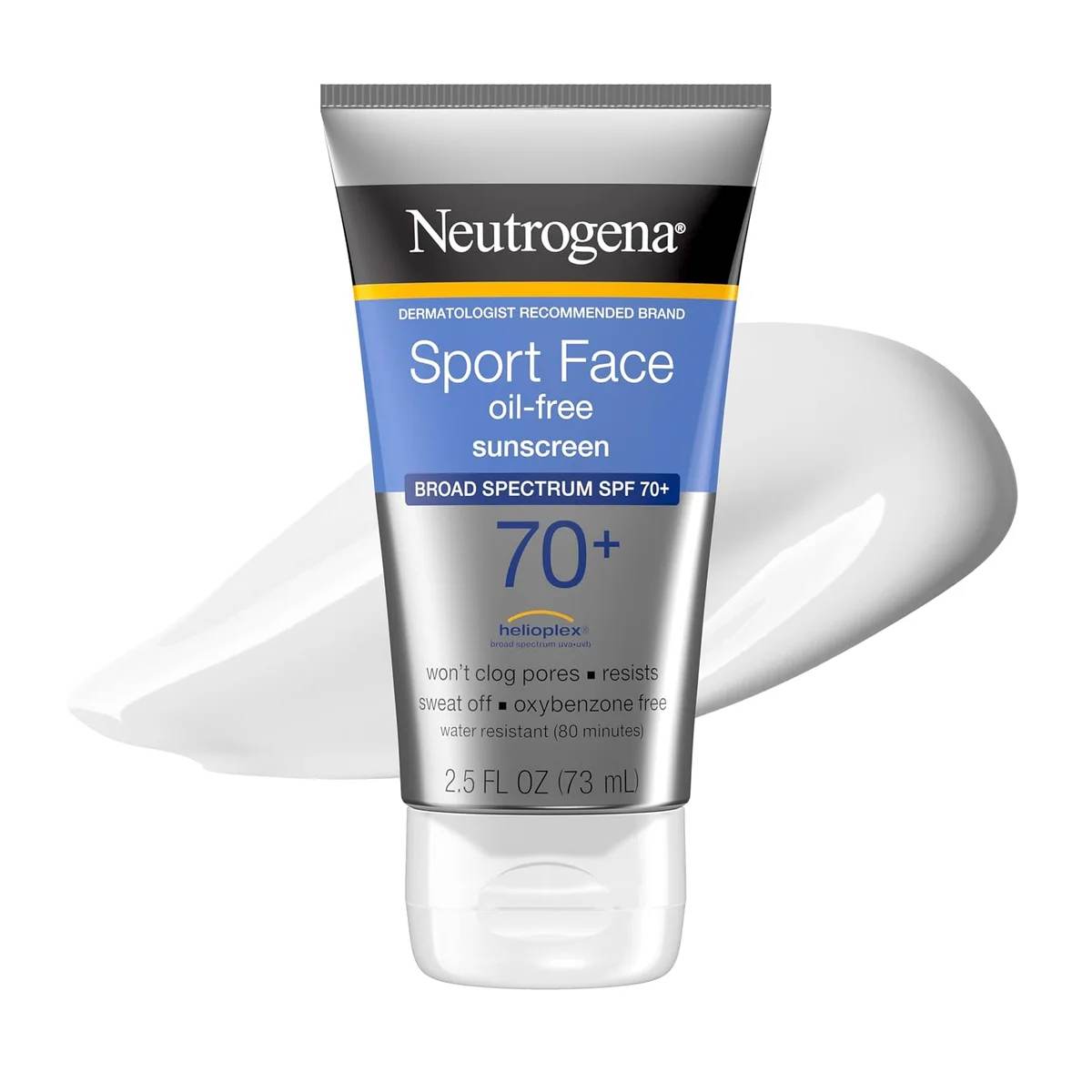
Neutrogena Sport Face SPF 70+
Survives an eight-hour uphill without running into your eyes, which almost no cheap sunscreen does; it is a chemical filter, so it needs twenty minutes before you set off.
Skip it ifSensitive or reactive skin. Take a mineral zinc stick instead and test it at home first.
About the links on this page.Some go to Amazon, and as an Amazon Associate we earn from qualifying purchases — at no extra cost to you. It does not change what we recommend: every card here also says who the item is not for, and a few things we think you should simply rent in Kathmandu or Pokhara instead, which earns us nothing.
The rest of the shelf
 Best overall
For wind-driven snow, when sunglasses stop working
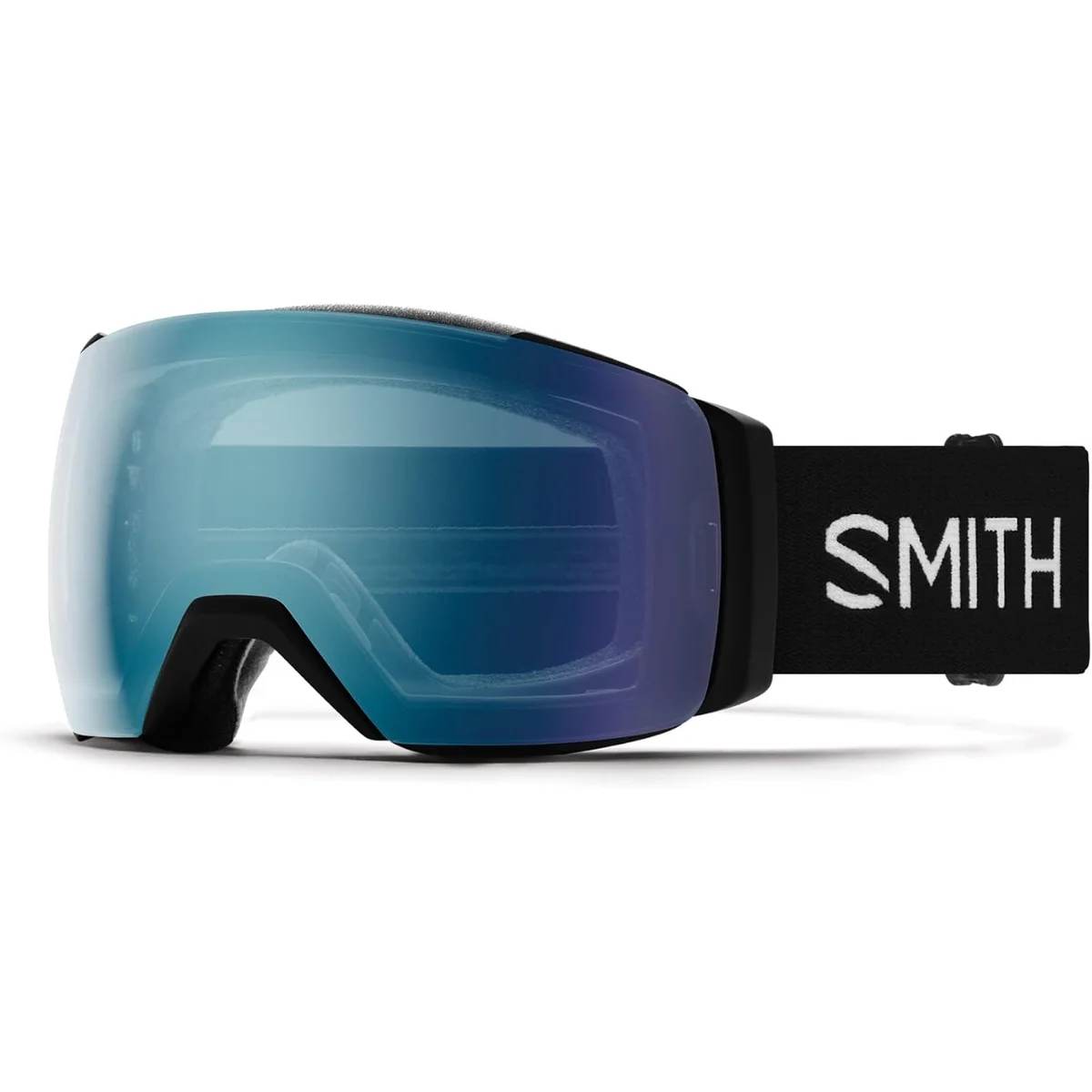
Smith I/O MAG Goggles
The only thing that works in a whiteout on a pass, and the second lens covers flat light — for most teahouse trekkers this is an expensive item that never leaves the duffel.
Skip it ifAny standard teahouse trek. Take these for a peak climb or a winter crossing, and rent rather than buy if it is a one-off.
 Best overall
Category 4 lenses for a day spent on snow
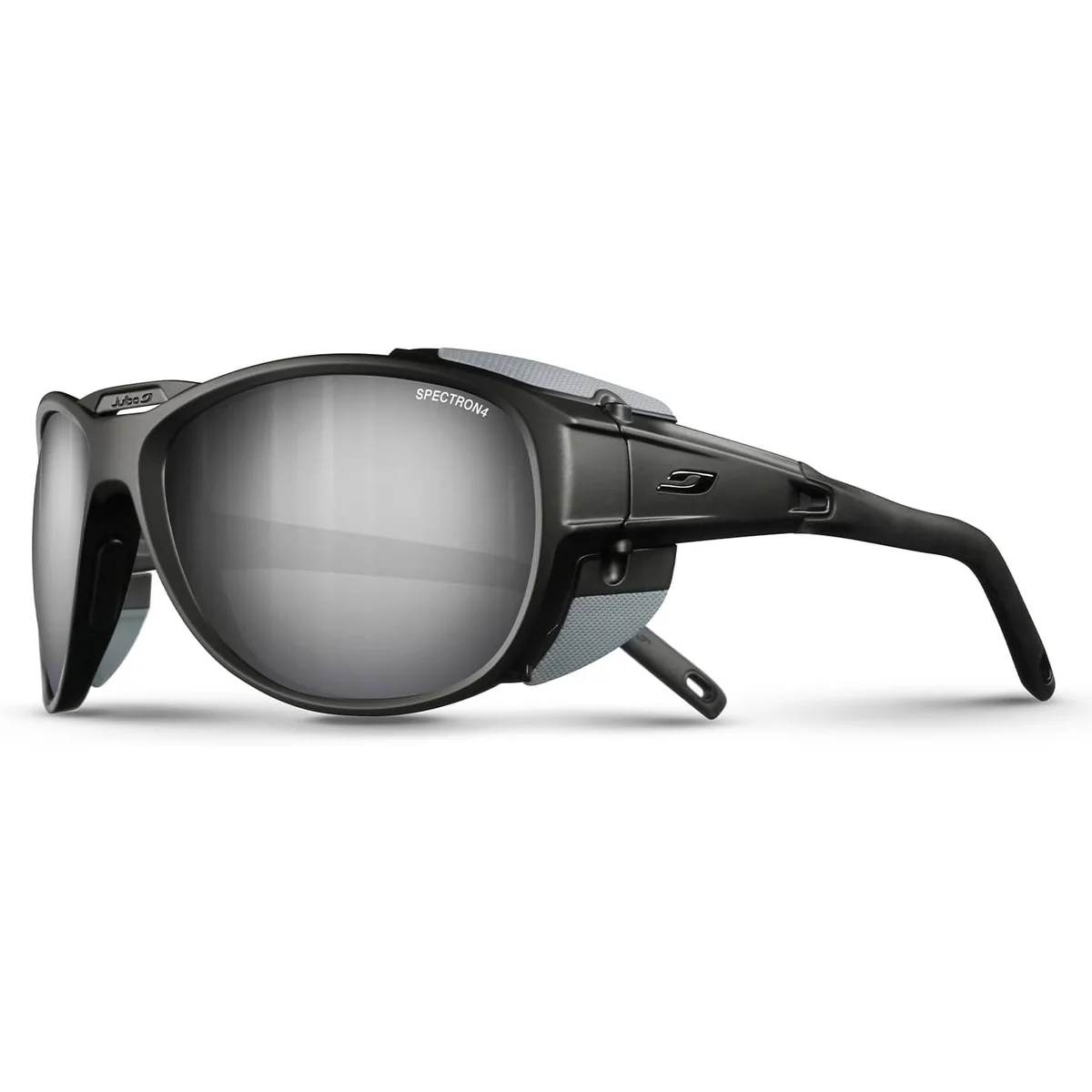
Julbo Explorer 2.0
The right glasses for Island Peak or a snowbound pass, and the wrong glasses for everything either side of it — Category 4 is too dark to walk into a lodge or read a map in shade.
Skip it ifA teahouse trek. If your route never crosses a glacier or a long snow slope, Category 3 with side shields is enough and far more usable.
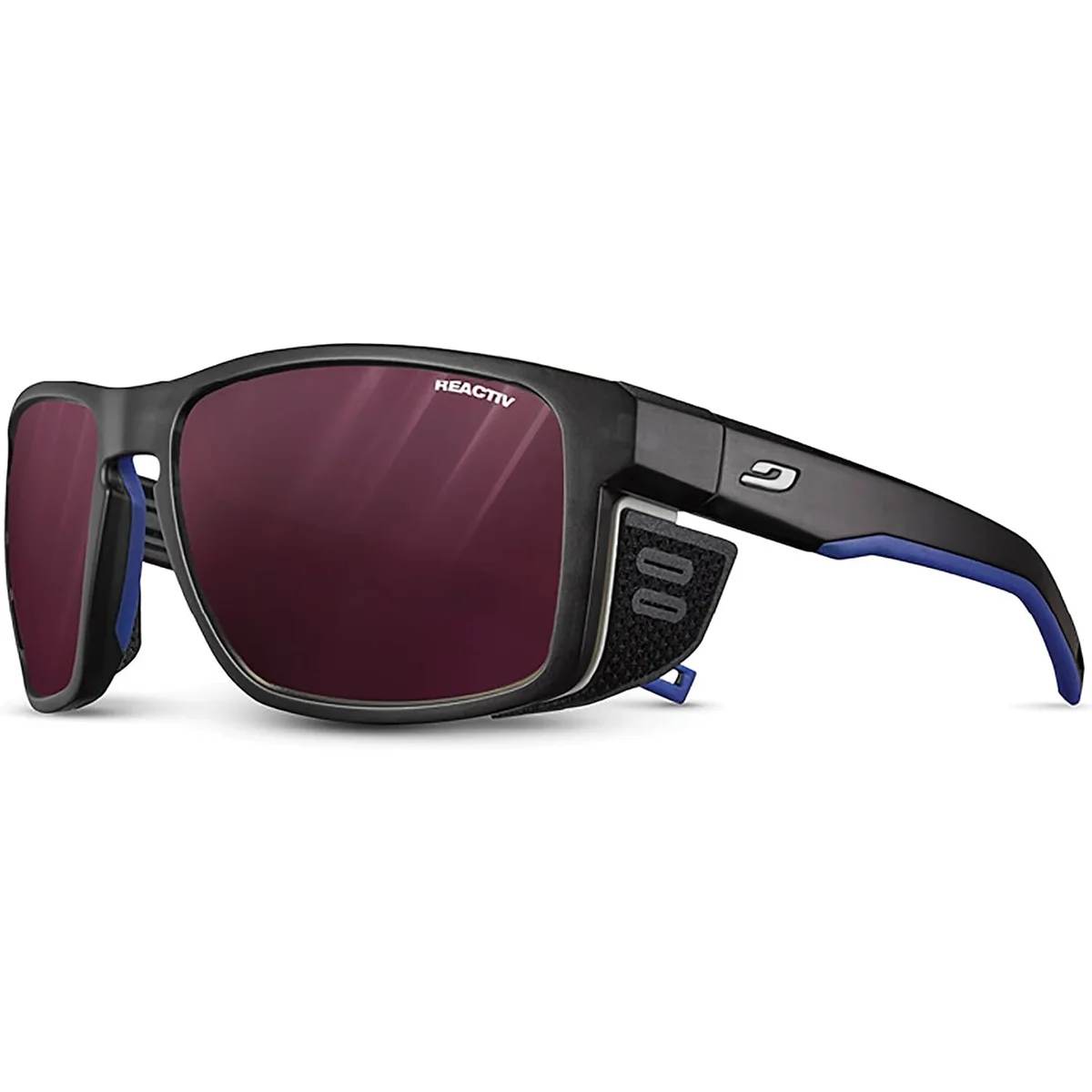 Best overall
Side coverage without committing to full glacier lenses
Julbo Shield M
The one pair that works from Lukla to the Cho La — shields on for snow, off for the walk-in. You pay roughly double a normal sports sunglass for that flexibility.
Skip it ifA short trek that never touches snow. A decent Category 3 wraparound at a fifth of the price does that job.
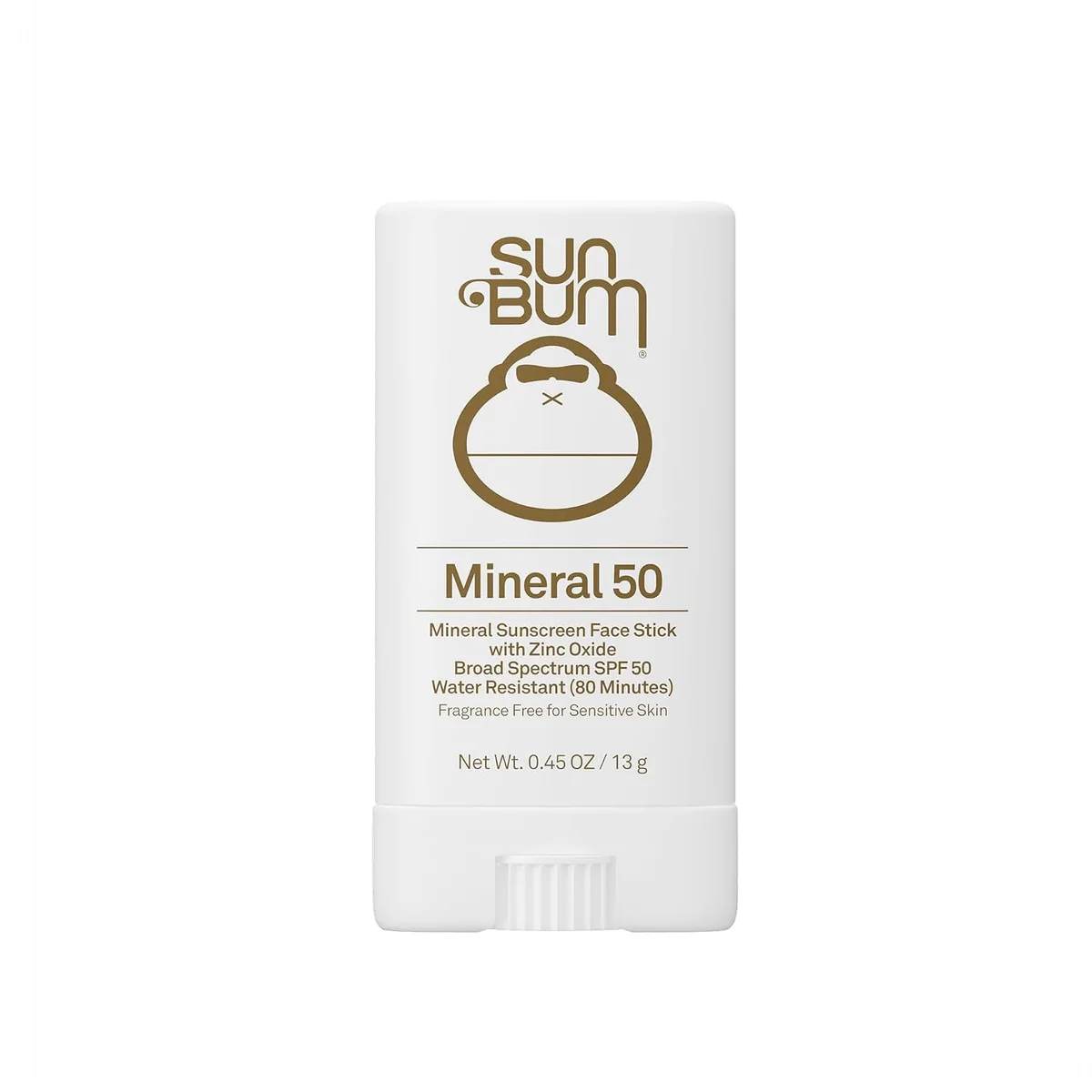 Best for nose and ears
The physical block for the bits that always burn
Sun Bum Mineral Face Stick SPF 50
A stick goes on thick where a lotion goes on thin, which is exactly what a nose at 5,000 m needs — it leaves a visible white cast that no amount of rubbing removes.
Skip it ifFull-body coverage. This is for nose, ears, lips and the back of the neck.
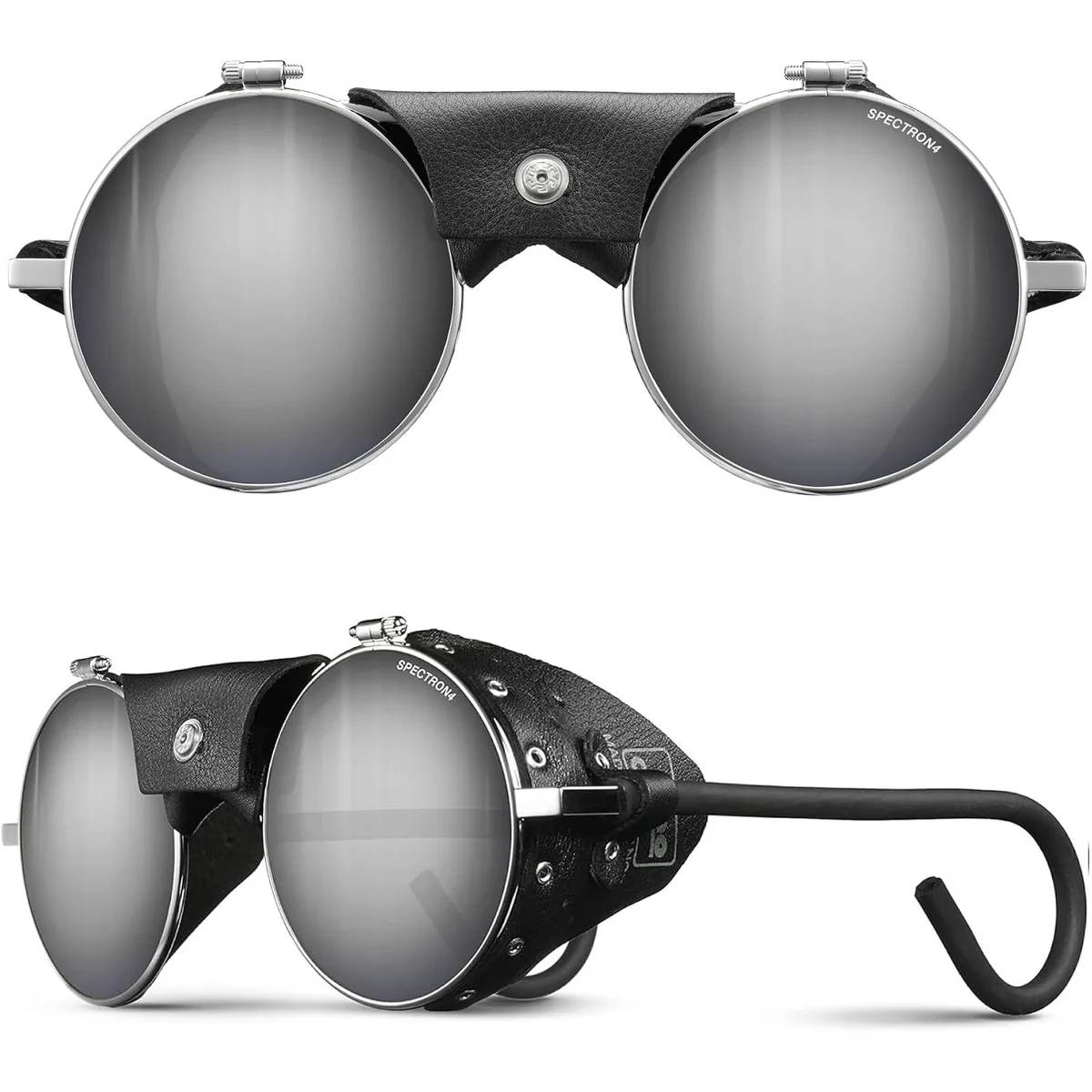 The classic
Leather side shields, unchanged since the 1950s
Julbo Vermont Classic
Still the reference for a reason, and the glass lens is optically better than anything plastic; it is also heavier, and the leather takes days to dry once soaked.
Skip it ifAnyone who wants one pair for everything. This is a specialist tool bought by people who already own trekking sunglasses.
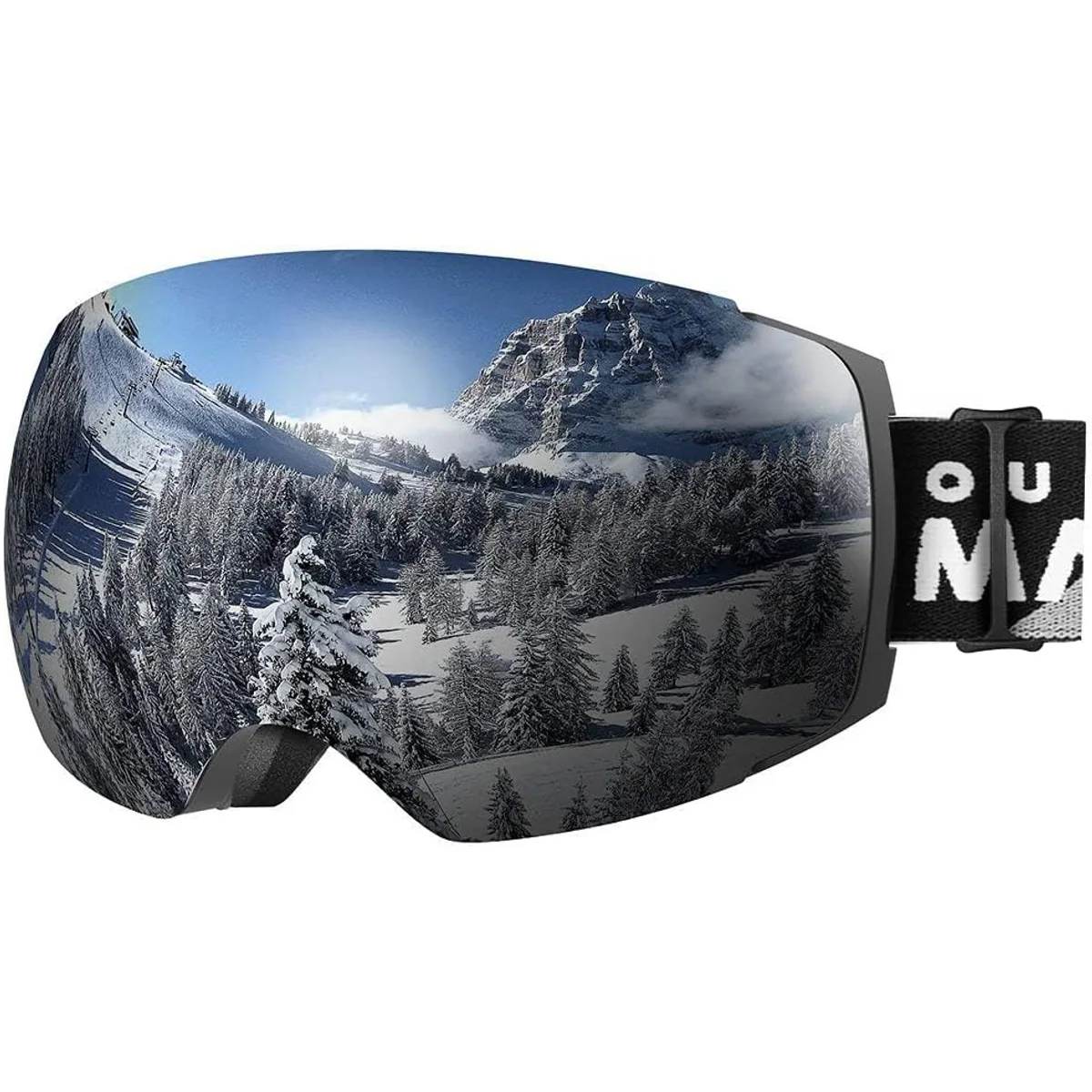 Best value
Good-enough goggles for one pass in bad weather
OutdoorMaster Ski Goggles PRO
Does eighty per cent of what a premium goggle does for a fifth of the money, which is the right trade for kit you hope to use twice; the anti-fog coating wears off after a season.
Skip it ifRepeated high-altitude use. If you climb every year, buy once properly.
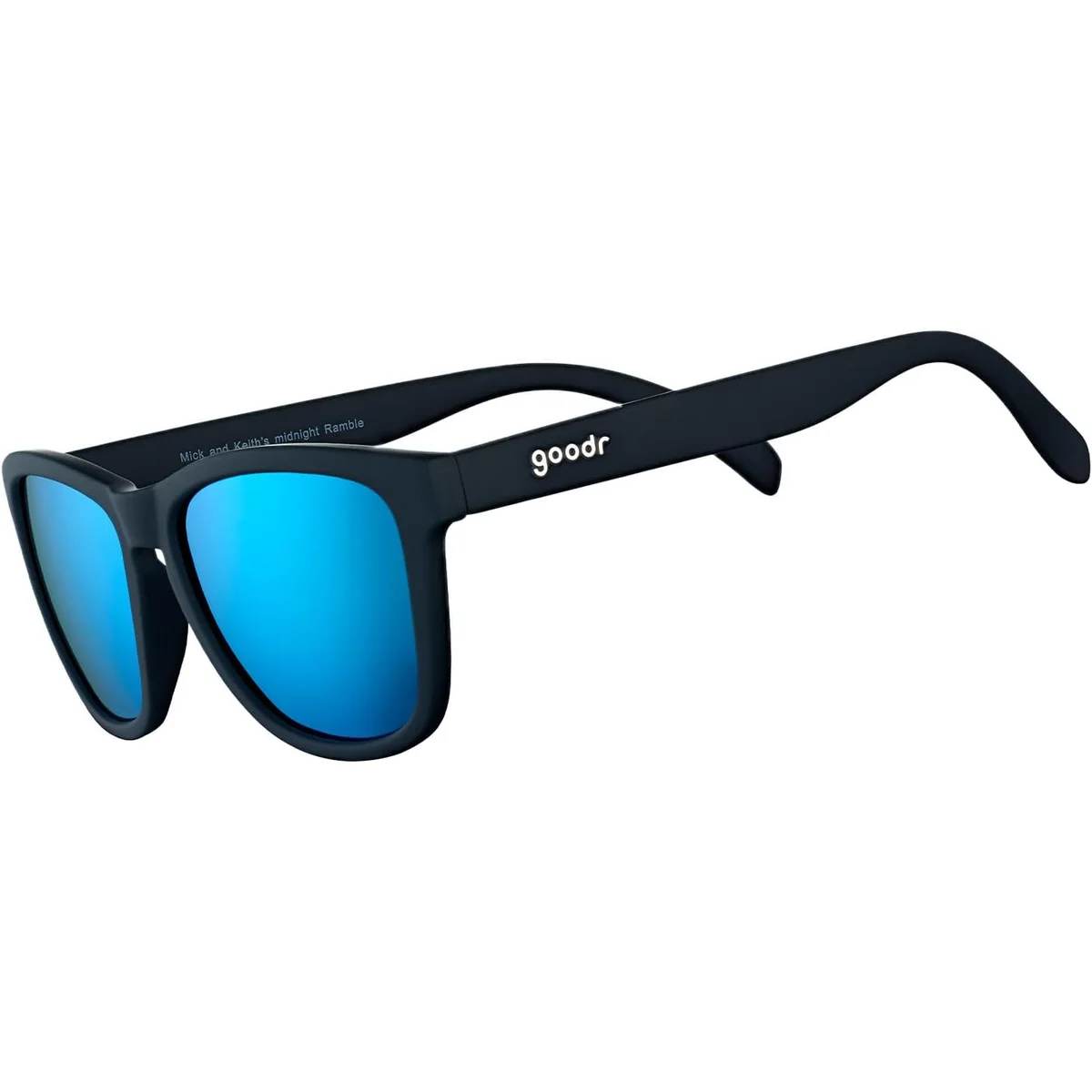 Best value
The spare pair you can afford to lose
Goodr OG Polarised
Genuinely good optics at a price where losing them off a suspension bridge is annoying rather than expensive; the frames are plastic and they will not survive being sat on.
Skip it ifAnything above the snowline. This is a low-altitude and spare-pair recommendation, nothing more.
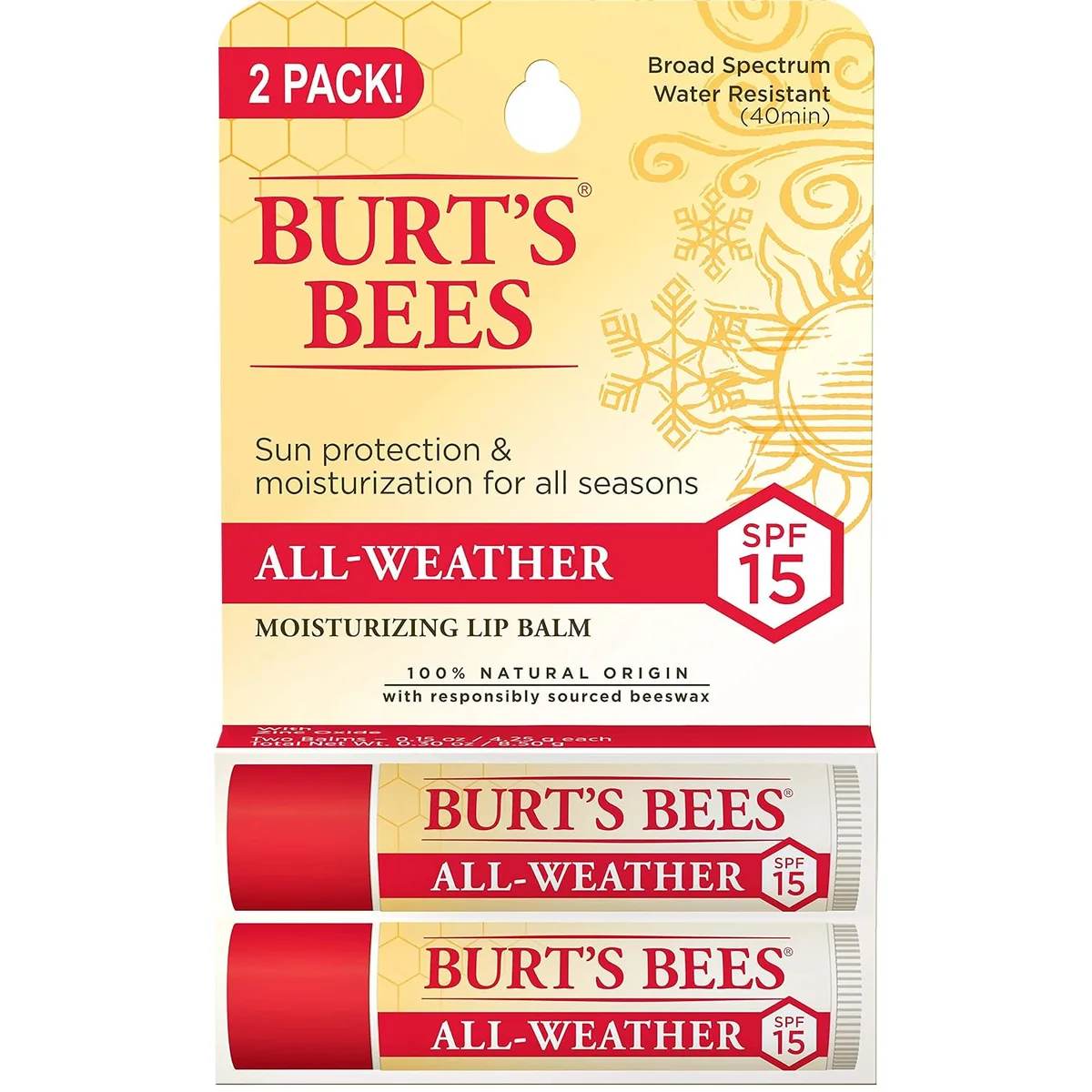 Best lip protection
The thing people forget and then think about all week
Burt's Bees All Weather SPF 15 Lip Balm
Cracked lips at altitude hurt more than they have any right to and take a fortnight to heal; SPF 15 is on the low side, so it needs applying often rather than well.
Skip it ifPeak climbing above 6,000 m, where you want SPF 30+ and a proper zinc stick on the lips.