
Light & Power
Our itineraries leave at 3:00, 4:00 and 4:30 AM. Teahouse power is metered solar.
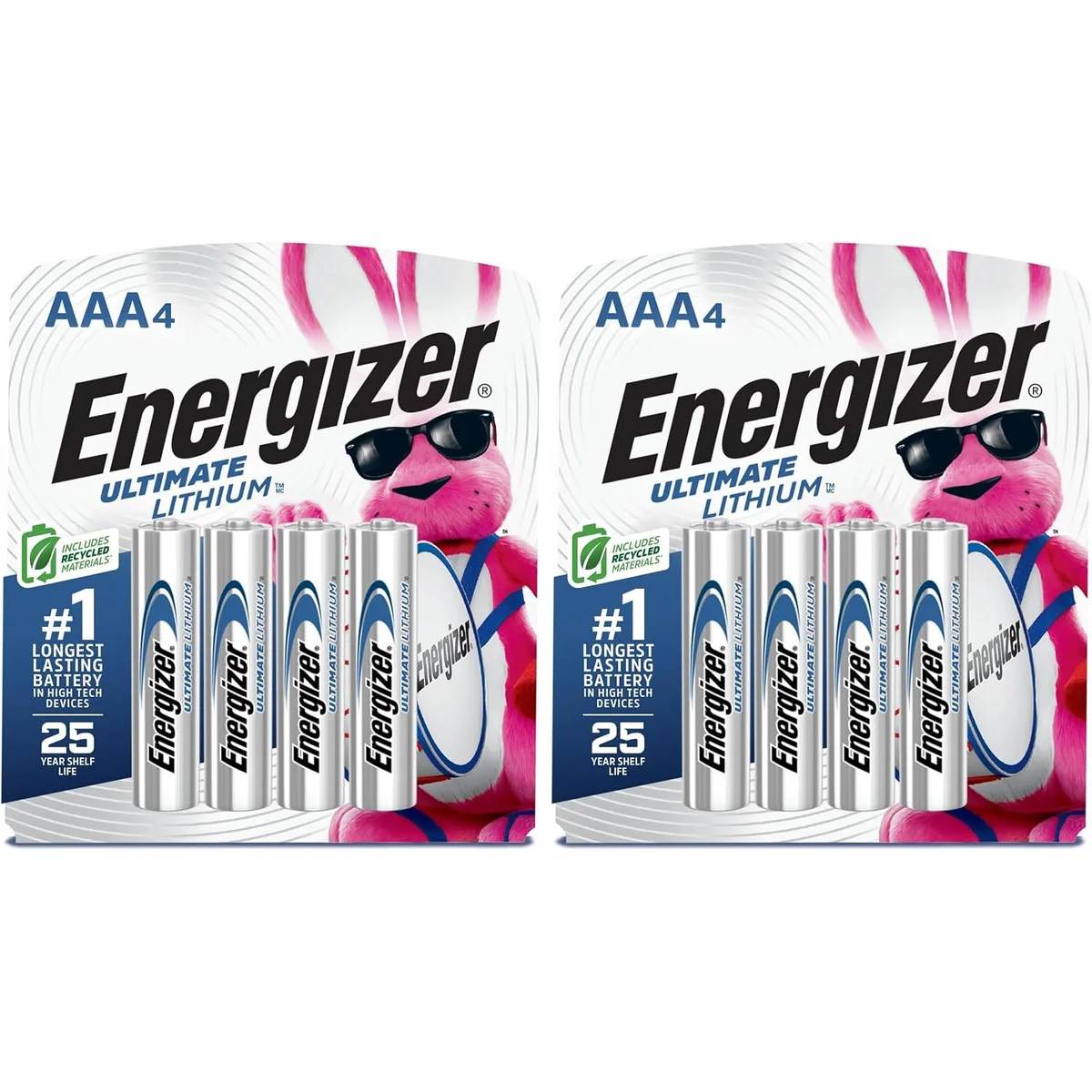
The only AAA that still works at −15 °C
Energizer Ultimate Lithium AAA
Alkalines lose most of their usable capacity in real cold and a headlamp dies mid-descent; lithium does not, and it costs roughly three times as much per cell.
Skip it ifLow-altitude treks in warm months. Ordinary alkalines are fine below 3,000 m.
About the links on this page.Some go to Amazon, and as an Amazon Associate we earn from qualifying purchases — at no extra cost to you. It does not change what we recommend: every card here also says who the item is not for, and a few things we think you should simply rent in Kathmandu or Pokhara instead, which earns us nothing.
The rest of the shelf
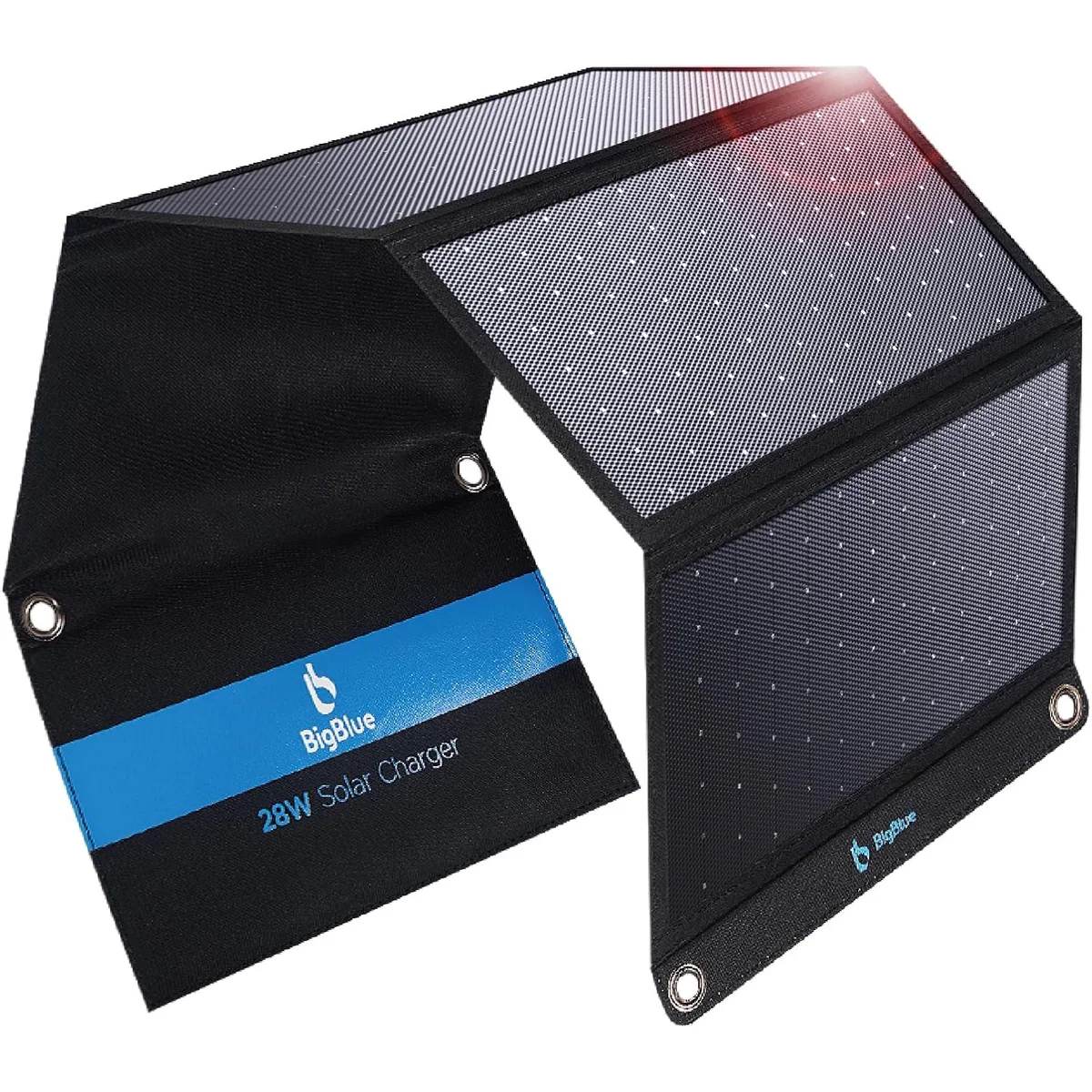 Best panel
For expedition camps where there is no lodge at all
BigBlue 28W Solar Charger
Genuinely charges a power bank in a Himalayan day of clear sun, which is a real advantage on a camping trek — on a teahouse trek it is 670 g replacing a service that costs a few dollars.
Skip it ifAny lodge-based trek. Lodges charge for power precisely because they already have panels.
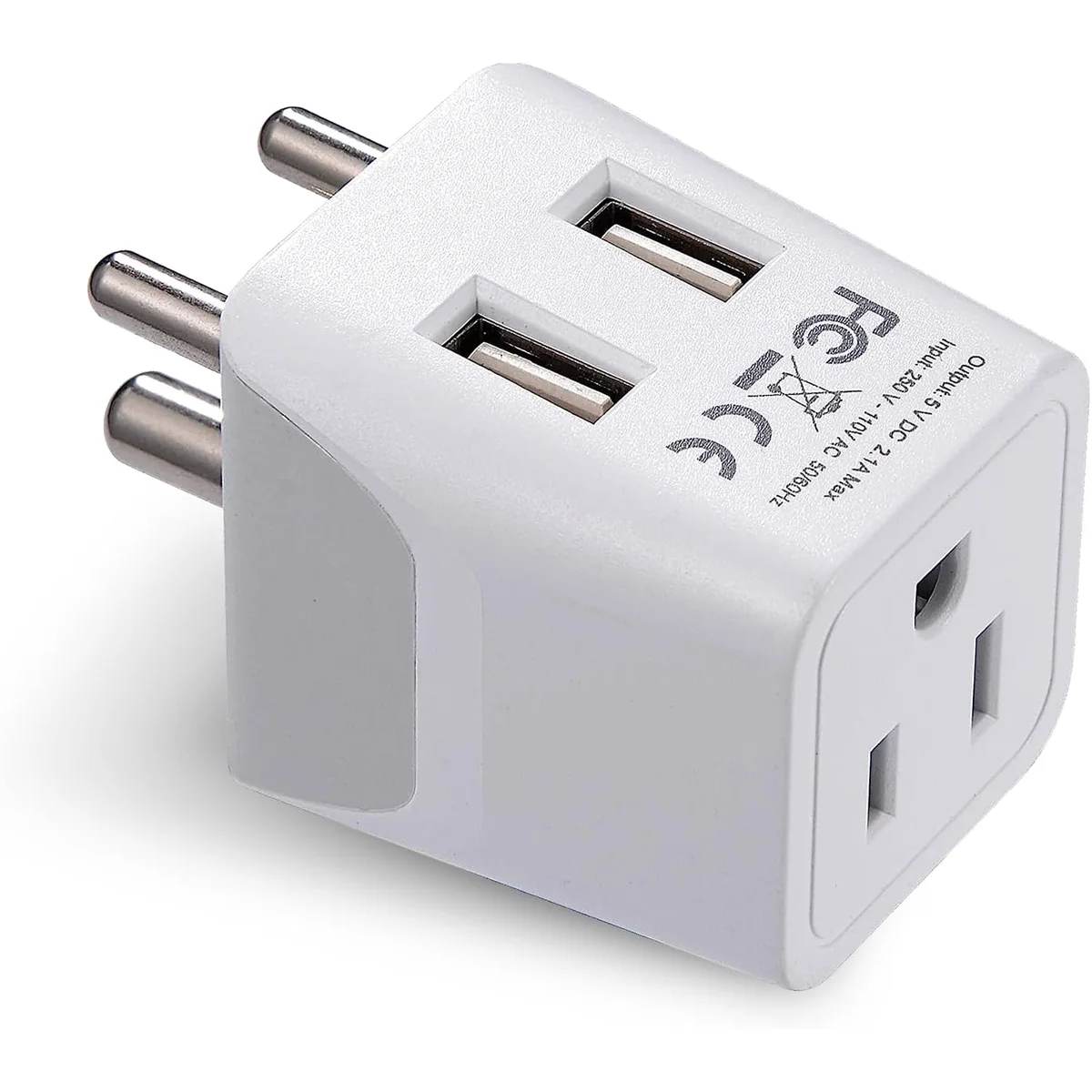 Essential
Nepal runs Type C, D and M — your plug fits none of them
Universal travel adapter with USB-C (Type C/D)
A universal adapter with its own USB-C ports means one wall socket charges three things, which matters when a lodge has exactly one and six guests — the cheap ones have no fuse, so do not run a laptop through it.
Skip it ifNothing. Everyone arriving from the UK, US, EU or Australia needs one.
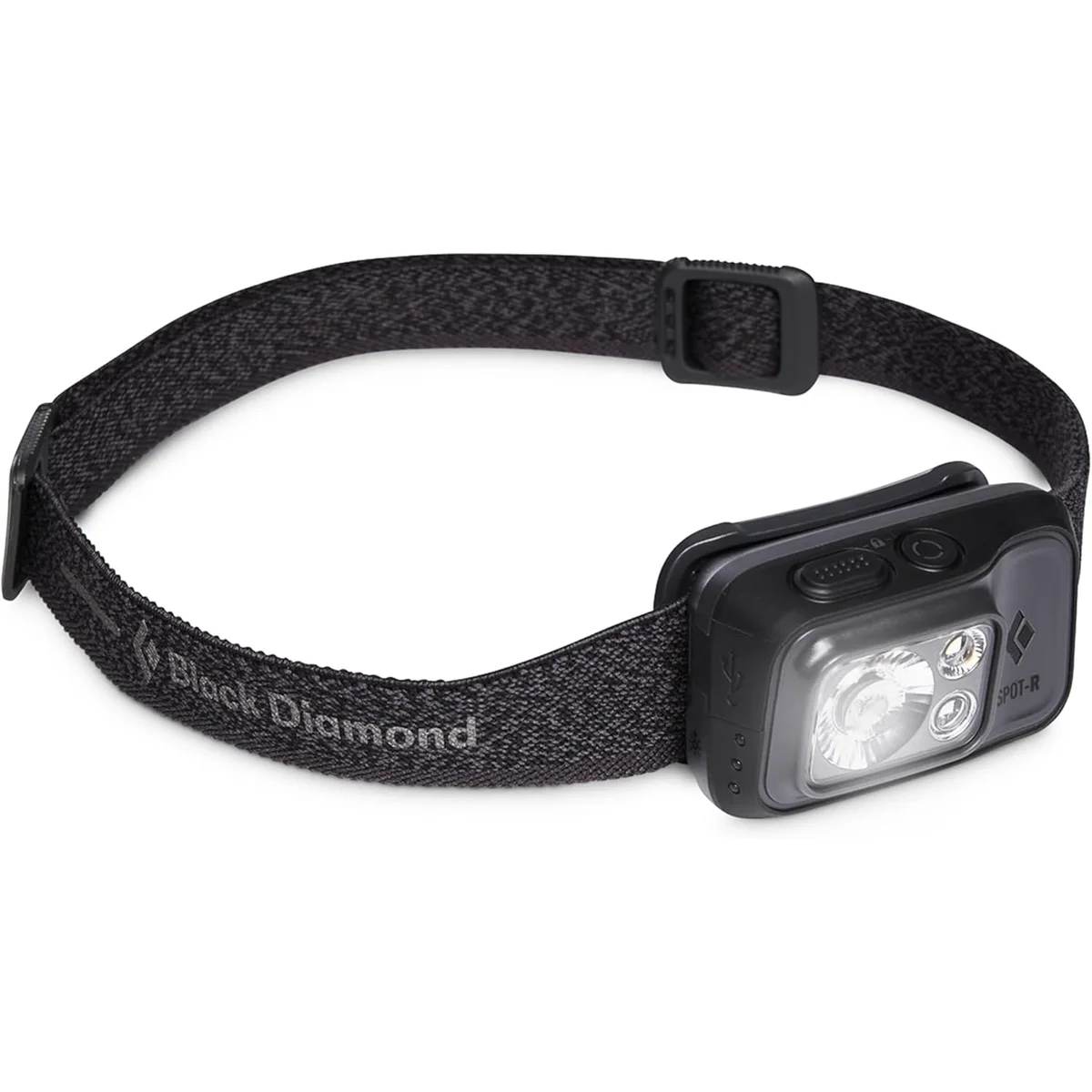 Best overall
The 4 a.m. start and the walk to the toilet block
Black Diamond Spot 400
Bright enough for a pre-dawn pass and simple enough to fix in the dark with cold hands — it runs on AAAs, which is heavier than a rechargeable and is exactly why we recommend it.
Skip it ifWeight-counting fastpackers. Take the rechargeable and accept that a flat battery at 4,800 m is your problem.
 Best overall
Two phone charges for the weight of a phone
Nitecore NB10000 Gen 3
The best capacity-per-gram you can buy and it clears every airline limit without a conversation — 10,000 mAh is about two phone charges, so on a fortnight above the solar line you will still be paying a lodge occasionally.
Skip it ifA camera-heavy trip or a group sharing one bank. Take the 20,000 mAh instead.
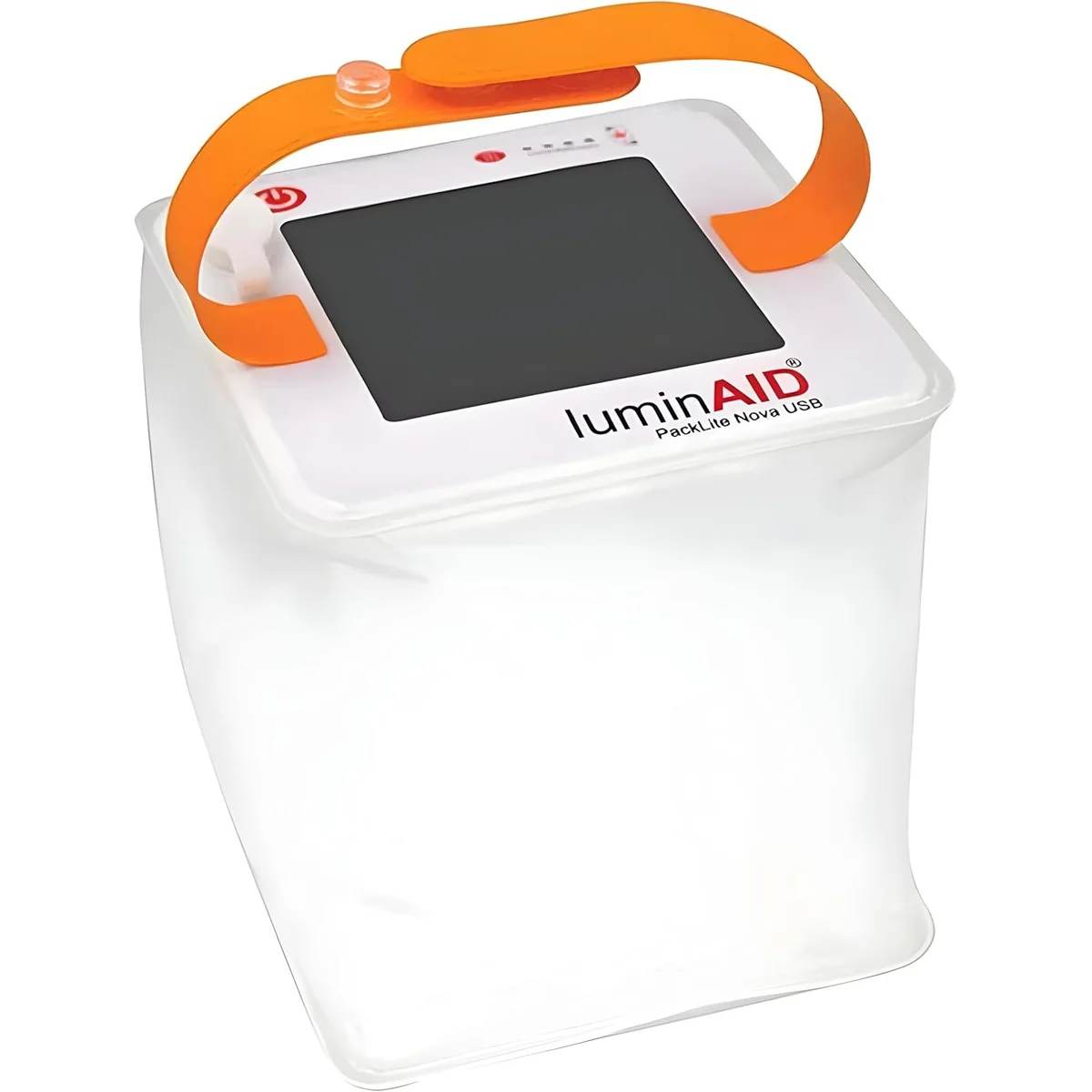 Best lantern
Light for a whole table, not a single beam
LuminAID Nova Inflatable Solar Lantern
Turns a dark dining room into somewhere you can play cards, and it charges itself hanging off the back of a pack — the panel is small, so treat solar as a top-up rather than a charger.
Skip it ifAnyone counting grams. A headlamp on its lowest setting, pointed at a wall, does most of this.
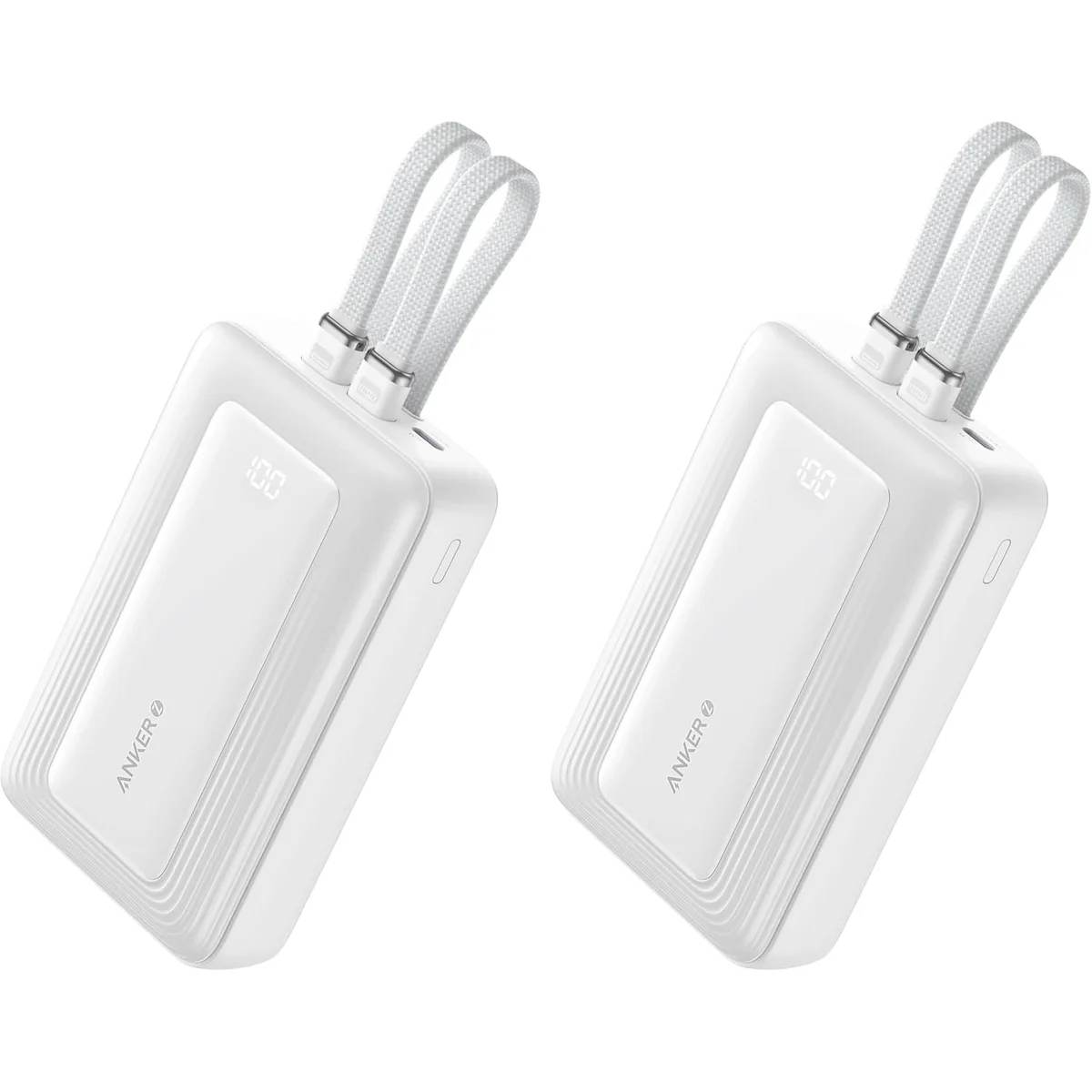 Best capacity
A fortnight off-grid without paying for lodge charging
Anker Power Bank 20,000 mAh
Four to five phone charges, which is genuinely a whole Everest Base Camp trek without ever paying a lodge — you carry 350 g up to 5,545 m to save perhaps twenty dollars.
Skip it ifShort treks, or anyone whose porter weight allowance is already tight.
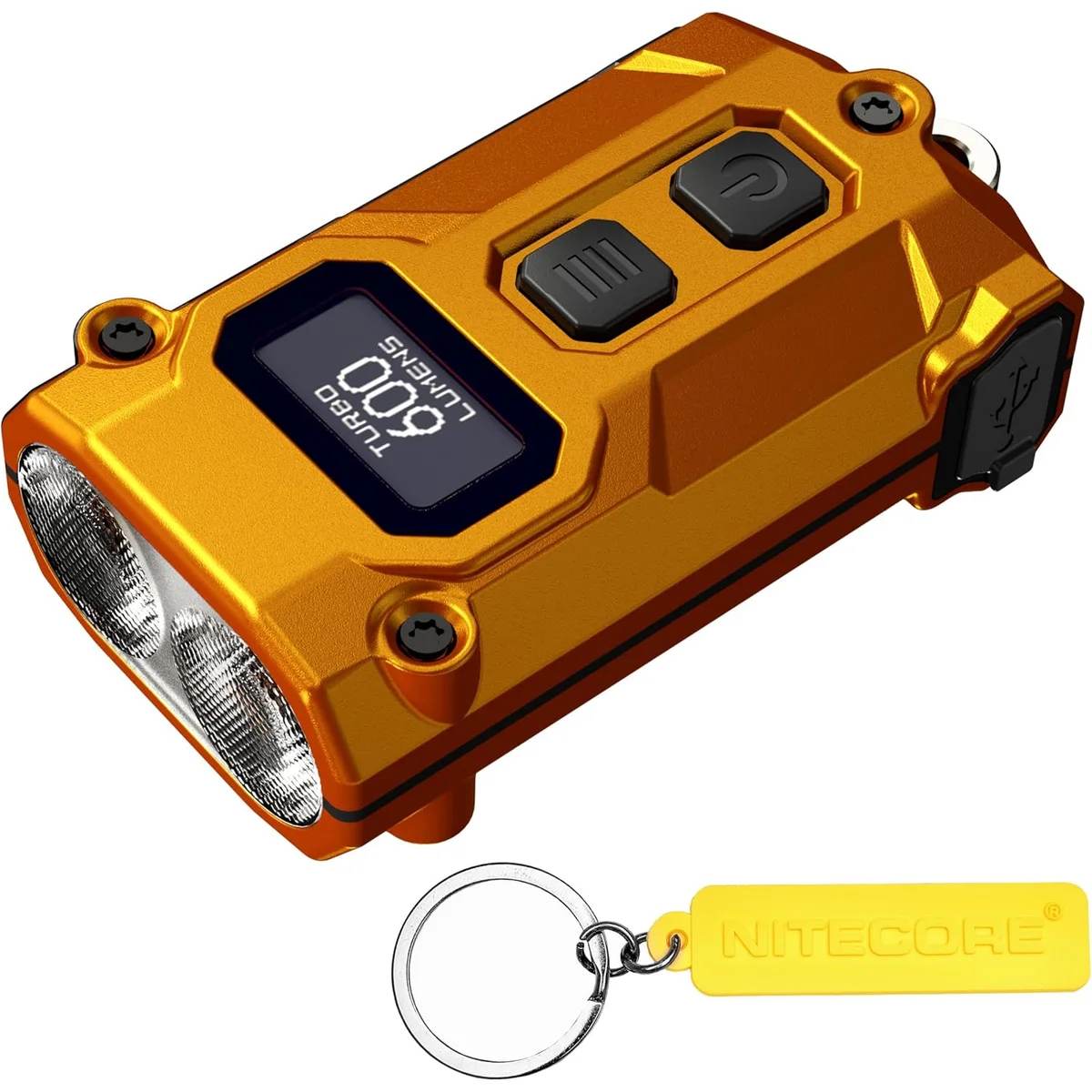 Best pocket torch
On your keys, for the night you cannot find your headlamp
Nitecore TINI 3 Keychain Light
Absurdly bright for something the size of a thumb, and it lives on the keyring you already carry — the runtime at full brightness is measured in minutes, not hours.
Skip it ifWalking. You need both hands and a beam that lasts.
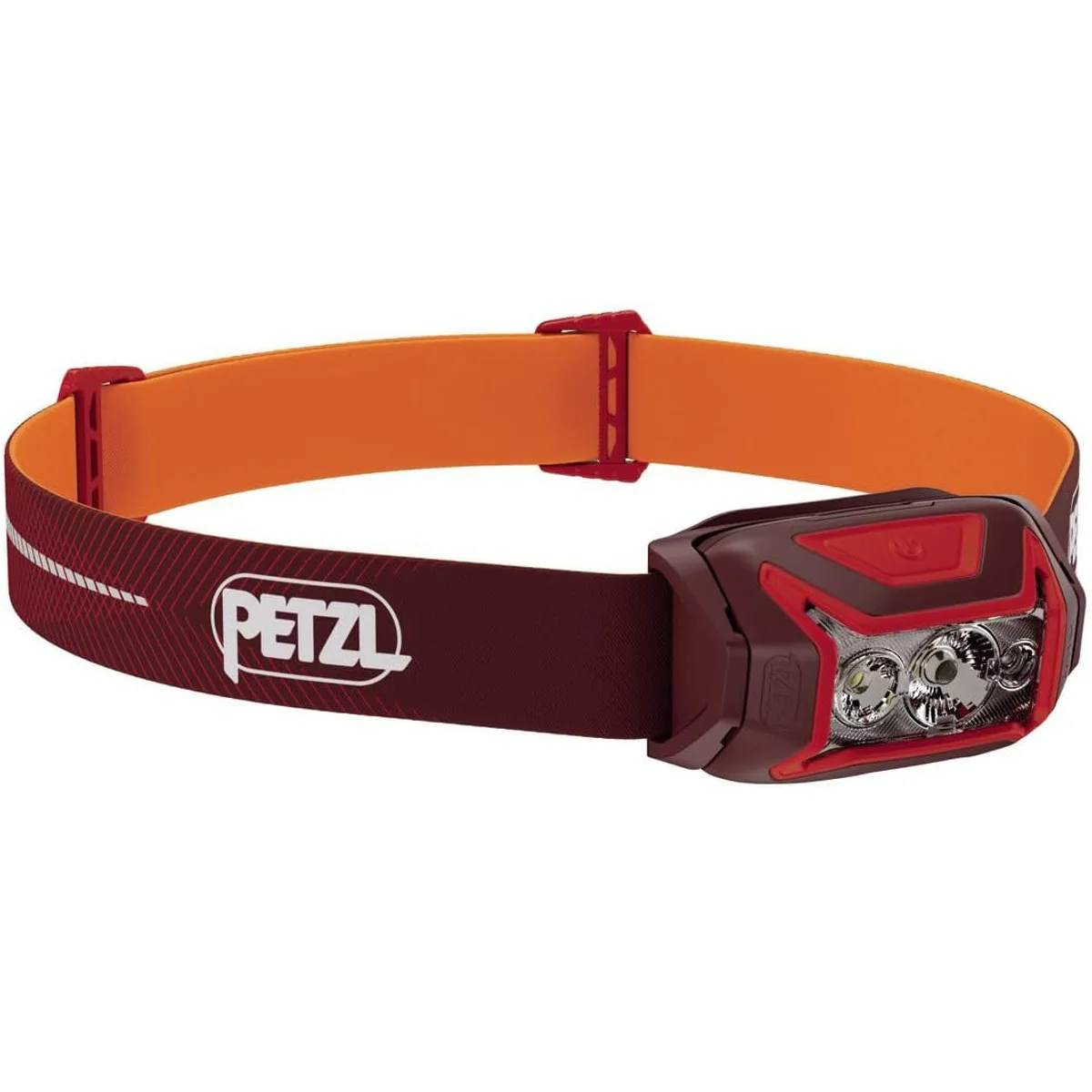 Best rechargeable
For people already carrying a power bank
Petzl Actik Core
The hybrid design is the honest compromise: charge it off your bank most nights, drop in AAAs when the solar has failed for three days — you pay more than either single-format lamp costs.
Skip it ifA short low-altitude trek. This is a two-format solution to a two-week problem.
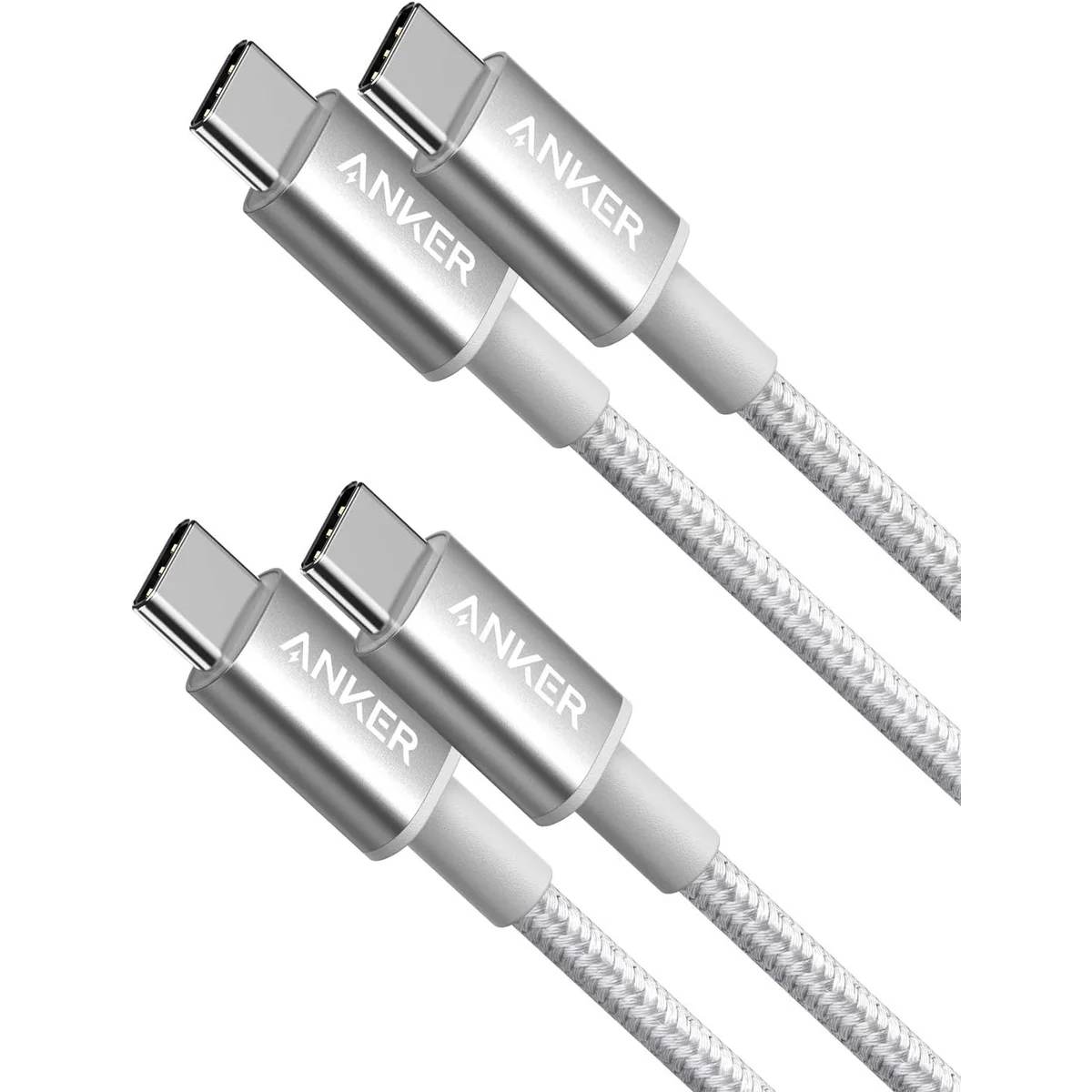 Best cable
The one that survives being crushed in a duffel
Anker PowerLine USB-C Cable
Take two — a failed cable at 4,500 m turns a working power bank into ballast, and this is the cheapest failure in the whole department to insure against.
Skip it ifNobody. If you take one thing from this page, take a spare cable.
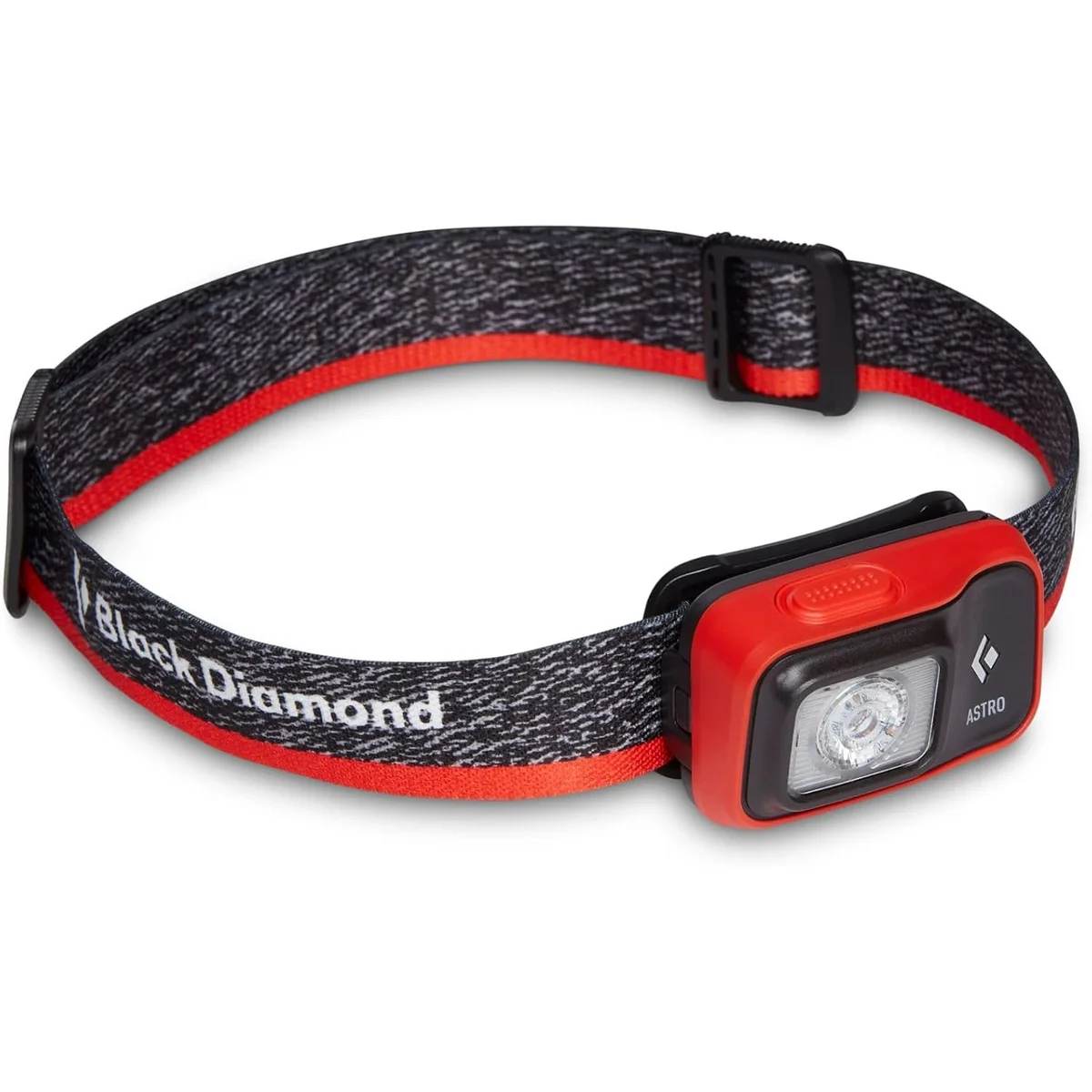 Best backup
The spare that lives in the bottom of the duffel
Black Diamond Astro 300
Cheap and light enough that carrying two lamps stops being an argument — the beam is flat and the strap is thin, so it is a backup and not a main lamp.
Skip it ifYour only light source on a peak climb.