
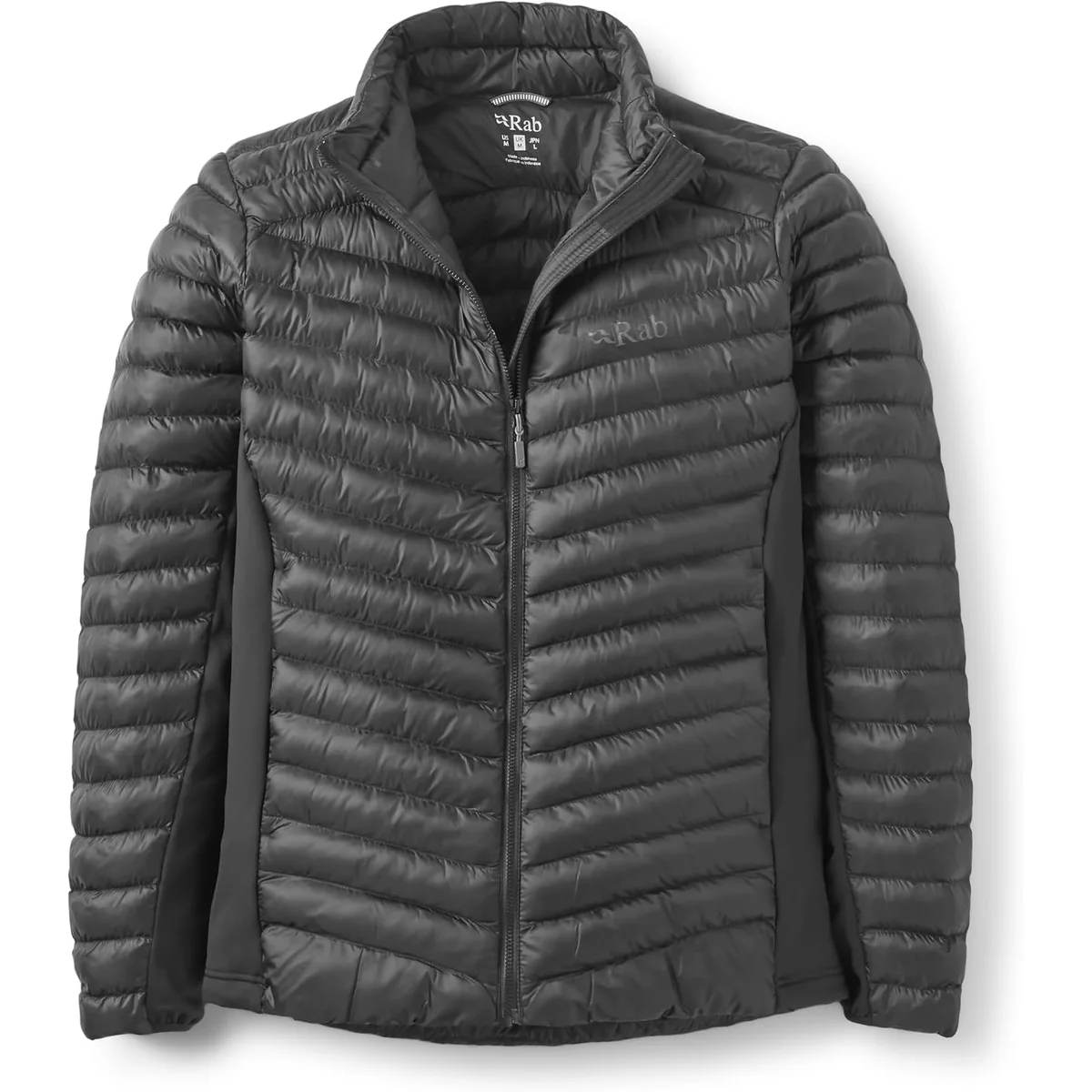
The mid-layer you wear every single evening
Rab Cirrus Insulated Jacket
Synthetic keeps insulating when it gets damp, which in a Himalayan spring matters more than the extra warmth-per-gram of down — it is noticeably less warm than a down jacket of the same weight, and that is the deal.
Skip it ifSub-zero evenings at 5,000 m as your only warm layer. This is the mid-layer under a down jacket, not a replacement for one.
- Base Layers3
- Insulation & Down3
- Waterproof & Wind Shells2
- Trousers & Shorts2
- Gloves & Mitts2
- Hats, Caps & Buffs3
- Warm-Weather Layers2
About the links on this page.Some go to Amazon, and as an Amazon Associate we earn from qualifying purchases — at no extra cost to you. It does not change what we recommend: every card here also says who the item is not for, and a few things we think you should simply rent in Kathmandu or Pokhara instead, which earns us nothing.
The rest of the shelf
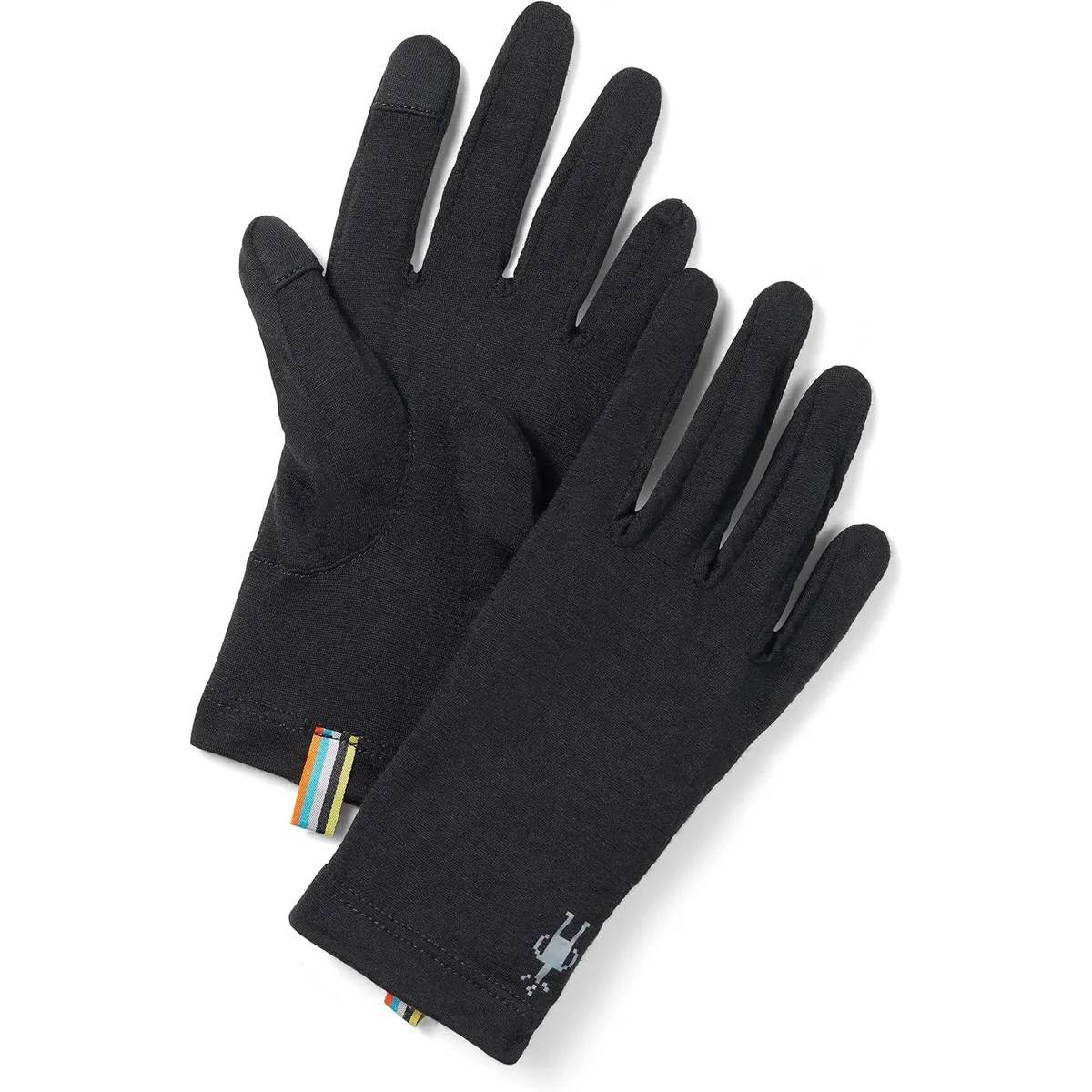 Best liner
The glove you keep on to use the camera
Smartwool Merino Gloves
Thin enough to work a phone and warm enough for most walking mornings, and merino stays warm damp where fleece does not — completely inadequate on their own once wind gets up on a pass.
Skip it ifA cold pass crossing as your only glove. This is the inner half of a two-part system.
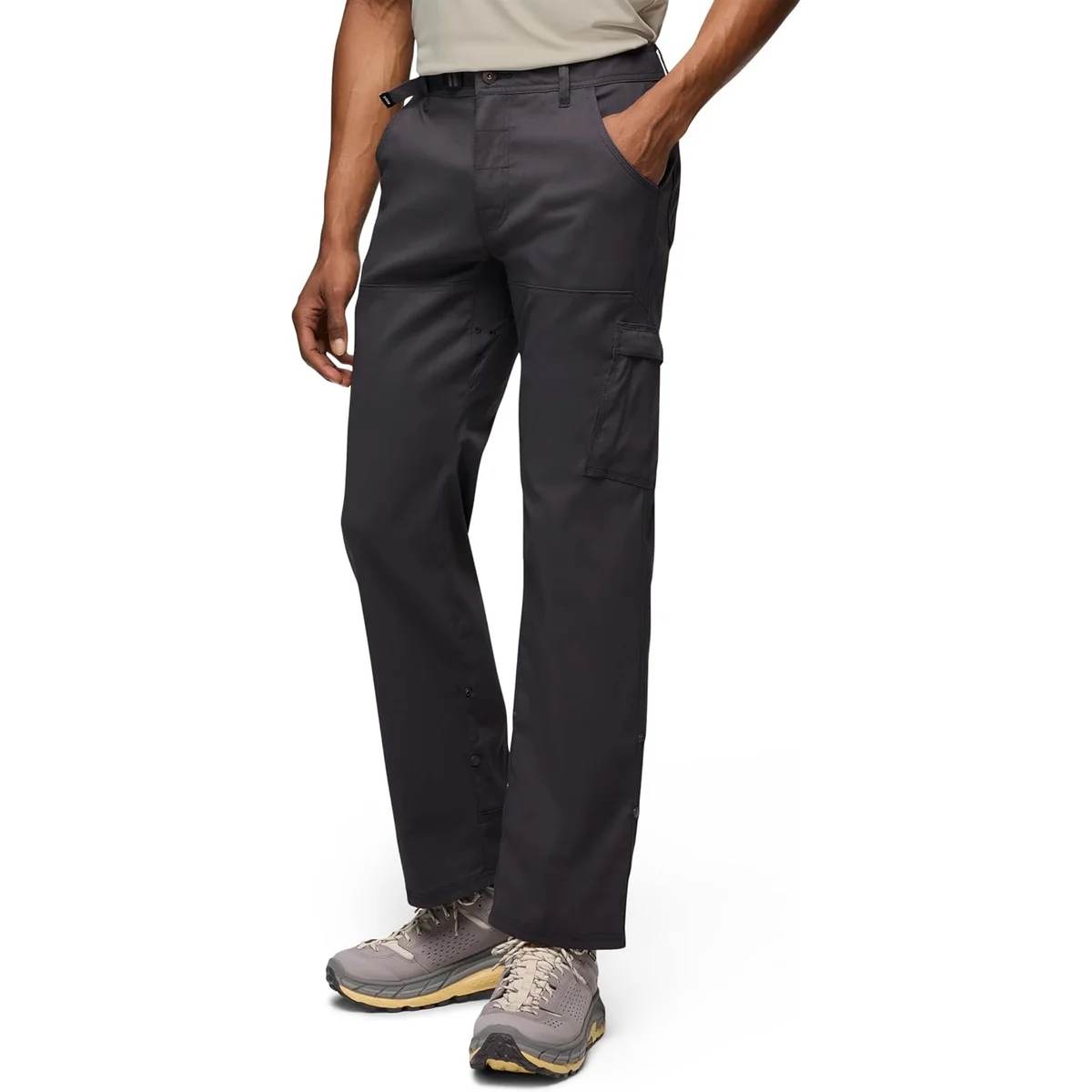 Best overall
One pair of trousers for the whole trek
prAna Stretch Zion Pant
Tough, stretchy and dry fast enough to wash in a bucket — they are not warm, so above 4,000 m you are wearing a base layer underneath.
Skip it ifCold-weather trekking as your only leg layer. Add merino bottoms above 4,000 m.
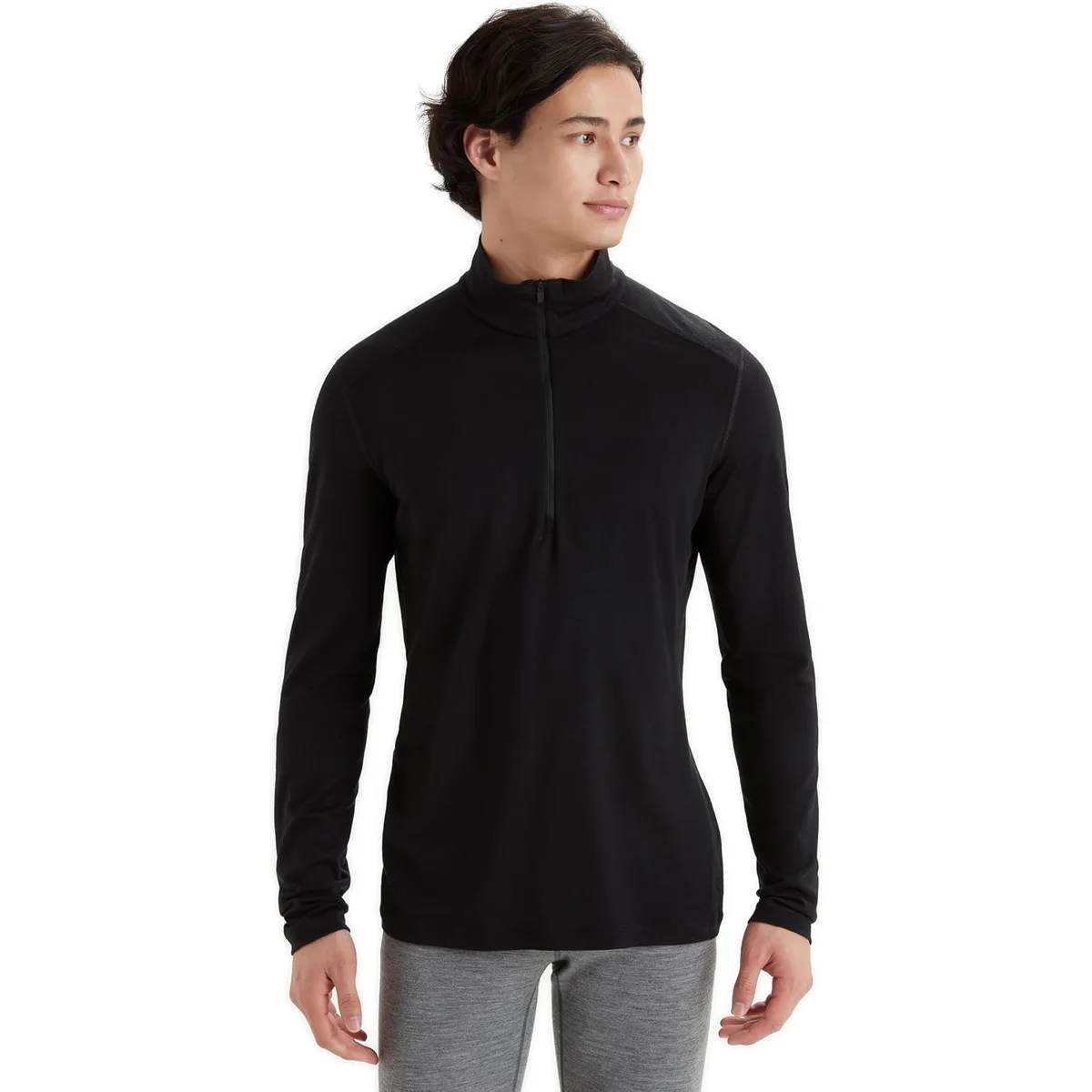 Best overall
The shirt you wear for eight days without anyone minding
Icebreaker Merino 200 Oasis Long Sleeve Crew
Merino at 200-weight is the one true trekking base layer — warm damp, warm dry, and it does not smell; it is also three times the price of synthetic and it will eventually hole at the shoulder where the pack rubs.
Skip it ifA four-day trek where you can wash and change. Synthetic is cheaper, tougher and dries faster; merino earns its price on long trips without laundry.
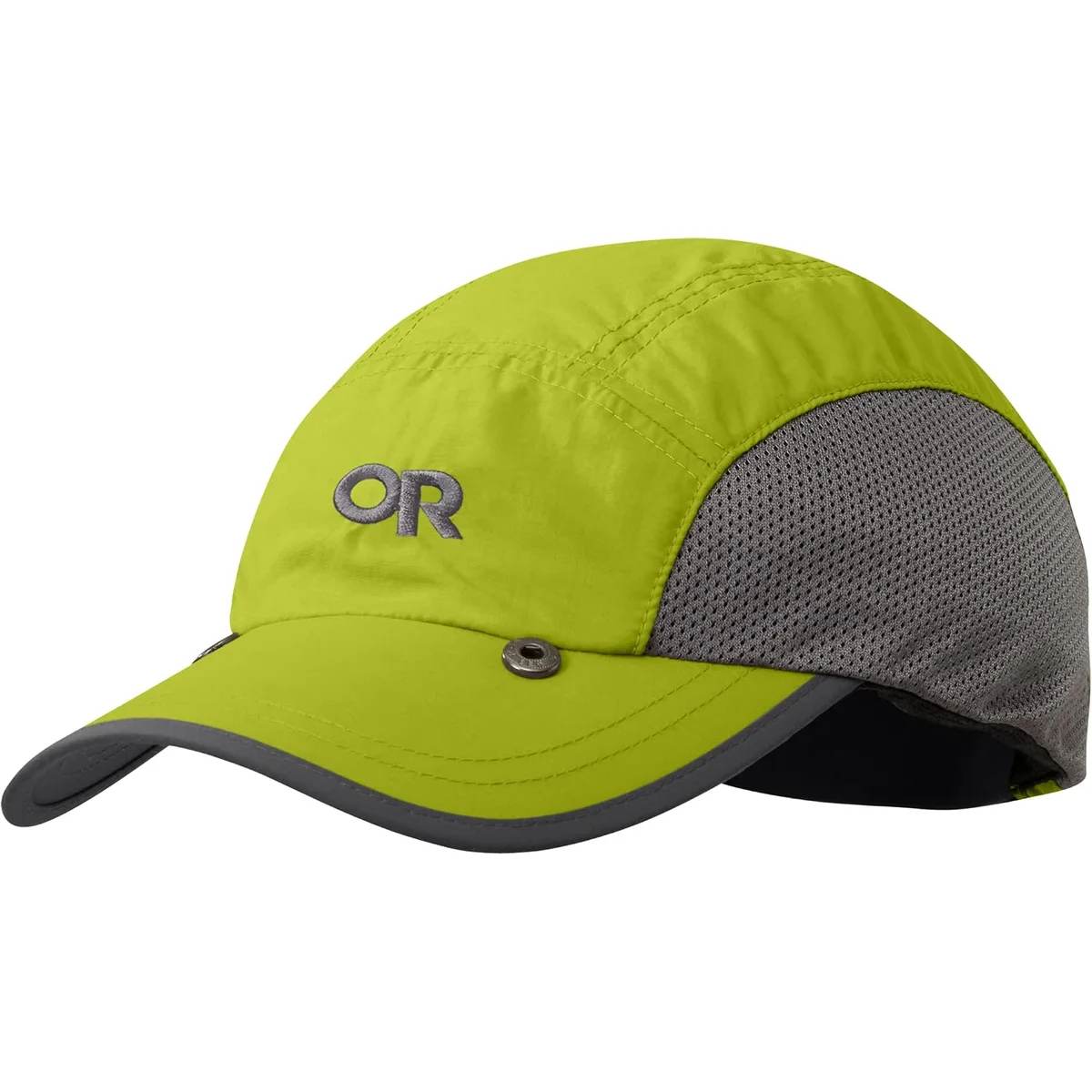 Best sun protection
A cap with a removable neck cape, for the exposed approach
Outdoor Research Sun Runner Cap
The cape covers the ears and neck that burn first and that no sunscreen ever gets reapplied to; you will look faintly ridiculous, and everyone who has burnt their ears at 4,000 m stops caring.
Skip it ifWinter trekking, where the problem is cold rather than sun.
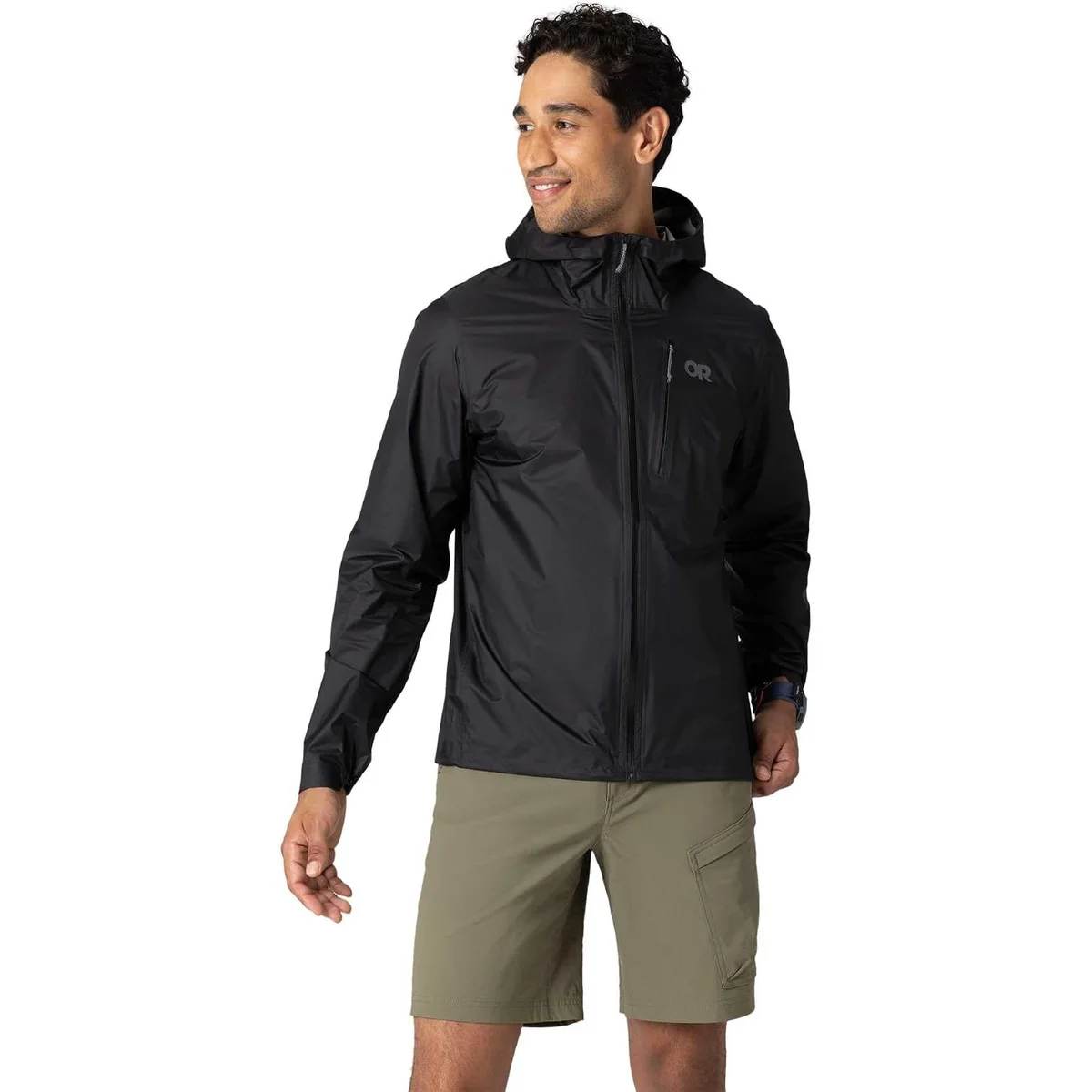 Best overall
A real waterproof that weighs almost nothing
Outdoor Research Helium Rain Jacket
Light enough that you actually carry it, which is the only property that matters in a shell — the trade is a thin fabric that will not survive being dragged across rock.
Skip it ifMonsoon-season trekking where you will be in rain for hours daily. Take a heavier three-layer shell with pit zips.
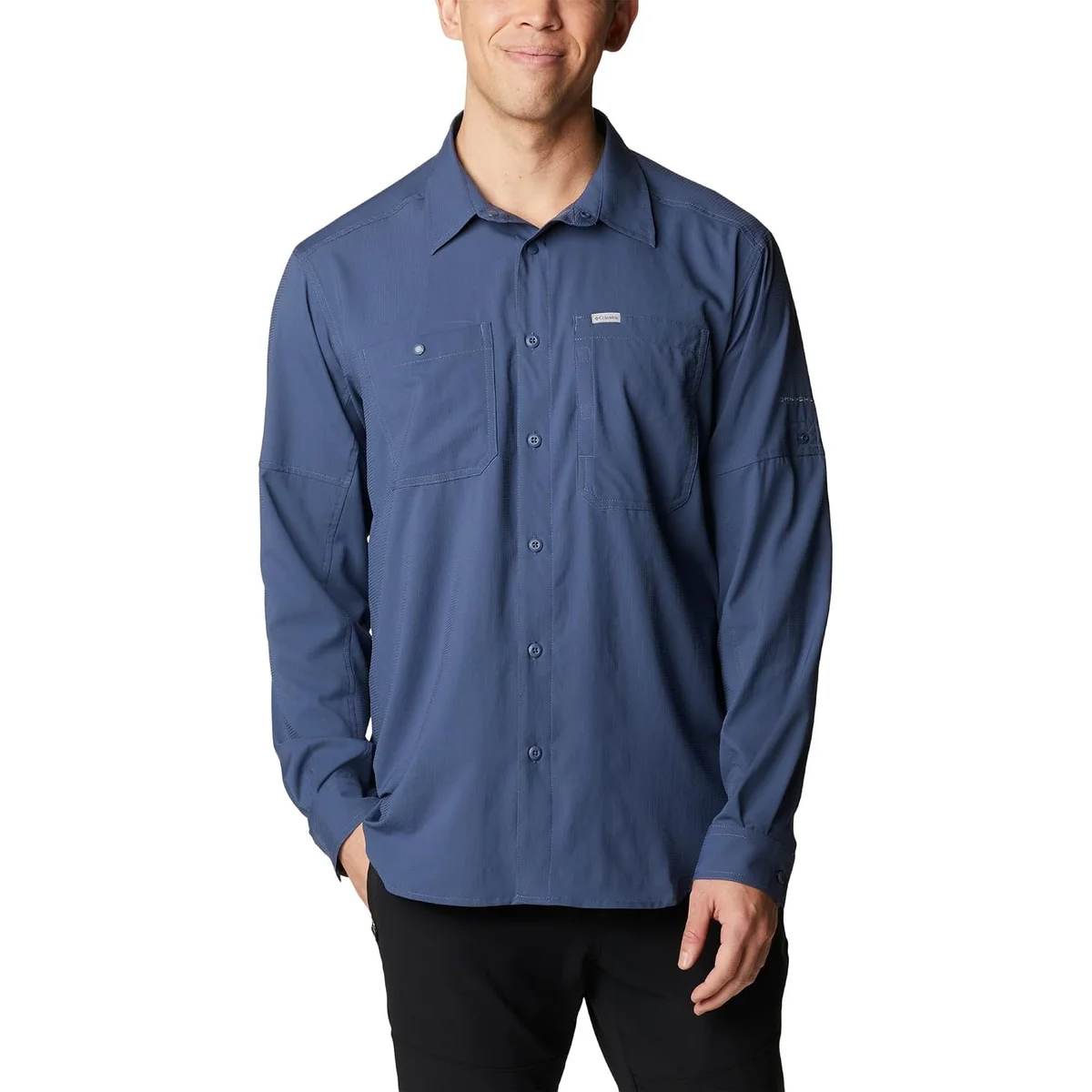 Best overall
Long sleeves in the heat, which is the counter-intuitive right answer
Columbia Silver Ridge Lite Long Sleeve Shirt
Covering up is cooler than sunscreen and a t-shirt on the exposed lower Annapurna approach; the fabric is loud and crinkly, and it will never feel like cotton.
Skip it ifHigh-altitude cold. This is a monsoon, jungle and low-approach shirt.
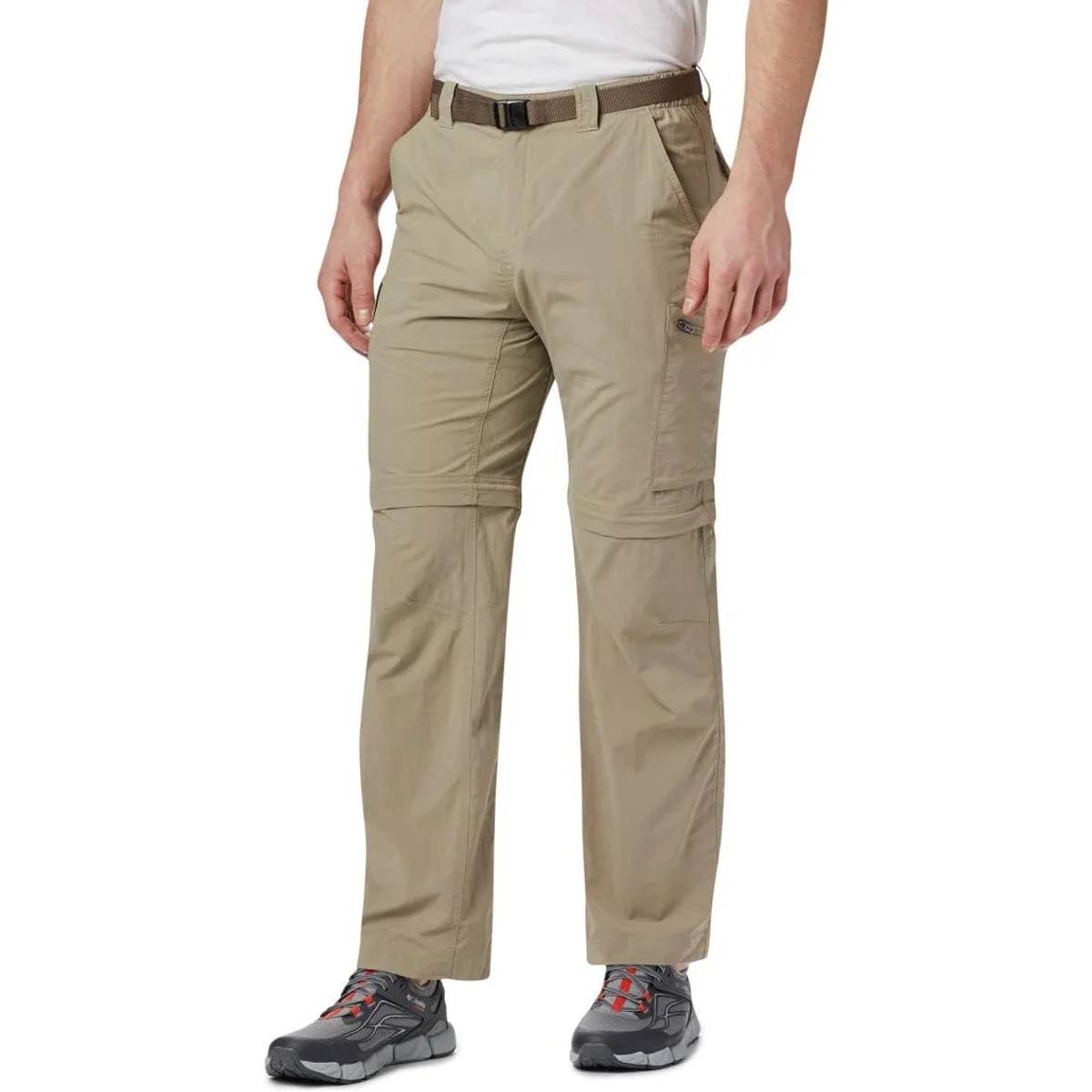 Best value
Zip-off legs for treks that start hot and end cold
Columbia Silver Ridge Convertible Pant
The zip-off is genuinely useful when you leave a 25 °C valley and arrive somewhere freezing; the zips sit right where a pack hip-belt or a knee bends, and some people never stop noticing.
Skip it ifCold treks that never get hot. Buy a single warm pair instead of a compromise.
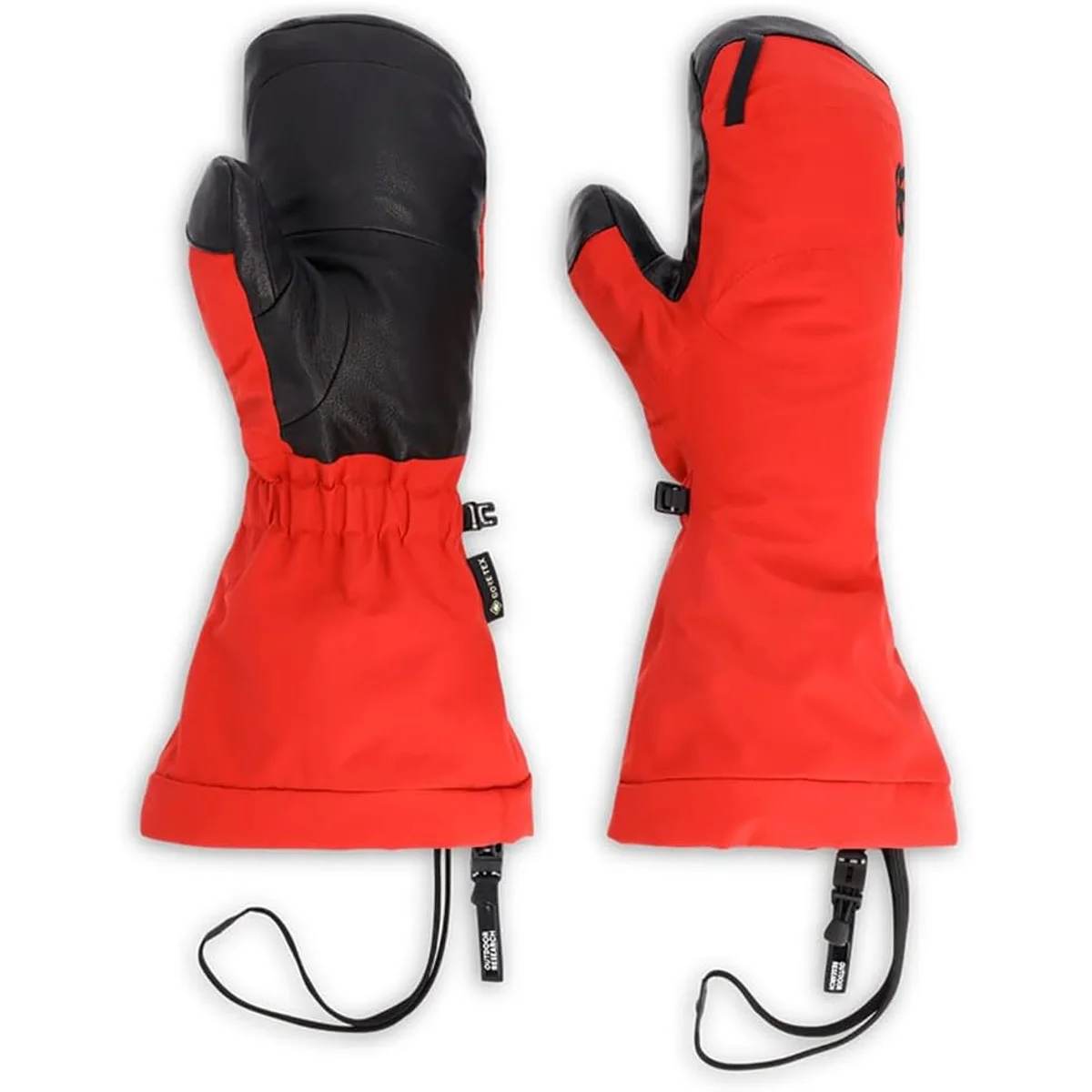 Warmest
Summit-night hands, and nothing less
Outdoor Research Alti Mitts
The warmest thing you can put on your hands short of an expedition mitt, and useless for anything requiring fingers — which is why they live on a leash and come out for one morning.
Skip it ifA teahouse trek that tops out at 5,400 m. A midweight glove plus a shell mitt covers that and costs a quarter as much.
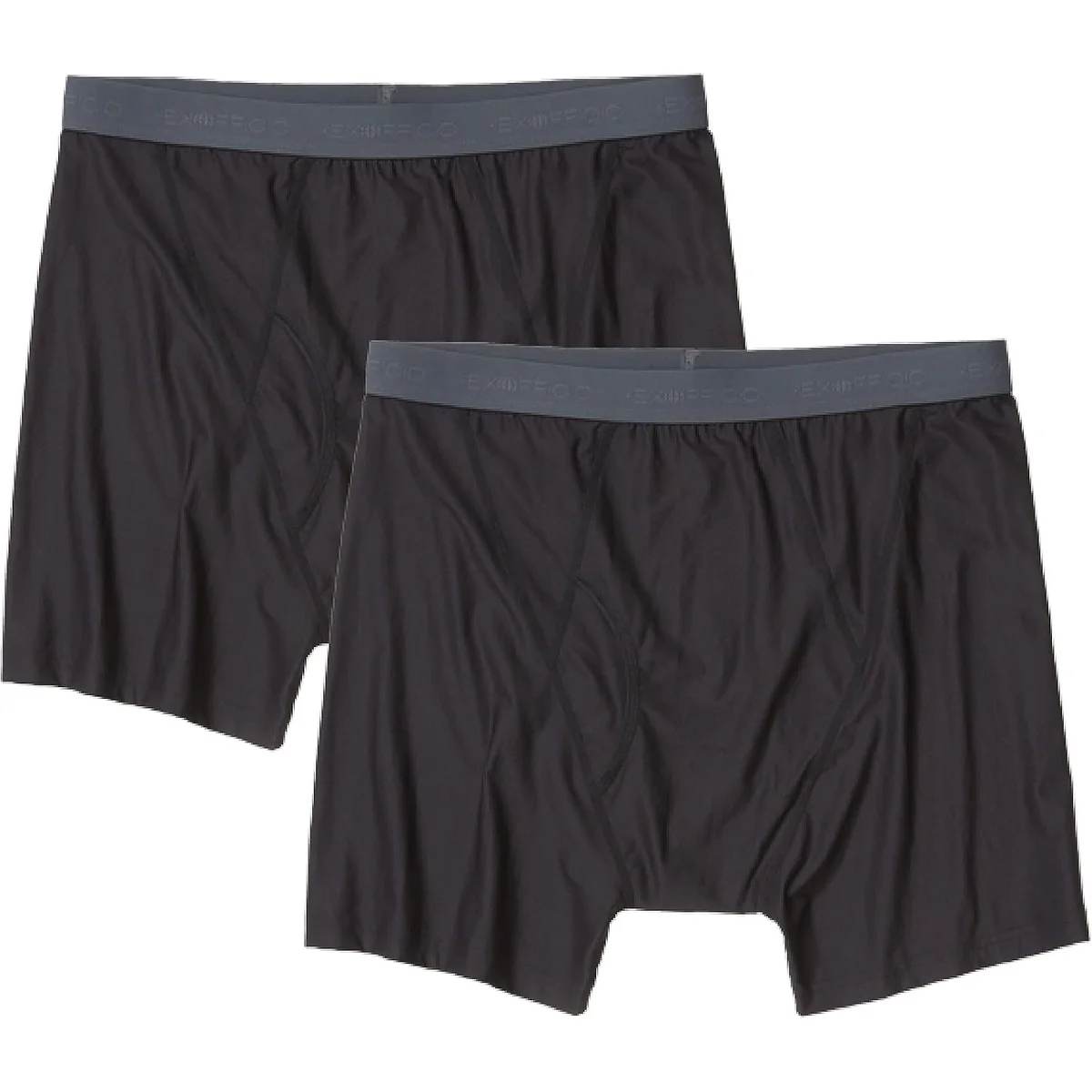 Best underwear
Two pairs, washed nightly, for a whole trek
ExOfficio Give-N-Go Boxer Brief
Dries fast enough to wash one pair each evening and wear it the next day, which is the entire reason to spend this much on underwear; the mesh is hot in genuinely warm weather.
Skip it ifAnyone who would rather carry seven cheap pairs. That works too, and costs less.
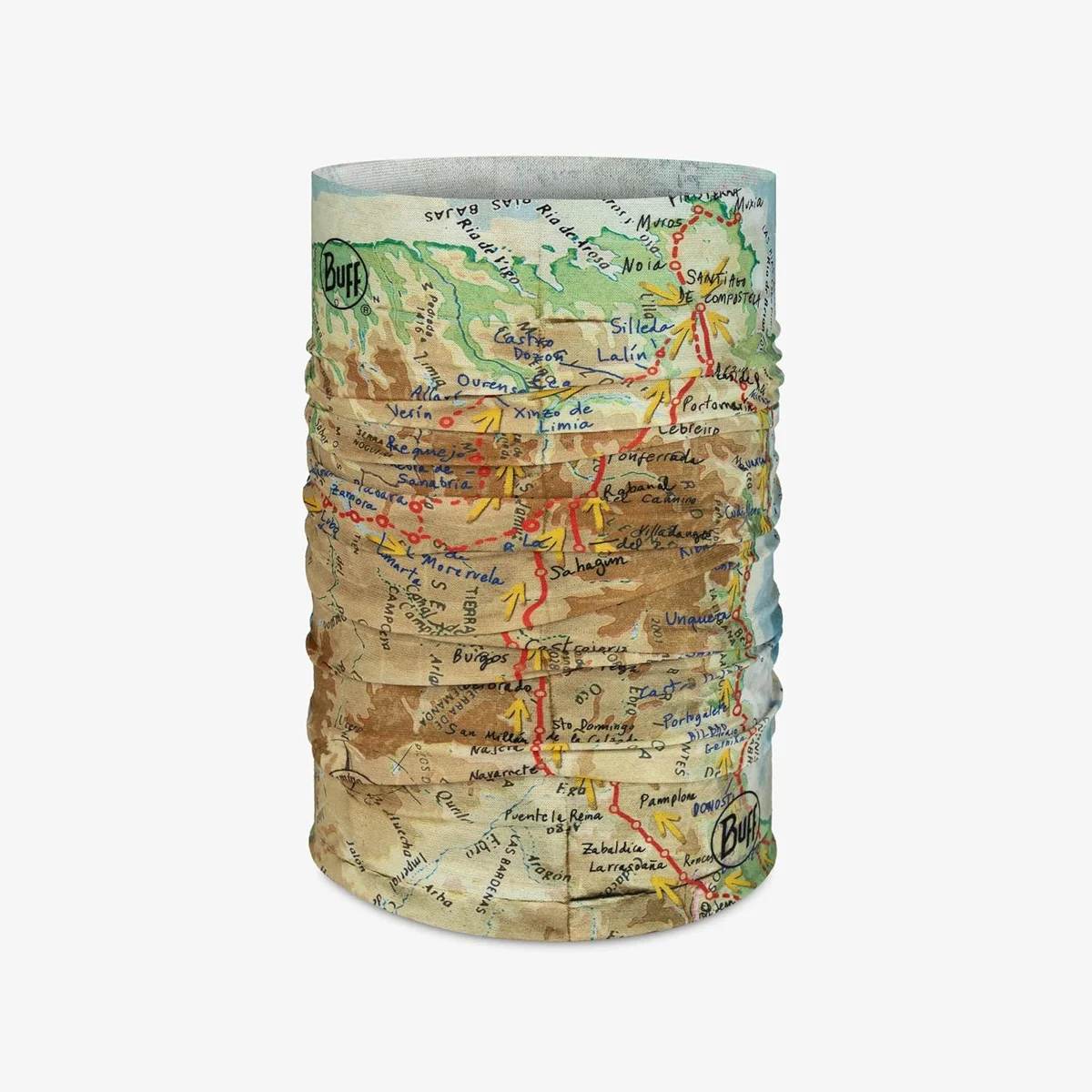 Most useful single item
Dust mask, neck cover, hat, eye shade
Buff Original Multifunctional Headwear
The best value item in this entire catalogue — it does five jobs badly enough to be worth carrying two, and none of them well enough to replace a real hat.
Skip it ifNothing. Take two.
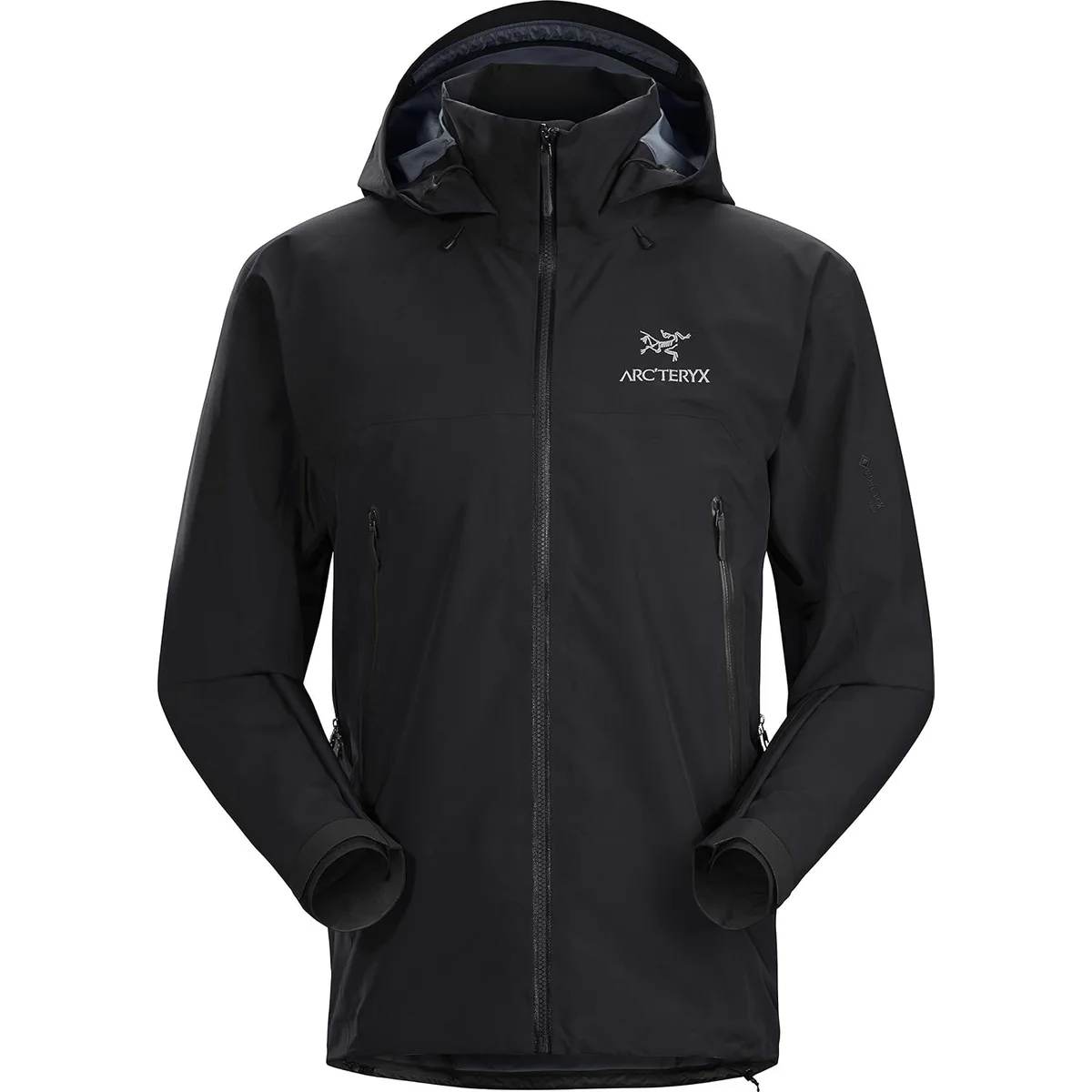 Best in sustained rain
For monsoon walking and long wet passes
Arc'teryx Beta Jacket
Keeps working after six hours of rain when lighter shells have wetted through; you carry the extra weight every dry day too, and the price is genuinely hard to justify for one trek.
Skip it ifAn October or November trek in the Khumbu, when it barely rains. The Helium is the better buy for that season.
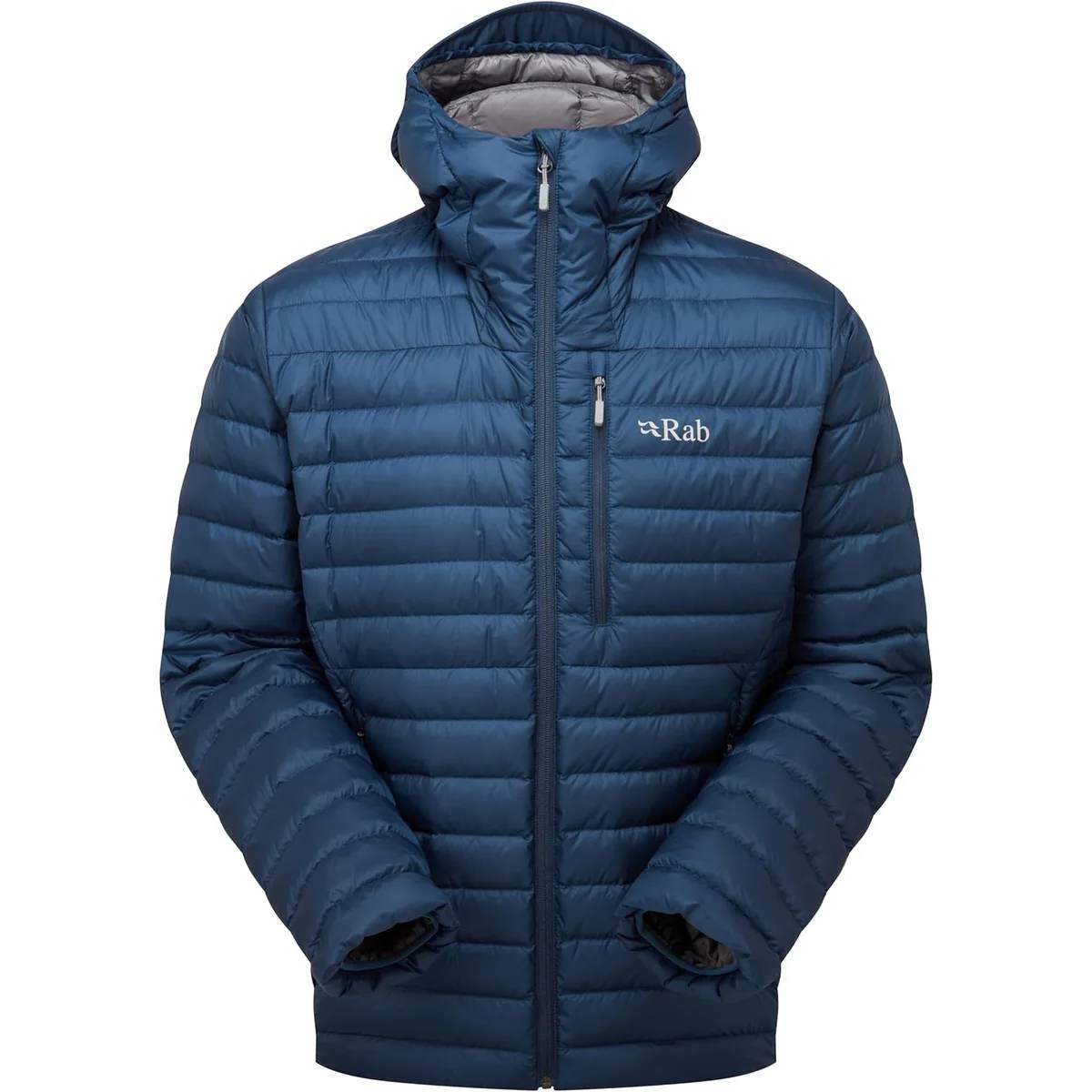 Best down jacket to own
For people who will use a down jacket at home too
Rab Microlight Alpine Down Jacket
Warm, well-cut and light enough to carry all day — but understand what you are buying: a rental shop in Thamel will hire you a warmer expedition jacket for a few dollars a day, and we earn nothing telling you that.
Skip it ifOne trek and then a wardrobe. Rent a −20 °C jacket in Kathmandu for a fraction of this and spend the difference on boots.
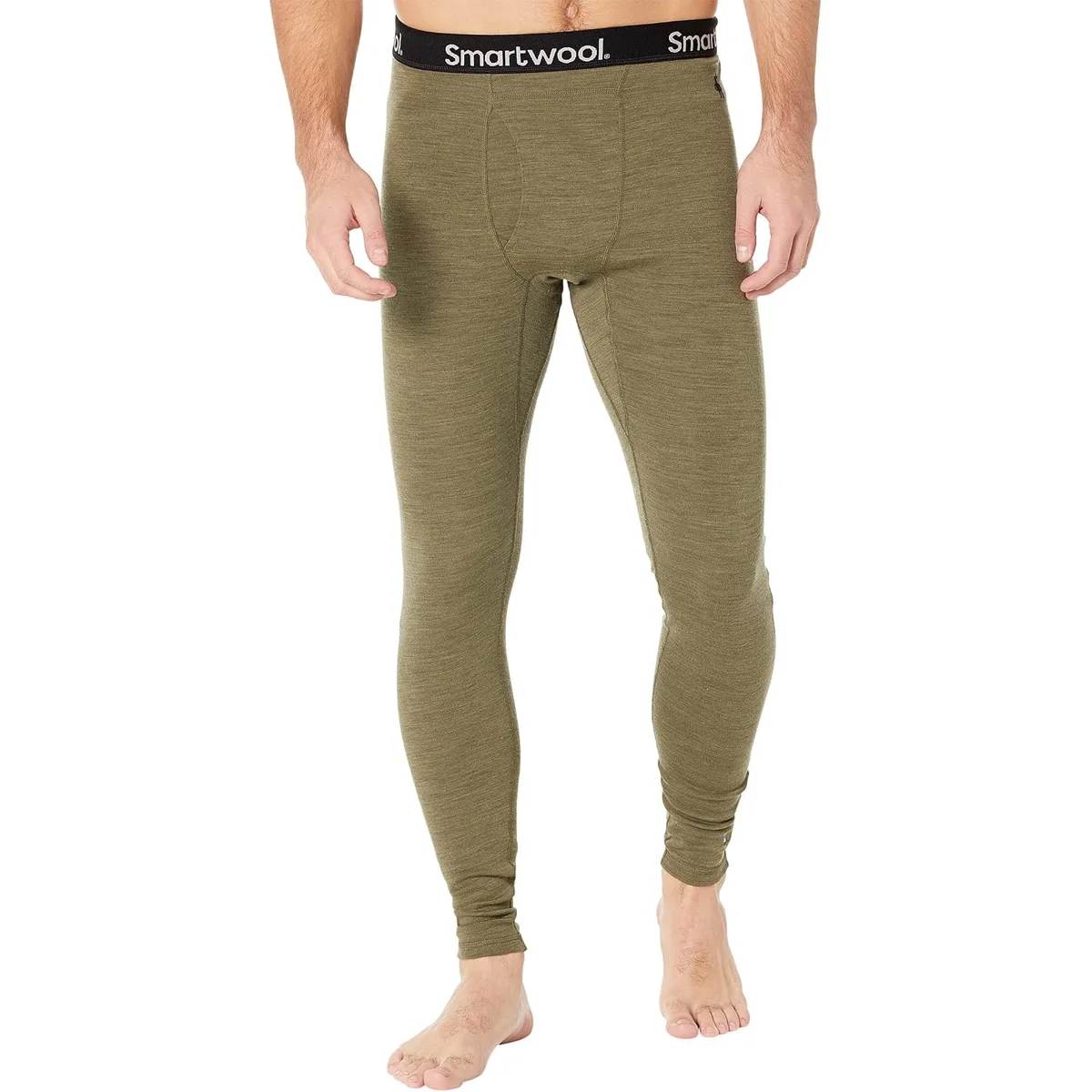 Best sleeping layer
What you change into at the lodge and sleep in
Smartwool Classic Thermal Merino Base Layer Bottom
The single best sleep-warmth upgrade above 4,000 m and it doubles under trousers on a cold pass; at 250-weight it is too warm to walk in on any ordinary day.
Skip it ifLow-altitude treks. Below 3,000 m you will never take them out of the bag.
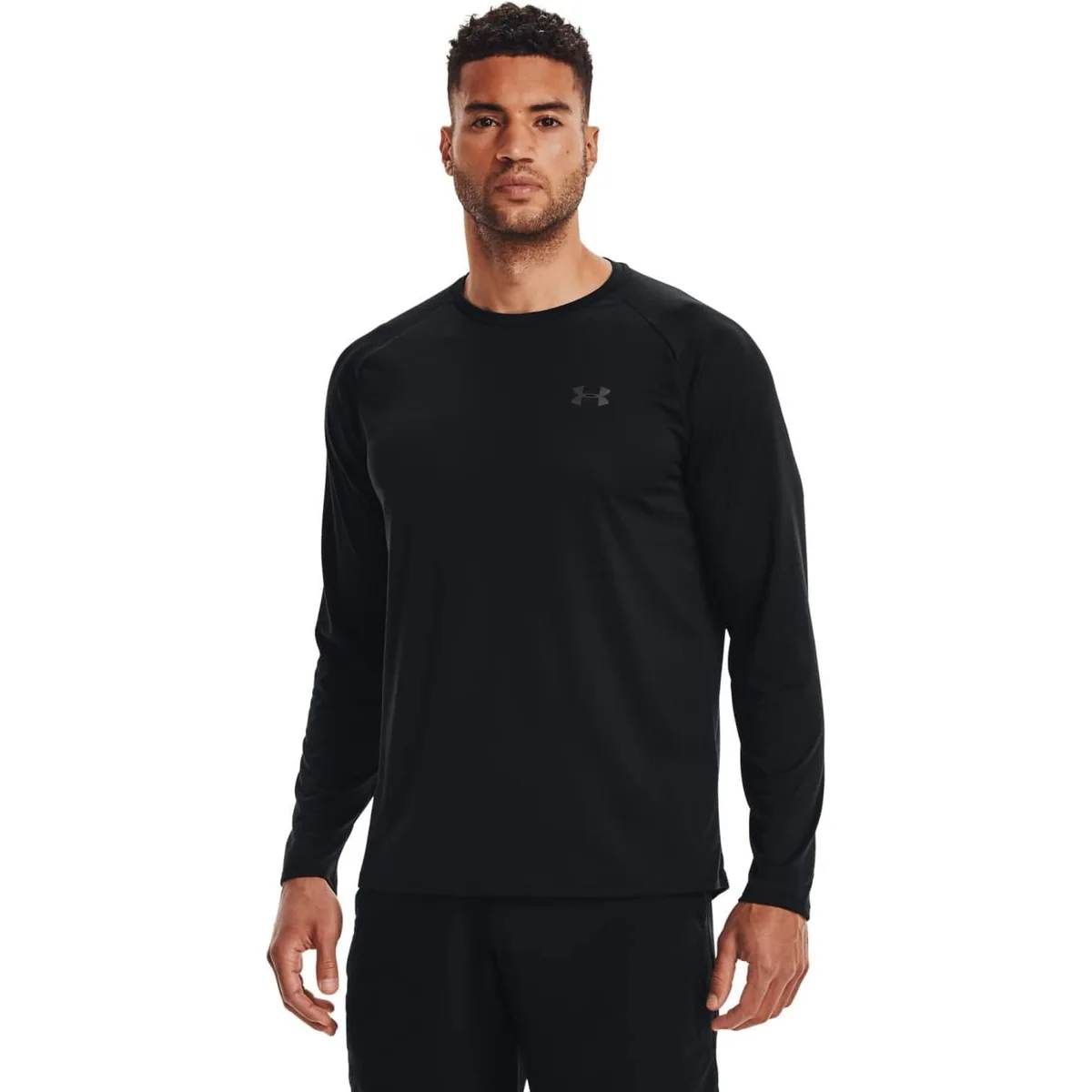 Best synthetic
The one that dries by dinner when merino does not
Under Armour Tech 2.0 Long-Sleeve
Dries in an hour and costs a fraction of merino, which makes it the better buy on a short trek — it will smell by day three and nothing you do changes that.
Skip it ifA fortnight without laundry. That is exactly the case merino is for.
- Rent, do not buy
The big parka for two cold nights of a two-week trek
Expedition down jacket (−20 °C)
You need this for perhaps three evenings of an Everest Base Camp trek. Buying one costs several hundred dollars; renting one in Kathmandu costs a few, and the shops keep them in good condition because their business depends on it.
Skip it ifAnyone who trekks or climbs regularly. If this is your third Himalayan trip, buy your own.
Rent it in Thamel — about usd 1-2 per day in thamel or lakeside. We take nothing.
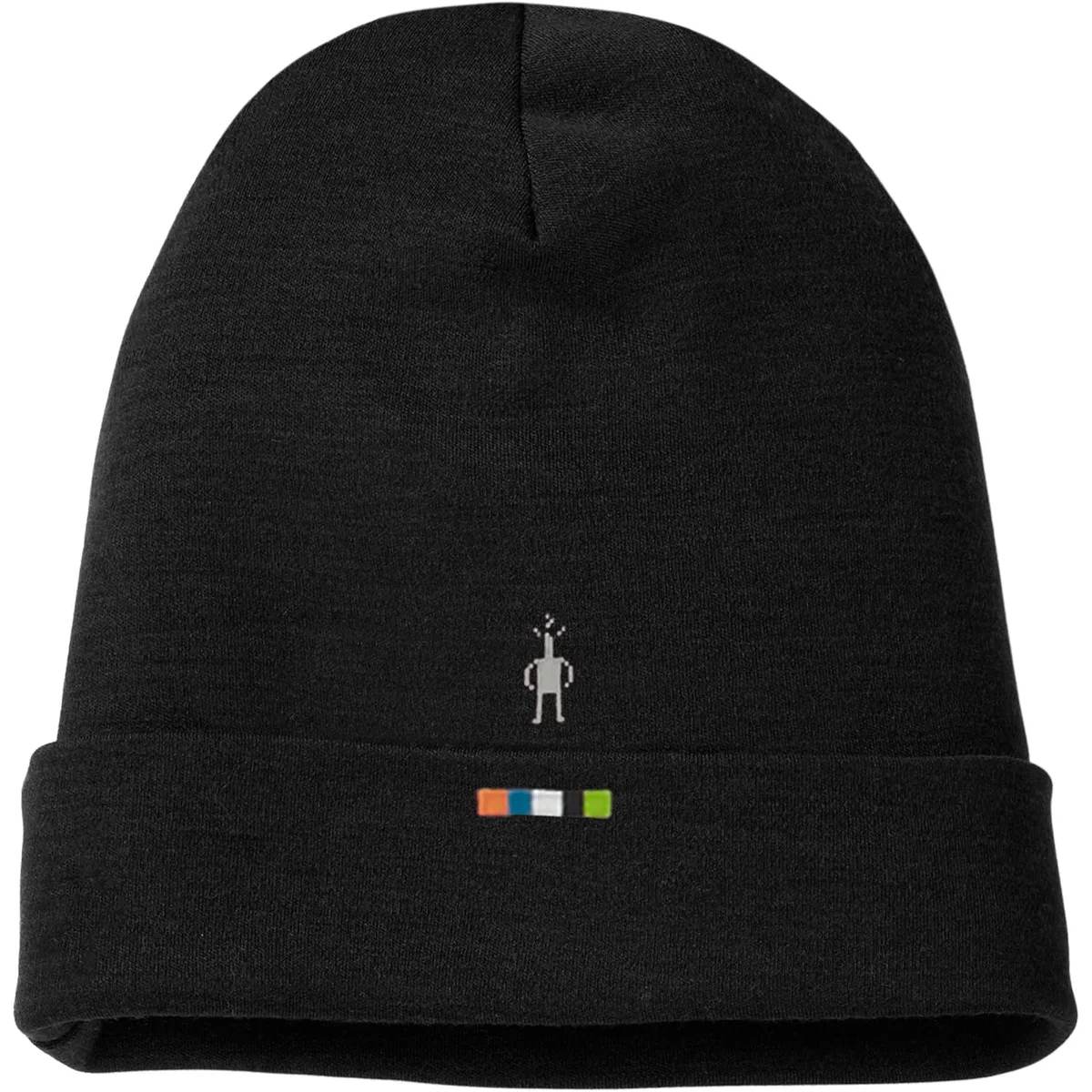 Best warm hat
Worn from four in the afternoon until you fall asleep
Smartwool Merino Cuffed Beanie
Merino stays warm when it is damp with sweat, which a cotton beanie does not — it is thin enough that in real wind you still want a hood over it.
Skip it ifSub-zero summit mornings on its own. Layer it under a hood.