
Best overall
Bacteria and protozoa out, for the whole trek, for the price of two lodge bottles
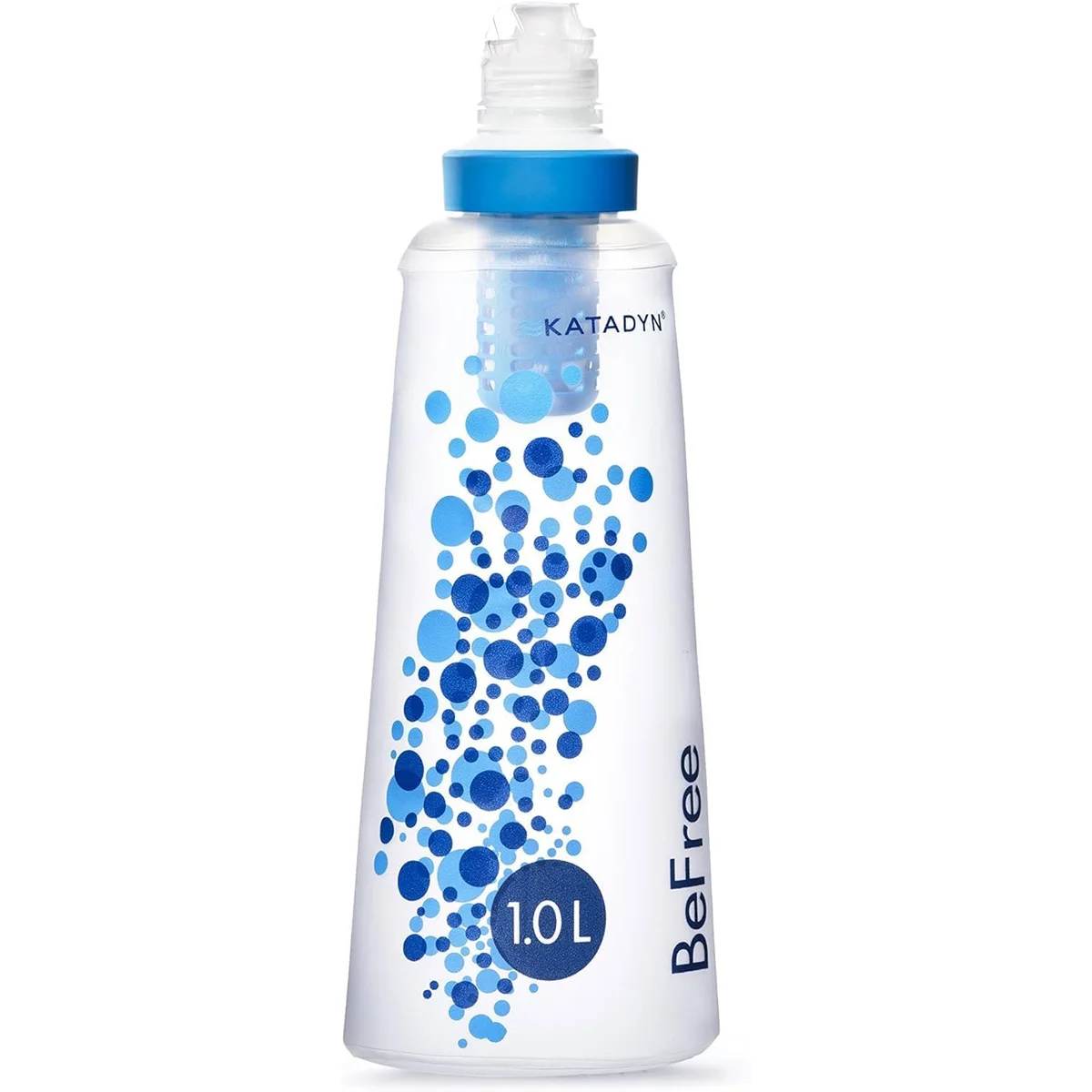
Sawyer Squeeze Water Filter
0.1 micron hollow fibre, ~85 g
Effectively unlimited water for the cost of a couple of bottled waters, and it threads straight onto a standard bottle — it does NOT remove viruses, so pair it with chemical drops on trails below villages.
Removes giardia and cryptosporidium, the two that actually ruin treks
No batteries, no waiting, no taste
Lasts years if you backflush it
Viruses pass straight through
Ruined permanently if it freezes with water inside — sleep with it
Flow slows unless you backflush
Not for you if: Anyone treating it as complete protection. Below the last village, add drops or a UV pen.
Check price on Amazon