 18 daysExtreme6,189 m
Island Peak Climbing — 18 Days
From / person
$3,600
Nepal floods: Everest, Annapurna and Manaslu are unaffected and running normally.
The 26 August flood hit one corridor in northern Rasuwa. Langtang-region treks are paused while the access road is rebuilt — everything else is operating as usual.
Duration
12 days
From
$1,850/person
Max Altitude
2,990 m
Difficulty
Moderate
Starts
Nepalgunj (fly from Kathmandu)
Group Size
2–10 People
Stay
Tea House / Camp
Meals
Breakfast, Lunch & Dinner
Best Season
Oct–Nov, Mar–May
Arrive in Kathmandu and transfer to your hotel. Evening briefing covering the Rara National Park permit and the logistics of the double-flight approach through Nepalgunj. Rara Lake is Nepal's largest lake at 2,990 m — one of the country's least-visited natural treasures.
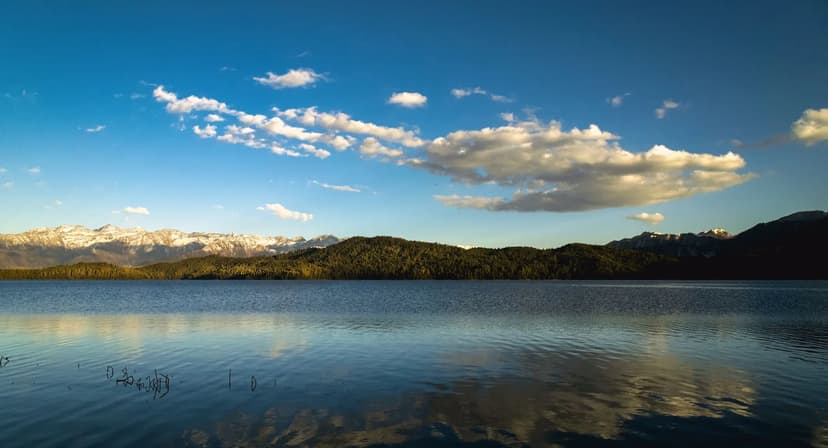
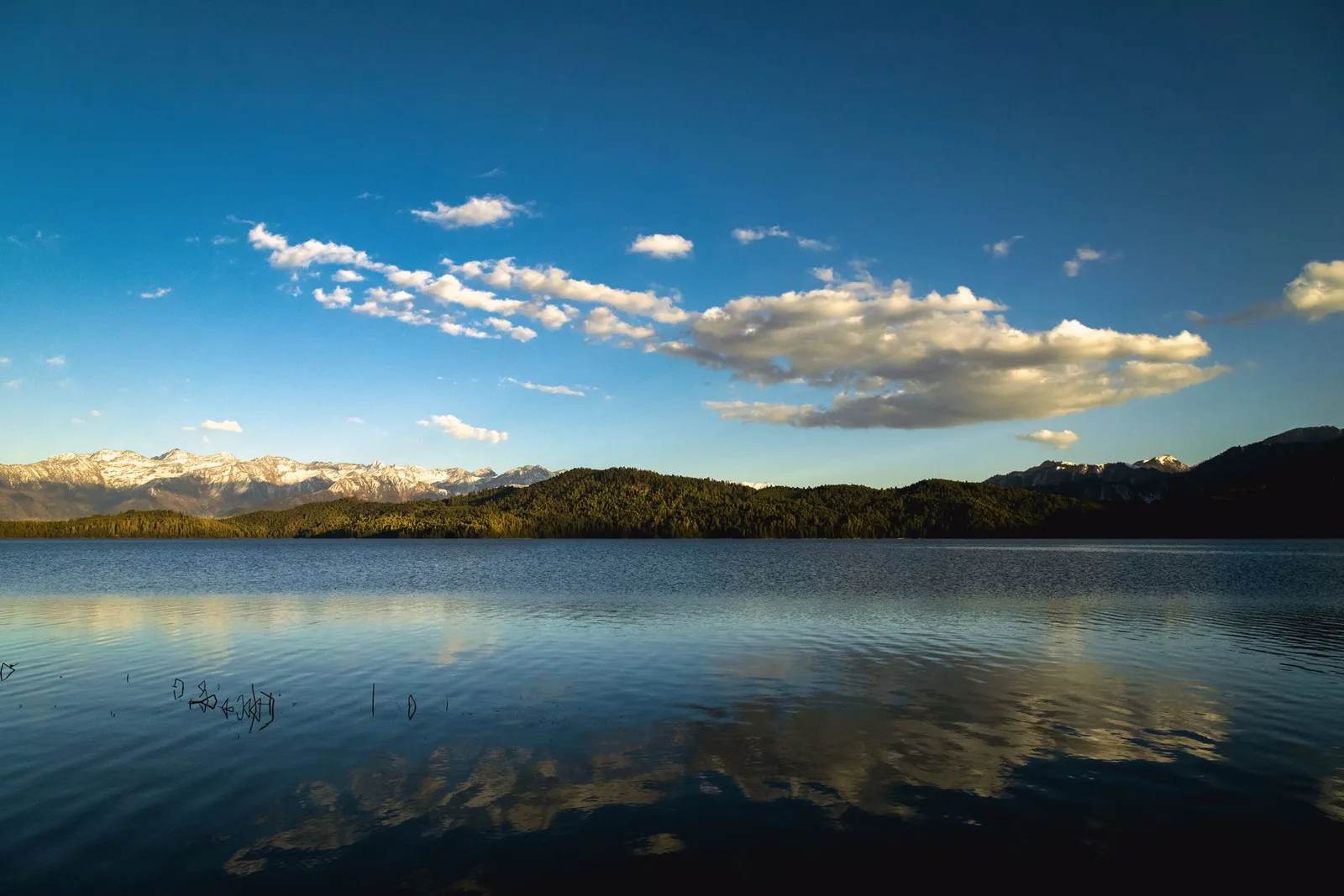
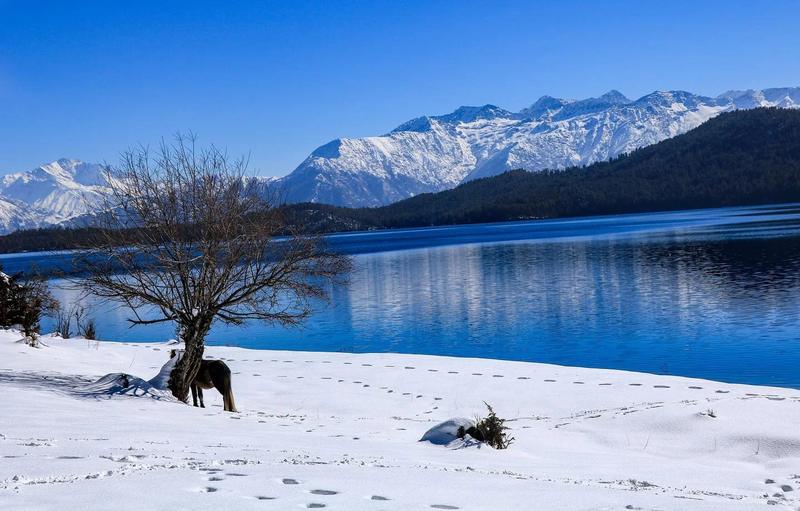
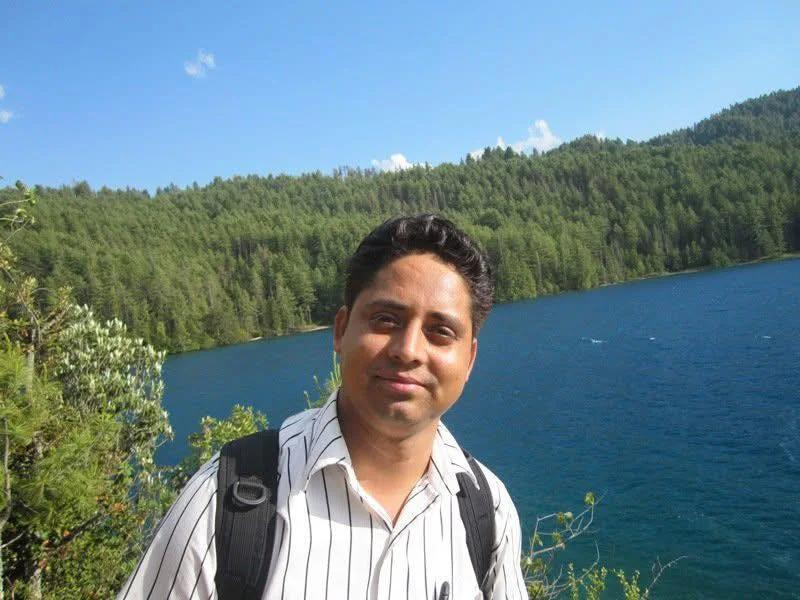
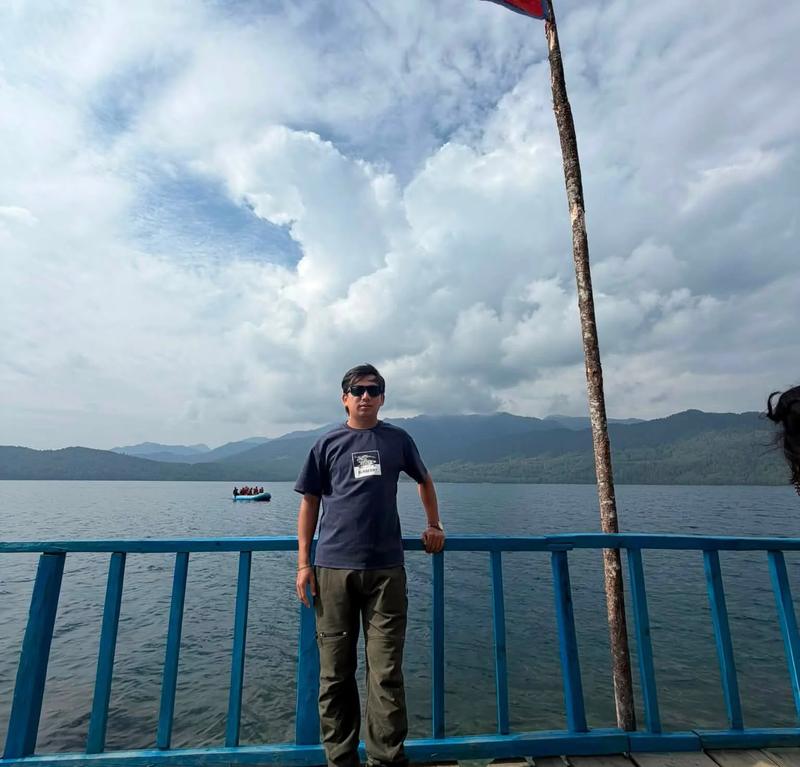
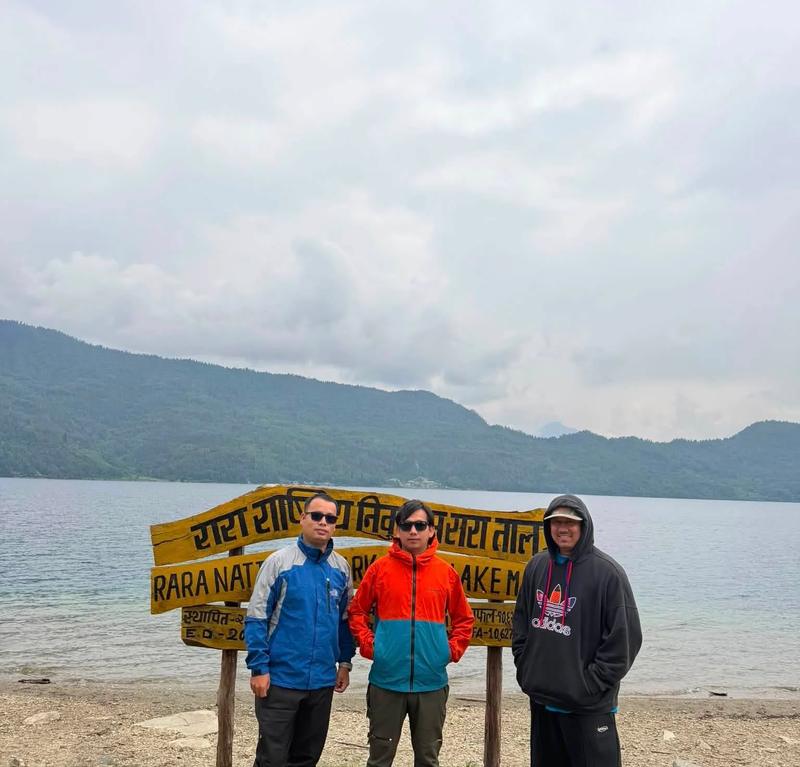
Rara Lake (2,990 m) is Nepal's largest lake — a pristine alpine body of water in the remote Karnali region of far-western Nepal, so clear that the surrounding pine and juniper forests and the distant Himalayan peaks are reflected in perfect detail across its 10.8 km² surface. This is Nepal's least-visited major trekking destination: fewer than 3,000 trekkers per year make the journey. The 12-day itinerary reaches the lake via Jumla (domestic flight from Kathmandu or Nepalgunj) through a landscape of oak and rhododendron forest utterly unlike the better-known eastern Himalaya.
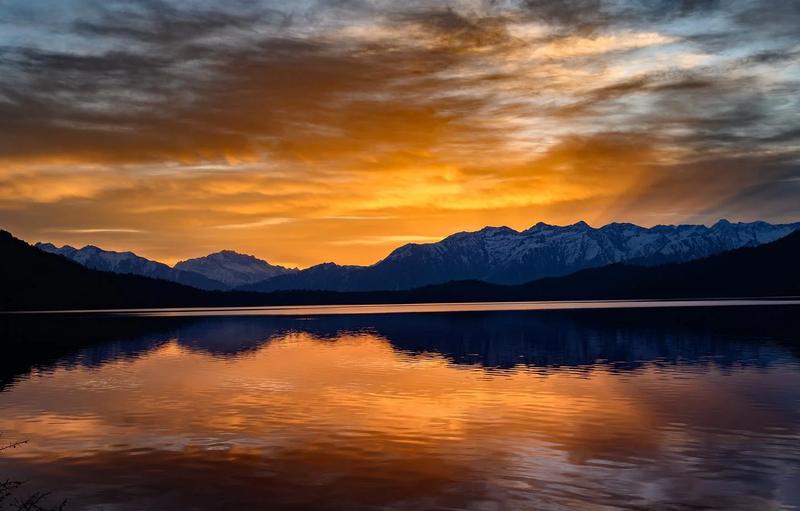
The approach from Jumla crosses three significant passes — Gurchi Lagna (3,450 m), Chuchemara Danda (3,625 m) — through highland forests alive with Himalayan black bear, red panda, and over 200 bird species. Rara National Park protects the lake and its watershed; wildlife spotting en route is a genuine bonus of the itinerary. The lake itself is accessible from Rara village and the park headquarters — camping on the southern shore with the reflections at dawn and dusk is among the most peaceful experiences in Nepal.
Far-western Nepal has a distinct cultural character — the Khas, Brahmin, and Chhetri communities of the Karnali are related to but different from the highland Sherpa and Gurung cultures of the east. The region's remoteness has preserved a traditional lifestyle that is rare in the more accessible parts of Nepal.
The domestic flights to Jumla or Nepalgunj are included in this itinerary — without them, reaching Rara from Kathmandu would take 3–4 days each way by road. The mountain airstrips at Jumla (2,300 m) and Rara are weather-dependent; we build one day's weather contingency into the itinerary. The trek itself, once in the national park, is straightforward — no technical sections, no passes above 3,700 m — and is suitable for trekkers with general fitness and prior multi-day experience.
Best seasons: October–November and April–May. Access: Domestic flights to Jumla included. Max altitude: Chuchemara Danda 3,625 m.
Where we collect you, and which hotel standard you travel on.
Pickup Point
Hotel Standard
Tell us which you want when you book — no account needed.
Autumn (Oct–Nov)
Best season. Crystal-clear mountain reflections on Rara Lake, dry trails, pleasant temperatures. Far-western Nepal at its scenic peak.
Spring (Mar–May)
Rhododendron forests in full bloom on the approach trails. Good visibility, slightly warmer. Light trail traffic.
Winter (Dec–Feb)
Cold but clear skies. Lake sometimes icy at edges. Not impossible but requires warm gear and flexible itinerary.
Monsoon (Jun–Aug)
Rain reduces visibility but the lake stays scenic. Trails can be muddy. Less common but possible.
TIMS Card
USD 20Required for all foreign trekkers in Nepal
Rara National Park Entry Permit
USD 30Required for entry into Rara National Park. Paid at the park entrance checkpoint.
All permits are arranged and included in your package price. Nothing to organise yourself.
A detailed packing list will be sent with your booking confirmation. Gear rental available in Kathmandu and Pokhara.
On the Trail
Your Himalaya Awaits
Private departures on any date, a hand-picked NMA guide, and an itinerary built around you. Tell us your dates — we usually reply within a few hours.
$1,850
/ person · all-inclusive