
The Cheapest Ski Destinations for 2026: Where to Ski for Far Less Than the Alps
The best-value places to ski in 2026 — Bulgaria, Bosnia, Slovakia, Poland, Georgia and Andorra — what makes each one cheap, and the trade-offs in size and snow.
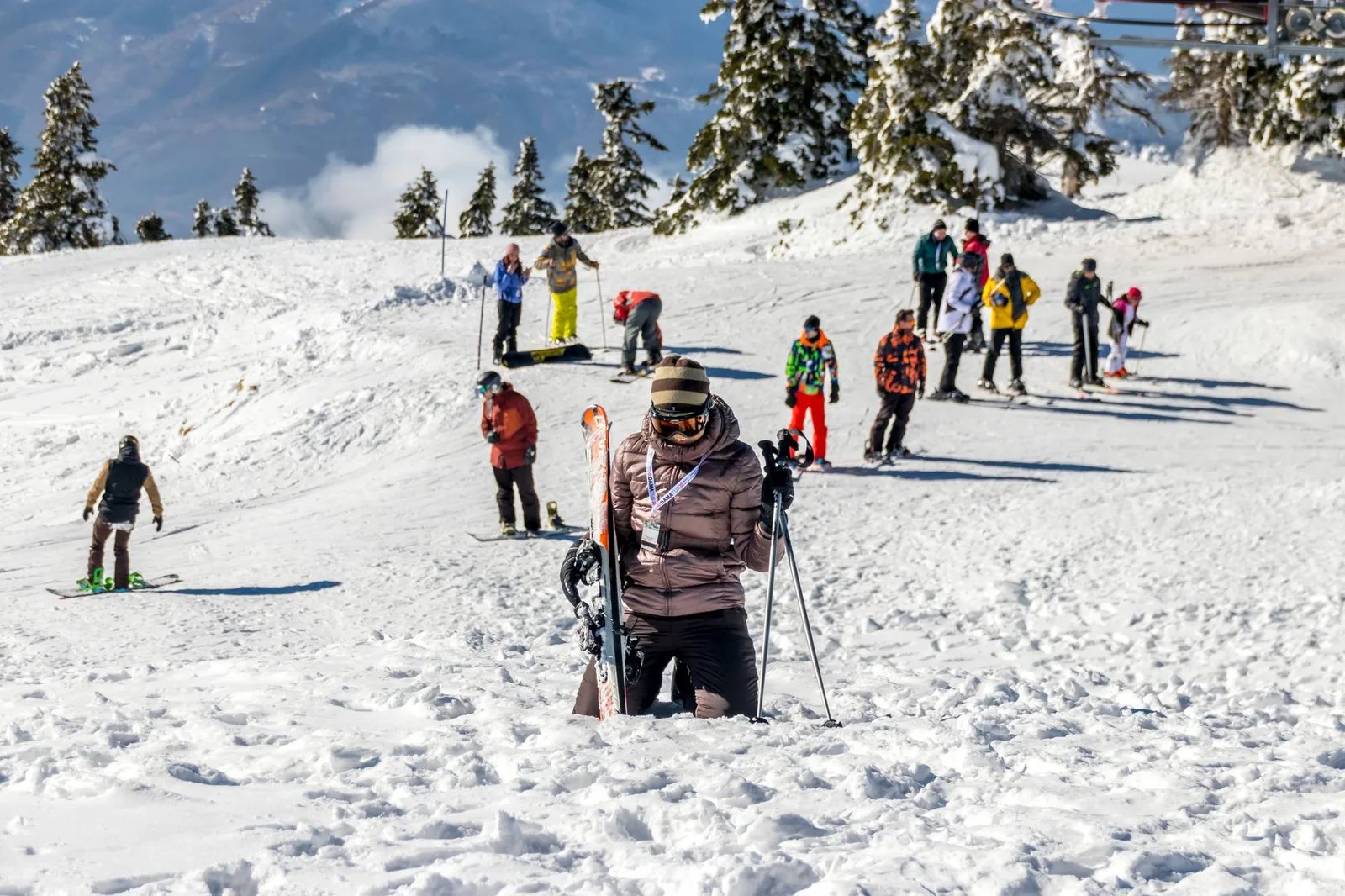
Key facts — cheapest ski holidays 2026
- The biggest savings are in Eastern Europe and the Pyrenees, where lift passes, food and lodging cost a fraction of what the marquee French, Swiss and Austrian resorts charge.
- Bansko in Bulgaria offers 75 km of runs and 14 lifts up to 2,600 m — Wikipedia notes it now “competes with resorts in France and Switzerland due to the comparatively lower costs.”
- Gudauri in Georgia is the snow-reliability pick: lifts climb to 3,279 m and the season runs December to April.
- The trade-off is almost always the same — smaller ski areas and, at the lower resorts, less certain snow than the high Alps.
Every year around the first frost we get the same message from clients who normally trek with us in Nepal: “We want a week on the snow — but the Alps have gone silly this year. Where can we ski without the mortgage?” It is a fair question, and the honest answer is that a marquee week in Chamonix, Verbier or St Anton is now one of the priciest things you can do with seven days off. The good news for 2026 is that Europe still has whole ranges where skiing costs far less — you just have to look east of the Alps, and south to the Pyrenees. Here is a straight, fact-checked guide to where a ski holiday is genuinely cheap, why, and what you give up. If you are weighing the wider continent, our companion piece on how to travel Europe on a budget in 2026 zooms out to rail passes, cheap regions and timing.
Bulgaria: Bansko is the value benchmark
If one resort defines cheap European skiing, it is Bansko. Bulgaria is among the least expensive countries in the European Union, and that flows straight through to a ski trip: lift passes, mountain lunches, beer and hotel rooms all run well below Alpine numbers. The mountain itself is no toy — as of the last count it has 75 km (47 mi) of runs and 14 lifts, with a gondola from the town (built in 2003) lifting you to a top station at 2,600 m and nearly 1,000 m of vertical. Wikipedia puts the shift plainly: Bulgaria’s share of European winter tourism “is steadily rising, and Bansko increasingly competes with resorts in France and Switzerland due to the comparatively lower costs.” The trade-off is a low base (925 m), so early- and late-season snow down in town is less dependable, and the single main gondola queues badly at peak weeks.
The Balkans and Central Europe: Olympic pedigree on a budget
Jahorina, Bosnia and Herzegovina is the sentimental value pick. It is the largest and most popular ski resort in the country and hosted the women’s alpine events at the 1984 Sarajevo Winter Olympics — genuine race pedigree, at some of the lowest prices anywhere in Europe. What you give up is scale and polish: the lift network is smaller and less modern than an Alpine mega-resort.
Jasná, Slovakia, in the Low Tatras, is the largest ski area in the country: 49 km of piste, a summit at 2,024 m and a solid 23 lifts including gondolas. Central-European prices keep it far cheaper than the Alps; the catch is that 49 km is modest next to the 300 km-plus Alpine giants, and it fills up over Slovak and Polish holidays.
Zakopane, Poland — “the winter capital of Poland” — is really a lively mountain town wrapped around several ski areas, chiefly Kasprowy Wierch (its cable car dates to 1936) and Gubałówka. Its altitude keeps snow reliable, and town lodging and food are cheap. The trade-off is that the skiing is spread across smaller, separate areas rather than one big linked domain, and it is mobbed around Christmas and in February.
Georgia: the snow-sure long-haul bet
Gudauri, in the Greater Caucasus about two hours from Tbilisi, is where value meets altitude. It has more than 76 km of runs, and its lifts reach up to 3,279 m — high enough that the December-to-April season delivers some of the most reliable snow on this list. Georgia’s famously low prices make the on-the-ground cost tiny. The trade-offs are real: it is a longer, less frequent flight for most Western Europeans, the resort is thinner on amenities, and the wide-open terrain carries genuine off-piste avalanche risk — hire a guide before you drop into anything untracked.
Andorra: the Pyrenean value giant
You do not have to leave Western Europe to save. Andorra’s Grandvalira bills itself as the largest ski area in the Pyrenees, and the tiny principality — long known as a low-tax, duty-free destination — packages ski weeks well below the French and Swiss marquee names. It is not as rock-bottom cheap on the ground as Bulgaria or Bosnia, and the Pyrenees sit lower and warmer than the high Alps, so a poor snow year bites harder — but for a proper big-mountain area at a sane price, it is hard to beat.
| Destination | Why it’s cheap | The trade-off |
|---|---|---|
| Bansko, Bulgaria | Among the EU’s lowest prices; cheap passes, food & rooms; 75 km of runs | Low 925 m base — shakier snow in town; gondola queues at peak |
| Jahorina, Bosnia | Rock-bottom Balkan prices; 1984 Olympic pedigree | Smaller, less modern lift network |
| Jasná, Slovakia | Low Central-European costs; largest area in Slovakia (49 km, 23 lifts) | Modest size vs the Alps; busy on regional holidays |
| Zakopane, Poland | Cheap town lodging & food; snow-sure altitude | Skiing split across small separate areas; Christmas/Feb crowds |
| Gudauri, Georgia | Very low Georgian prices; lifts to 3,279 m for reliable snow | Long-haul flights; fewer amenities; off-piste avalanche risk |
| Andorra (Grandvalira) | Duty-free principality; value packages; largest area in the Pyrenees | Pricier than the Balkans; lower, warmer than the high Alps |
How to keep a ski trip cheap
The resort you pick matters less than three habits. Book the accommodation-plus-pass package that most Eastern-European resorts sell — buying the lift pass separately at the window is where budgets leak. Bring or hire your gear locally, not at home, and eat at least one meal a day off the mountain in town, where a plate costs a fraction of the slope-side price. And go in the shoulder weeks — mid-January, or the back end of March at the higher, snow-sure resorts — when the same bed and pass cost far less than over Christmas or February half-term.
A note from a mountain company
We are a Himalayan trekking operator, not a ski agency, so take this as a neighbour’s aside: Nepal is not a ski destination. But the value logic that sends skiers east of the Alps is the same logic that brings walkers to the Himalaya. For roughly what a marquee Alpine ski week costs once you add the pass, the gear and the slope-side lunches, you could instead spend a week on a teahouse trek beneath 8,000 m giants — guide, porter, lodging and meals included. If the mountains are what you are really after, a Himalayan trek points that same trade at a bigger range. Either way, the principle for 2026 holds: go where your money buys the most mountain.
Cover photo: Zafer Erdoğan via Pexels (Pexels License).
来源: Wikipedia
计划徒步?
我们负责许可证、后勤与向导
NMA 认证的本地向导,价格透明,自 1998 年以来 5,000+ 次徒步。告诉我们你的日期,其余的交给我们。


更多「World Destinations」
World Destinations
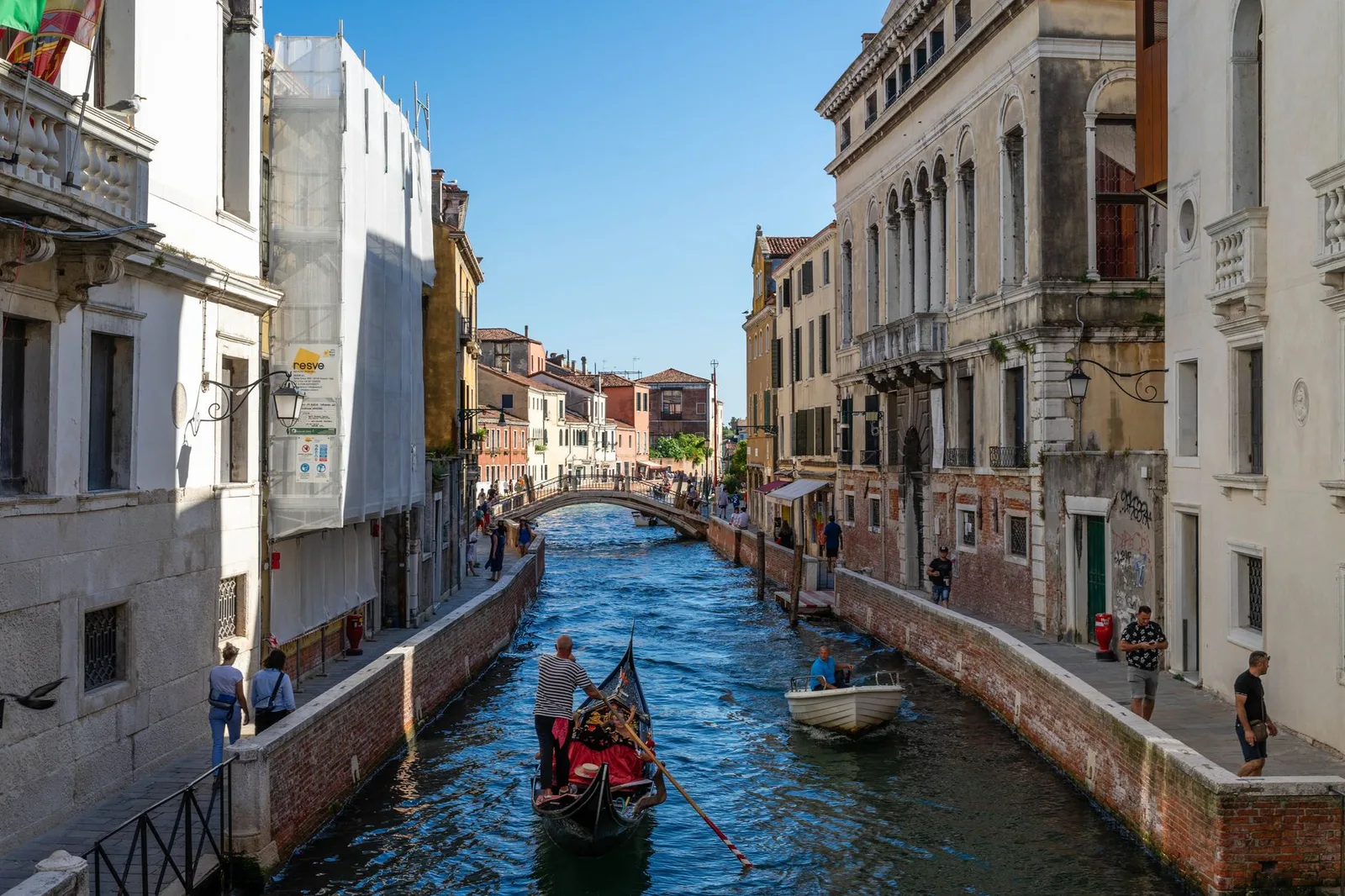
Tourist Taxes in 2026: Which Destinations Charge Visitors and How Much to Budget
From Amsterdam's 12.5% hotel tax to Venice's day-tripper access fee, plus Bali, Bhutan and Japan — what the big-name destinations charge visitors in 2026, how it is collected, and how to budget for it (and where Nepal's trekking permits fit).
World Destinations
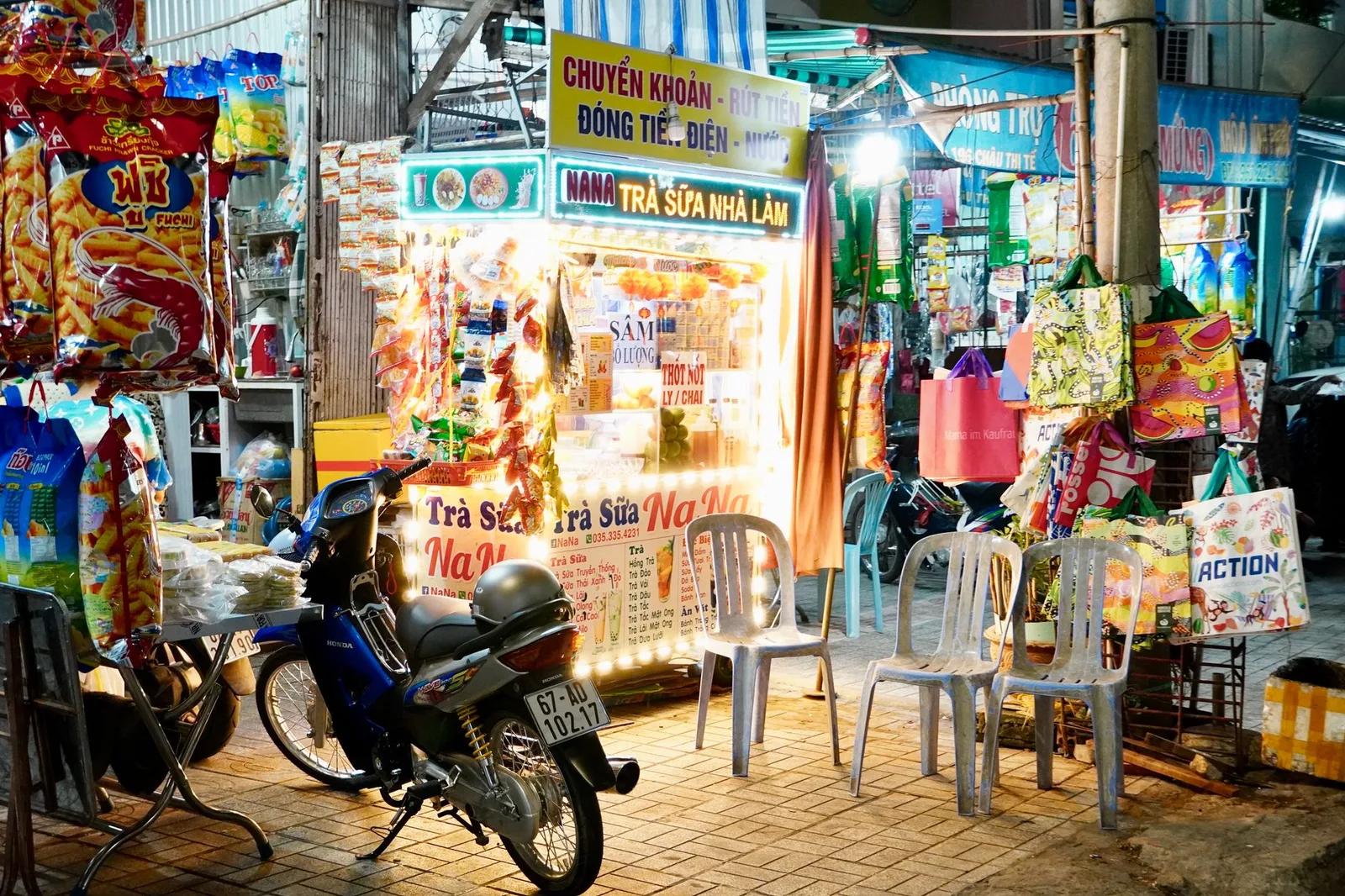
Cheapest Countries to Travel in 2026: Real Daily Budgets, Ranked by Region
From $25-a-day Nepal, Vietnam and Bolivia to the cheapest corners of Europe, a fact-checked guide to where your money goes furthest in 2026 — with honest backpacker daily budgets covering bed, food and local transport, flights excluded.
World Destinations
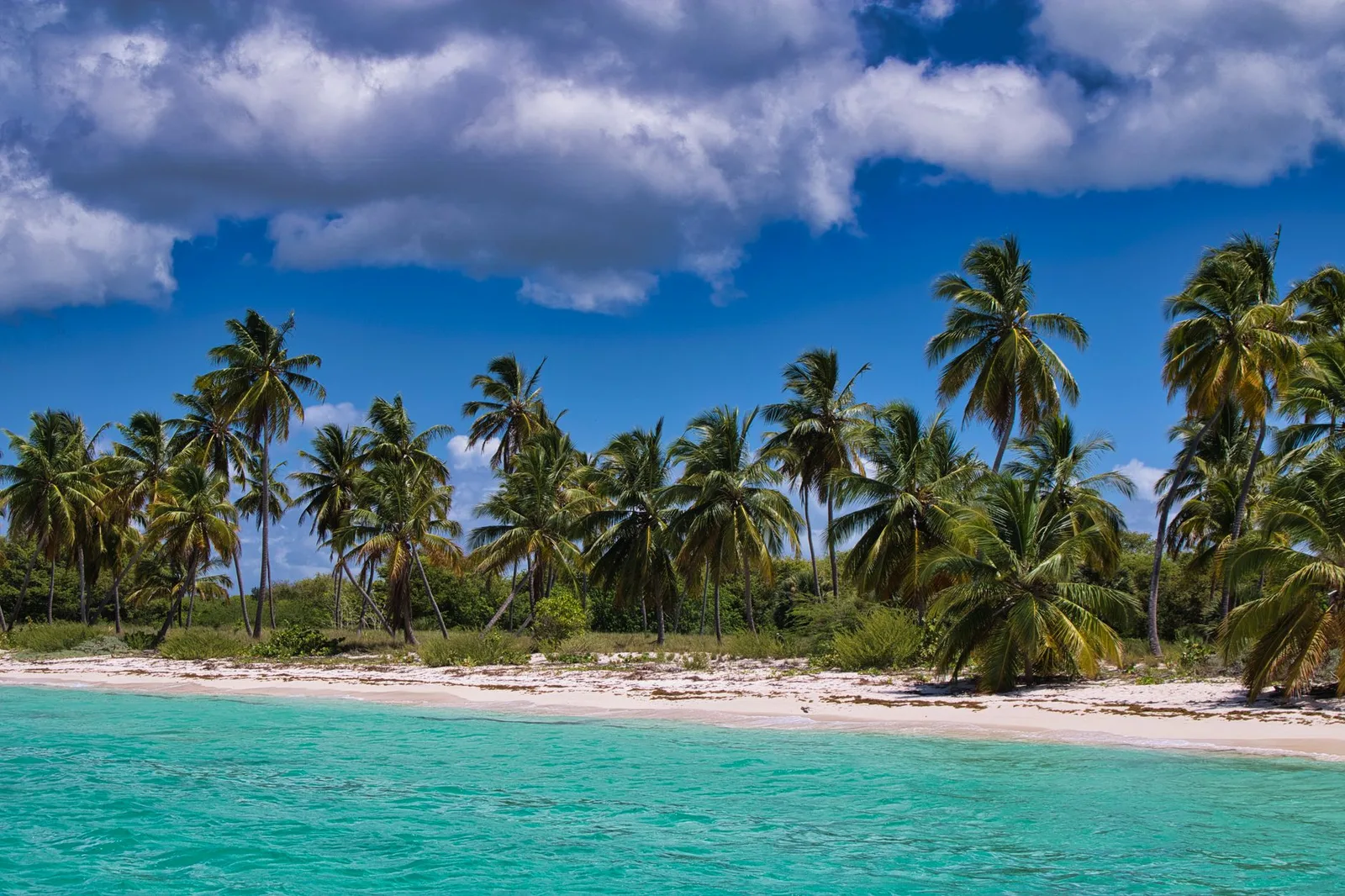
The Cheapest Caribbean Destinations for 2026 (Where to Get Sun Without the Splurge)
The best-value Caribbean islands for warm sand on a budget — what each costs, when to go to dodge hurricane season, and what you actually get.