
How to Travel Europe on a Budget in 2026 (Rail Passes, Cheap Regions & When to Go)
Rail passes, the cheapest regions and the right months to go — a 2026 guide to seeing Europe cheap, with real cost tables.
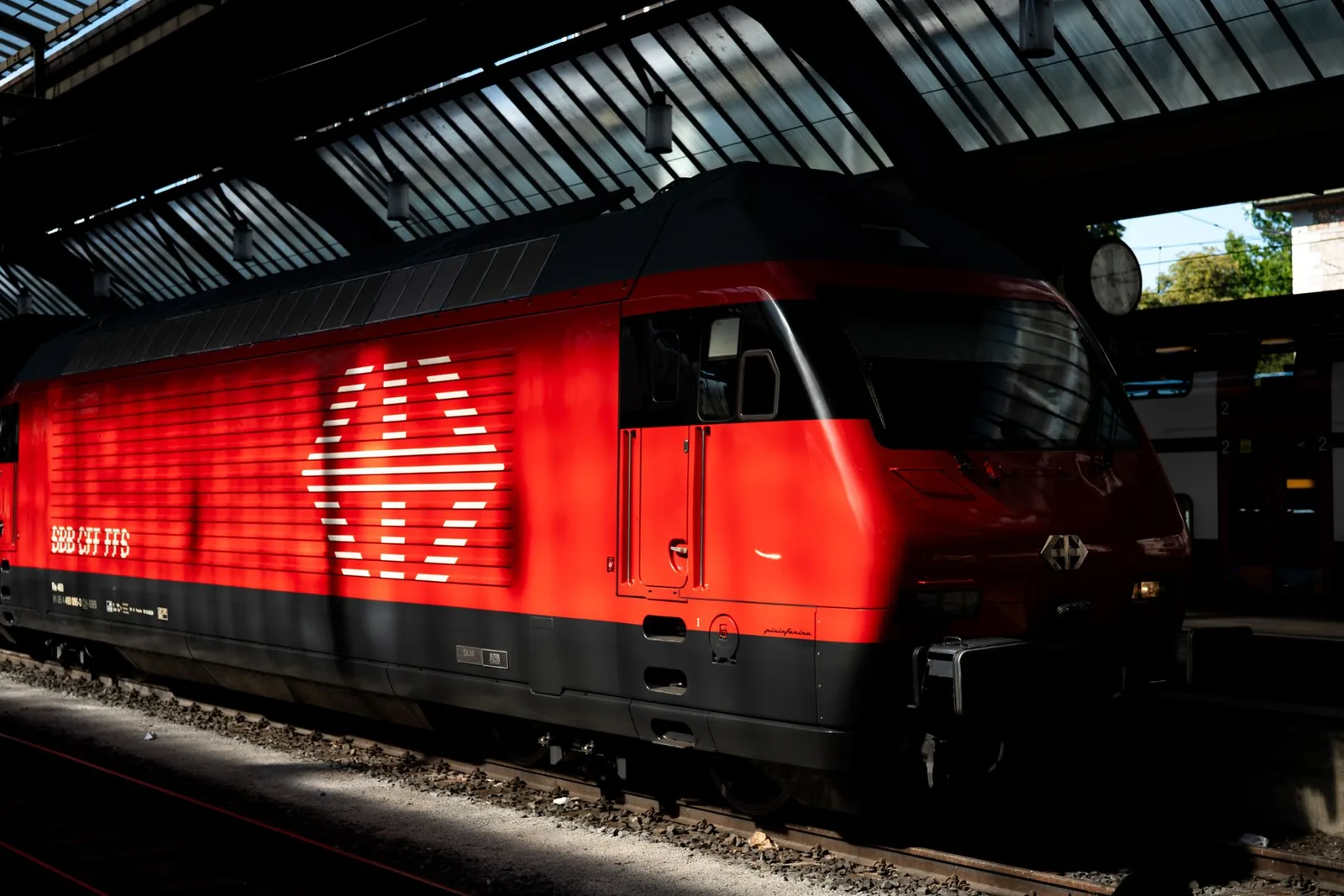
At a glance
- Published
- TopicDeals & Routes
- Verified againstSeat61 & Numbeo
- Treks coveredEverest Base Camp Trek — 14 Days, Ghorepani Poon Hill Trek — 5 Days, Annapurna Base Camp Trek — 5 Days
Europe has a reputation for emptying wallets, but that reputation is built almost entirely on a handful of expensive corners — Switzerland, Scandinavia, London, Paris in July. Step sideways into the Balkans, the Baltics or off-season Portugal and the same continent runs a third of the price. Here is how to travel Europe on a budget in 2026: where the cheap regions actually are, whether a rail pass earns its keep, and when to go so you are not paying peak-season prices for grey weather.
Key facts (as of 2026)
- An Interrail/Eurail Global Pass starts at €283 for any 4 travel days in a month (adult, 2nd class).
- The cheapest regions — the Balkans — run a backpacker €35–55 a day before flights.
- Best value windows are the shoulder seasons: mid-April to mid-June and September to October.
- A cheap restaurant meal is ~€10 in Bulgaria versus ~€26 in Switzerland.
Is a rail pass worth it in 2026?
The Interrail pass (for European residents) and the identical Eurail pass (for everyone else) let you ride most of the continent's trains on a fixed number of "travel days." They are brilliant for flexibility and scenic slow travel, but they are not automatically the cheapest way to move. As of 2026 the adult second-class Global Pass prices look like this:
| Pass | Price | Best for |
|---|---|---|
| 4 days within 1 month | €283 | A single region, a few big hops |
| 7 days within 1 month | €381 | The classic 2–3 week trip |
| 10 days within 2 months | €447 | A slow, wide-ranging summer |
| 15 days continuous | €476 | Non-stop, everyday-train travel |
| 1 month continuous | €696 | The full grand-tour marathon |
The honest verdict: a pass wins when you take long, expensive, frequent journeys — think Amsterdam to Berlin to Prague to Vienna, where each leg would cost €40–90 booked separately. It loses when you travel short distances in already-cheap countries, or when you could have booked those same legs weeks ahead as advance tickets. Travellers under 28 and over 60 get discounted youth and senior versions of every pass. Budget rule of thumb: add up the point-to-point fares you would actually take, and only buy the pass if it beats that total plus a premium worth paying for the freedom to change plans.
The cheapest regions — where your money goes furthest
The single biggest lever on a Europe budget is not the rail pass; it is which countries you spend your nights in. Numbeo's 2026 cost-of-living data tells the story bluntly. A cheap restaurant meal averages €10.23 in Bulgaria and €12 in Portugal, against ~€26 (CHF 25) in Switzerland; a local transport ticket is €0.80 in Bulgaria versus CHF 3.50 in Zurich. Here is where to aim — and where to save the splurges for.
| Region / approach | Daily cost | Tip |
|---|---|---|
| Balkans (Bulgaria, Albania, N. Macedonia) | €35–55 | Cheapest food and beds in Europe; long buses beat trains here |
| Portugal (off the Lisbon centre) | €55–80 | Go in spring/autumn; the Algarve doubles in July |
| Baltics (Estonia, Latvia, Lithuania) | €55–80 | Beds are cheap; nights out less so — a Tallinn beer is ~€5 |
| Western Europe (France, Germany, Italy cities) | €90–130 | Where a rail pass earns its keep on the long legs |
| Switzerland & Scandinavia | €130–200+ | Pass through, self-cater, sleep in dorms — day-trip, don't linger |
These ranges assume a dorm bed, self-catering with one cheap meal out, local transport and one paid sight per day — they exclude flights and the rail pass. For inspiration on which cities are worth the nights, our team's rundown of the best places to visit in Europe in 2026 leans deliberately toward the high-value ones.
Budget flights vs. rail
Low-cost carriers can undercut any train on a long hop — a €20 fare from London to Sofia will always beat two days of rail. But the sticker price lies. Add checked bags, seat selection, and a €15 airport-to-city transfer at both ends, and the "€20 flight" is a €70 day that eats your morning. Trains drop you in the centre, run city-to-city, and turn transit time into the trip itself. Our rule: fly the long, awkward jumps (into your first city, across a sea, home at the end) and take the train for everything within a region. It is cheaper, greener, and it is where slow travel actually happens.
When to go — shoulder season is the whole game
Timing is a bigger discount than any coupon. Peak July–August is when flights, beds and crowds all spike together. The shoulder seasons — mid-April to mid-June, and September into October — deliver warm-enough weather, thin crowds and off-peak prices on exactly the same trip. Southern Europe (Portugal, the Balkan coast) stays swimmable well into October; the Baltics and Central Europe are at their prettiest in May and September. Book beds and any advance-fare train tickets 4–8 weeks out for the best rates, and keep the pass for the legs you can't plan.
What this means for your budget
A frugal three-week loop — a cheap flight in, a 7-day rail pass (€381), the Balkans and Central Europe for your nights, travelling in May or September — is a genuinely doable €1,500–2,200 trip all-in. The savings all come from the same three moves: pick cheap regions, time it for shoulder season, and only buy the pass if your real route beats the point-to-point fares.
Once you've done Europe cheap — the Himalaya is the next value-adventure
Here is the thing most budget travellers discover after a summer of European trains: the money goes even further where the mountains are bigger. A guided trek in Nepal — permits, a licensed guide, tea-house beds and most meals included — often costs less per day than a mid-range week in Western Europe, and buys a genuinely bigger adventure. If your legs are already conditioned from long European walking trails (see our guide to the best long-distance treks in Europe for 2026), the Himalaya is the natural step up.
Our best-value starting points are the 5-day Ghorepani Poon Hill trek from US$500 and the 5-day Annapurna Base Camp trek from US$580 — both fully supported, both a fraction of what the same guided week costs in the Alps. When you're ready for the big one, the 14-day Everest Base Camp trek is the classic. Message us and we'll build the trip around your budget.
Sources: rail-pass prices via Seat61 (Interrail/Eurail Global Pass, 2026); cost-of-living figures via Numbeo (2026). Prices are indicative and change with season and availability.
Cover photo: Yender Fonseca via Pexels (Pexels License).
Planning a trek?
Trek this route with us — Everest Base Camp Trek — 14 Days
NMA-certified local guides, transparent pricing, 5,000+ treks since 1998. Message us your dates and we'll sort the permits, lodges and logistics — reply within 24 hours, no obligation.


Popular Nepal treks
All treks →


Related coverage
Money & Insurance
How to Avoid Foreign-Transaction & ATM Fees Abroad in 2026 (Cards, Cash and the Real Cost of Convenience)
Foreign-transaction fees, dynamic currency conversion and ATM surcharges quietly drain travel budgets. A plain guide to how each fee works in 2026 — and the free habits that beat them, including the cash-only reality of Nepal’s teahouse trails.

World Destinations
The Cheapest Months to Visit the World’s Top Destinations in 2026
Shoulder-season timing is the traveller’s cheat code: here is when prices and crowds drop across Japan, Italy, Greece, Thailand, Bali, Iceland and Nepal — and what you trade off.
World Destinations
How Much Does a Year of Travel Actually Cost in 2026? (Real Budgets by Style & Region)
From about $8,000 across Southeast Asia to $50,000+ in Western Europe — the real 2026 numbers for a year on the road, broken down by travel style and region, and where a Nepal trek fits a round-the-world budget.
World Destinations
The Cheapest Countries to Retire Abroad in 2026 (Cost of Living, Visas & Healthcare)
Where a pension stretches furthest in 2026 — real monthly costs, retirement-visa income thresholds and healthcare for Portugal, Thailand, Panama, Mexico, Malaysia and Vietnam, with the rule changes that caught retirees off guard.
Latest from the desk
Records & People
The World's Highest Marathon Starts at Everest Base Camp — and Nobody Has Beaten a 2006 Record Since
The Tenzing-Hillary Everest Marathon drops 1,920 vertical metres over 26.2 miles from the base of the world's tallest mountain — and a Nepali runner's course record has now survived twenty straight years of attempts.
Industry & Tourism
Nepal Now Has the World's Second-Highest Bungee Jump — 228 Metres Into the World's Deepest Gorge
Only Macau Tower stands taller. The Kushma Bungee drops jumpers 228 metres into the Kali Gandaki gorge, squeezed between two 8,000-metre giants a couple of hours from Pokhara.

Visas & Entry
Do You Need a Transit Visa in 2026? The Airport-Connection Rules That Catch People Out
A layover is not always the free pass travelers assume. Here is when a connecting flight needs its own visa — the US, UK, Schengen and China rules for 2026, and what they mean for anyone flying to Kathmandu.