
How to stop paying foreign transaction and ATM fees abroad
Foreign transaction fees, currency conversion markups and ATM charges drain a trip budget. How each one works, and the free habits that beat them.
On this page (8)
- Foreign-transaction fees: the percentage you don't notice
- Dynamic currency conversion: the most avoidable rip-off
- ATM fees: withdraw smart, not often
- The card types that charge no FX fee
- Cash versus card, by region
- The Nepal reality: above a certain altitude, cash is the only currency
- Frequently asked questions
- Keep reading
- A foreign-transaction fee typically costs 1–3% of every card purchase or withdrawal made abroad, with the average card charging around 1.6% as of 2026.
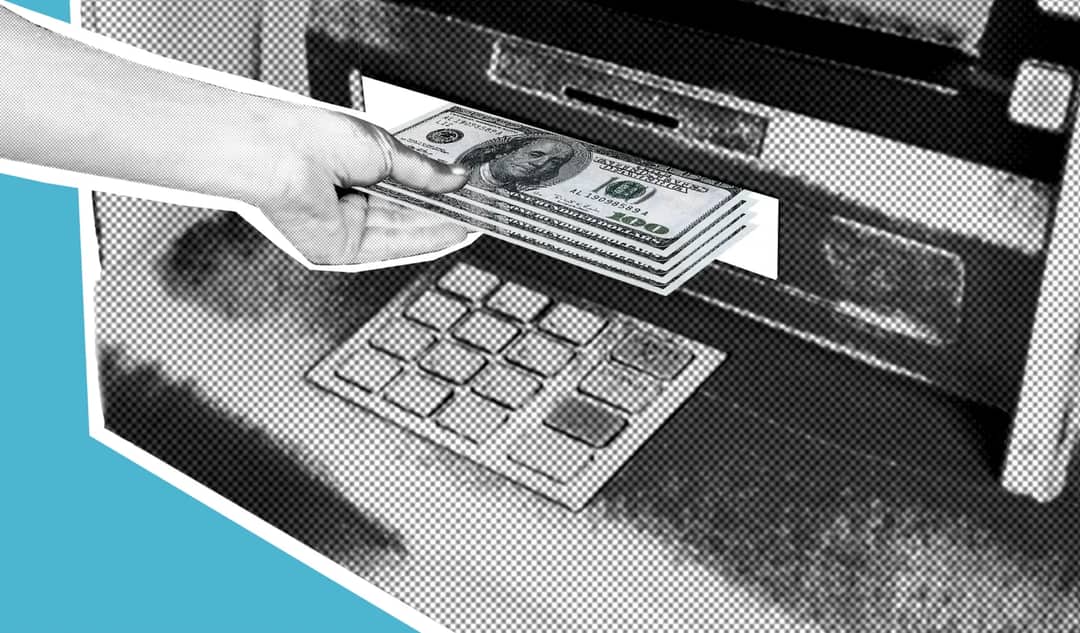
- International ATM withdrawals often stack that percentage on top of a flat $2–$5 issuer fee — and the machine's own operator surcharge on top of that.
- Dynamic currency conversion (DCC) — choosing to be billed in your home currency at the till or ATM — adds a hidden markup of roughly 3–7%, and sometimes far more, above the real exchange rate.
- The cleanest fixes are free: use a no-foreign-fee card, always choose to pay in the local currency, and carry enough local cash for places that do not take cards at all — like Nepal's teahouse trails.
Few things quietly drain a travel budget like the fees you never see coming. You compare flights for hours and haggle over a guesthouse rate, then hand over a card and lose more to conversion charges in a week than you saved all trip. The good news is that these costs are predictable, and almost all of them are avoidable once you know the three mechanisms at work: foreign-transaction fees, ATM fees, and the checkout trap known as dynamic currency conversion. Here is how each one works in 2026, and how to stop paying for it.
Foreign-transaction fees: the percentage you don't notice
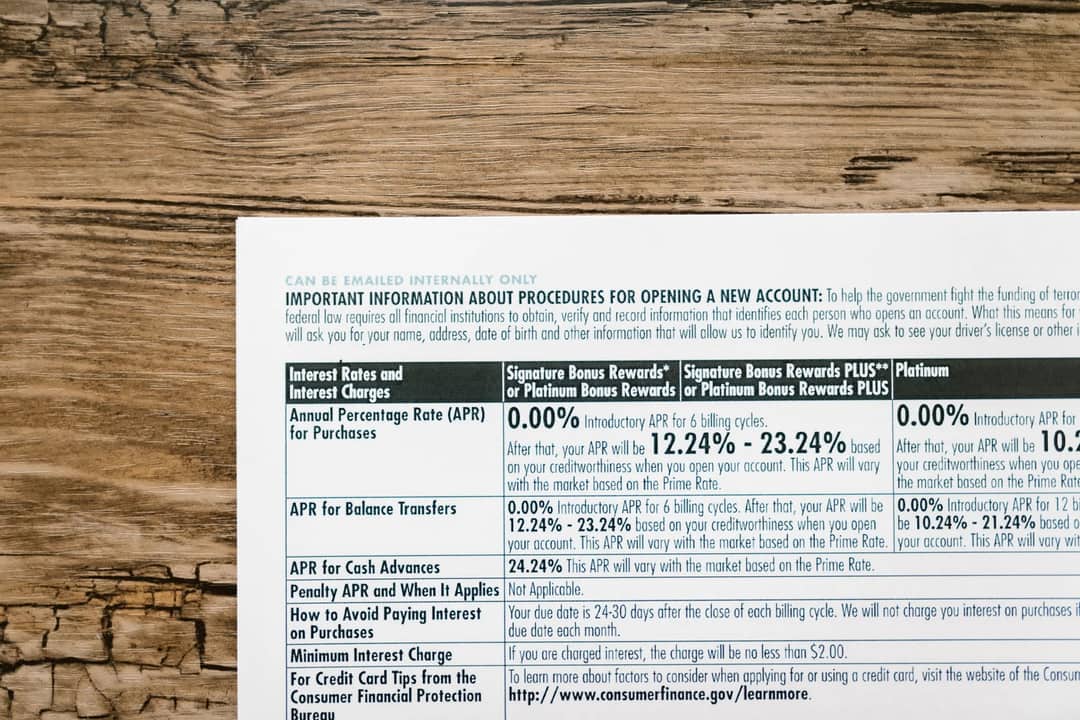
When you spend on a card outside your home country — or even online with an overseas merchant — most banks add a foreign-transaction fee. It usually runs 1–3% of the purchase, and industry trackers put the 2026 average at roughly 1.6%. The fee has two parts: a small network conversion charge from Visa or Mastercard, plus a markup your own bank tacks on. The network's slice is unavoidable and tiny; your bank's markup is the part that varies, and the part you can eliminate by choosing the right card.
| Fee type | Typical cost (2026) | How to avoid it |
|---|---|---|
| Foreign-transaction fee | 1–3% per transaction (avg ~1.6%) | Use a card that advertises no foreign-transaction fee |
| ATM issuer fee | $2–$5 flat, per withdrawal | Use an account that refunds ATM fees; withdraw larger amounts less often |
| ATM operator surcharge | Set by the machine's owner; varies | Use bank-branded ATMs; decline mid-transaction surcharge prompts |
| Dynamic currency conversion (DCC) | ~3–7% above interbank (can be higher) | Always choose to be billed in the LOCAL currency |
Dynamic currency conversion: the most avoidable rip-off
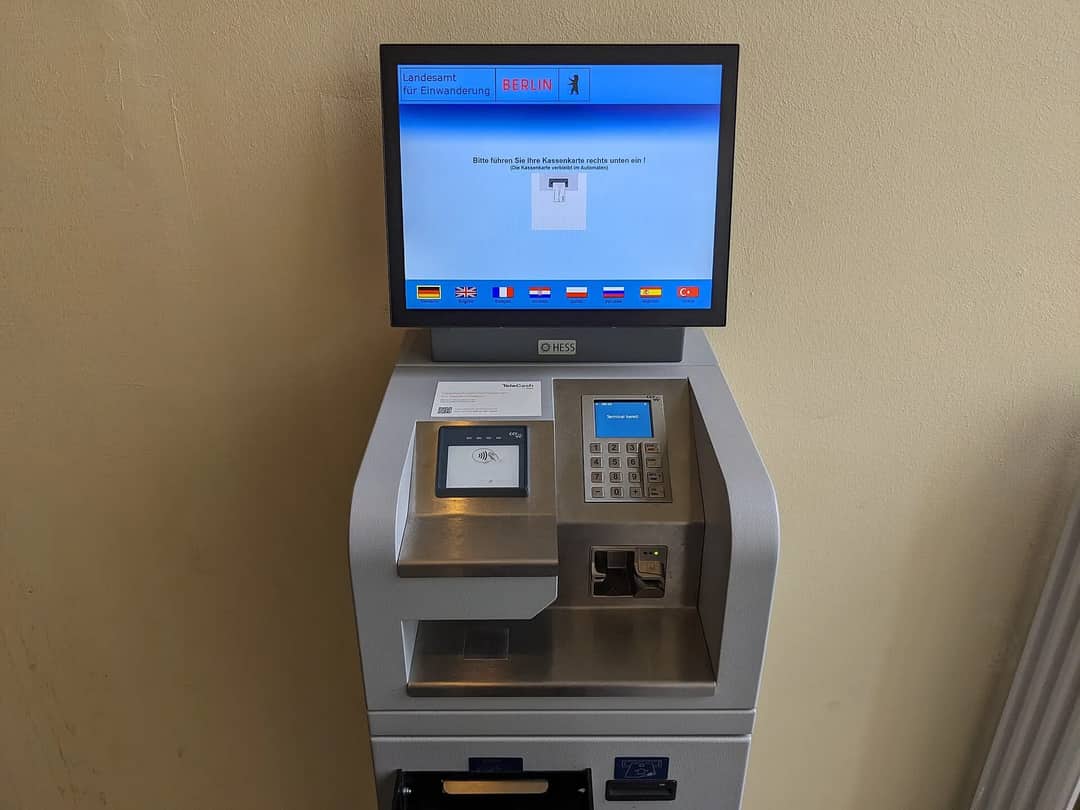
This is the one that catches even seasoned travellers. At a card terminal or foreign ATM, the screen offers you a "helpful" choice: pay in the local currency, or in your home currency. Choosing your home currency feels safer because you see a familiar number — and that is exactly the trap. That conversion is done by the merchant's payment processor, not your bank, at a rate marked up well above the interbank rate. Analyses of DCC put the markup at roughly 3–7% on average, and documented cases run higher still. The merchant and processor split the extra, which is why terminals nudge you toward it.

Whenever a terminal or ATM abroad asks whether to charge you in your home currency or the local one, always choose the local currency. Let your own bank do the conversion — it is almost always cheaper and more transparent. Saying "no" to DCC costs nothing and is the single highest-value habit on this list.
ATM fees: withdraw smart, not often
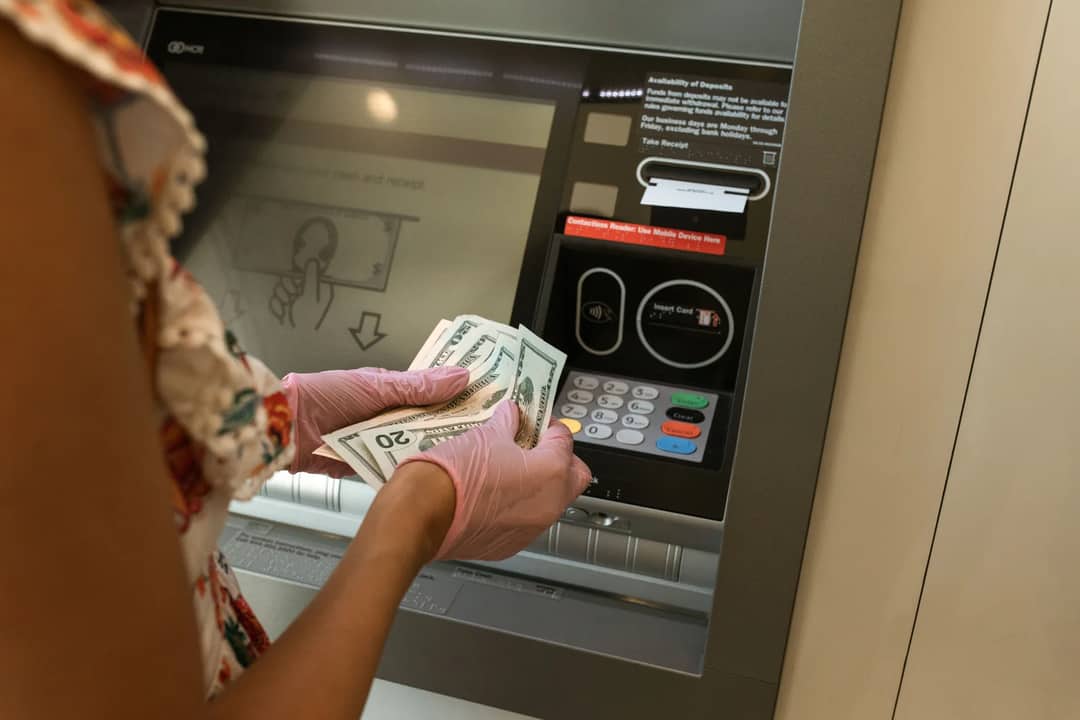
Pulling out local cash abroad can trigger up to three separate charges: your bank's foreign-transaction percentage, a flat issuer fee of about $2–$5, and a surcharge set by whoever owns the machine. Because two of those three are flat fees, the fix is arithmetic: withdraw a larger amount less frequently rather than small sums every day. Favour ATMs attached to a real bank branch over the standalone machines in airports, tourist strips and convenience stores, which tend to carry the steepest surcharges — and, when the screen offers to "lock in" a rate in your currency, that is DCC again, so decline it.
The card types that charge no FX fee
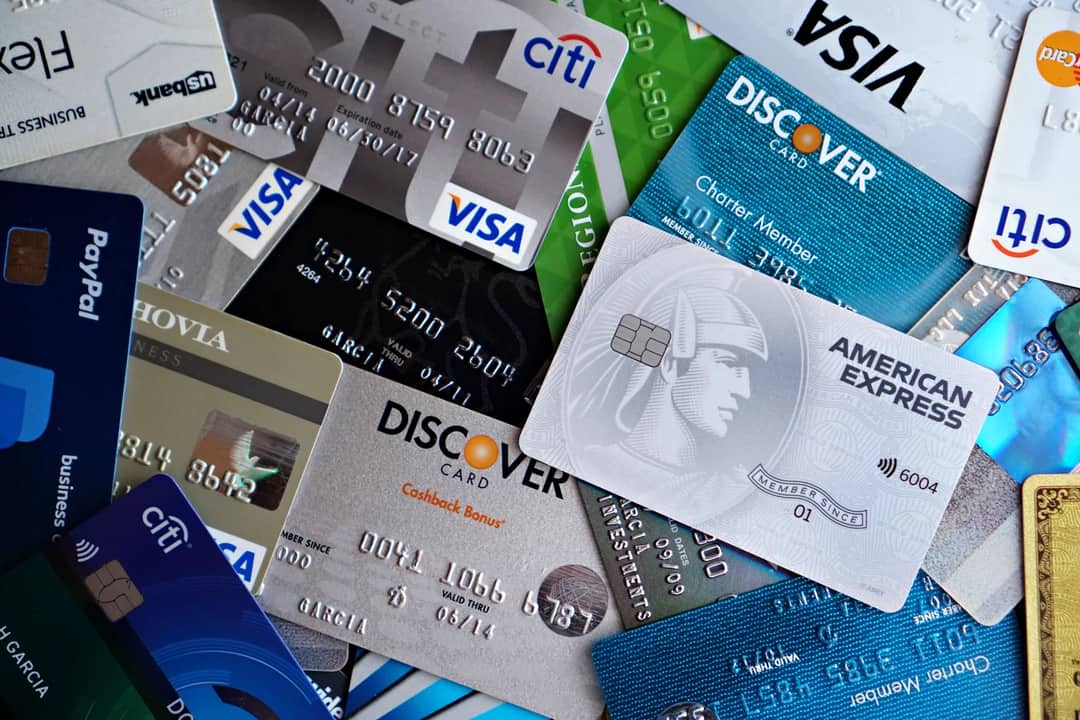
You do not need to memorise product names to travel fee-free — you need to know the categories. Speaking in card types rather than brands, three groups reliably help: travel-focused credit cards, many of which now advertise zero foreign-transaction fees as standard; certain online or challenger-bank checking accounts that both waive FX fees and reimburse ATM operator charges worldwide; and multi-currency or prepaid travel cards from payment fintechs, which convert at or near the interbank rate and let you hold a balance in the local currency. Whichever you choose, read the specific terms before you fly — features vary by issuer and by country, and "no FX fee" on purchases does not always mean "no fee" on ATM withdrawals.
Cash versus card, by region
The right mix depends on where you are going. Across most of Europe, East Asia and North America, contactless card payment is near-universal and a good no-FX card handles almost everything; carry a modest cash reserve only for markets, tips and small vendors. In much of South and Southeast Asia, Latin America and Africa, the balance shifts toward cash the moment you leave the cities — rural transport, family-run lodges and local eateries frequently take notes only. The universal move is the same everywhere: use the card where it is genuinely accepted and fee-free, and keep enough local cash for the places a card simply will not work.
The Nepal reality: above a certain altitude, cash is the only currency
Nepal is the clearest example of that last rule. In Kathmandu and Pokhara you will find ATMs and card-friendly hotels, restaurants and shops — but note that Nepali ATMs usually charge their own withdrawal fee of a few hundred rupees per transaction, on top of anything your home bank adds, so larger, less frequent withdrawals pay off here too. Once you start walking, the card economy disappears. On the classic trekking routes the teahouses that feed and shelter you are effectively cash-only: there are no card terminals at 4,000 metres, and no ATM past the last road-head. You need to carry all the Nepali rupees you will spend on the trail — meals, hot showers, charging, Wi-Fi, snacks and tips — as physical notes from the start. We break down exactly how much to bring, and where to get it, in our Nepal trekking money guide.
Planning a trek with us takes most of that guesswork off your plate — your permits, guide, porter, lodges and in-trek meals are arranged and priced up front, so the cash you carry is for the extras, not the essentials. If you are mapping out a walk like the Everest Base Camp trek, the Manaslu Circuit or the Annapurna Base Camp trek, message us and we will tell you plainly what to budget in cash versus what is already covered — the same honest advice we would give a friend.
Cover photo: Nicbou via Wikimedia Commons (CC0). Section photos: Monstera Production via Pexels (Pexels licence); RDNE Stock project via Pexels (Pexels licence); Ann H via Pexels (Pexels licence); DΛVΞ GΛRCIΛ via Pexels (Pexels licence).
If you are tempted to carry cash instead, check the border declaration limits first.
Frequently asked questions
How much is a foreign transaction fee?
Typically 1–3% of each purchase or withdrawal made abroad, with the average card charging around 1.6% in 2026.
Should I pay in local currency or my home currency?
Always the local currency. Choosing your home currency triggers dynamic currency conversion, which adds a markup of roughly 3–7%.
How do I avoid ATM fees abroad?
Use an account that refunds ATM fees, use bank-branded machines, decline surcharge prompts, and withdraw larger amounts less often.
Do I need cash in Nepal?
Yes. Teahouse trails do not take cards, so carry enough rupees for the trek.
Keep reading
The four decisions that choose a card, with every comparison in one place.

Written by
Bishnu AdhikariPokhara-based, NMA-certified trekking guides. We’ve led 5,000+ treks across the Annapurna and Everest regions since 1998 — every word here comes from the trail. More from this author →
Ready to Trek?
From reading about it to standing on it
Our Pokhara-based guides have been doing this since 1998. Tell us your dates and fitness level — we'll build your perfect itinerary. Free, no obligation.
More guides like this
Popular trips to consider
View all treks & toursFree Trekker’s Insider Guide
Permits, packing lists, cost breakdowns — no fluff.
We send one useful email. You can unsubscribe anytime.