
Got a speeding fine abroad in a rental car? Read this first
The camera snaps the plate, the rental firm names you and adds a fee, then the fine arrives. How it works, French fine amounts and speed limits by country.
On this page (7)
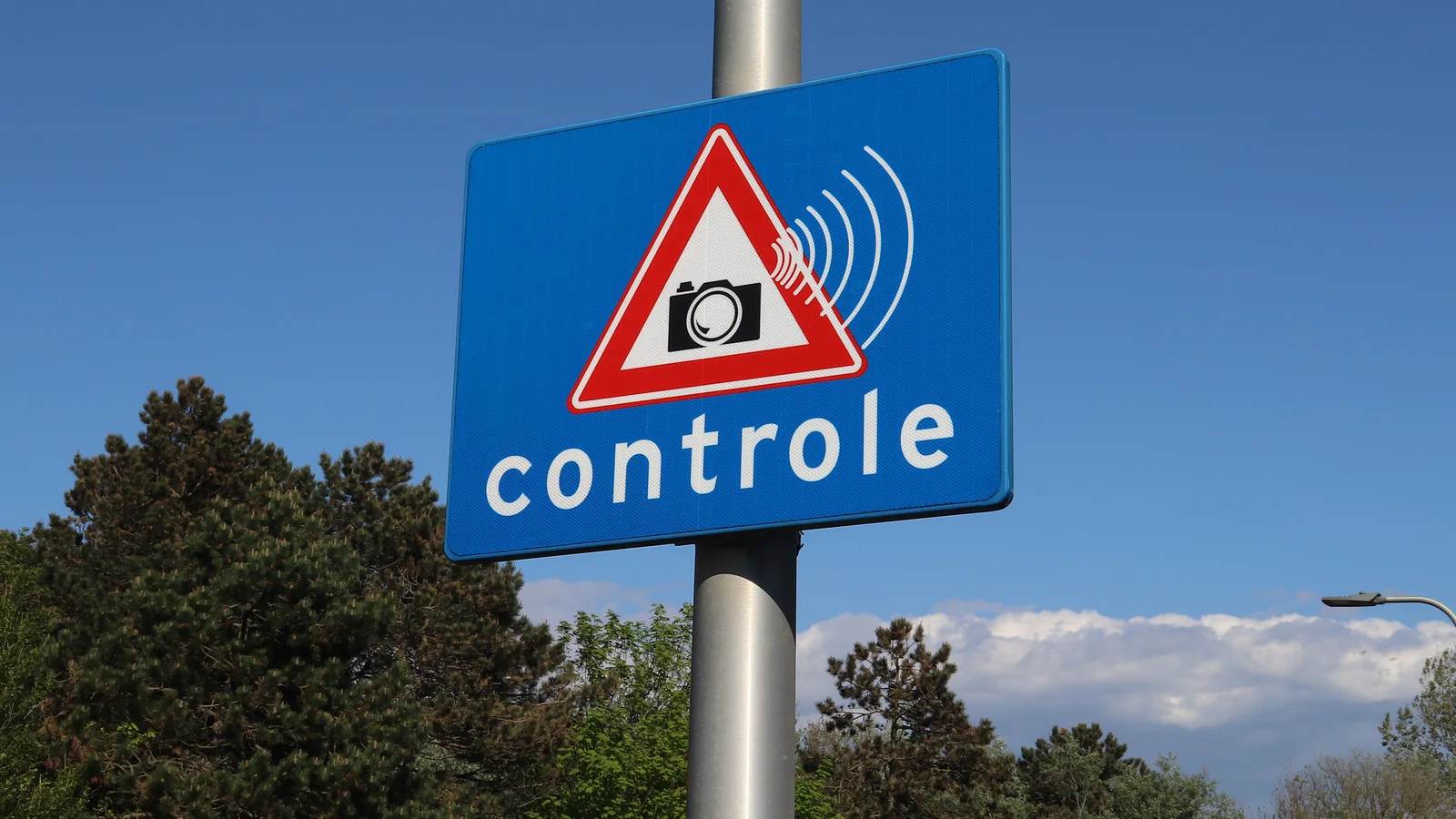
If a speed camera abroad flashes your rental car, the notice goes to the rental company, which owns the car, and the company names you as the driver and may charge your card a handling fee set in your rental agreement. The fine itself then reaches you by post or email, often weeks or months after you are home. Ignoring it rarely makes it disappear, because the rental company has your name, address and card. In France, paying within 15 days cuts a typical camera fine from €68 to €45, so the sensible move is to check the notice is genuine and pay it early.
Most advice online is about EU drivers in their own cars, where a European directive lets countries trace each other’s number plates. A tourist in a hire car is a different case, and a simpler one: the car is registered in the country where you were caught, so no cross-border data exchange is needed at all. Here is how the fine reaches you, what it costs, and the speed limits that catch visitors out.
- The rental company is the route to you. It has your details and your card, so the fine can find you anywhere.
- Expect two charges: the rental company’s handling fee, and the fine from the authority.
- Pay early where there is a discount. France takes a third off within 15 days.
- Pay only through the official site printed on the notice, never a link in a text message.
How a speeding fine reaches you after a rental
The camera photographs the plate, the authority writes to the registered keeper, and for a hire car that keeper is the rental company, which tells the authority you were driving. France’s traffic-offence agency, ANTAI, describes exactly this: a notice sent to you because "you have been named as the offender by a rental company, your employer, or the person who lent you their vehicle".
- The offence. A fixed or average-speed camera records your plate, speed, time and place.
- The keeper. The authority sends a notice to the rental company as the registered keeper of the car.
- The handling fee. The company names you, using the details on your rental contract, and charges the fee its terms allow for doing so.
- Your notice. A new notice in your name reaches your home address or email, with the amount, the deadline and how to pay or appeal.
Because the car is registered in the country of the offence, this works the same for a driver from the US, the UK, Australia or anywhere else. The fine is not about your licence or your nationality. It follows the car to the company, and the company passes it to you.
Speed limits that catch visitors out
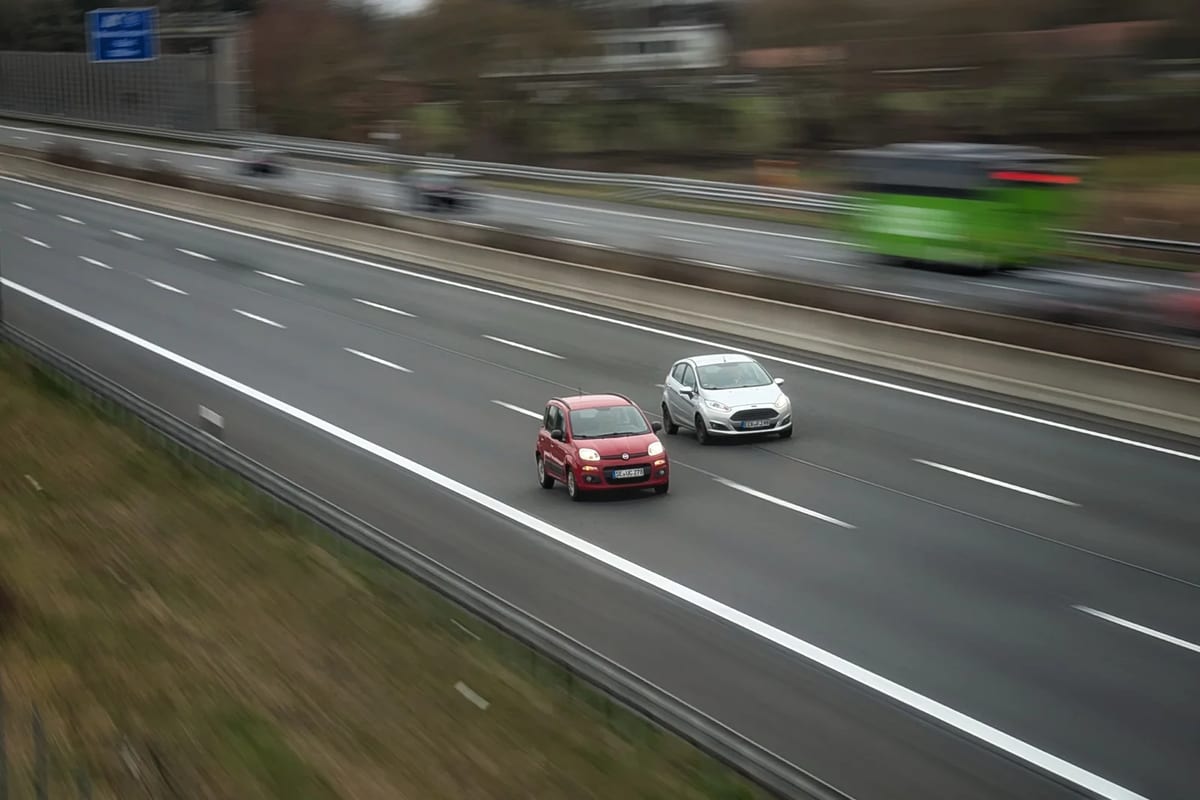
Most European countries set 50 km/h in towns, 80 to 100 km/h on ordinary roads and 120 to 130 km/h on motorways, but the gaps between them are where tourists get flashed. These are the standard limits for cars, as each country reports them to the European Commission’s Your Europe site. Signs always override them.
| Country | Towns | Ordinary roads | Motorways | Watch for |
|---|---|---|---|---|
| France | 50 | 80 (90 where signed) | 130 (110 expressways) | Lower limits in rain and in fog |
| Germany | 50 | 100 | No general limit | 130 is the recommended speed; many stretches are signed lower |
| Italy | 50 | 90 | 130 | |
| Spain | 20 to 50 | 90 | 120 | 30 on town streets with one lane each way |
| Portugal | 50 | 90 | 120 (100 expressways) | |
| Austria | 50 | 100 | 130 | |
| Switzerland | 50 | 80 | 120 (100 expressways) | Lower ordinary-road limit than its neighbours |
| Belgium | 50 | 90 (70 in Flanders) | 120 | 30 near schools, 20 in residential zones |
| Ireland | 50 | 80 to 100 | 120 | Signs are in km/h, unlike the UK |
| Croatia | 50 | 90 | 130 | |
| Czech Republic | 50 | 90 | 130 (110 expressways) | 80 on motorways in built-up areas |
| Hungary | 50 | 90 | 130 (110 expressways) | |
| Poland | 50 | 90 | 140 (120 expressways) | The highest motorway limit in this table |
| Sweden | 50 | 70 | 110 | |
| Norway | 50 | 80 | 100 | Low limits by European standards |
| Denmark | 50 | 80 | 130 |
The pattern in words: towns are 50 km/h almost everywhere, though Spain goes down to 30 and even 20 on narrow streets. Ordinary roads vary most, from 70 in Sweden and Flanders to 100 in Germany and Austria. Motorways run from 100 in Norway to 140 in Poland, and Germany sets no general motorway limit at all, only a recommended 130. France is the classic trap: 80 on most ordinary roads, not the 90 many drivers remember.
What a French speed camera fine costs
A typical French camera fine is €68, or €45 if paid within 15 days; in a 50 km/h zone the same small excess is €135, or €90 paid early. France is the country most visitors hear from, and its amounts are published by ANTAI.
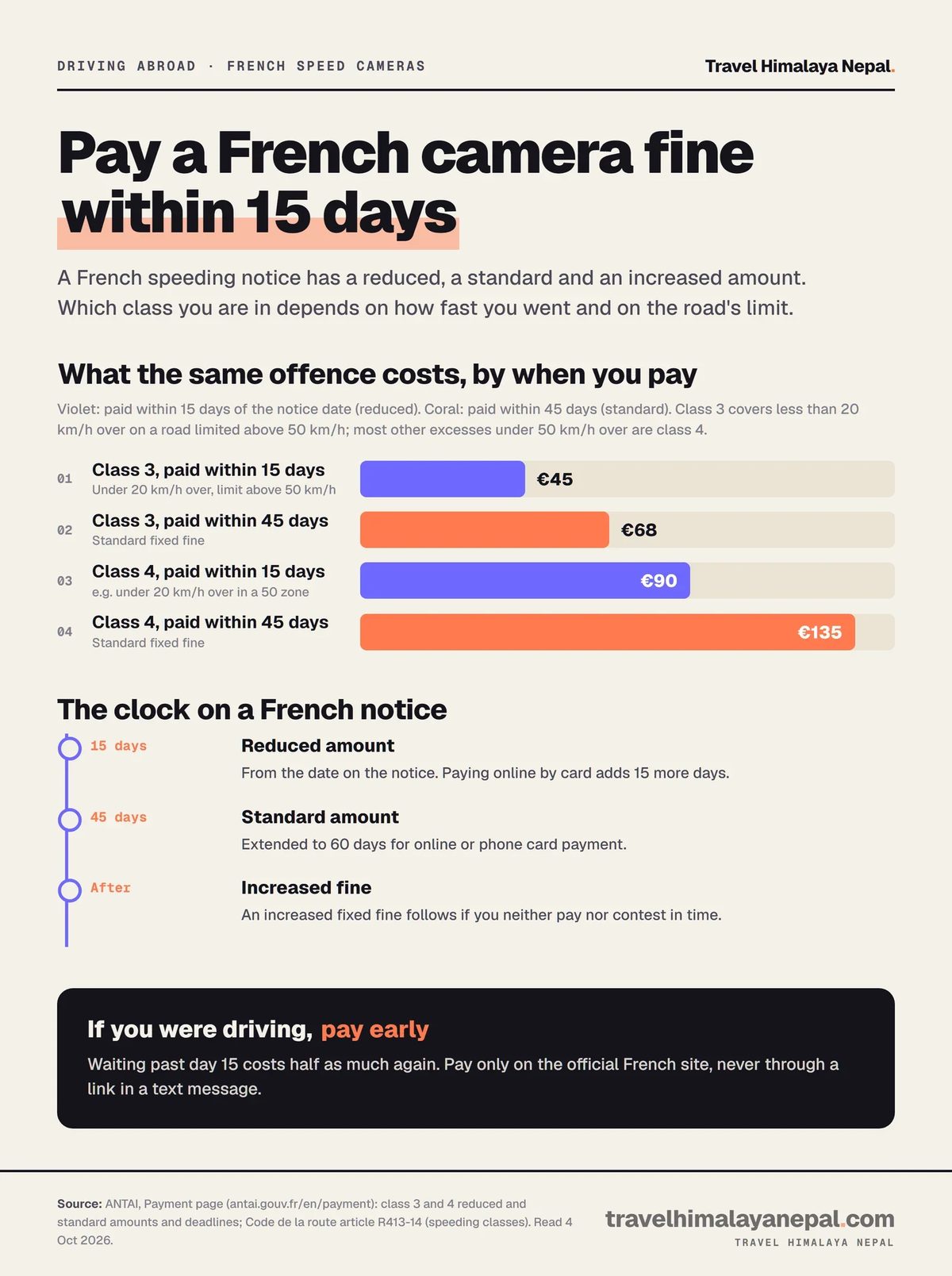
Under article R413-14 of France’s highway code, going less than 20 km/h over on a road limited above 50 km/h is a class 3 offence. Most other excesses of less than 50 km/h, including small ones in a town’s 50 zone, are class 4. ANTAI gives the reduced amount, paid within 15 days of the date on the notice, as €45 for class 3 and €90 for class 4. The standard amount, due within 45 days, is €68 and €135. Paying online by card adds 15 days to each deadline. Miss both and an increased fine follows.
Points are a separate matter. A foreign licence has no French points to take, which is why visitors usually only pay the money.
What the EU rules mean for you, and what changes in 2027
The EU’s cross-border enforcement directive lets member states look up each other’s vehicle registers, so a driver in a car registered in one EU country can be traced from another. It covers speeding, drink-driving, running red lights and not wearing a seat belt, among other offences. For a hire car it barely matters, because the car is registered locally.
A revision, Directive (EU) 2024/3237, was published on 30 December 2024 and must be written into national law by 20 July 2027. According to the European Parliament’s summary, it adds offences such as dangerous parking, dangerous overtaking, crossing a solid line, ignoring vehicle access restrictions, wrong-way driving and hit-and-run. It sets out what an offence notice must contain, including how to appeal. And it lets the country where an offender lives collect unpaid fines over €70 for the country where the offence happened, once all legal steps are exhausted. That last part applies between EU countries, so it reaches EU residents, not visitors from the US or Australia.
Should you pay a speeding fine from abroad?
If you were driving and the notice is genuine, pay it, and pay early where there is a discount. The rental company has your card and your details, an unpaid fine can grow, and you may want to drive in that country again. Disputing a real offence by ignoring it is not a strategy.
Do three things first. Check the notice against your rental dates and route. Find the official payment site printed on it, and type that address yourself rather than following a link in an email or text message. And keep your rental agreement, because it shows the handling fee you agreed to. If you were not driving, or the car was not yours that day, the notice explains how to appeal.
Planning the rest of the road trip? Read what rental car insurance abroad covers, whether you need an international driving permit, the low emission zone rules in each city and the drink-drive limit in each country.
Frequently asked questions
Do I have to pay a speeding fine from a rental car abroad?
If you were driving, yes. The notice goes to the rental company, which names you as the driver, and the authority then fines you directly. The company has your details and card, so the fine can reach you at home.
Why did the rental company charge my card after the trip?
Rental agreements commonly let the company charge a handling fee when it receives a fine and passes your details to the authority. That fee is separate from the fine itself, which arrives later.
How much is a speeding fine in France?
Less than 20 km/h over on a road limited above 50 km/h costs €68, or €45 if paid within 15 days. Most other excesses under 50 km/h over, including in a 50 zone, cost €135, or €90 paid early.
Can a speeding fine from Europe follow me to the US or Australia?
In a hire car, through the rental company, which has your details. The EU’s rules for collecting unpaid fines across borders apply between EU countries, so they reach EU residents rather than visitors from elsewhere.
How long can a speeding fine abroad take to arrive?
Often weeks or months, because it goes to the rental company first and is then reissued in your name. Keep your rental agreement and route details until you are sure nothing is outstanding.
Is there a speed limit on the German autobahn?
Germany has no general speed limit on motorways, but 130 km/h is the recommended speed, and many stretches carry signed limits. Ordinary roads are 100 km/h and towns 50 km/h.
Keep reading
CDW, excess and the counter upsell.
Crit'Air, ULEZ, Area C and the fines.
Zero in four EU countries, 0.8 in England.
Buy the pass before the border.
Sources: ANTAI (antai.gouv.fr), You have received a notice and Payment pages; French Code de la route, article R413-14; European Commission, Your Europe, Road rules and safety, country pages for standard speed limits; European Parliament, Legislative Train Schedule, Revision of the directive on cross-border enforcement of traffic rules; Directive (EU) 2015/413 and Directive (EU) 2024/3237. All read 4 October 2026.
Photo: Pexels Photo: El Jundi / Pexels

Written by
Bishnu AdhikariPokhara-based, NMA-certified trekking guides. We’ve led 5,000+ treks across the Annapurna and Everest regions since 1998 — every word here comes from the trail. More from this author →
Ready to Trek?
From reading about it to standing on it
Our Pokhara-based guides have been doing this since 1998. Tell us your dates and fitness level — we'll build your perfect itinerary. Free, no obligation.
More guides like this
Popular trips to consider
View all treks & toursFree Trekker’s Insider Guide
Permits, packing lists, cost breakdowns — no fluff.
We send one useful email. You can unsubscribe anytime.