
Do You Need a Transit Visa in 2026? The Airport-Connection Rules That Catch People Out
A layover is not always the free pass travelers assume. Here is when a connecting flight needs its own visa — the US, UK, Schengen and China rules for 2026, and what they mean for anyone flying to Kathmandu.

At a glance
- Published
- TopicVisas & Entry
- Verified againstU.S. Dept. of State; UK gov.uk; European Commission; China State Council
- Treks coveredEverest Base Camp Trek — 15 Days, Manaslu Circuit Trek — 14 Days, Annapurna Circuit Trek — 13 Days
A layover feels like a loophole. You never really enter the country — you step off one plane, walk to another gate, and step onto the next. Surely a passport control officer you never meet cannot ask for a visa? For a surprising number of countries in 2026, that assumption is exactly what gets people turned back at the departure gate before they ever leave home.
Key facts
- The United States has no international transit zone. Even to change planes, you must be admitted — which means an ESTA if you qualify for the Visa Waiver Program, or a C-1 transit visa if you do not.
- The UK requires certain nationalities to hold a Direct Airside Transit Visa (DATV) just to connect airside; a UK ETA or valid visa now exempts many travelers.
- The Schengen Area makes listed nationalities carry an Airport Transit Visa (ATV) even without leaving the international zone.
- China is generous: 24-hour airside transit for most nationalities, and a 240-hour (10-day) visa-free stay for citizens of 55 countries with an onward ticket to a third country.
- Whether you need a transit visa depends on your passport nationality and your exact routing — never on the length of the layover alone.
The one that catches people out: the United States
The US is the classic trap because so many long-haul routes touch it and because it breaks the rule the rest of the world taught you. There is no sterile "international transfers" corridor at American airports. Every passenger connecting through the US is formally entering the country, clearing immigration and often re-checking bags, even if their onward flight leaves 90 minutes later. That means you need travel authorization in advance: an ESTA if your country is in the Visa Waiver Program, or a C-1 transit visa if it is not. According to the US Department of State, there is no transit-without-visa arrangement to fall back on. If you are unsure whether your nationality qualifies for the Visa Waiver Program, confirm it on travel.state.gov before you book a US-routed ticket — this is the single most common way travelers get caught.
The UK: airside versus landside
The UK draws a sharp line. If you change flights without passing through border control, some nationalities need a Direct Airside Transit Visa. If you will pass through border control but leave within 48 hours, that is the "visitor in transit" route. Per gov.uk, you can skip a transit visa entirely if you already hold a UK Electronic Travel Authorisation, a Standard Visitor visa, or certain other permits. Which category applies to you depends entirely on your passport, so run your details through the official gov.uk "check if you need a visa" tool rather than guessing from a friend's experience.
Schengen: the visa you can need without leaving the airport
Most travelers picture the Schengen visa as the stamp that lets you walk out into Paris or Frankfurt. But the European Commission also maintains an Airport Transit Visa for nationals of certain countries, required "even to simply transit through the international (non-Schengen) part of an EU airport." The EU-wide list is set by regulation, and individual member states can add nationalities of their own. If your passport is on that list, an airside connection through Amsterdam or Madrid is not automatically free — check the specific country you are transiting.
China: 24 hours free, or 10 days to explore
China has moved the other way, and aggressively. There are two visa-free transit programs: a 24-hour transit-without-visa open to passengers of most nationalities at most ports, aimed at airside connections; and the expanded 240-hour (10-day) policy, which lets citizens of 55 countries enter and exit at eligible ports as long as their onward travel is to a different third country or territory within ten days. Hong Kong, Macao and Taiwan count as separate destinations for this purpose. It is one of the most traveler-friendly transit rules in the world right now — but it is nationality- and port-specific, so verify both before relying on it.
| Transit hub | Transit visa needed? | Notes |
|---|---|---|
| United States (any airport) | Yes, unless ESTA-eligible | No airside transit zone; you must be admitted. VWP nationals use ESTA, others need a C-1 visa. |
| United Kingdom (Heathrow etc.) | Sometimes | Some nationalities need a DATV airside; a UK ETA or valid visa exempts many. |
| Schengen (Frankfurt, Amsterdam) | Sometimes | Listed nationalities need an Airport Transit Visa even airside; others transit freely. |
| Mainland China (Beijing, Shanghai) | Usually no | 24-hour airside TWOV for most; 240-hour stay for 55 nationalities with an onward third-country ticket. |
| Doha (Qatar) | No, airside | International-to-international transfers stay airside without a visa; confirm with your airline. |
| Istanbul (Turkiye) | No, airside | Airside international transfers generally need no visa; leaving the airport may. |
| Delhi (India) | Usually no, airside | Same-terminal airside transfers are typically fine; a terminal change or baggage re-check can require a transit visa — check first. |
Flying to Kathmandu? Your layover matters
Almost nobody flies to Nepal non-stop. The common gateways into Kathmandu are Delhi (India), Doha (Qatar) and Istanbul (Turkey), with Middle Eastern and Chinese hubs close behind. The good news: for a straightforward airside connection at any of these, most travelers do not need a transit visa. The traps are the details. A change of terminal at Delhi, an overnight layover long enough that you must exit and re-enter, or a routing that quietly sends you through the United States can each flip "no visa" into "visa required." And because the airline is liable for boarding you, they will check — so a missing transit visa becomes a missed flight, not a problem you solve on arrival.
Nepal itself is the easy part: most nationalities get a visa on arrival at Kathmandu airport, so once you have cleared your transit points, entry is quick. For a fuller picture of how entry rules are shifting this year — Europe's ETIAS, the UK ETA and the US ESTA fee — see our guide to the 2026 entry-rule changes, and if you would rather sidestep the paperwork entirely, our roundup of the easiest countries to visit in 2026.
How to check in five minutes
Write down your passport nationality and every country you touch, then ask three questions for each layover: do I stay airside or pass through immigration; do I have to collect and re-check my bags; and is any leg routed through the US. Verify the answer in two places — your airline (they carry the liability and will not board you without the right documents) and the transit country's official immigration website. Do not settle a transit-visa question on a travel forum. When a rule is genuinely ambiguous for your passport, contact that country's embassy before you pay for the ticket. A visa mistake is one of the few travel errors you cannot fix at the gate.
Once your routing is sorted, the mountains are the simple bit. We help every trekker line up the right flights, transit points and Nepal permits before they arrive. If you are planning a Himalayan trip in 2026 and want the connections handled properly, message our team and we will map it out with you.
Cover photo: Rafael Rodrigues via Pexels (Pexels License).
Planning a trek?
Trek this route with us — Everest Base Camp Trek — 15 Days
NMA-certified local guides, transparent pricing, 5,000+ treks since 1998. Message us your dates and we'll sort the permits, lodges and logistics — reply within 24 hours, no obligation.


Popular Nepal treks
All treks →


Related coverage

Deals & Routes
How to Get Airport Lounge Access in 2026 (Without Flying Business Class)
Priority Pass, DragonPass, credit-card perks, day passes and walk-in prices — the five real routes into an airport lounge, and which hub lounges are worth it on the way to Nepal.
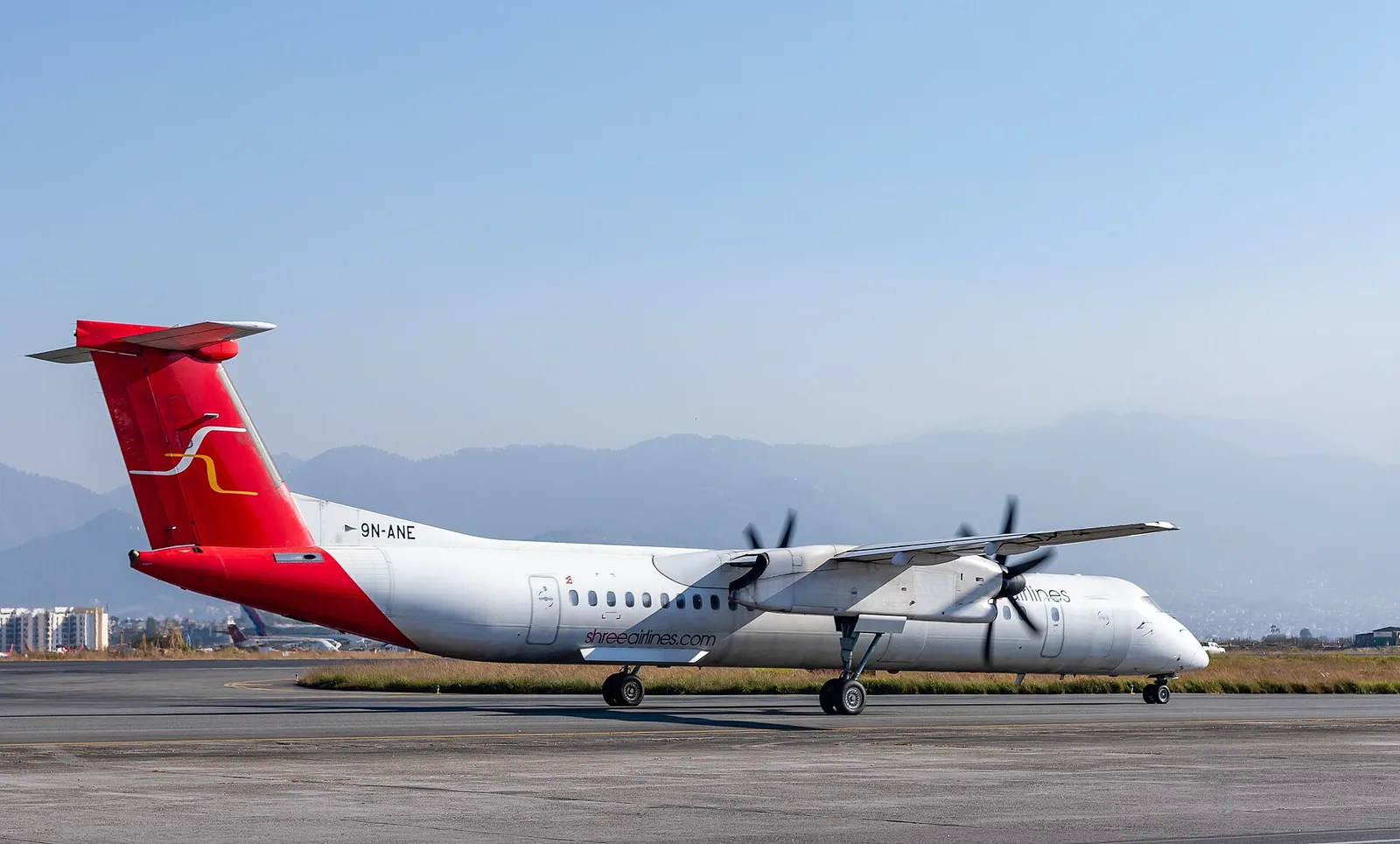
Breaking · Flights & Access
Nepal's Tourist Visa Goes Fully Digital on August 17, 2026 — What Actually Changes at the Airport
In twelve days, Nepal's Department of Immigration switches on a nationwide e-Visa system that lets trekkers apply, pay and get approved before they ever board a flight to Kathmandu.
Safety & Advisories
How to Beat Jet Lag in 2026: What Actually Works (Backed by Science)
Circadian science, light timing and low-dose melatonin — plus the odd UTC+5:45 twist of flying into Kathmandu before a Himalaya trek.

Money & Insurance
Travel Insurance for Visiting the USA in 2026: Why You Need $1M+ in Medical Cover
American hospitals bill like nowhere else on earth. Before you add a US layover or a New York stopover to your Himalayan trip, here is the medical cover that actually protects you — and why a bare-minimum policy can leave you owing five or six figures.
Latest from the desk
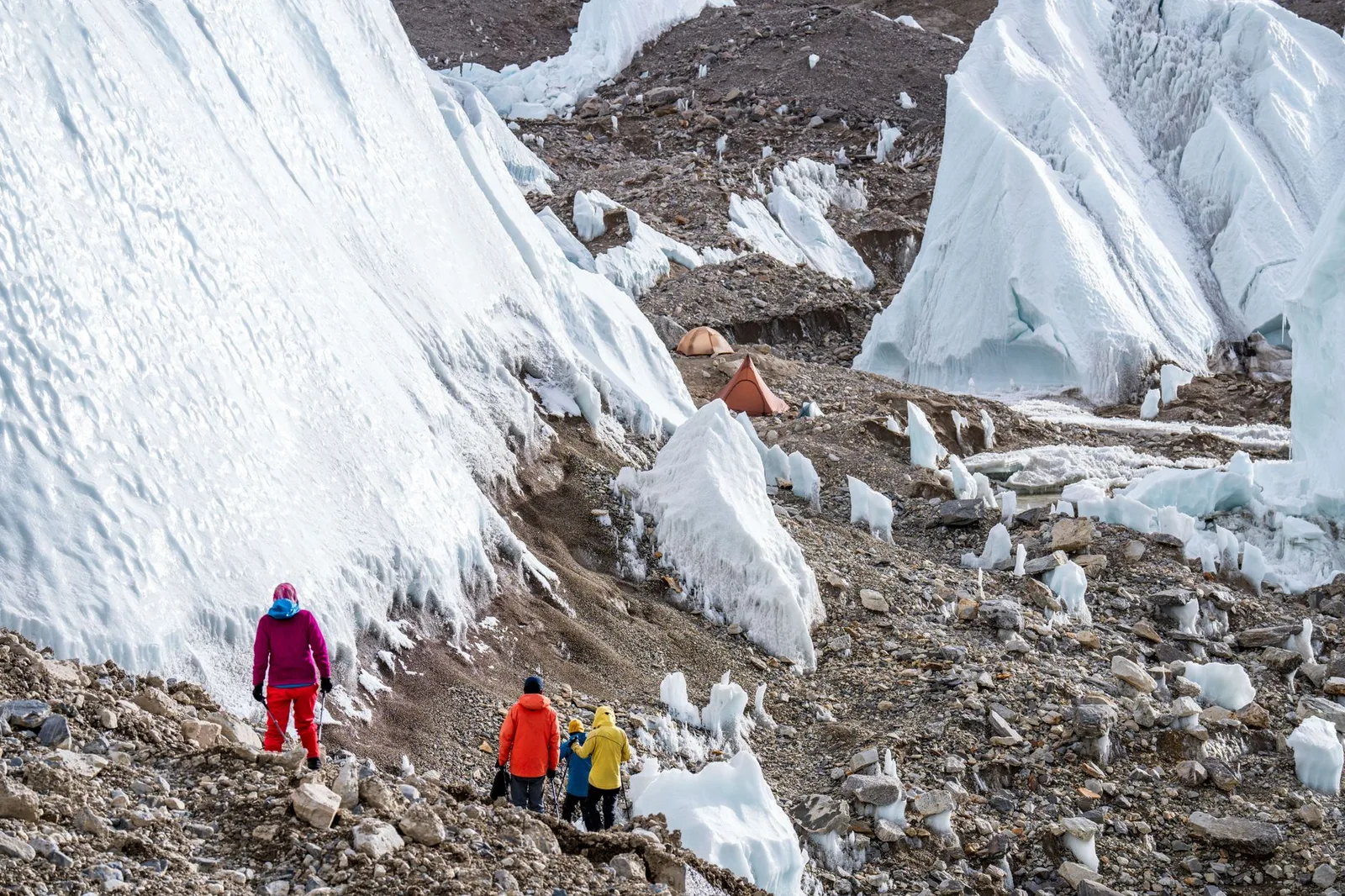
Records & People
The World's Highest Marathon Starts at Everest Base Camp — and Nobody Has Beaten a 2006 Record Since
The Tenzing-Hillary Everest Marathon drops 1,920 vertical metres over 26.2 miles from the base of the world's tallest mountain — and a Nepali runner's course record has now survived twenty straight years of attempts.
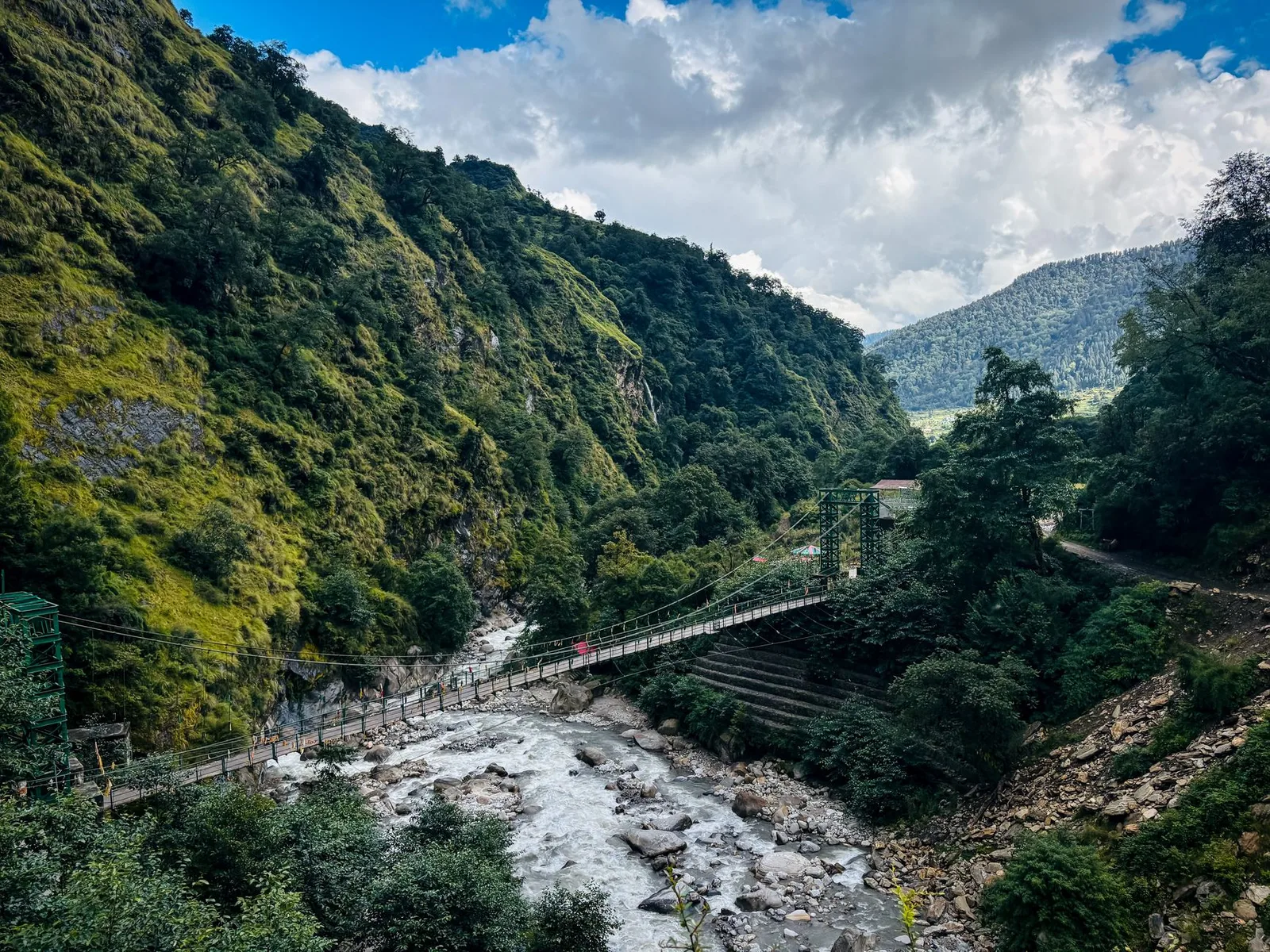
Industry & Tourism
Nepal Now Has the World's Second-Highest Bungee Jump — 228 Metres Into the World's Deepest Gorge
Only Macau Tower stands taller. The Kushma Bungee drops jumpers 228 metres into the Kali Gandaki gorge, squeezed between two 8,000-metre giants a couple of hours from Pokhara.

Gear & Tech
How to Travel Carry-On Only in 2026 (Pack Light, Skip Baggage Fees, Never Lose a Bag)
The carry-on-only method — the 100ml liquids rule, capsule packing, worn layers and sink laundry — and how it dodges every checked-bag fee, all the way to Kathmandu.