
Europe's ETIAS Slips, UK ETA Hits £20, US ESTA Doubles to $40: The 2026 Entry-Rule Changes
A wave of new digital paperwork and higher fees hit travellers in 2026 — Europe’s biometric EES is live, the UK ETA is now £20 and US ESTA jumped to $40, while ETIAS is delayed again. Here’s who pays what, verified as of August 2026 — and why Nepal stays visa-on-arrival for almost everyone.
At a glance
- Published
- TopicIndustry & Tourism
- Verified againstEuropean Commission, UK Government, U.S. CBP
- Treks coveredAnnapurna Base Camp Trek — 9 Days, Everest Base Camp Trek — 14 Days
Getting into the world's most-visited countries is about to cost more and take an extra step. Through 2026 a wave of new digital paperwork and higher fees has landed on ordinary tourists: the European Union's biometric Entry/Exit System (EES) is now fully live at every Schengen border, the United Kingdom's Electronic Travel Authorisation (ETA) has risen to £20, and the United States' ESTA has jumped to US$40. Europe's long-delayed ETIAS permit — €20, valid three years — still is not required, but it is coming. Here is exactly what changed, who it affects and what it costs, verified against official sources as of August 2026.
What's new for 2026
- EES is live. Since 10 April 2026 the EU's biometric Entry/Exit System operates at all Schengen borders — fingerprints and a facial photo replace the passport stamp.
- UK ETA costs more. The fee rose from £16 to £20 on 8 April 2026; it is now required for around 84 visa-exempt nationalities, including US, EU, Australian and Canadian visitors.
- US ESTA doubled. The Visa Waiver authorisation went from $21 to $40 for applications filed on or after 30 September 2025.
- ETIAS still pending. The €20 European travel permit has not launched; Brussels has walked back its 2026 target and no firm date is confirmed.
| System | Who it affects | Cost | Status (Aug 2026) |
|---|---|---|---|
| EU — EES | All non-EU visitors at Schengen borders | Free | Live since 10 Apr 2026 |
| EU — ETIAS | Visa-exempt visitors (US, UK, AU, CA, etc.) | €20 | Not yet required; date pending |
| UK — ETA | ~84 visa-exempt nationalities | £20 | Required now |
| US — ESTA | Visa Waiver Program travellers | $40 | Required now |
| US — Visa Integrity Fee | Most nonimmigrant visa holders (not ESTA) | $250 | In law, not yet collected |
| Nepal — visa on arrival | Almost every nationality | $30–125 | Unchanged; easy access |
Europe: the stamp is gone, EES is watching
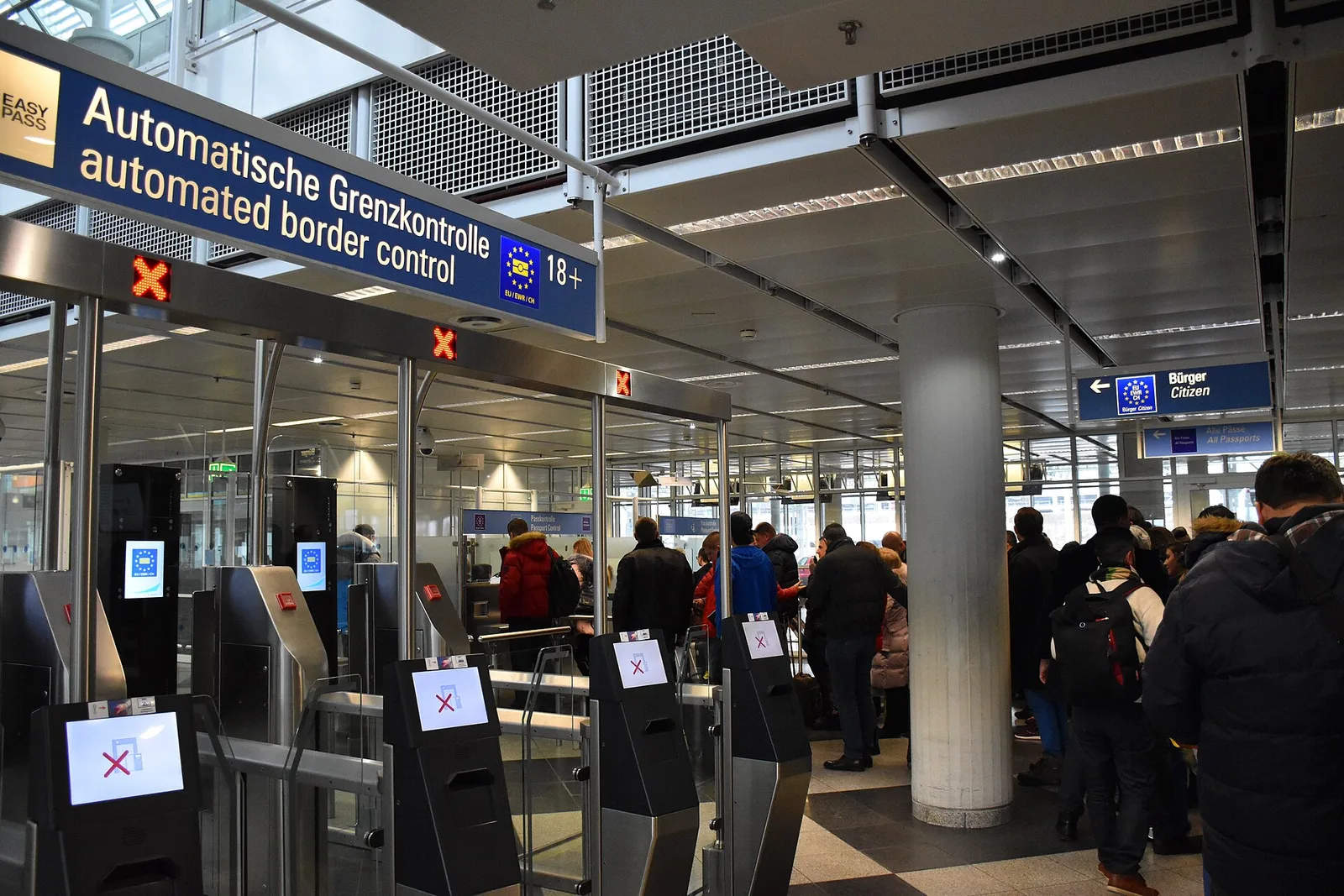
The biggest structural change is Europe's Entry/Exit System, which became fully operational across all 29 Schengen countries on 10 April 2026 after a phased six-month rollout. On your first crossing you register four fingerprints and a facial image; the machine logs each entry and exit automatically. There is no fee and no advance application — but there is no discretion either. EES replaces the ink passport stamp and flags overstays in real time. In its first six months the European Commission says the system recorded roughly 66 million crossings and refused entry to about 32,000 people, nearly 7,000 of them for overstaying.
Watch the clock
The 90-days-in-180 Schengen limit was always the rule, but the stamp made it fuzzy. EES now counts your days for you. There is no grace: an accidental overstay is logged automatically and can cost you your next trip.
ETIAS: coming, but not yet
ETIAS — the European Travel Information and Authorisation System — is the pre-travel permit that visa-exempt travellers will one day need before flying to 30 European countries. It will cost €20 (free for under-18s and over-70s), take about ten minutes online, link to your passport and stay valid for three years. Crucially, as of August 2026 it is not yet in force: the European Commission has stepped back from its earlier "final quarter of 2026" guidance and has not published a confirmed launch date, with a revised timeline expected after a review later this year. In practice, you do not need ETIAS for a trip booked today — but check before you travel, because it will arrive with only a short grace period once a date is set. See the official EU ETIAS page for the live status.
United Kingdom: ETA now £20
Britain's Electronic Travel Authorisation is now fully rolled out and, since 8 April 2026, costs £20 (up from £16). Nationals of around 84 visa-exempt countries — including the US, the EU, Australia and Canada — need one to visit the UK, Jersey, Guernsey or the Isle of Man for stays of up to six months. It is valid for two years or until your passport expires, and covers multiple trips. British and Irish passport holders are exempt. Apply through the official UK ETA app or gov.uk; approval is usually quick, but the Home Office advises allowing at least three working days.
United States: ESTA up, a bigger fee looms
For Visa Waiver Program travellers, the ESTA fee rose from $21 to $40 for any application filed on or after 30 September 2025, under the 2025 budget law; Customs and Border Protection lists it at $40.27 after a January 2026 inflation adjustment. ESTA remains valid for two years. Separately, Congress created a new $250 "Visa Integrity Fee" for most nonimmigrant visa applicants (business, tourist, student and work visas) — but not for ESTA/Visa Waiver travellers. Reporting through 2026 indicates the $250 fee has not yet been implemented or collected; treat it as coming, not current, and verify at your consulate before assuming it applies.
The other direction: more digital-nomad visas
Friction runs one way for tourists, but the opposite way for remote workers. More than 60 countries now issue some form of digital-nomad or remote-work visa. Italy's remote-worker visa (minimum income around €24,789 a year) opens a renewable one-year residence permit with Schengen access; Japan's remote-work visa allows a six-month stay for higher earners (roughly ¥10 million in annual income); and South Korea's "workation" visa now offers stays of up to two years. If you earn abroad, the map is widening even as the tourist queue lengthens.
The easy-access exception: Nepal
While much of the world adds screens, fees and biometrics, Nepal remains one of the simplest countries on earth to enter. Almost every nationality can get a tourist visa on arrival at Kathmandu's Tribhuvan International Airport (or online in advance): $30 for 15 days, $50 for 30 days, $125 for 90 days. Indian nationals need no visa at all. There is no pre-travel authorisation to buy weeks ahead, no ETA app, no three-year permit to renew — you fill a form, pay in cash or card, and walk to the trail.
That matters if your 2026 trip is the Himalaya. You can plan an Everest Base Camp trek or an Annapurna route without a single advance entry permit for the border itself — your only real paperwork is the trekking permits we arrange for you. For the full breakdown, see our Nepal visa guide and the Everest region guide, or browse where the smart money is heading in our best of Asia 2026 roundup.
Sources
- European Commission — Entry/Exit System fully operational 10 April 2026
- European Union — ETIAS official information (€20, launch status)
- UK Government — Apply for an Electronic Travel Authorisation (ETA)
- U.S. Customs and Border Protection — CBP announces ESTA fee change ($40)
Cover photo: Vasyatka1 via Wikimedia Commons (CC BY-SA 4.0).
Planning a trek?
Trek this route with us — Annapurna Base Camp Trek — 9 Days
NMA-certified local guides, transparent pricing, 5,000+ treks since 1998. Message us your dates and we'll sort the permits, lodges and logistics — reply within 24 hours, no obligation.


Popular Nepal treks
All treks →


Related coverage
Breaking · Flights & Access
Nepal's Tourist Visa Goes Fully Digital on August 17, 2026 — What Actually Changes at the Airport
In twelve days, Nepal's Department of Immigration switches on a nationwide e-Visa system that lets trekkers apply, pay and get approved before they ever board a flight to Kathmandu.

Permits & Rules
Nepal Trekking Permit Fees for Autumn 2026, Verified — What Actually Changed (Almost Nothing)
Amid headlines about Everest's climbing costs rising, we checked the actual trekking permit fees against Nepal's official sources — ACAP, TIMS, Sagarmatha, Manaslu and Langtang are all exactly where they were last year.
Industry & Tourism
Singapore Has the World's Most Powerful Passport in 2026 — Visa-Free to 192 Countries
Singapore tops the latest Henley Passport Index with visa-free access to 192 destinations, while the US passport slips to 10th. Here is the full 2026 ranking — and where Nepal lands.

Industry & Tourism
From Venice's €10 Entry Fee to Bali's Levy: Every Tourist Tax You'll Pay in 2026
Access fees, climate levies and departure taxes are spreading fast in 2026. Here is a verified rundown of who charges what — from Venice and Bali to Barcelona, Bhutan, Japan and the UK — and why Nepal does it differently.
Latest from the desk
Industry & Tourism
UNESCO Just Added 25 New World Heritage Sites in 2026 — Here’s the Full List
The 48th World Heritage Committee met in Busan and inscribed 25 new sites — from the D-Day beaches and Mount Olympus to the Buddhist site of Sarnath. Here is the full 2026 list, and why it matters from Nepal.
Industry & Tourism
How One TV Show Sent Muskoka Searches Up 110%: The 2026 'Set-Jetting' Effect
Screen-inspired travel is now a projected US$8 billion business, and 2026's biggest spikes — Muskoka, Yorkshire, Rome — show why the real adventure set never needed a streaming release.
Flights & Access
Daily Dubai–Pokhara Flights Land in September: The New 2026 Routes Making Nepal Easier to Reach
flydubai's first daily Dubai–Pokhara service, a new Kathmandu–Shenzhen route and extra Nepal Airlines flights to Tokyo are quietly reshaping how travellers reach the Himalaya in 2026.