
How to Travel Carry-On Only in 2026 (Pack Light, Skip Baggage Fees, Never Lose a Bag)
The carry-on-only method — the 100ml liquids rule, capsule packing, worn layers and sink laundry — and how it dodges every checked-bag fee, all the way to Kathmandu.
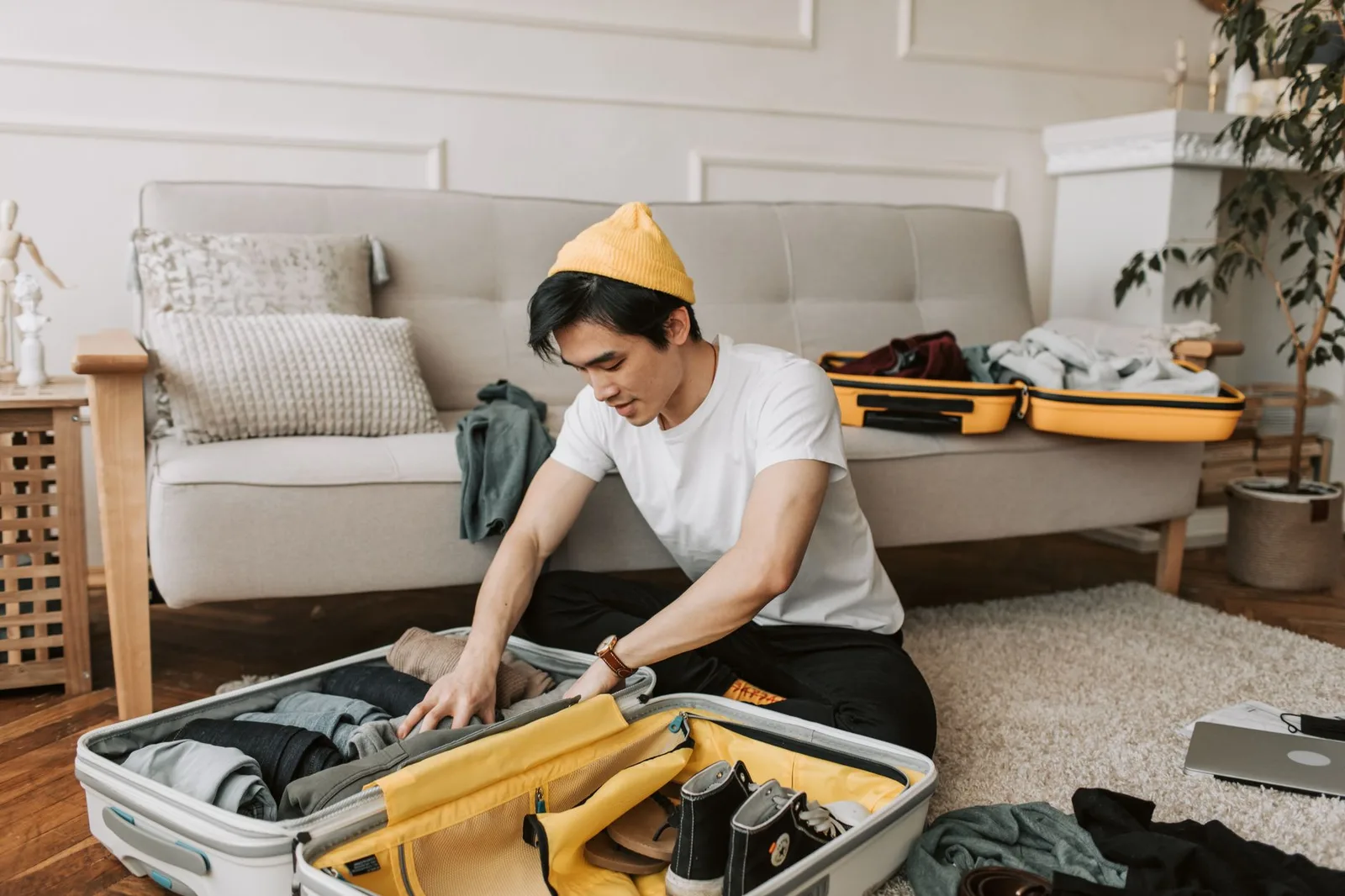
At a glance
- Published
- TopicGear & Tech
- Verified againstUS TSA / Delta Air Lines & UK Government (GOV.UK)
- Treks coveredAnnapurna Panorama Trek — 7 Days, Everest Base Camp Trek — 15 Days
Here is the honest answer up front: yes, you can fly to Nepal — or almost anywhere — with only a carry-on, and it is the single easiest travel upgrade most people never make. No checked-bag fee. No 40 minutes at the belt hoping your duffel made the connection. No lost luggage the night before your flight to Lukla. The whole method comes down to three numbers, one packing discipline, and a willingness to do laundry in a sink. As of 2026 the rules that make it work are stable and well documented, so this is a system you can trust for years.
Carry-on only — the three numbers that run everything
- 100 ml (3.4 oz): the maximum size of any single liquid, gel, aerosol or paste container in your cabin bag.
- 1 clear bag, ~1 litre: all those containers must fit inside one transparent, resealable bag — roughly 20 cm × 20 cm — one bag per passenger.
- ~56 × 35 × 23 cm (22 × 14 × 9 in): a typical full-size cabin bag limit. Stay under it and you never check a thing.
The 100ml liquids rule, and why it is still the boss of your bag
The liquids restriction dates back to the August 2006 transatlantic bomb plot, and the core limit has not moved. Every container of liquid, gel, cream or aerosol in your carry-on must be 100 ml (3.4 oz) or smaller, and they all have to fit inside a single clear, resealable bag of about a litre — one bag per person. The US Transportation Security Administration calls it the “3-1-1” rule; the UK and EU phrase it as 100 ml in a bag no larger than roughly 20 cm × 20 cm. It is the same rule wearing different clothes.
There is one 2026 wrinkle worth knowing. A handful of airports have installed new CT scanners and quietly raised their liquid limit — some UK airports now allow containers up to 2 litres. Do not plan around it. The 100ml rule still applies at most airports worldwide, and you cannot control which airport you connect through. Pack every trip as if the 100ml limit is in force and you will never be caught out. The fix is simple: buy travel-size refillable bottles, decant your shampoo and sunscreen, and treat solid bars — soap, shampoo, sunscreen sticks, solid toothpaste tabs — as your friends, because a solid is not a liquid and does not count against the bag at all.
Size and weight: know your airline before you pack
Here is the trap that catches people: there is no single global carry-on size. Airlines set their own. A major US carrier like Delta allows a generous 56 × 35 × 23 cm (22 × 14 × 9 in) with no weight limit at all. The industry guideline suggested by IATA is 56 × 45 × 25 cm. But a budget European carrier such as Ryanair caps its free cabin bag at a much smaller 40 × 25 × 20 cm, and many international and low-cost airlines add a weight limit on top — commonly in the 7–10 kg range (Ryanair 10 kg, Aer Lingus 10 kg, Air Canada 10 kg, easyJet up to 15 kg on its larger allowance).
So the real rule is: pack to the smallest, strictest airline on your whole itinerary. If one leg allows only 7 kg, build your bag to 7 kg. Weigh it at home on a bathroom scale. A soft-sided 35–45 litre carry-on backpack is far more forgiving than a hard shell — it squishes into a sizer and shifts weight onto your back, not a fee counter.
| Rule / tip | What to do about it |
|---|---|
| 100 ml liquids limit | Decant into travel bottles; switch to solid bars (soap, shampoo, sunscreen). One clear ~1L bag, out and ready for the tray. |
| Cabin size varies by airline | Pack to the smallest bag on your itinerary; use a 35–45L soft backpack that compresses into a sizer. |
| Weight limit (often 7–10 kg) | Weigh the packed bag at home. Wear your heaviest items — boots and jacket — through the airport. |
| Too many clothes | Build a capsule: 3–4 tops, 2 bottoms, layers that mix. Merino re-wears for days without smelling. |
| Running out of clean clothes | Do sink laundry every 2–3 nights; quick-dry fabrics are dry by morning. Pack a flat drain plug and a little soap. |
| Bulky gear won’t fit | Wear it or rent it at your destination (see the Nepal note below). |
Capsule packing, worn layers, and sink laundry
The mindset shift is from “what might I need?” to “what will I wear on repeat?” Build a capsule wardrobe: three or four tops, two bottoms, and layers that all work together, in colours that don’t clash. Choose quick-dry, odour-resistant fabrics — merino wool base layers re-wear for days and rinse clean in minutes. Packing cubes and a compression sack turn a chaotic pile into flat, stackable bricks and typically free up a third of your space.
Then wear your bulk. Your heaviest, most awkward items — hiking boots, a puffer or down jacket, a heavy fleece — go on your body through the airport, not in the bag. It looks slightly ridiculous boarding a warm plane in a jacket; it also saves you two kilos and a checked bag. Finally, do laundry on the road. Wash a couple of items in the sink every two or three nights, wring them in a towel, and hang them overnight. This is the real secret: you are not packing for the length of your trip, you are packing for about four days and then repeating.
Why this saves real money — and your sanity
Carry-on only is not just tidy; it dodges one of travel’s most reliable fees. Checked-bag and overweight charges are exactly the kind of avoidable cost we broke down in the hidden airline fees that cost you hundreds in 2026 — pay them on a round trip with connections and they stack up fast. A bag that never leaves your hand also cannot be lost, delayed or opened, and it turns a tight connection from a gamble into a walk to the next gate.
What this means for your trek to Nepal
You can absolutely fly carry-on only all the way to Kathmandu — most travellers do the international legs with one cabin bag. The catch is the trek itself: a four-season sleeping bag and an expedition down jacket are bulky, seasonal, and you only need them for a couple of weeks. Don’t fly them halfway around the world. Rent them in Kathmandu. We supply properly rated sleeping bags and down jackets, so your carry-on carries base layers, socks and a solid-toiletries kit — and the heavy mountain gear is waiting for you here. It is cheaper, lighter, and one less bag to lose before your flight to Lukla.
Before you pack for the mountains, read our Nepal trek packing list for 2026 — it separates what to bring from what to rent or skip, which is the same discipline that makes carry-on-only work. Pair a smart cabin bag with rented mountain gear and you arrive in Kathmandu with everything you need and nothing you don’t, ready for the Everest Base Camp trek or the gentler Annapurna Panorama trek.
Sources: US Transportation Security Administration and Delta Air Lines (3.4 oz / 100 ml liquids in a single quart bag; 22 × 14 × 9 in cabin size); UK Government (GOV.UK) hand-luggage liquids guidance (100 ml, one ~1-litre bag per passenger). Airline size and weight allowances vary by carrier — always check yours before you fly. Rules accurate as of 2026.
Cover photo: Vlada Karpovich via Pexels (Pexels License).
Planning a trek?
Trek this route with us — Everest Base Camp Trek — 15 Days
NMA-certified local guides, transparent pricing, 5,000+ treks since 1998. Message us your dates and we'll sort the permits, lodges and logistics — reply within 24 hours, no obligation.


Popular Nepal treks
All treks →


Related coverage
Gear & Tech
How to Choose a Carry-On Travel Backpack in 2026 (Sizes, Airline Limits & What Matters)
One number decides whether your pack flies free or gets gate-checked. Here are the real 2026 airline carry-on limits, the 40L-vs-45L call, and the features that actually matter — from an operator who fits trekkers into Lukla flights every week.
Gear & Tech
Travel Adapters & Power Banks in 2026: What to Pack (and the Airline Rules You'll Break by Accident)
Nepal runs 230V on Type C/D/M plugs, and your power bank flies in the cabin only — up to 100Wh with no approval, 100-160Wh with permission, over 160Wh banned. The 2025 crackdown, the watt-hour maths, and a charging plan that beats teahouse fees.
Visas & Entry
Do You Need an International Driving Permit in 2026? (Countries, Cost & How to Get One)
An International Driving Permit is just a translation of your licence — but skip it in the wrong country and your rental (and insurance) can fall apart. Here is who needs one in 2026, the real cost, and why it barely matters in Nepal.
Visas & Entry
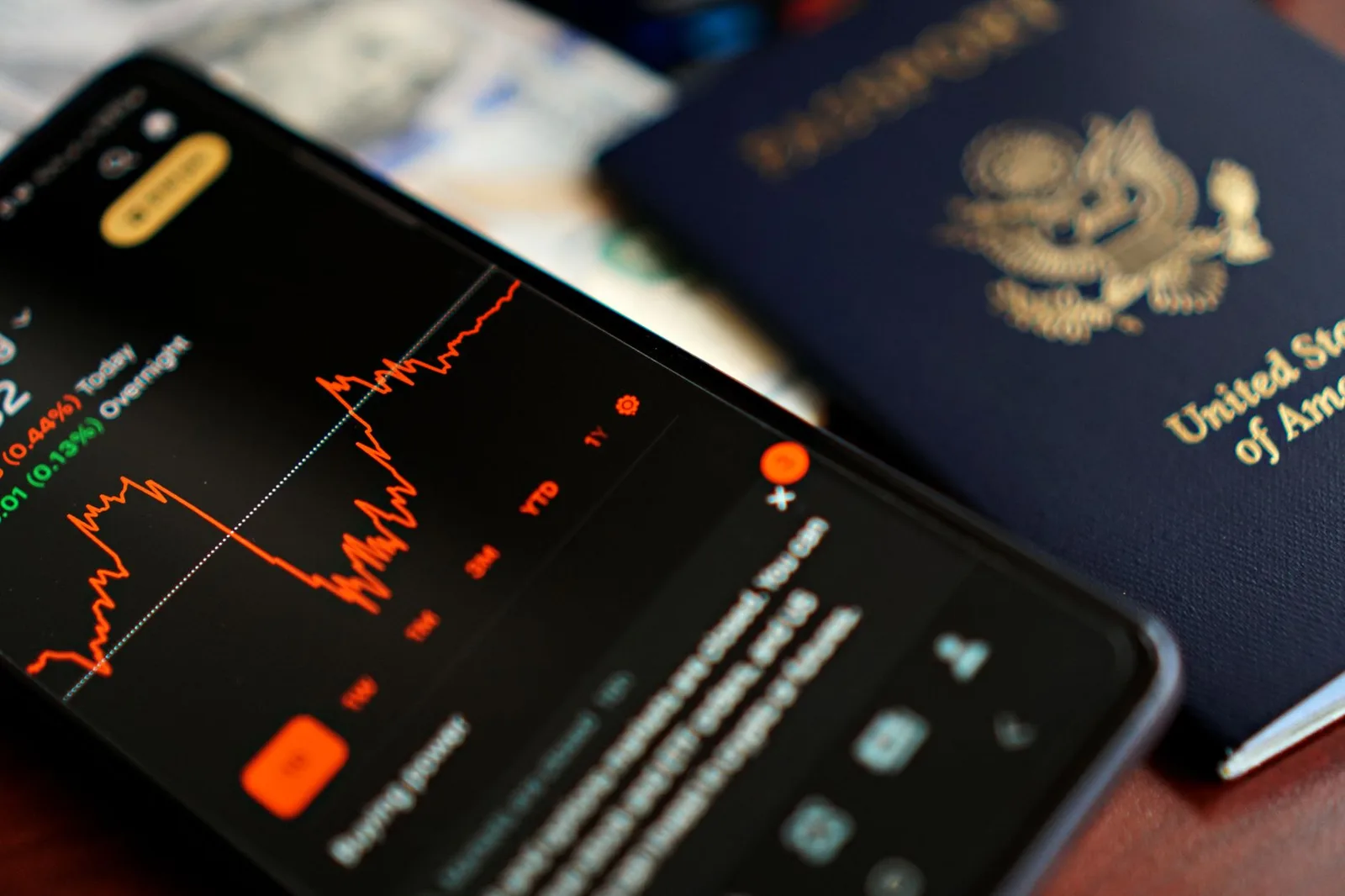
How to Renew Your Passport Fast in 2026 (US, UK & Processing Times)
Current UK and US passport fees and processing times, the six-month validity rule that quietly bars travellers from Nepal, how to expedite, and the mistakes that cost you weeks.
Latest from the desk
Records & People
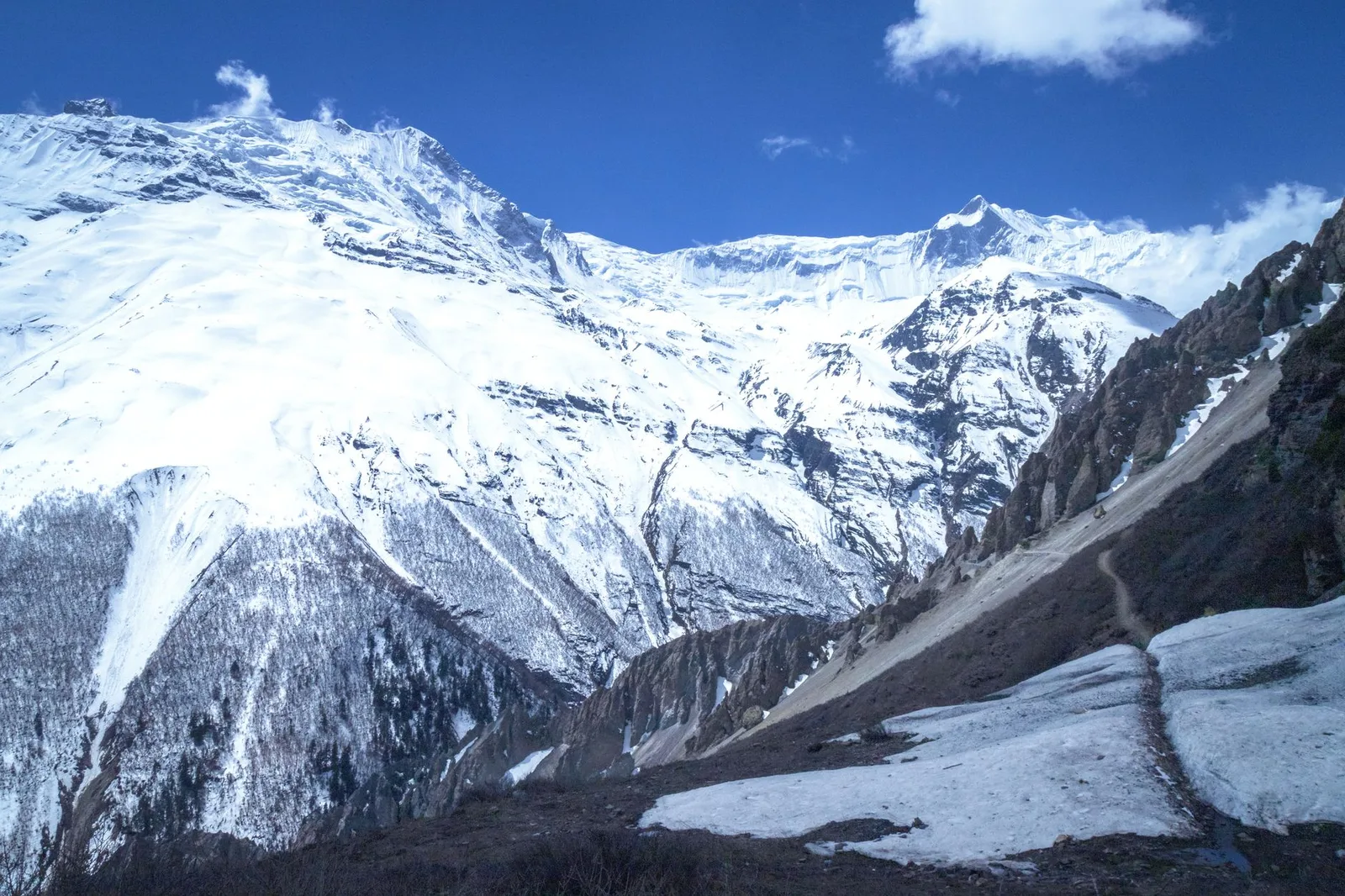
The World's Deepest Gorge Splits Two 8,000-Metre Peaks — and a Trail Runs Right Through It
Nepal's Kali Gandaki Gorge drops 5,571 metres between Annapurna and Dhaulagiri, deeper than the Grand Canyon three times over — and the Annapurna Circuit walks straight along its floor.
Records & People
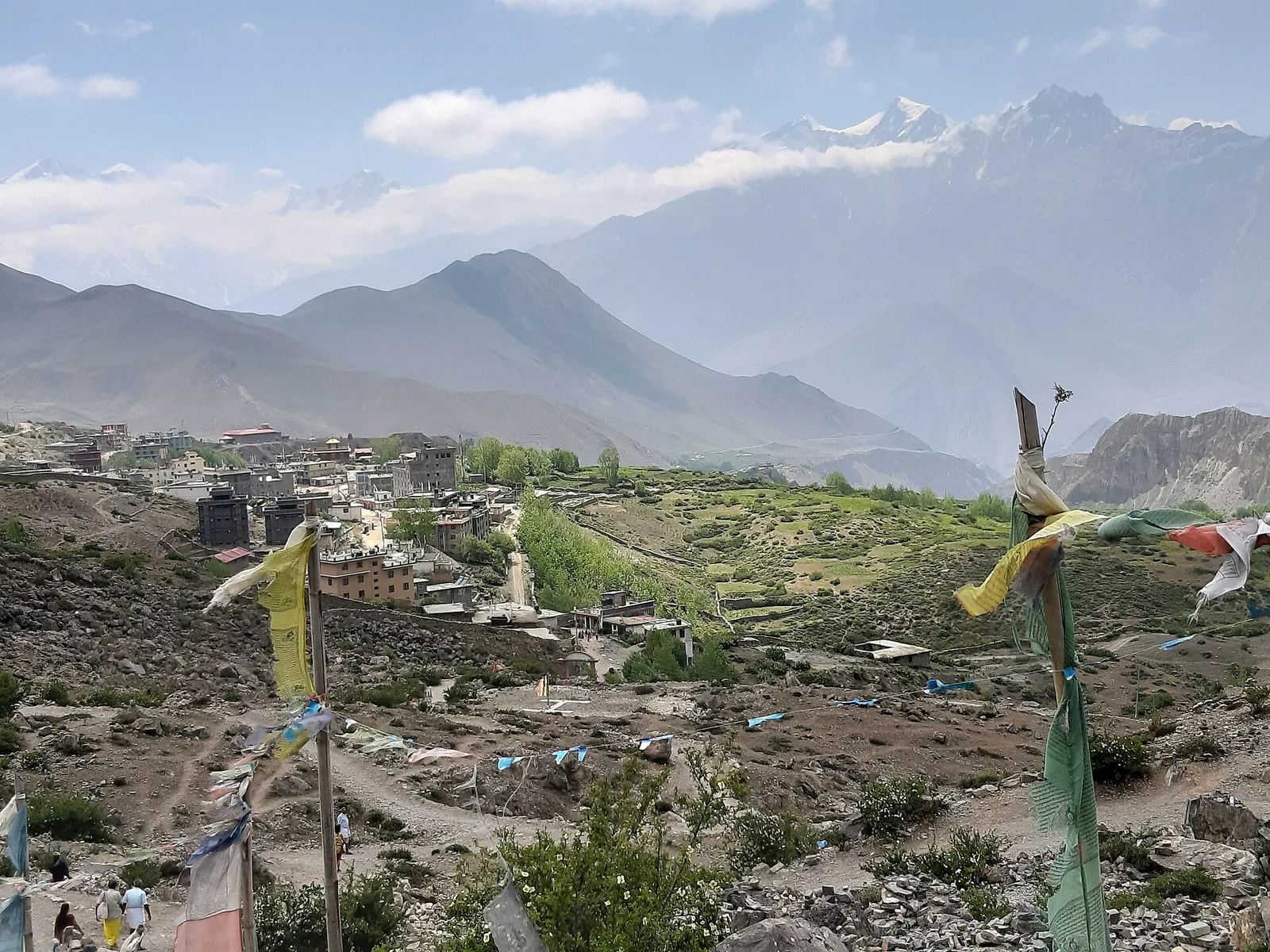
The Temple Where Fire Burns on Water — and Two Religions Call It Holy
At 3,762 metres in Nepal's Mustang district, natural gas burns continuously above a spring inside Jwala Mai temple, part of a shrine both Hindus and Buddhists climb the Himalaya to reach.
World Destinations
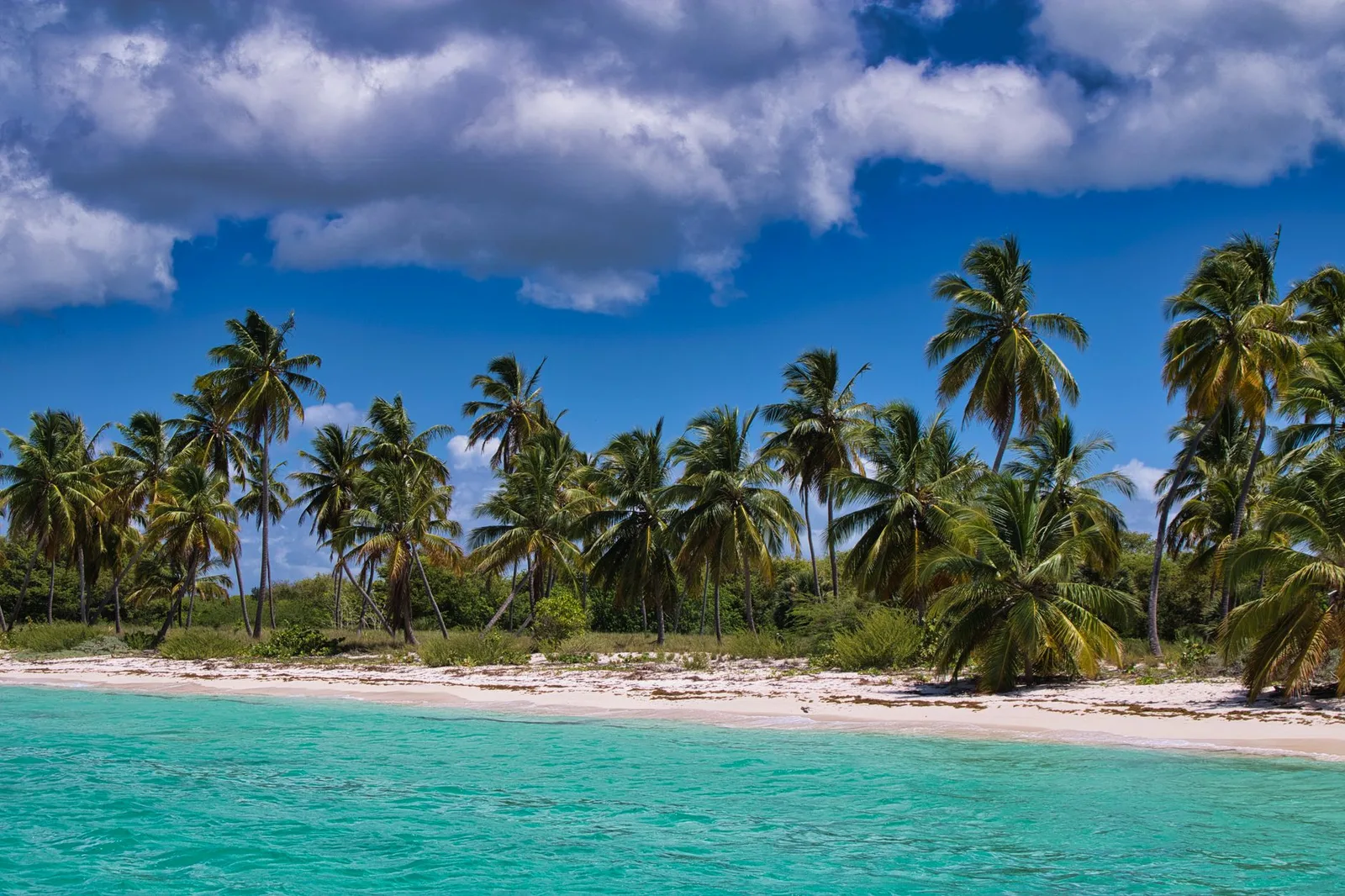
The Cheapest Caribbean Destinations for 2026 (Where to Get Sun Without the Splurge)
The best-value Caribbean islands for warm sand on a budget — what each costs, when to go to dodge hurricane season, and what you actually get.