
The Cheapest Caribbean Destinations for 2026 (Where to Get Sun Without the Splurge)
The best-value Caribbean islands for warm sand on a budget — what each costs, when to go to dodge hurricane season, and what you actually get.
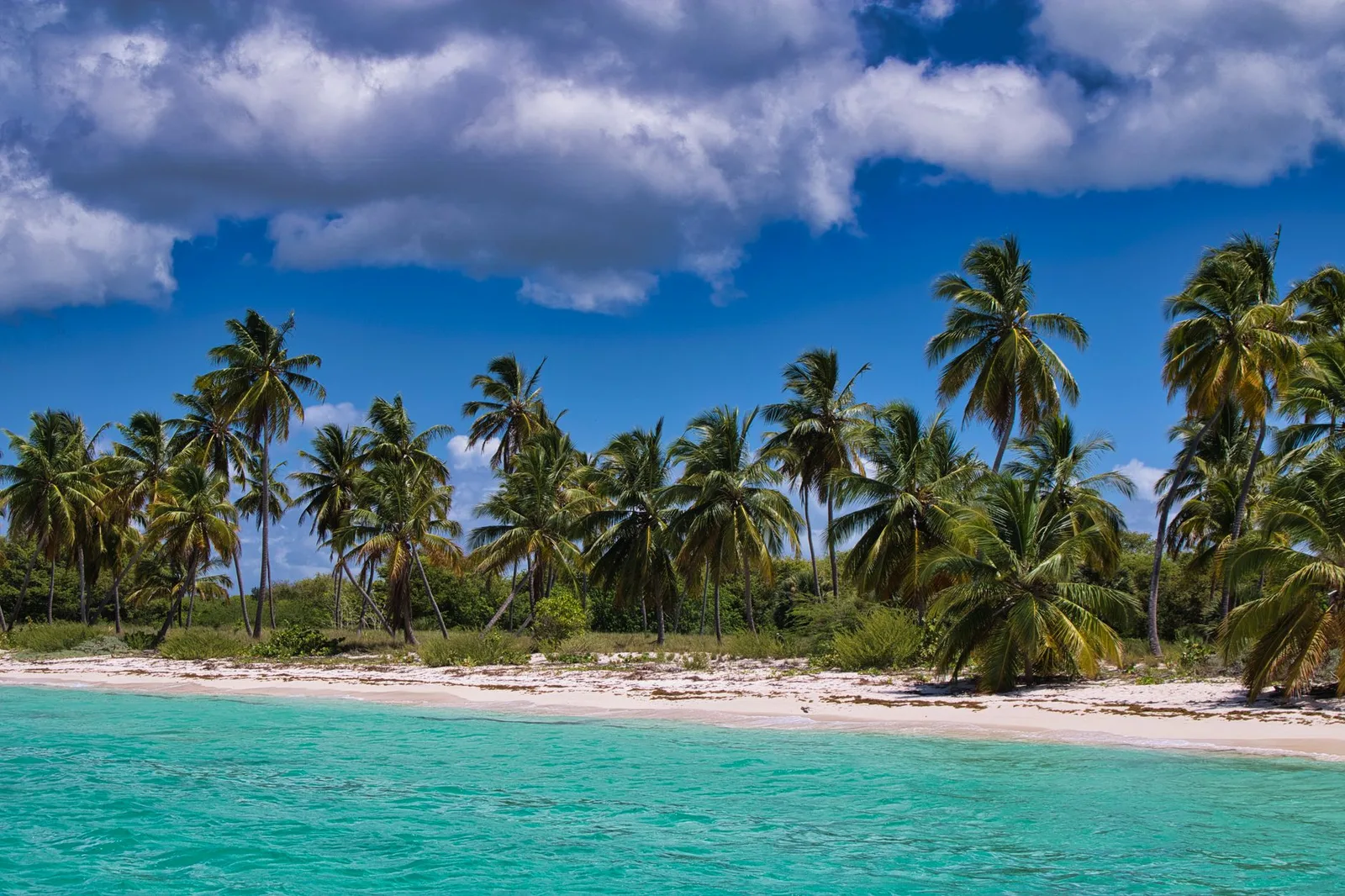
At a glance
- Published
- TopicWorld Destinations
- Verified againstWikipedia climate data; US National Hurricane Center
- Treks coveredAnnapurna Base Camp Trek — 6 Days, Ghorepani Poon Hill Trek — 5 Days, Chitwan Jungle Safari — 3 Days
Key facts — cheap Caribbean 2026
- Daytime temperatures across the Caribbean barely move all year: highs sit around 28–32°C whichever island you pick.
- The best value and the safest weather line up in the dry season, roughly December to April — clear skies, low humidity and no storms.
- The Atlantic hurricane season runs June 1 to November 30, peaking from late August through September. Travel then and you gamble on the weather (but pay the least).
- For sheer value, the Dominican Republic leads on all-inclusive price; Puerto Rico saves US travellers a passport and currency exchange; Cuba is cheapest once you are on the ground.
Every winter we get the same question from clients between Himalayan trips: “We love the mountains — but this year we just want warm sand and a cheap flight. Where?” It is a fair thing to ask a Nepal operator, and we are happy to answer it honestly. If you want guaranteed sun without a five-star price tag, the Caribbean is hard to beat — but the islands are not all priced or timed the same. Here is a straight, fact-checked guide to the cheapest Caribbean destinations for 2026: what each one costs you, when to go, and what you actually get. If you are still weighing the whole planet, our companion piece on the best places to visit in the world in 2026 zooms out to the bigger picture.
First, the one rule that decides your whole trip: when to go
Get the timing right and everything else falls into place. The Caribbean’s dry season runs roughly December to April — less rain, lower humidity, and, critically, it sits entirely outside the hurricane window. The Atlantic hurricane season officially runs from June 1 to November 30, with the most active stretch from late August through September. That is not a reason to write off the summer — most days are still fine and the deals are real — but it is why the cheapest flights and rooms cluster in those months. The sweet spot for value without the storm risk is the shoulder either side of high season: early December and late April into May, when the weather is still dry but the peak-season crowds and prices have thinned.
The value islands, ranked by what you get for your money
Dominican Republic is the Caribbean’s value capital, full stop. The sheer density of all-inclusive resorts around Punta Cana creates real competition, which keeps per-night prices among the lowest in the region. Daytime highs run about 28.5–32°C year-round, and the driest, clearest month is typically March. If you want the maximum beach-and-buffet for the least money, start here.
Puerto Rico is the smart pick for anyone travelling from the United States. It is a US territory, so American travellers need no passport and no currency exchange — you spend dollars and skip a chunk of the usual overseas-trip cost. San Juan runs about 28–32°C, driest from January to March, and pairs a walkable old city with proper beaches. It is not the cheapest island on the ground, but the trip as a whole often works out lighter on the wallet.
Cuba is the cheapest once you have landed. Family-run casas particulares and local paladar restaurants cost a fraction of resort prices, and Havana holds around 26.5–32°C with a clear dry season from December through April. Do your homework on entry rules and payment (cards from some countries do not work), but few places give you more warmth, music and history per dollar.
Jamaica rewards the traveller who steps off the all-inclusive strip. Montego Bay and Negril have plenty of package deals, but the real value is in guesthouses and local eateries in the hills and smaller bays. Expect the same dependable 28–31°C and the same Dec–April dry-season logic.
Two more worth a look: Dominica — the “nature island” of rainforest, rivers and hot springs rather than resort strips — is quietly affordable and blissfully uncrowded; and the southern ABC islands (Aruba, Bonaire, Curaçao) sit on the far southern fringe of the hurricane belt, so they are the drier, lower-risk choice in storm season, though rooms there run pricier.
| Island | Value & who it suits | Best months |
|---|---|---|
| Dominican Republic (Punta Cana) | Lowest all-inclusive prices; best beach-for-money | Dec–Apr (~28–32°C) |
| Cuba (Havana / Varadero) | Cheapest on the ground; casas & local food | Dec–Apr (~27–32°C) |
| Puerto Rico (San Juan) | US travellers: no passport, no currency exchange | Jan–Apr (~28–32°C) |
| Jamaica (off the resort strip) | Value in guesthouses & local towns | Dec–Apr (~28–31°C) |
| Dominica | Nature, rivers & hot springs; few crowds | Dec–Apr (~28–31°C) |
| ABC islands (Aruba, Curaçao) | Drier, lower storm risk; pricier rooms | Year-round; safest in hurricane season |
How to actually keep it cheap
The island matters less than three habits. First, travel the shoulder weeks — early December or the back half of April — where dry weather overlaps with off-peak pricing. Second, compare the all-inclusive against a room-plus-local-food trip: on the Dominican Republic and in Cancun-style resort zones the buffet package usually wins, but in Cuba, Jamaica and Dominica you eat far cheaper and better outside the gates. Third, book flights early; the airfare, not the hotel, is what usually decides whether a Caribbean week is cheap or not.
A different kind of warm holiday
Here is the honest bias of a mountain company: a beach is wonderful, but it is the same every year. If part of you wants sun and a story to tell, Nepal is the surprise on the value map. Our lowland and mid-hill routes are warm and dry through the northern winter — Pokhara sits in the low twenties by day under the clearest Himalayan skies of the year, and Chitwan in the Terai is genuinely hot — and Nepal is one of the best-value adventure destinations on earth. Trade a lounger for a sunrise over the Annapurnas one year; the beach will still be there the next.
Wherever you chase the warmth in 2026, the same two rules hold: go in the dry season if you can, and book the flight before everything else. And if a warm-weather adventure appeals more than a week on the sand, talk to us — we build gentle, sun-filled Himalayan trips every winter and can shape one around your dates and your budget.
Temperature figures are long-term climate normals from national meteorological records as compiled by Wikipedia (Punta Cana, San Juan and Havana). Atlantic hurricane-season dates are from the US National Hurricane Center via Wikipedia. Cost comparisons are general guidance as of 2026; actual prices vary by season, operator and nationality. As of 2026.
Cover photo: Mr Pixel via Pexels (Pexels License).
Planning a trek?
Trek this route with us — Annapurna Base Camp Trek — 6 Days
NMA-certified local guides, transparent pricing, 5,000+ treks since 1998. Message us your dates and we'll sort the permits, lodges and logistics — reply within 24 hours, no obligation.


Popular Nepal treks
All treks →


Related coverage
World Destinations
The Cheapest Months to Visit the World’s Top Destinations in 2026
Shoulder-season timing is the traveller’s cheat code: here is when prices and crowds drop across Japan, Italy, Greece, Thailand, Bali, Iceland and Nepal — and what you trade off.
World Destinations
The Best Warm Winter-Sun Destinations for 2026 (Where to Escape the Cold)
From 34°C Zanzibar beaches to Nepal’s clear-sky, 20°C+ lowlands — the temperature-checked map of where to chase winter warmth this season.
World Destinations
How Much Does a Year of Travel Actually Cost in 2026? (Real Budgets by Style & Region)
From about $8,000 across Southeast Asia to $50,000+ in Western Europe — the real 2026 numbers for a year on the road, broken down by travel style and region, and where a Nepal trek fits a round-the-world budget.
Money & Insurance
The Hidden Airline Fees That Cost You Hundreds in 2026 (and How to Dodge Them)
Baggage, seat selection, basic-economy traps, payment surcharges, change fees and currency conversion at booking can quietly double a headline fare. Here is what each typically costs in 2026 — and how to avoid it.
Latest from the desk
Money & Insurance
Travel Insurance for Backpackers & Long-Term Trips in 2026 (What Multi-Month Cover Actually Needs)
Long trips break the assumptions holiday insurance is built on. What single-trip, annual and backpacker policies really cover — the duration ceilings, adventure-activity tiers, gear limits and the gaps that void a multi-month claim.
Safety & Advisories
Is Trekking in Nepal Dangerous? What the Real 2025/26 Death Data From Annapurna Shows
Twenty-five tourists died of altitude sickness in the Annapurna region this fiscal year, the highest total on record. Here's what Nepal's own numbers actually say about the risk, and how almost all of it is preventable.
Permits & Rules
Manaslu Circuit or Everest Base Camp? The Honest 2026 Comparison
Nepal just made its restricted treks easier to book solo, and nowhere benefits more than Manaslu. Here's how the permits, crowds, cost and difficulty actually compare against Everest Base Camp, trek by trek, dollar by dollar.