
The Cheapest Months to Visit the World’s Top Destinations in 2026
Shoulder-season timing is the traveller’s cheat code: here is when prices and crowds drop across Japan, Italy, Greece, Thailand, Bali, Iceland and Nepal — and what you trade off.
At a glance
- Published
- TopicWorld Destinations
- Verified againstNomadic Matt; Wikivoyage
- Treks coveredAnnapurna Base Camp Trek — 6 Days, Ghorepani Poon Hill Trek — 5 Days, Everest Base Camp Trek — 14 Days
Every destination has a season when the same trip costs noticeably less — the weeks just before or after the summer rush, when flights, hotels and tours all soften and the crowds thin out. Travel people call it the shoulder season, and learning it is the closest thing to a cheat code the ordinary traveller has. As of 2026, with airfares and hotel rates still running high in peak weeks, timing your trip is often worth more than any coupon.
Here is the honest map of when the world’s most-searched destinations get cheaper and quieter — and what you trade off to get there.
Key facts
- Shoulder season is the buffer between peak and low season — usually spring and autumn in the Northern Hemisphere — when prices drop but weather is still workable.
- For most of Europe and Japan, March–May and September–October are the value sweet spots; deep winter is cheaper still but colder and quieter.
- Tropical Asia flips it: the rainy “green season” (roughly May–October in Thailand) is the cheapest window.
- For Nepal, the value windows sit either side of the October–November trekking peak: September and the clear, cold December–February stretch.
How shoulder season actually saves you money
Peak season is set by two things at once: good weather and school holidays. When both line up — a Mediterranean July, a cherry-blossom April in Japan — demand spikes and every price rises with it. Shoulder season is the couple of months on either side, when the weather is still mostly cooperative but the holiday crowds have gone home. Low season is the extreme: cheapest of all, but you accept real weather or reduced daylight in exchange.
| Destination | Cheapest / value months | Why prices & crowds drop |
|---|---|---|
| Japan | Late Nov–Feb (skip New Year); also June | Cherry-blossom and autumn-foliage crowds gone; lodging rates ease. Winter is cold outside ski country. |
| Italy | Nov–March (skip Christmas week) | After the Sept–Oct shoulder the art cities empty out and hotel prices fall; cool weather, Christmas markets. |
| Greece | May and late Sept–Oct | Sea still warm, islands open, but summer crowds and peak fares are gone. Some rain returns. |
| Thailand | May–Oct (green season) | Monsoon brings the year’s lowest room rates and thinnest crowds; short daily downpours, lush scenery. October is the sweet spot. |
| Bali | April–May and October | The gap between the dry-season peak and the wet season — still fairly dry, quieter and cheaper than July–Aug or December. |
| Iceland | Shoulder May & Sept; winter Oct–April | Summer midnight-sun crowds and prices fall away; short daylight but northern lights and lower rates. Some sites close in winter. |
| Nepal | September and Dec–Feb | Value windows either side of the Oct–Nov trekking peak: clearing skies with fewer trekkers, or cold but stable, quiet trails. |
Europe and Japan: chase spring and autumn
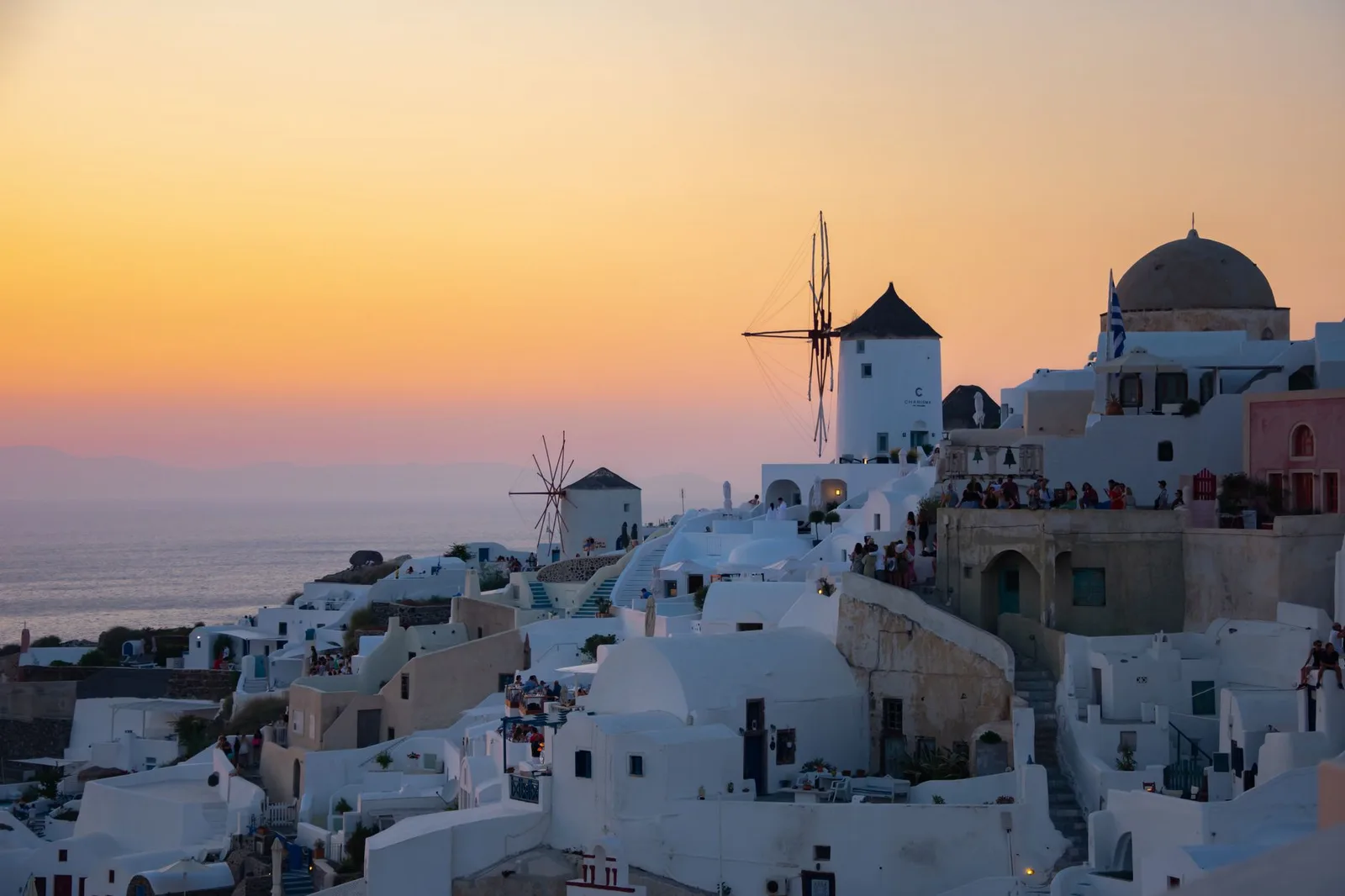
For Italy and Greece, the pattern is the same and well documented: July and August are the crowded, expensive peak, while March–May and September–October deliver warm-enough weather without the queues or the surge pricing. Go a step further into November–February and Italy’s cities are cheapest of all — cool, atmospheric, and blissfully queue-free at the Vatican or the Uffizi — though many Greek islands like Santorini and Mykonos all but shut down out of season.
Japan is the counter-intuitive one. Its two peaks are cherry-blossom spring (April) and autumn foliage, so the quiet, cheaper months are late autumn into winter — October to February sees fewer international visitors and lower room rates, with the trade-off of cold weather everywhere except subtropical Okinawa. Skiers actively want that season anyway.
Tropical Asia: the rain is the discount
In Thailand, the cool, dry months of November to March are peak, so the cheapest window is the green season from roughly May to October, when monsoon rain drives room rates and crowds to their lowest. The rain is usually short, dramatic afternoon bursts rather than all-day washouts, and October is a genuine sweet spot as the weather improves. Bali works similarly: its dry-season peak (June–September, plus the December holidays) gives way to quieter, cheaper shoulder weeks in April–May and October.
Iceland: winter is the value play
Iceland’s peak is the midnight-sun summer of June–August, when it is busiest and priciest. Early or late winter can be surprisingly rewarding: prices sit well below high season, the landscape is snow-covered, and the northern lights are out — you just accept short daylight (as little as five to six hours in deep winter) and some interior roads closed. The March and September equinox weeks are the balanced shoulder.
Nepal: your two value windows
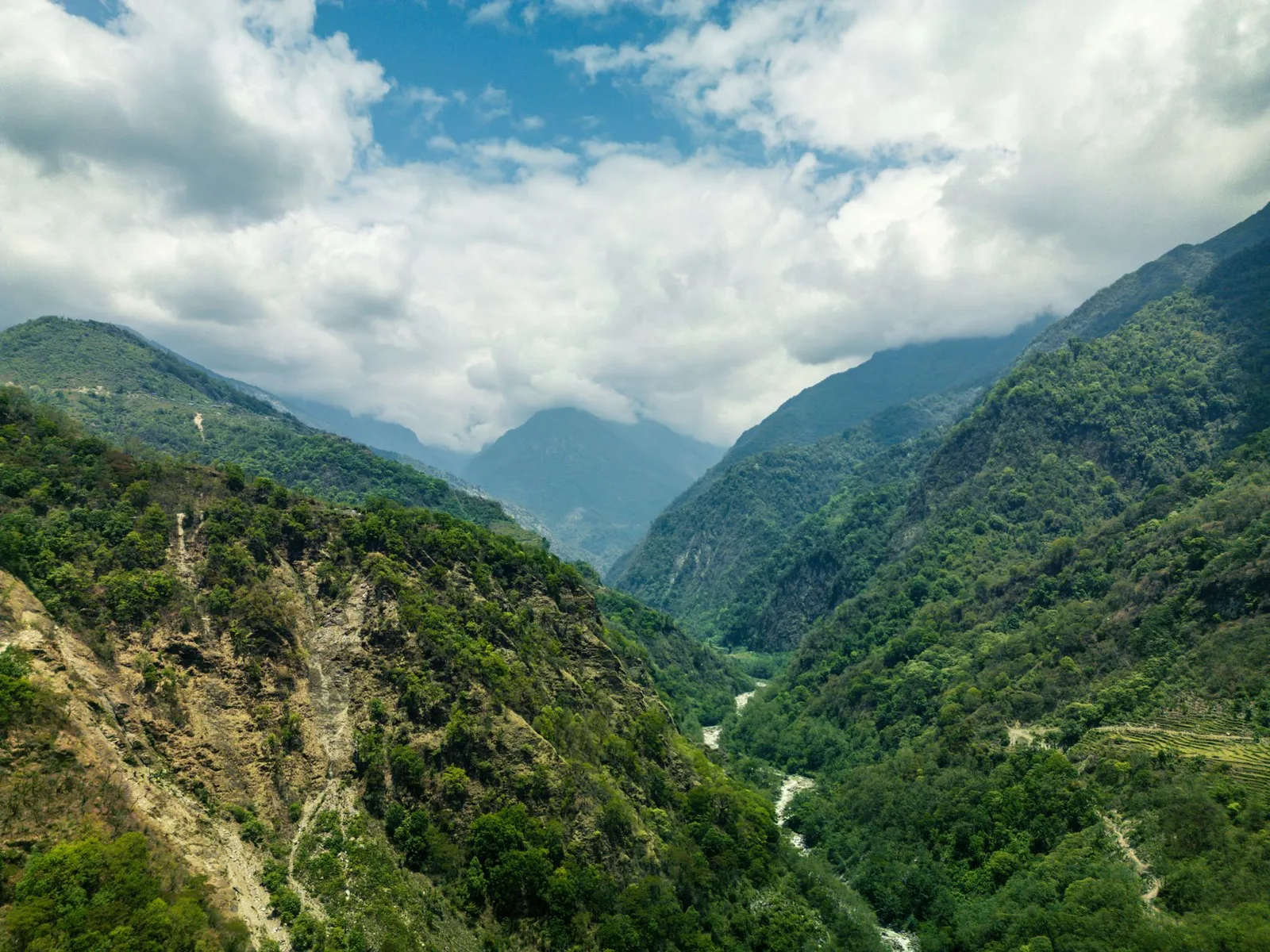
Nepal’s golden trekking season is autumn, October–November, when skies are clearest and the trails busiest — and priced to match. But there are two smarter windows. September is the tail of the monsoon giving way to autumn: the air is washing clean, hillsides are green, and the big October crowds haven’t arrived yet. Then comes the trekker’s secret — December to February. It is cold, especially at altitude, but the weather is stable and the mountain views are razor-sharp, the trails are near-empty, and lodges are cheaper and never full. Lower and mid-altitude routes stay very doable in winter.
For a first-timer, that makes a lower-altitude classic like the Ghorepani Poon Hill trek or the Annapurna Base Camp trek ideal value in the off-peak months, while the Everest Base Camp trek rewards clear-sky December days for those who can handle the cold. Our full month-by-month breakdown lives in Best Time to Trek Nepal 2026, and if you’re still choosing a country, see The 25 Best Places to Visit in the World in 2026.
What this means for your 2026 trip
Pick the destination first, then move your dates one month off the peak. For a Himalayan trek that usually means September or December–February — the same mountains, fewer people, and a lighter bill. Tell us your window and we’ll match you to the right trek at its quietest, best-value time.
Sources: destination seasonality drawn from Nomadic Matt travel guides (Japan, Italy, Greece, Thailand) and Wikivoyage (Iceland, Bali, Nepal); Nepal trekking-season detail from our own guiding experience.
Cover photo: alberto via Pexels (Pexels License).
Planning a trek?
Trek this route with us — Annapurna Base Camp Trek — 6 Days
NMA-certified local guides, transparent pricing, 5,000+ treks since 1998. Message us your dates and we'll sort the permits, lodges and logistics — reply within 24 hours, no obligation.


Popular Nepal treks
All treks →


Related coverage
Industry & Tourism
Nepal Just Opened Its Pitch to Japan and Britain at Two of the World's Biggest Travel Trade Shows
Applications opened this week for Tourism Expo Japan and World Travel Market London — the two trade floors where Nepal's tourism industry spends the next three months courting the agents and media who decide how you hear about a trek here.

Industry & Tourism
50+ Countries Now Offer a Digital Nomad Visa in 2026 — Here's Where You Can Live and Work Abroad
A verified, country-by-country guide to income thresholds, stay lengths and tax perks — from Spain and Portugal to Thailand's five-year DTV and Japan's high-earner permit.

Industry & Tourism
Nepal Visitors Now Stay a Record 16 Days but Spend Just $33 a Day — What the New 2026 Data Actually Means for Trekkers
Government figures show foreign tourists lingering longer than ever while daily spending sits near a 30-year low. The number is real, but it is measuring a very different traveller than someone booking an organized trek.

Festivals & Events
When Exactly to Start Your Autumn 2026 Nepal Trek: A Week-by-Week Guide
Dashain and Tihar reshape flights, buses, guide availability and trail crowds for six straight weeks. Here's the actual week you should fly in, mapped against the real 2026 festival dates.
Latest from the desk
Records & People
Sherpas Carry a Gene From an Extinct Human Species That Lets Them Breathe Where Others Suffocate
The reason your Sherpa guide isn't gasping at 5,000 metres traces back tens of thousands of years to interbreeding with the Denisovans, an extinct human relative known only from a Siberian cave.
Records & People
A River Stole Another River 89,000 Years Ago — and It's Still Making Everest Taller Today
Scientists have finally explained why Mount Everest is taller than it should be: an ancient river heist that's still lifting the mountain by up to 2mm a year.

Visas & Entry
Do You Need an International Driving Permit in 2026? (Countries, Cost & How to Get One)
An International Driving Permit is just a translation of your licence — but skip it in the wrong country and your rental (and insurance) can fall apart. Here is who needs one in 2026, the real cost, and why it barely matters in Nepal.