
How to Choose a Carry-On Travel Backpack in 2026 (Sizes, Airline Limits & What Matters)
One number decides whether your pack flies free or gets gate-checked. Here are the real 2026 airline carry-on limits, the 40L-vs-45L call, and the features that actually matter — from an operator who fits trekkers into Lukla flights every week.
At a glance
- Published
- TopicGear & Tech
- Verified againstAirline baggage policies (Delta, easyJet, British Airways) & IATA guideline
- Treks coveredAnnapurna Base Camp Trek — 9 Days, Everest Base Camp Trek — 14 Days
The single number that matters is roughly 45 litres — a pack about 55 cm tall, 35 cm wide and 23 cm deep. Stay inside that and your bag rides in the overhead bin of almost any full-service airline on Earth. Go bigger, and sooner or later you are handing it over at the gate and waiting at a carousel. So before you compare harnesses and zips, get the box right — everything else is secondary.
Key facts (as of 2026)
- The widest-accepted cabin size is 22 × 14 × 9 in (56 × 36 × 23 cm) — the US-major standard — with IATA and British Airways allowing a slightly taller 56 × 45 × 25 cm.
- 45L is the biggest pack that reliably fits carry-on rules; 40L is the safe, do-anything sweet spot that also clears strict European weight caps.
- US carriers publish no cabin weight limit; most European, Gulf and Asian carriers cap it at 7–10 kg.
- Nearly every airline also allows one personal item (a small daypack) under the seat — the second bag that makes carry-on-only trekking work.
What "carry-on size" actually means in 2026
There is no single global rule, but the numbers cluster tightly. American, Delta and United all use the same cabin allowance — 22 × 14 × 9 inches (about 56 × 36 × 23 cm), including handles and wheels — and none of them publishes a weight limit for it. The practical test on those airlines is simply whether you can lift the bag into the bin yourself.
Europe and the rest of the world are stricter on weight and more varied on shape. British Airways permits a larger 56 × 45 × 25 cm cabin bag but caps it at 23 kg; Lufthansa allows 55 × 40 × 23 cm at just 8 kg. The budget carriers are where people get caught: easyJet gives every passenger a free under-seat bag of 45 × 36 × 20 cm and only lets the full 56 × 45 × 25 cm bag on board with a paid or membership upgrade, while Ryanair's free allowance shrinks to a tiny 40 × 25 × 20 cm personal item.
| Airline | Cabin bag max size | Weight |
|---|---|---|
| United / American / Delta | 56 × 36 × 23 cm (22×14×9 in) | No stated limit |
| British Airways | 56 × 45 × 25 cm | 23 kg |
| Lufthansa | 55 × 40 × 23 cm | 8 kg |
| easyJet (large bag) | 56 × 45 × 25 cm | 15 kg |
| easyJet (free under-seat) | 45 × 36 × 20 cm | 15 kg |
| Ryanair (free small bag) | 40 × 25 × 20 cm | — |
| IATA guideline | 56 × 45 × 25 cm | — |
Source: published carrier baggage policies (Delta, easyJet, British Airways) and the IATA cabin-bag guideline.
40L vs 45L: which capacity to buy
A 45-litre pack, cut to a carry-on shape, is the largest bag that still slips under the overhead-bin rule — it maxes out the box. It is the right call if you routinely fly full-service carriers, carry bulky cold-weather layers, or want one bag for a two-week trip with no laundry stops. The catch is weight: a fully loaded 45L pack blows straight past an 8–10 kg European cabin cap.
A 40-litre pack is the smarter default for most travellers. It fits every airline's size rule with room to spare, stays honest on the scales, and is small enough to double as a serious hiking pack. Unless you have a specific reason to go bigger, 40L is the do-anything size — and forcing yourself to pack lighter is a feature, not a limitation.
The features that actually matter
Once the size is right, four things separate a good travel backpack from a bag that wrecks your shoulders:
- A real harness and hip belt. A padded, load-bearing hip belt transfers weight off your shoulders onto your hips. On a "carry-on" bag stuffed to 10 kg this is the difference between comfortable and miserable — skip any bag whose belt is a token strip of webbing.
- A clamshell (suitcase-style) opening. Panel-loading bags that unzip flat let you see and reach everything; top-loading rucksacks force you to dig. For travel, clamshell wins almost every time.
- A dedicated, padded laptop sleeve that sits against your back, ideally with side access so you can pull it out at security without unpacking.
- Stowable straps and external attachment. Zip-away shoulder straps stop the harness snagging on conveyors, and daisy-chain loops or compression straps let you lash a jacket, mat or extra layer to the outside.
Where a travel pack meets a trekking daypack
Here is the overlap most buyers miss, and where our world comes in. A well-designed 40L carry-on backpack is, functionally, a lightweight trekking pack — and its under-seat companion is your daypack. On a Nepal teahouse trek you do not carry everything anyway: a porter shifts the main duffel, and you walk with a 20–30 litre daypack holding water, a down jacket, sun cream and your camera. The same personal item you slide under the airline seat is the bag you carry up to Everest Base Camp.
The Lukla weight trap — and why light wins
The flights that put you on the Everest trail land at Lukla in tiny Twin Otter and Dornier aircraft, and their baggage allowance is brutal: around 15 kg total per trekker (roughly 10 kg hold plus 5 kg cabin). A traveller who has already trained themselves to live out of a 40L carry-on sails through that limit; the one who over-packed pays excess or leaves gear behind in Kathmandu. Packing light for the plane is packing light for the mountain.
What this means for your trip
Buy for the box first: a 40–45L carry-on-shaped pack with a real hip belt, a clamshell opening and a stowable harness will serve you from the airport gate to a Himalayan ridge. Pair it with a 20–30L daypack as your personal item and you can fly carry-on-only to Kathmandu and walk straight onto the trail. For exactly what to load into it once you land, see our Nepal trek packing list for 2026 and, if you would rather not buy heavy gear you will use once, our gear rental guide — down jackets and sleeping bags are cheaper to rent in Kathmandu than to fly in.
Planning the trek itself? Our team fits travellers into Lukla flights and teahouse itineraries every week — browse the 14-day Everest Base Camp trek or the gentler 9-day Annapurna Base Camp trek, and we will tell you honestly what to pack, what to rent and what to leave at home.
Cover photo: Matthis Volquardsen via Pexels (Pexels License).
Planning a trek?
Trek this route with us — Everest Base Camp Trek — 14 Days
NMA-certified local guides, transparent pricing, 5,000+ treks since 1998. Message us your dates and we'll sort the permits, lodges and logistics — reply within 24 hours, no obligation.


Popular Nepal treks
All treks →


Related coverage
Flights & Access
Planning a Nepal Trek From the United States in 2026: Real Flights, Costs and a 14-Day Everest Itinerary
No airline flies nonstop from the US to Kathmandu — here is exactly how Americans actually get there, what a real Everest Base Camp trek costs in dollars, and an itinerary built around the flight.
Flights & Access
Planning a Nepal Trek From Ireland in 2026: Flights, Costs in Euros and a 12-Day Everest Itinerary
No airline flies direct from Dublin to Kathmandu — but one Gulf or European connection gets you to the Himalaya in under a day. Here is the real routing, an all-in cost table in euros, and a 12-day Everest Base Camp plan for Irish trekkers.
Flights & Access
Planning a Nepal Trek From Germany in 2026: Real Flights, Costs in Euros and a 12-Day Everest Itinerary
No direct flight links Frankfurt or Munich to Kathmandu, but a Doha or Istanbul connection gets you there in under 15 hours — here is what a two-week Everest trek actually costs a German trekker this year.
Flights & Access
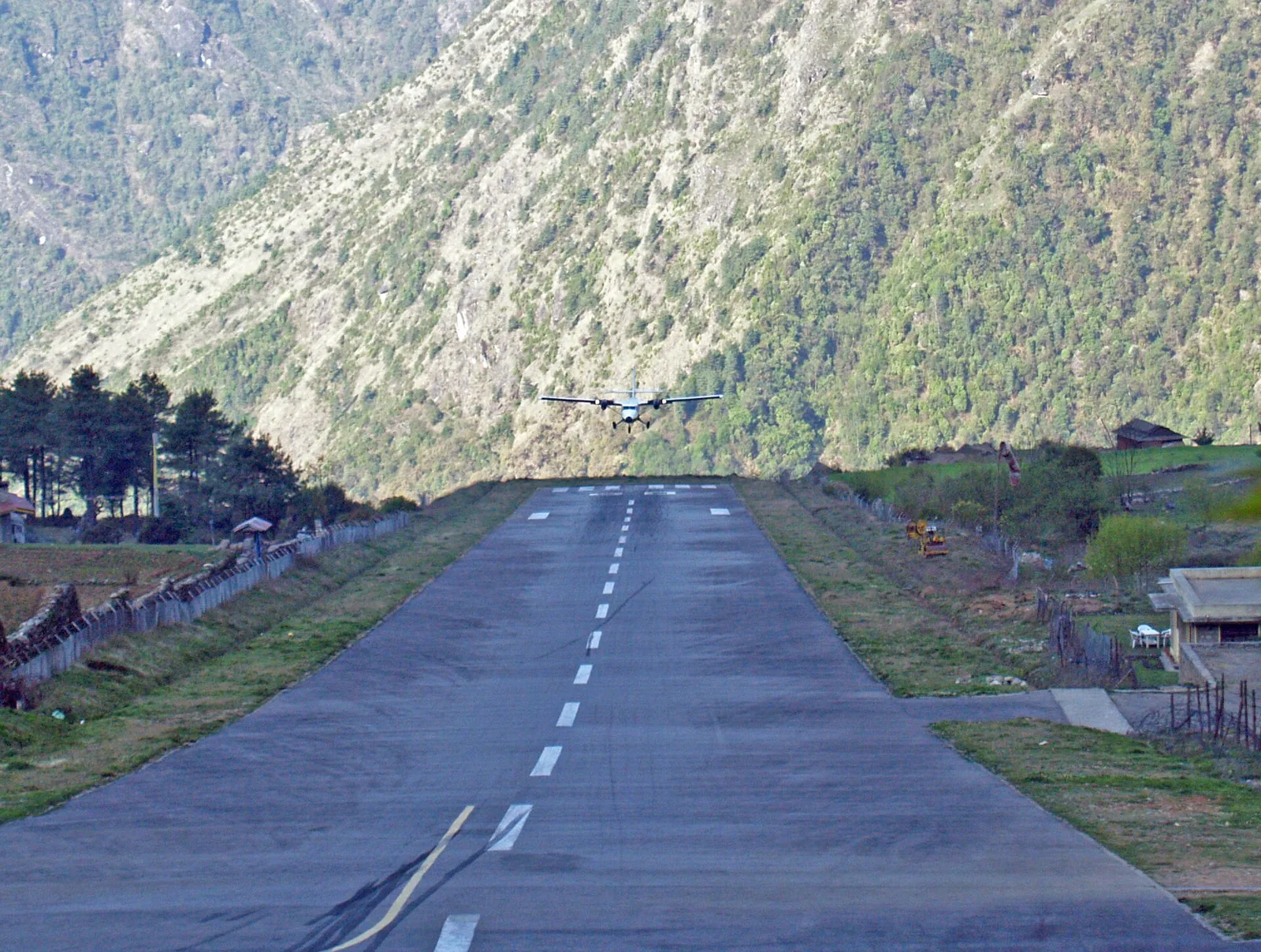
Kathmandu-Lukla Flights Shut Down for All of Autumn 2026 — Why Every Everest Trekker Now Flies From Manthali Instead
Nepal's aviation authority again grounds direct Kathmandu-Lukla flights from 25 September to 30 November 2026 — here's why the Ramechhap diversion actually makes flying to Everest Base Camp more reliable, and how many buffer days to plan for.
Latest from the desk
Records & People
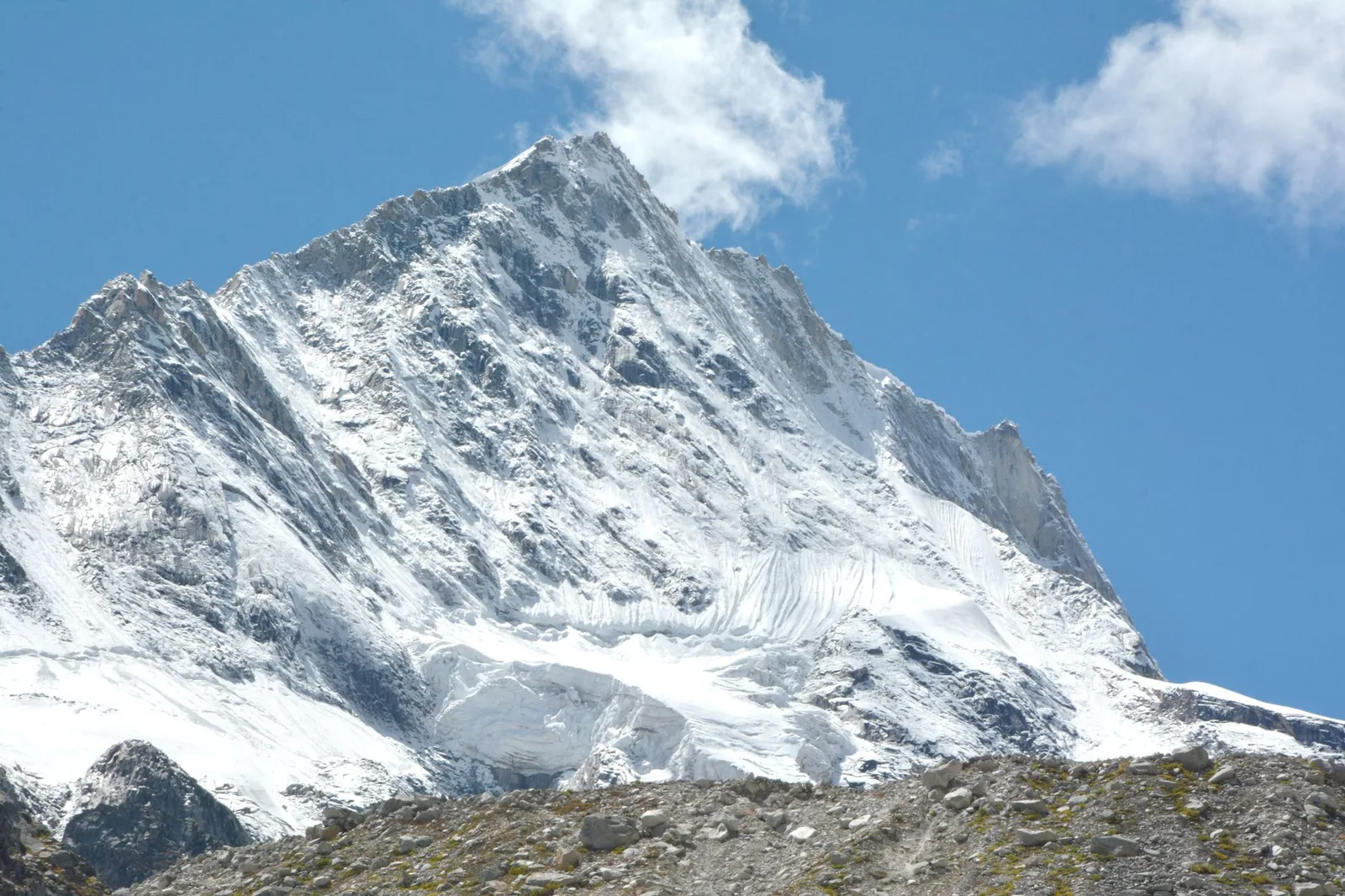
The 1951 Photo That Convinced the World Yetis Were Real — And What DNA Finally Proved Made the Tracks
Eric Shipton's footprint photograph from the Menlung Glacier near Everest ran in newspapers worldwide and launched a legend. A 2017 DNA study on nine yeti specimens finally settled what made them.
Industry & Tourism
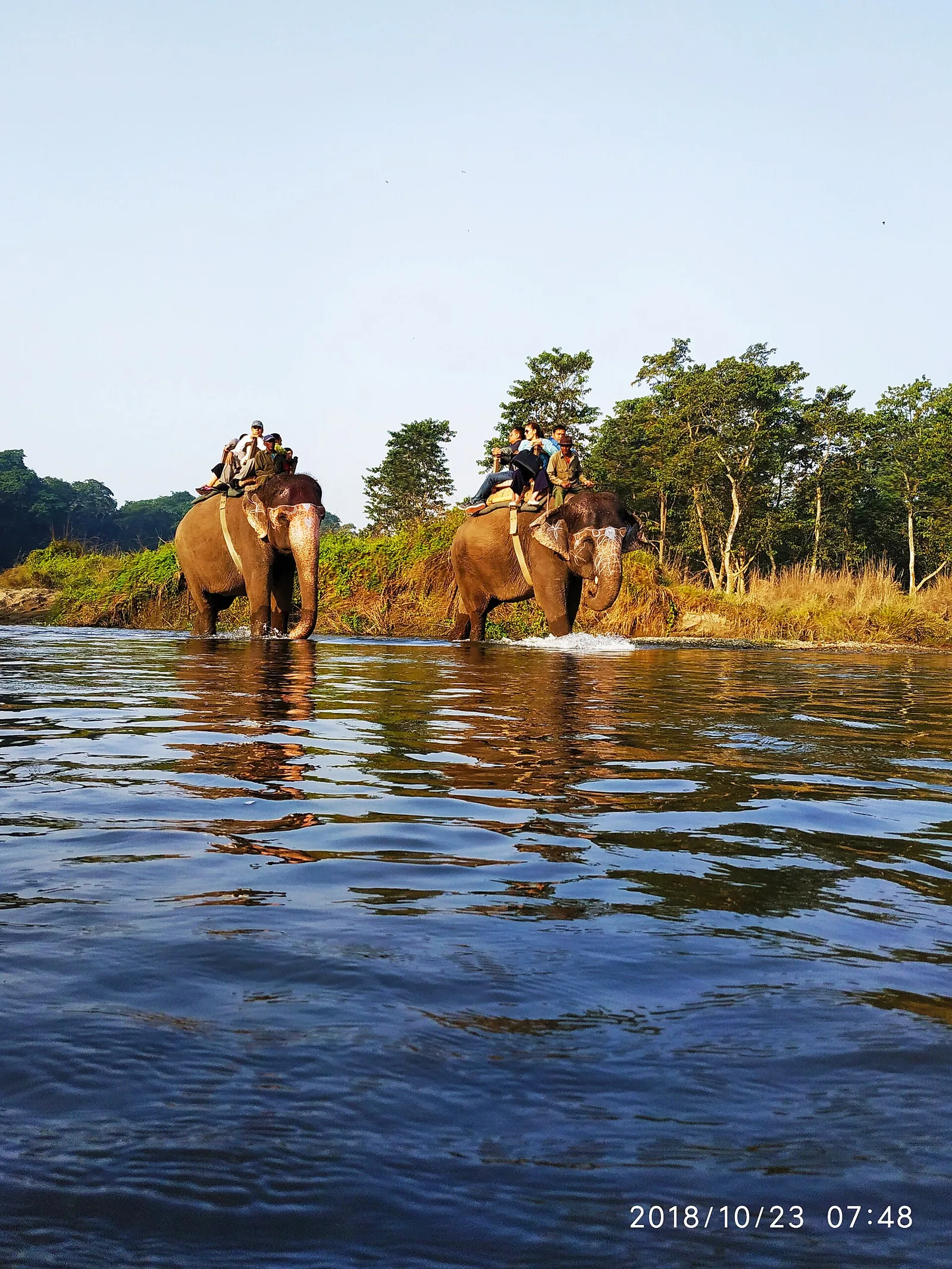
Nepal's Top Court Just Called Elephant Safari Rides 'Inherently Irresponsible' — Here's What Happens Now in Chitwan
A December Supreme Court ruling told Sauraha to phase out elephant rides on welfare grounds. Eight months on, roughly 44 elephants and the guides who ride them are caught between a court order, a third of a local forest's income, and tourists who no longer want to ride anyway.
Safety & Advisories
How to Beat Jet Lag in 2026: What Actually Works (Backed by Science)
Circadian science, light timing and low-dose melatonin — plus the odd UTC+5:45 twist of flying into Kathmandu before a Himalaya trek.