
Nepal's Top Court Just Called Elephant Safari Rides 'Inherently Irresponsible' — Here's What Happens Now in Chitwan
A December Supreme Court ruling told Sauraha to phase out elephant rides on welfare grounds. Eight months on, roughly 44 elephants and the guides who ride them are caught between a court order, a third of a local forest's income, and tourists who no longer want to ride anyway.
At a glance
- Published
- TopicIndustry & Tourism
- Verified againstThe Kathmandu Post
- Treks coveredBardia National Park Safari — 4 Days, Chitwan Jungle Safari — 3 Days
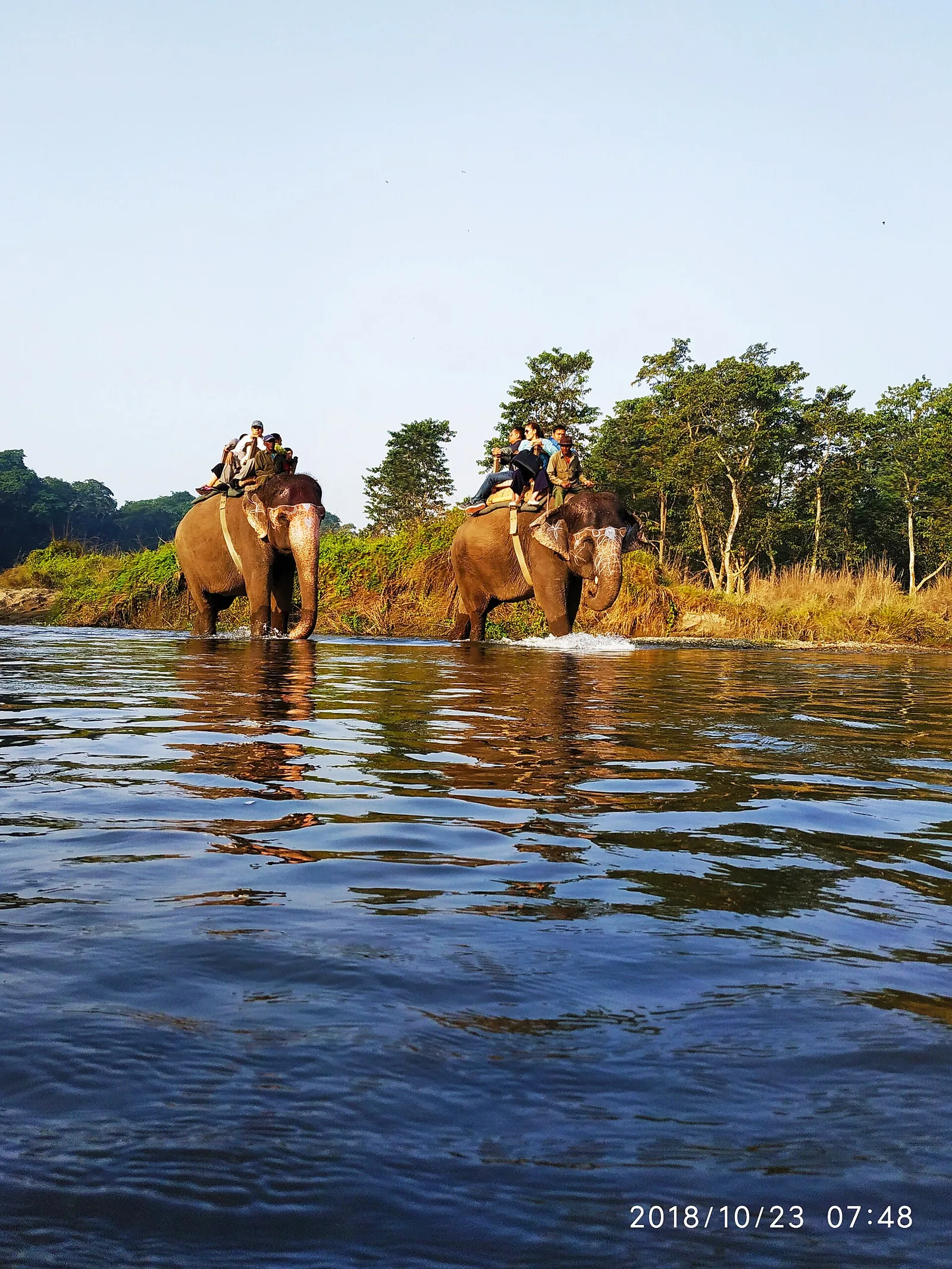
In December 2025, two justices on Nepal's Supreme Court wrote a line that is now reshaping tourism in one of the country's best-known wildlife towns: forcing a species already in decline to carry tourists on its back, they ruled, is inherently irresponsible. Eight months later, Sauraha, the gateway village to Chitwan National Park, is working out what comes next for around 44 elephants and the families whose living depends on them.
Key facts
- Nepal's Supreme Court ruled on 17 December 2025 that elephant rides should be reconsidered from an animal welfare perspective and phased toward alternatives
- Sauraha's United Elephant Operation Cooperative ran about 63 elephants before the Covid-19 pandemic; it operates 30 today, with 14 more owned independently
- Around 38 to 40 elephants still go out on safari on a busy day
- Elephant safaris account for roughly a third of the NPR 30 million (about $225,000) the Baghmara Buffer Zone Community Forest earns each year
The ruling did not set a hard ban or a deadline. What it did was put the entire elephant-riding industry on formal notice, in language operators cannot easily argue around: point 48 of the verdict states that a gradually disappearing species should not be made to carry humans, and directs authorities to weigh welfare alongside livelihoods when regulating the practice. For a town where elephant-back safaris through the sal forest and grasslands have been the signature activity since well before Chitwan became Nepal's first national park in 1973, that is a genuine turning point, not a technicality.
What owners are switching to
Nobody in Sauraha wants a sudden ban, and the court did not order one. Owners argue, reasonably, that an elephant does not stop needing a mahout, a vet and a substantial daily supply of fodder just because riding income disappears overnight; a rushed cutoff risks the animals' welfare getting worse, not better, if underfunded owners can no longer feed and care for them properly. So the shift underway is gradual, and it is genuinely changing what a Chitwan trip looks like.
| Alternative activity | What it involves |
|---|---|
| Jeep safari | 4WD game drive through the core park, the longest-established alternative |
| Guided jungle walk | On-foot tracking with an armed, trained naturalist guide |
| Canoe or boat trip | Dugout canoe down the Rapti or Narayani river, strong for birdlife and gharial crocodiles |
| Elephant bushwalk | Walking alongside a working elephant on a lead rather than riding it, court-suggested and already piloted by some resorts |
Demand is genuinely pulling in the same direction as the court. Tour operators in Sauraha report that a growing share of European visitors now decline elephant rides outright and ask for a walk or a jeep instead, sometimes paying more, not less, for the more hands-off option. That is worth knowing before you book: in 2026 Chitwan, refusing an elephant ride is no longer an awkward request, it is close to the mainstream choice.
What this means for your trip
If a Chitwan safari is on your itinerary, you can now book the jeep, canoe and walking-safari combination without feeling like you are settling for less. It sees more wildlife per hour than an elephant ride ever did, since gharial crocodiles, rhinos and birdlife concentrate along the rivers a boat reaches quietly. Ask your operator directly whether elephants on their route are ridden or walked alongside; the honest ones will already have an answer.
Chitwan is not the only Nepal park built around big-mammal safari, and it is worth knowing the alternative before you plan a trip. Bardia National Park, in Nepal's remote far west, runs the same jeep-and-walking model already, with a genuine shot at wild tigers and none of the crowds Sauraha sees in peak season. For monsoon road context elsewhere in the country, see our recent report on which highways the 2026 monsoon actually cut.
Source: The Kathmandu Post, Elephant safaris at crossroads as Chitwan weighs ethical tourism shift; Sauraha elephant safari caught between animal welfare and livelihoods.
Cover photo: Zenith Rauniyar via Wikimedia Commons (CC BY-SA 4.0).
Planning a trek?
Trek this route with us — Bardia National Park Safari — 4 Days
NMA-certified local guides, transparent pricing, 5,000+ treks since 1998. Message us your dates and we'll sort the permits, lodges and logistics — reply within 24 hours, no obligation.


Popular Nepal treks
All treks →


Related coverage
Records & People
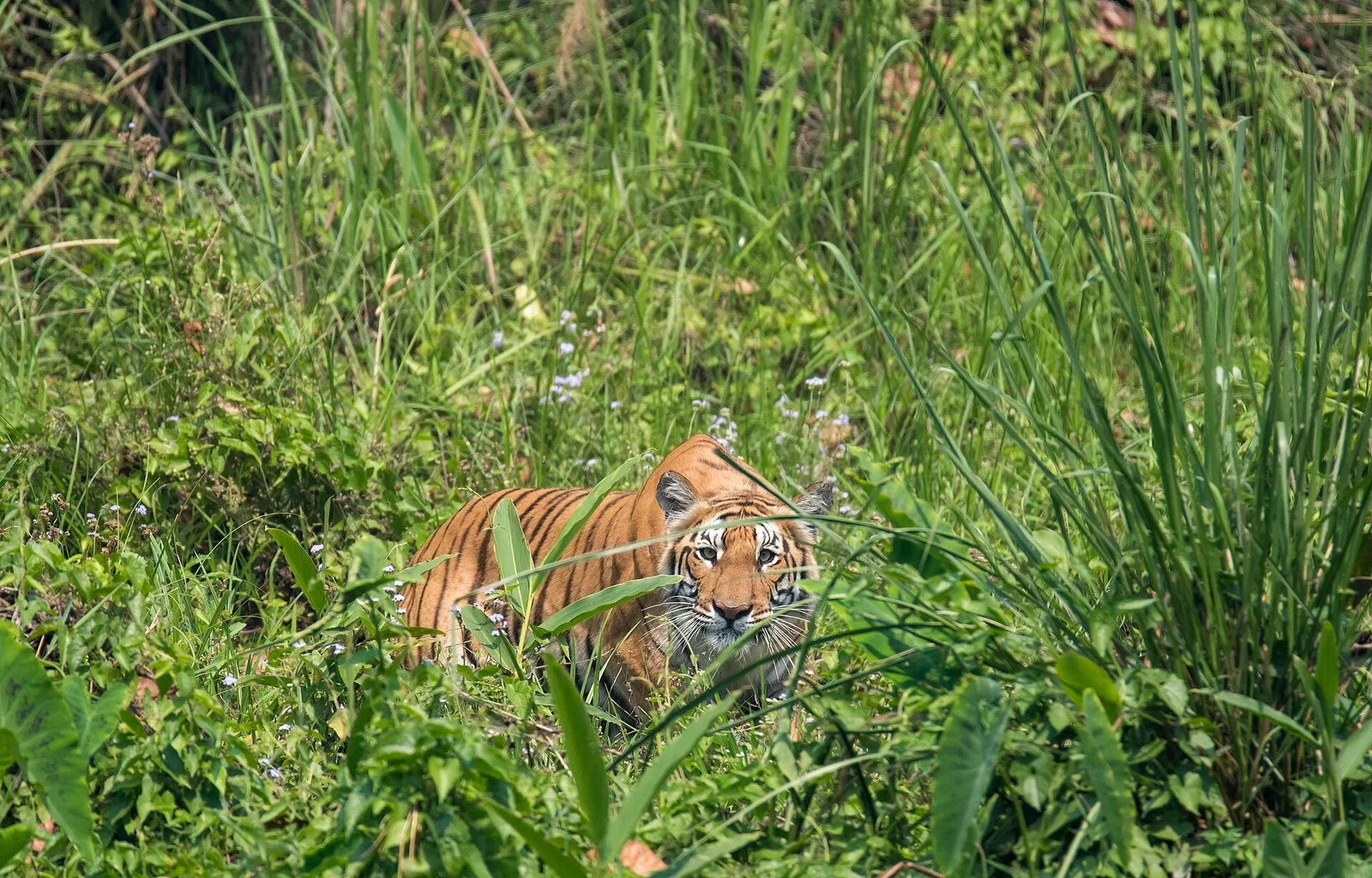
Nepal Just Counted 429 Wild Tigers — Nearly Quadruple What It Had in 2009
A new national census puts Nepal's tiger population at a record high, the fastest tiger recovery of any country on Earth — and it's reshaping what a Chitwan or Bardia safari actually looks like.
Industry & Tourism
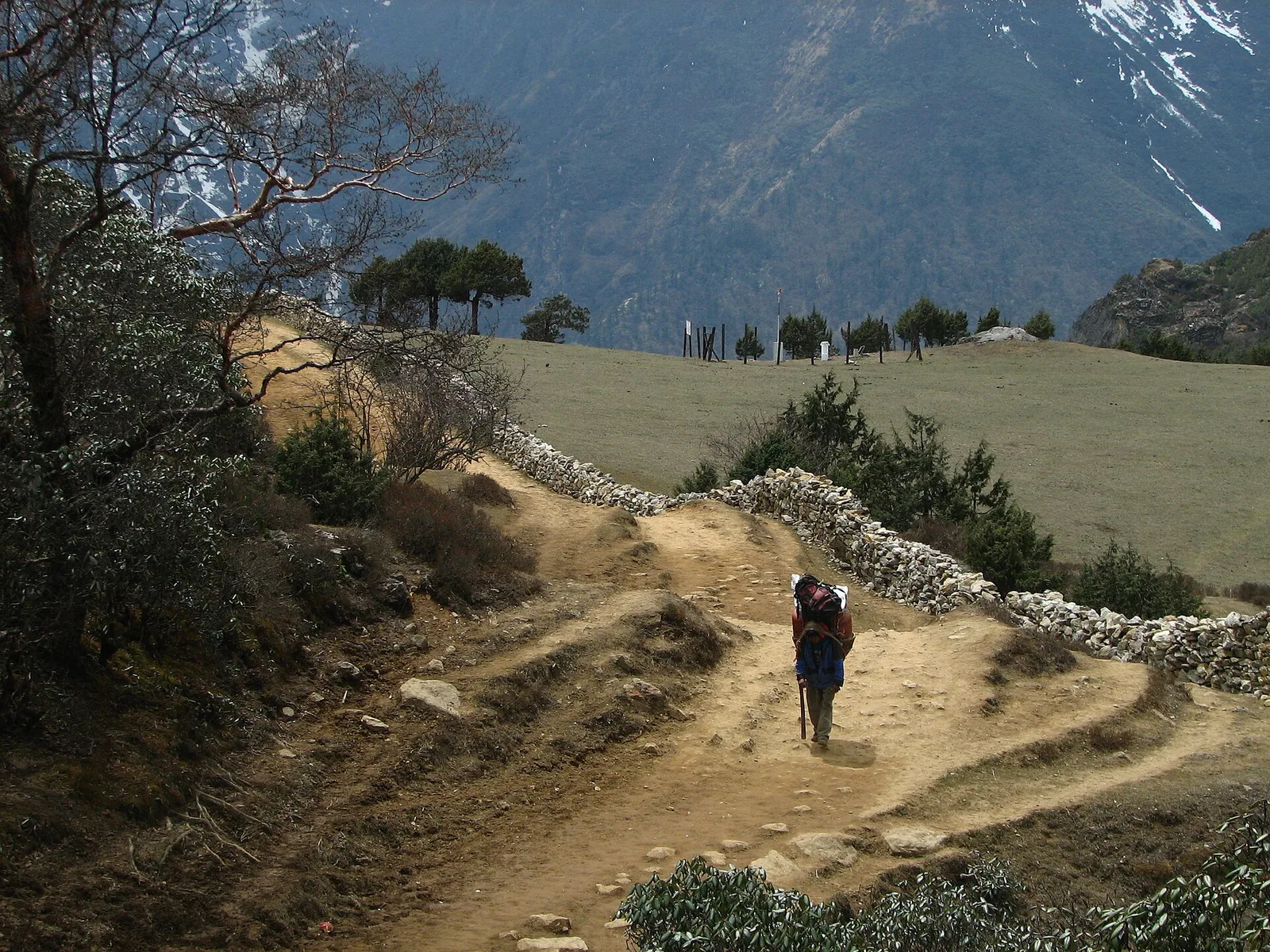
How Much Should You Tip Your Nepal Trekking Guide and Porter in 2026? The Real Numbers
Nepal has no official tipping rate — but gratuities make up an estimated 30-50% of a guide or porter's yearly income. Here's what international trekkers actually pay, verified against porter-welfare guidelines.

Industry & Tourism
Nepal Visitors Now Stay a Record 16 Days but Spend Just $33 a Day — What the New 2026 Data Actually Means for Trekkers
Government figures show foreign tourists lingering longer than ever while daily spending sits near a 30-year low. The number is real, but it is measuring a very different traveller than someone booking an organized trek.

Records & People
Nepal Is About the Size of Illinois. It's Home to Nearly 8% of All the Birds on Earth.
From subtropical wetlands 90 metres above sea level to Himalayan summits over 8,000 metres, Nepal has recorded more than 900 bird species — and a new study says its own birdwatchers could help protect even more of them.
Latest from the desk
Records & People
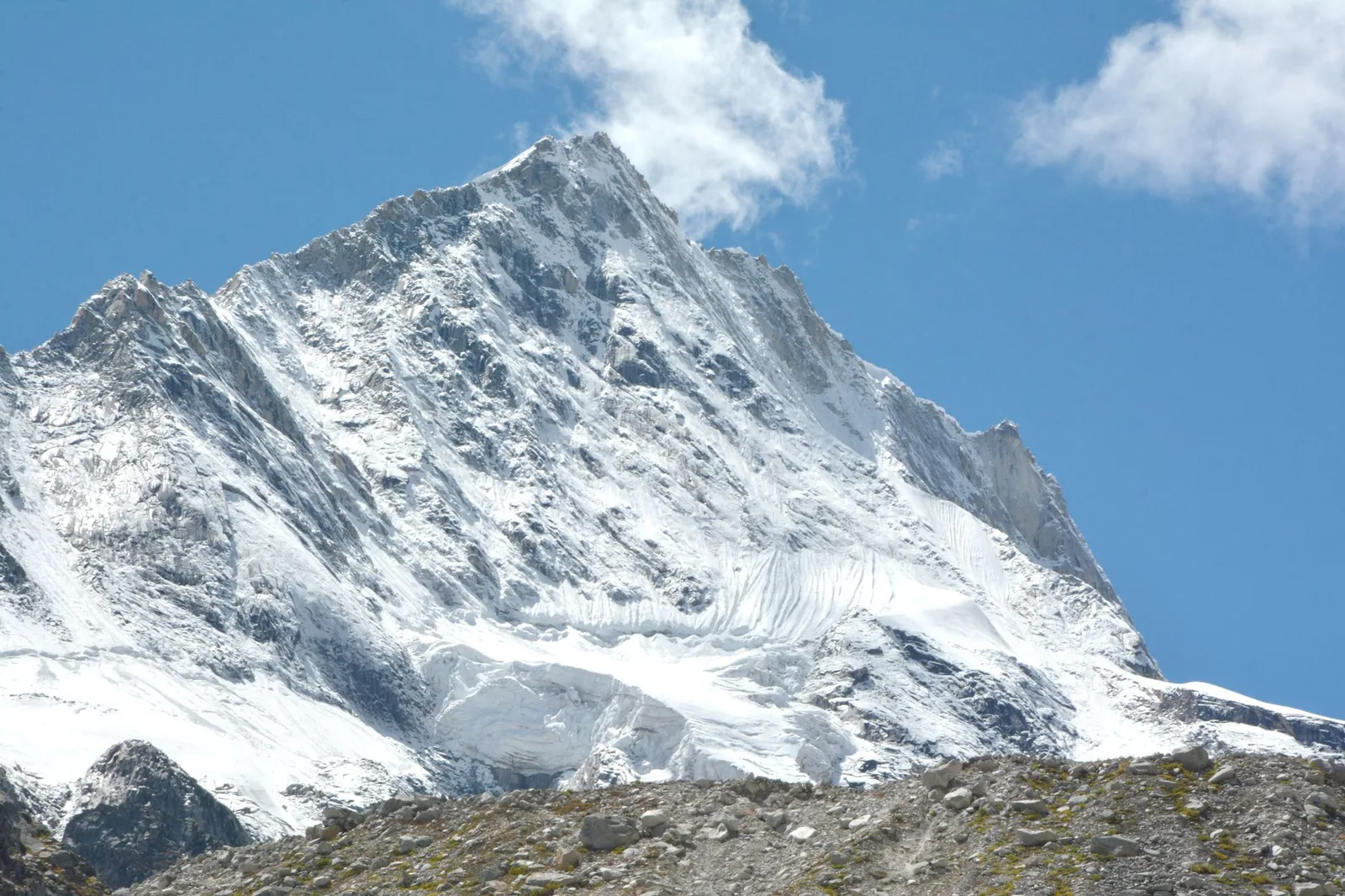
The 1951 Photo That Convinced the World Yetis Were Real — And What DNA Finally Proved Made the Tracks
Eric Shipton's footprint photograph from the Menlung Glacier near Everest ran in newspapers worldwide and launched a legend. A 2017 DNA study on nine yeti specimens finally settled what made them.

Safety & Advisories
How to Beat Jet Lag in 2026: What Actually Works (Backed by Science)
Circadian science, light timing and low-dose melatonin — plus the odd UTC+5:45 twist of flying into Kathmandu before a Himalaya trek.
Safety & Advisories
The Most Common Travel Scams in 2026 (and Exactly How to Avoid Them)
Rigged taxi meters, short-changed cash, skimmed ATM cards, fake officials and cloned booking sites — plus the trekking-specific cons in Nepal — and the simple habits that beat every one.