
Kathmandu-Lukla Flights Shut Down for All of Autumn 2026 — Why Every Everest Trekker Now Flies From Manthali Instead
Nepal's aviation authority again grounds direct Kathmandu-Lukla flights from 25 September to 30 November 2026 — here's why the Ramechhap diversion actually makes flying to Everest Base Camp more reliable, and how many buffer days to plan for.
At a glance
- Published · updated
- TopicFlights & Access
- Verified againstThe Himalayan Times
- Treks coveredEBC Trek & Helicopter Return — 10 Days, Everest Base Camp Trek — 14 Days
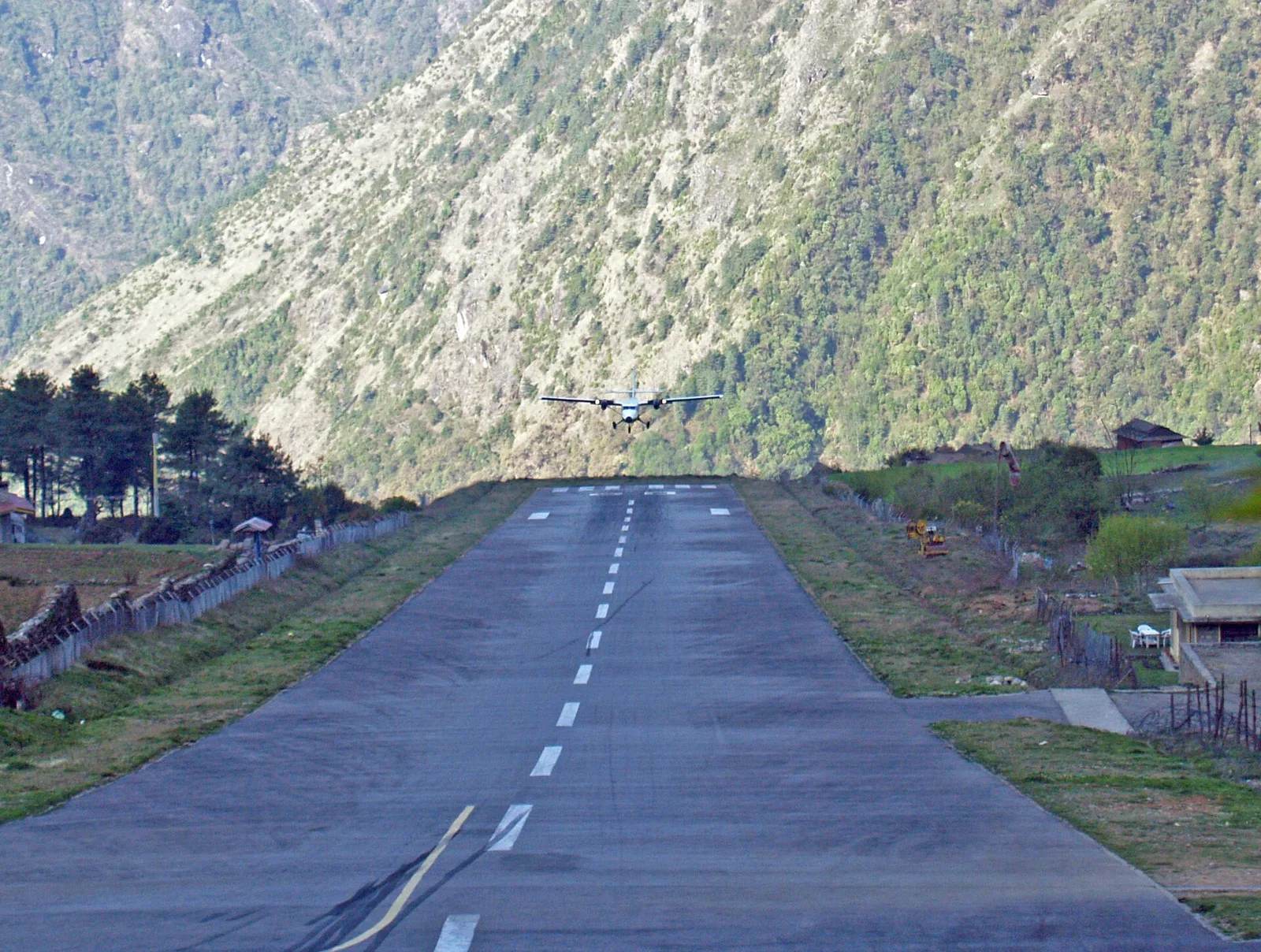
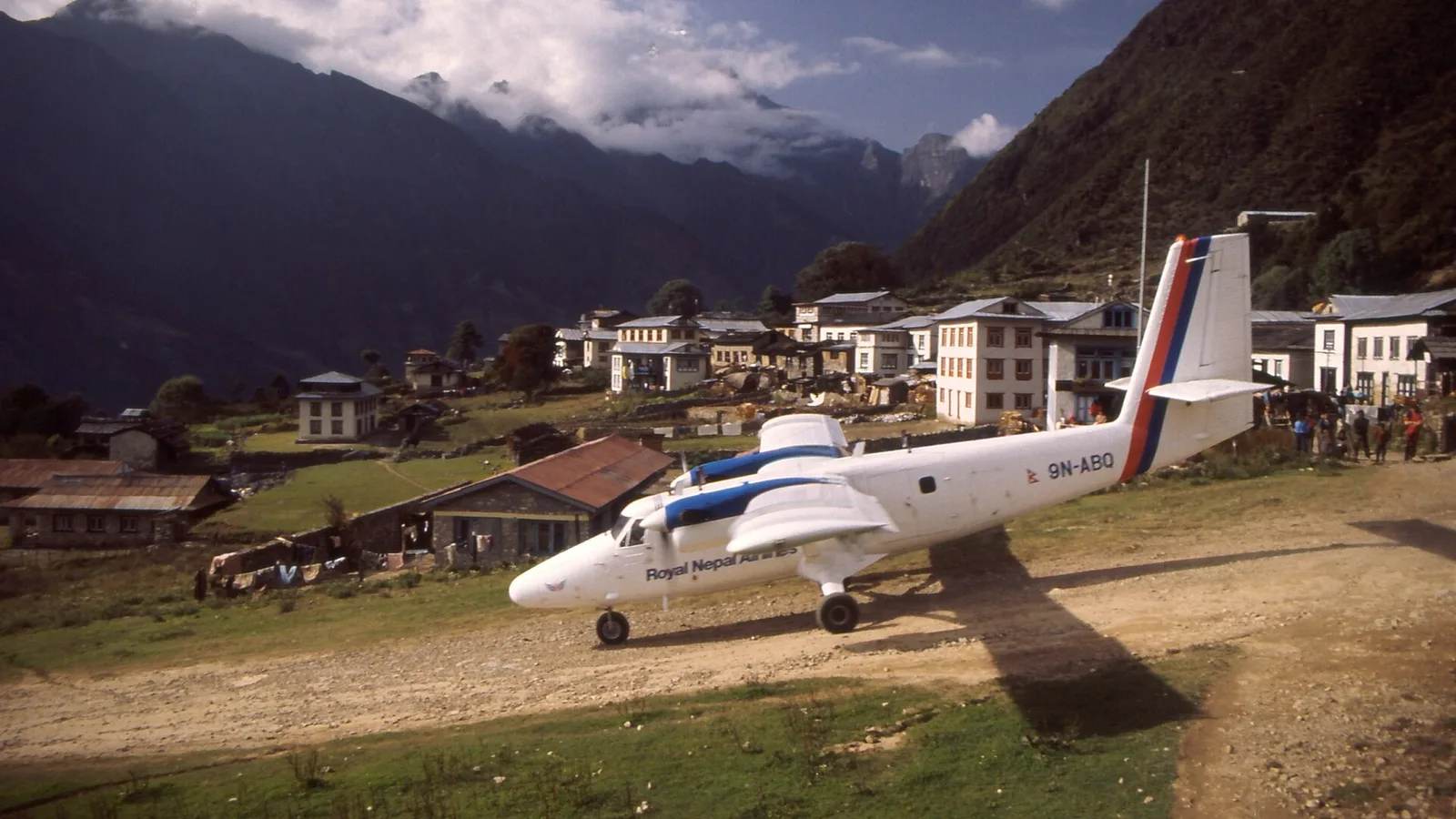
Lukla's Tenzing-Hillary Airport is famous as the world's most dangerous, a single sloped runway cut into a mountainside at 2,860 metres with a cliff at one end and a rock wall at the other. It is the gateway almost every Everest trekker flies through. Yet for the whole of autumn 2026, hardly any of those flights will actually leave from Kathmandu at all.
From 25 September to 30 November 2026, Nepal's Civil Aviation Authority (CAAN) is again routing every scheduled Lukla flight away from Kathmandu's Tribhuvan International Airport and onto a small regional strip at Manthali, in Ramechhap district around 132km to the southeast. This is not a one-off closure. CAAN first ordered the diversion in 2022 to ease congestion at Kathmandu during the two peak trekking windows, spring (mid-March to mid-May) and autumn (late September to late November), and it has run every peak season since, autumn 2026 included.
Key facts
- Autumn 2026 diversion window: 25 September to 30 November
- Road transfer Kathmandu to Manthali: roughly 4 to 5 hours on the BP Highway, usually leaving around 1:30am
- Manthali to Lukla flight time: about 15 to 20 minutes
- Direct Kathmandu-Lukla flights in peak season: reserved for aircraft repositioning only, a small fraction of autumn departures
The reason is weather, not bureaucracy. Kathmandu's morning haze and rising afternoon cloud narrow the usable flying window for the small STOL aircraft that serve Lukla, so decades of Everest-bound traffic squeezed through a handful of clear-sky hours at one of Nepal's busiest international airports, producing long queues and multi-day pileups whenever cloud closed in early. Manthali sits lower and clearer, with a longer, cleaner visual-flight window each morning, so airlines can run several rotations back-to-back before midday cloud builds over the foothills.
Flights run direct Kathmandu-Lukla, but low cloud and rain ground aircraft for hours, sometimes days, at a stretch.
CAAN's seasonal order takes effect. Every scheduled flight moves to the Ramechhap airstrip for the rest of autumn.
Nepal's clearest, most stable air of the year, and the fastest, most reliable stretch to fly Lukla all season.
The mandate lifts and direct Kathmandu-Lukla flights resume for the quieter winter months.
| Route | Share of flights | Transfer time | Air time |
|---|---|---|---|
| Kathmandu → Manthali (road) → Lukla | ~99% | 4-5 hrs | 15-20 min |
| Kathmandu → Lukla (direct) | <1% | — | 30-35 min |
The diversion adds cost as well as time: the road transfer typically adds a shared jeep or bus fare on top of the standard one-way Lukla airfare, on top of an earlier alarm clock. It is a trade nearly every operator and airline in the Khumbu now treats as worth making, because a five-hour drive beats a five-day flight backlog.
What this means for trekkers
Practically, it means your Everest Base Camp trip does not start with a flight, it starts with a pre-dawn drive. Most agencies, ours included, collect trekkers between 1am and 2am for the run east on the BP Highway, aiming to reach Manthali in time for the first flight wave once visibility opens. It is a long start to day one, but it is also the safer, steadier option: airlines consistently report far fewer weather cancellations flying out of Manthali than out of Kathmandu across the same weeks, precisely because Ramechhap clears earlier and holds its window longer.
What this means for your trip
Build at least one full buffer day into any Everest Base Camp itinerary, on both ends of the Lukla flight, and two if your onward international flight cannot move. Even Manthali's better weather cannot fully rule out a fogged-in morning in late autumn, and a single missed rotation can cascade into a two or three day backlog while airlines work through the queue. If your schedule truly cannot absorb a delay, a helicopter transfer is the fastest way to jump a backlog once one forms.
None of this changes what the trek itself costs or requires, only how you reach its start line. Our 14-day Everest Base Camp itinerary already carries a contingency day for exactly this reason, and travellers who would rather remove flight risk altogether can fly the entire route by helicopter on our helicopter return trip instead. Either way, plan around Manthali, not Kathmandu, and this autumn's flight schedule will not catch you out.
Source: The Himalayan Times, reporting on CAAN's seasonal Ramechhap-Lukla diversion policy.
Cover photo: Steve Hicks via Wikimedia Commons (CC BY 2.0). Section photos: Stan Tuladhar via Unsplash (Unsplash licence).
Still running this season
EBC Trek & Helicopter Return — 10 Days is running normally
NMA-certified local guides, transparent pricing, 5,000+ treks since 1998. Message us your dates and we'll sort the permits, lodges and logistics — reply within 24 hours, no obligation.
Popular Nepal treks
All treks →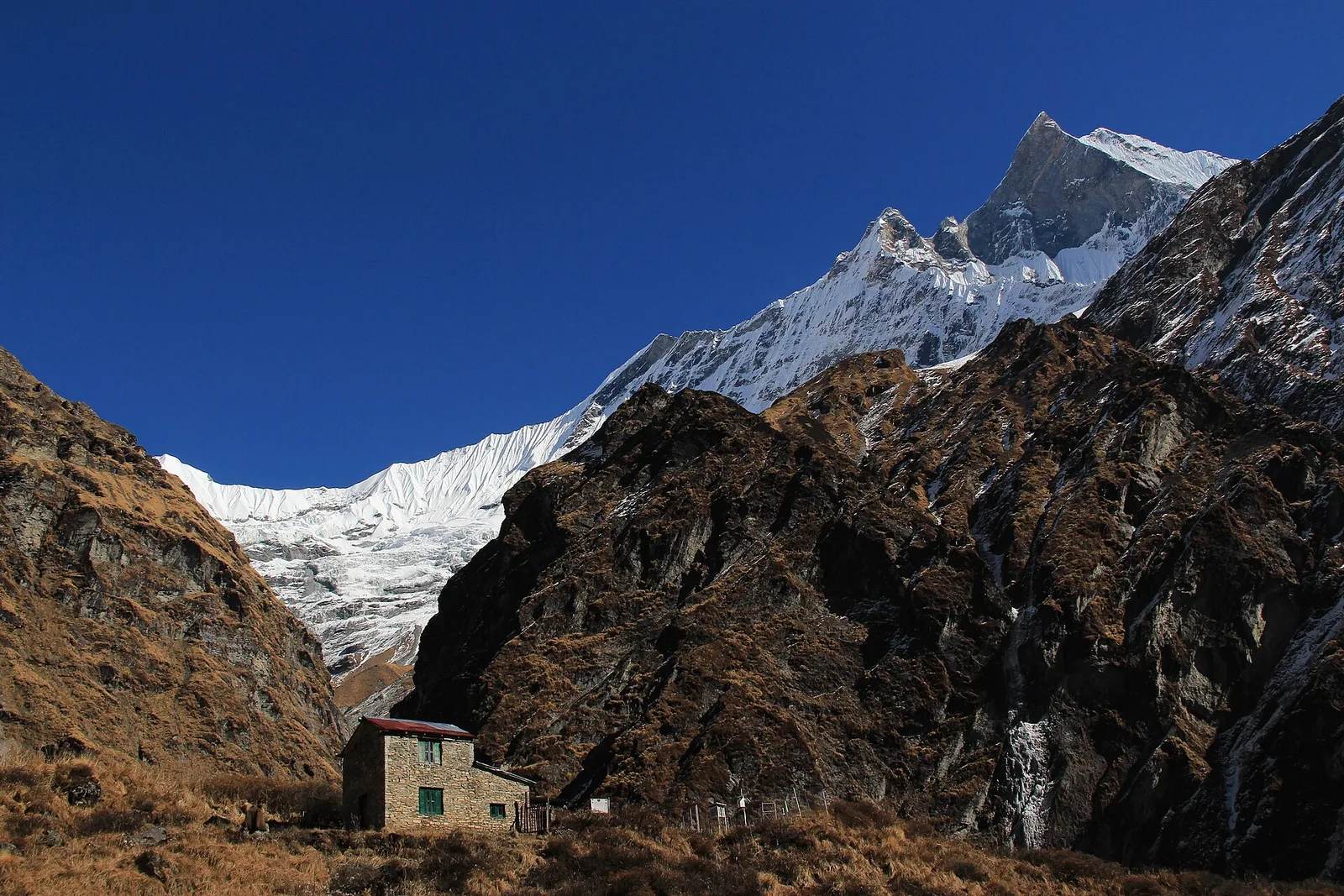
Related coverage
Flights & Access
How Many Days Do You Actually Need for Everest Base Camp in 2026? Every Itinerary Length Compared
Ten days is possible, fourteen is what most operators actually recommend, and the flight into Lukla is why you should budget more time than either number, not less.

Flights & Access
Everest Base Camp Trek or Helicopter Tour? The Kala Patthar Reopening Changes the Math in 2026
A shared helicopter can land you on Kala Patthar again after a three-year ban, but it still can't buy you what nine days on the trail does.
Safety & Advisories
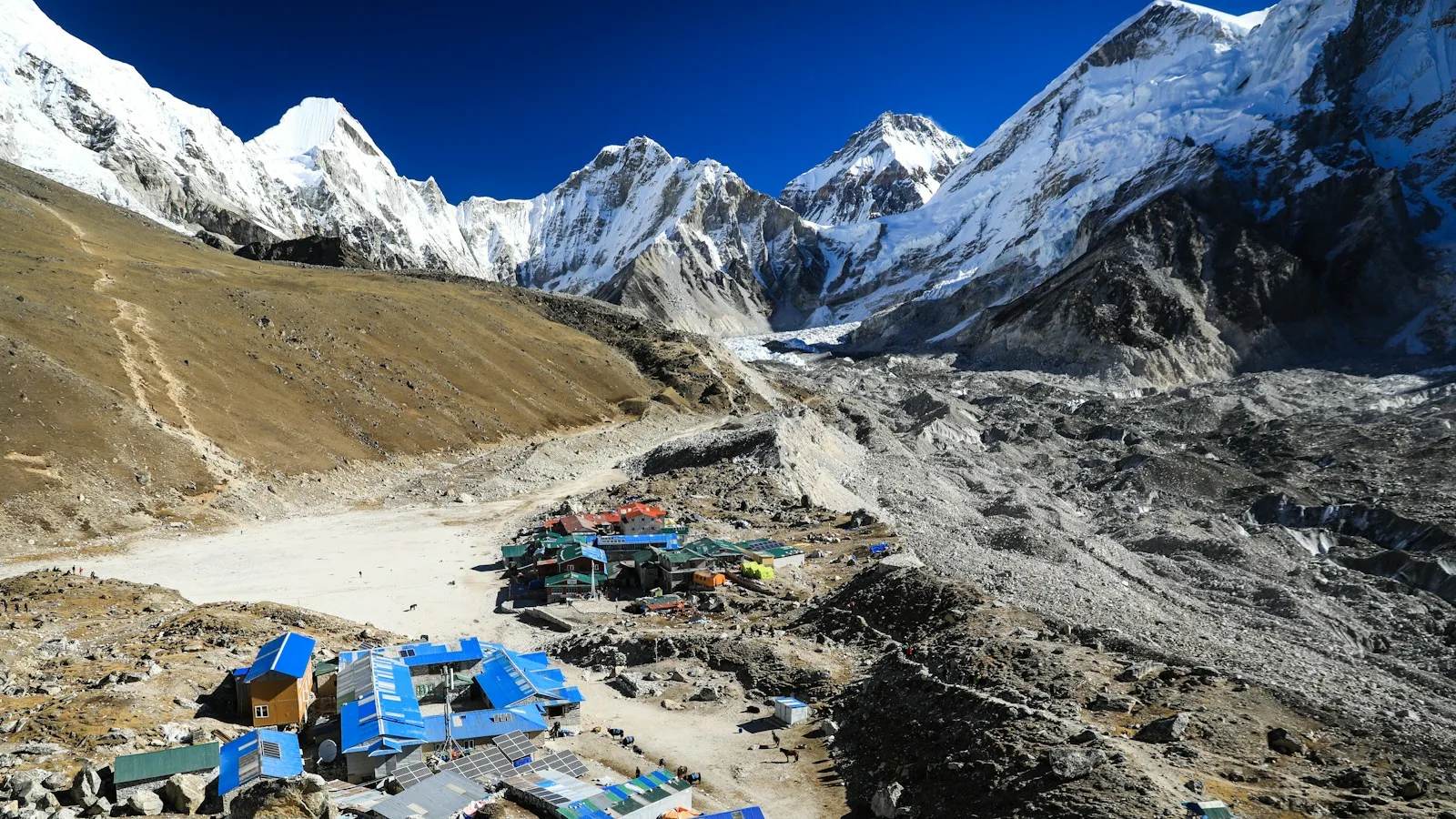
Is the Everest Base Camp Trek Affected by the 2026 Nepal Floods?
No — the Everest region is running normally. The 26 August flood hit Rasuwa in the north, not the Khumbu. Here is why Lukla flights and the EBC trail are unaffected, leg by leg.
Safety & Advisories
Can a Beginner Do the Everest Base Camp Trek? The Honest Difficulty Answer (2026)
No mountaineering skills required — but altitude, not fitness, is what actually turns beginners back. Here is the real difficulty, by the numbers.
Latest from the desk
Gear & Tech
Trail shoes or hiking boots, and what the ankle-support research actually found
Most teahouse trekkers wear more boot than the walk needs, and the ankle-support argument holding that up is thinner than the shops suggest.
Gear & Tech
Merino or synthetic base layers, and what a lab found when it measured the smell
Merino wins the week-long wear, synthetic wins the overnight dry, and the lab reason merino stays fresh is not the bacteria story you have been told.
Safety & Advisories
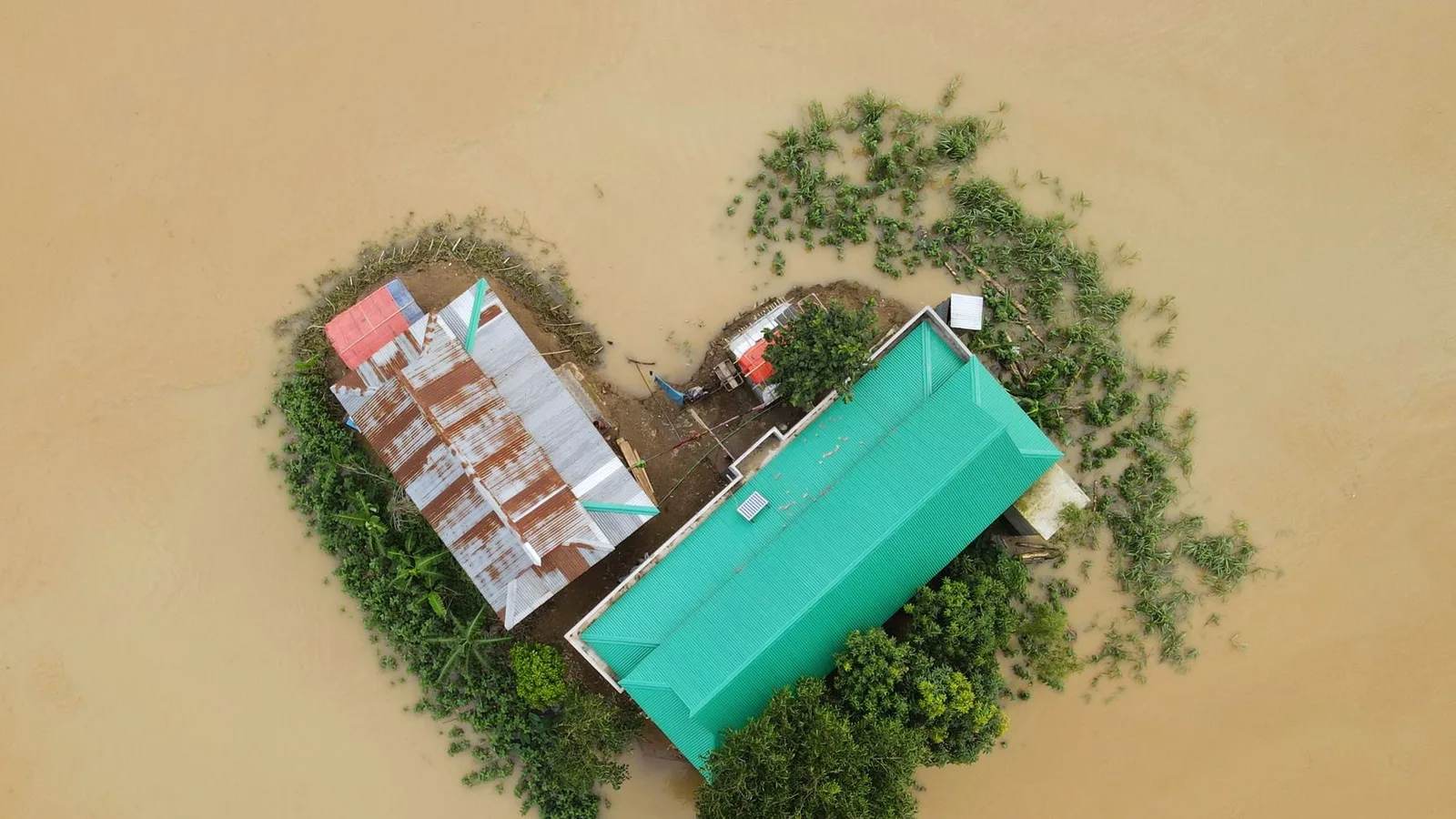
If someone you know is missing in the Nepal flood, you don't have to fly to Kathmandu
Nepal Police have identified 95 of more than 1,200 bodies recovered. Families abroad can be DNA-profiled at home and send the result in. Here is how it works.