
The Cheapest Countries to Retire Abroad in 2026 (Cost of Living, Visas & Healthcare)
Where a pension stretches furthest in 2026 — real monthly costs, retirement-visa income thresholds and healthcare for Portugal, Thailand, Panama, Mexico, Malaysia and Vietnam, with the rule changes that caught retirees off guard.
At a glance
- Published
- TopicWorld Destinations
- Verified againstNumbeo
- Treks coveredEverest Base Camp Trek — 14 Days, Annapurna Circuit Trek — 13 Days, Langtang & Gosaikunda Trek — 13 Days
Retiring abroad is no longer a fringe idea. A pension or Social Security cheque that feels tight at home can stretch into a comfortable, sunlit life somewhere warmer — provided you pick a country where the cost of living is genuinely low and the residency door is actually open to you. Those two things do not always travel together, and in 2026 several long-time favourites have quietly moved their goalposts.
Below is an honest look at six of the most affordable, retiree-friendly countries as of 2026 — what a couple realistically spends each month, what the retirement visa demands in income, and how the door stands today. Every figure is sourced; where a country tightened its rules this year, we say so plainly.
The quick read (as of 2026)
- Lowest visa income bar: Panama's Pensionado — a lifetime pension of just US$1,000/month, and it grants permanent residency outright.
- Cheapest day-to-day living: Southeast Asia — Chiang Mai runs about $540/month for one person before rent (Numbeo, 2026).
- Biggest 2026 shock: Mexico raised its temporary-resident income threshold to roughly $4,300–$4,400/month, and Malaysia's MM2H now requires a property purchase.
- No retirement visa at all: Vietnam — cheap to live in, but you must string together e-visas or an investor/residence card.
What a retirement actually costs — and what the visa demands
The table below pairs a realistic monthly living budget with the headline requirement of each country's main retirement or long-stay route. Living costs assume a modest-but-comfortable lifestyle for a couple outside the priciest capital districts; visa thresholds are the published 2026 minimums for the primary applicant.
| Country | Comfortable monthly cost (couple) | Retirement-visa income / deposit requirement |
|---|---|---|
| Vietnam | ~$1,000–$1,800 | No retirement visa — e-visa ($25 / 90 days) or investor / residence card |
| Thailand | ~$1,500–$2,200 | Non-O, age 50+: 65,000 THB/mo (~$1,900) income or 800,000 THB (~$24,000) in a Thai bank |
| Panama | ~$1,500–$2,300 | Pensionado: $1,000/mo lifetime pension (+$250 per dependent) |
| Portugal | ~€1,400–€2,200 | D7: €920/mo passive income (+50% spouse, +30% per child) |
| Malaysia | ~$1,700–$2,500 | MM2H Silver: RM150k (~$32k) deposit + RM5,000/mo (~$1,070) income + property purchase |
| Mexico | ~$1,800–$2,600 | Temporary resident: ~$4,300–$4,400/mo income or ~$74,000 savings (varies by consulate) |
Southeast Asia: where the dollar goes furthest
Thailand remains the benchmark. In Chiang Mai a single person spends roughly $540 a month before rent (Numbeo, 2026), and a couple can live well on $1,500–$2,200 all in. The Non-O retirement visa is straightforward for anyone 50 or older: either park 800,000 baht in a Thai bank or show 65,000 baht (about $1,900) of monthly income. Private hospitals in Bangkok and Chiang Mai are excellent and a fraction of Western prices.
Vietnam is arguably even cheaper — many retirees report living under $1,800 a month in Hanoi or Da Nang. The catch is legal: Vietnam has no dedicated retirement visa as of 2026. Retirees rely on rolling 90-day e-visas or a temporary residence card via investment or family, which means periodic paperwork or border runs. Wonderful value, more friction.
Malaysia long marketed itself to retirees, but its MM2H programme has tightened sharply. The entry-level Silver tier now asks for a RM150,000 (~$32,000) fixed deposit, about RM5,000 (~$1,070) in monthly offshore income, and a compulsory property purchase. Everyday costs stay reasonable, English is widely spoken and private healthcare is strong — but the barrier to entry is no longer low.
Watch the goalposts
Two 2026 changes matter most: Mexico's income requirement roughly doubled from 2025 to around $4,300–$4,400 a month, and Malaysia now mandates buying property under MM2H. A country can be cheap to live in and still hard to get a visa for — always confirm the current consular figure before you commit.
The Americas: Panama's headline deal
Panama offers what many consider the best-value retirement visa anywhere. The Pensionado requires only a $1,000/month lifetime pension (US Social Security and Canadian CPP both qualify), grants permanent residency immediately, and unlocks Law 6 discounts on everything from flights to medical bills. In the cool highland town of Boquete, expats live on $1,500–$2,300 a couple; Panama City costs more but offers world-class private hospitals.
Mexico is still cheap to live in — $1,800–$2,600 for a comfortable couple in Mérida, Oaxaca or Lake Chapala — and its proximity to the US is a genuine draw. But the temporary-resident income bar jumped in 2026 to roughly $4,300–$4,400 a month (or about $74,000 in savings), and it varies by consulate. Budget for the visa, not just the tacos.
Europe on a budget: Portugal
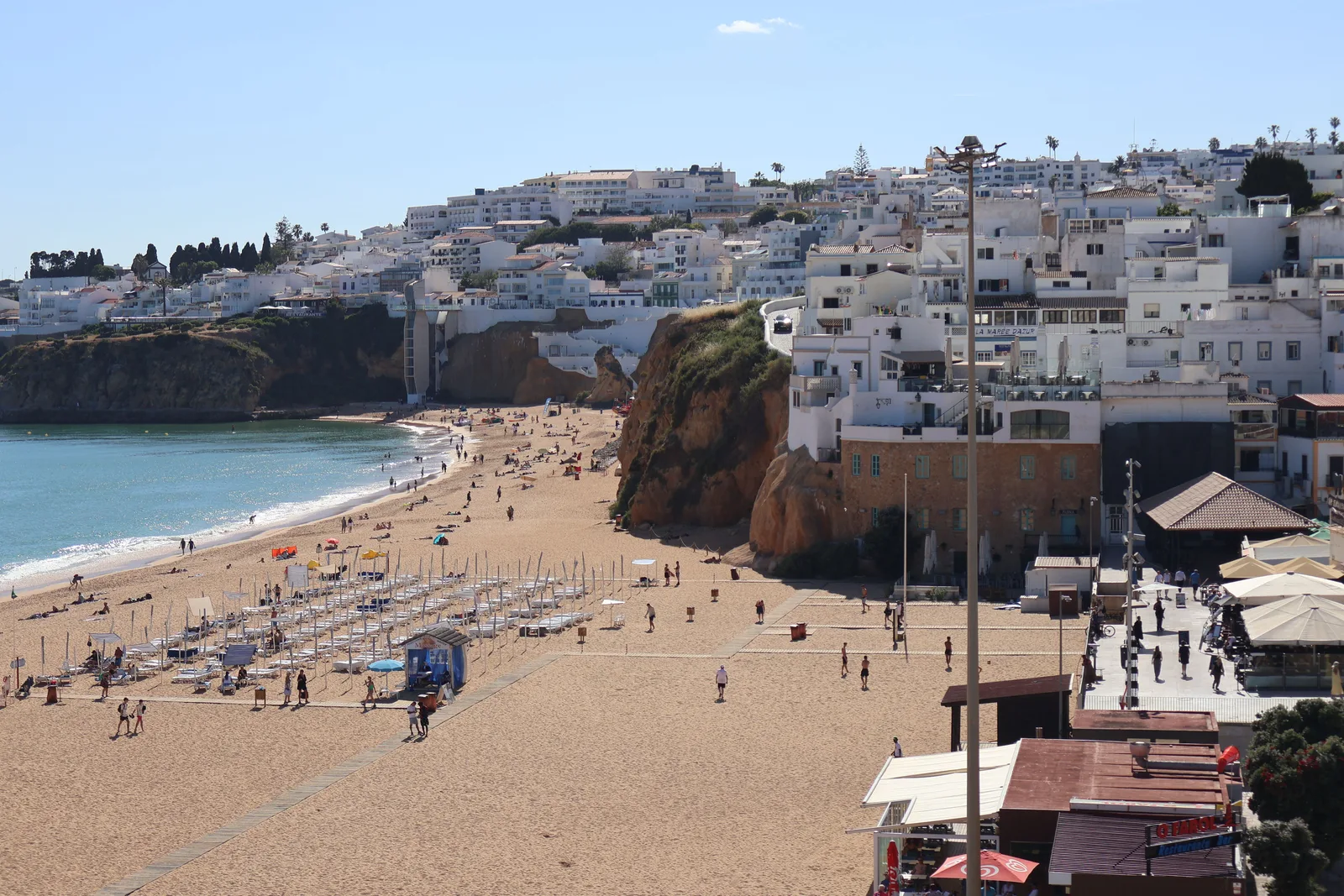
Portugal is the affordable European entry point. A retired couple lives comfortably on €1,400–€2,200 a month in the eastern Algarve or Silver Coast towns, well below Lisbon. The D7 "passive income" visa is refreshingly reachable: as of 1 January 2026 it asks for €920 a month (tied to the minimum wage), plus 50% for a spouse and 30% per child. Portugal's public healthcare is well regarded, and residents can pair it with affordable private cover.
A quieter alternative: long, slow stays in Nepal
Not every long stay needs to be permanent. If your dream of "retiring abroad" is really about spending months somewhere beautiful, affordable and endlessly interesting, Nepal deserves a look. Daily costs here are among the lowest in the world, the tourist visa is easy to extend for up to 150 days in a calendar year, and few places reward an active, curious retirement quite like the Himalaya. Plenty of over-55s spend a season here walking gentle valley routes, learning to cook dal bhat and volunteering in mountain villages — no six-figure deposit required.
You don't have to trek to Base Camp to enjoy it. Lodge-to-lodge routes like the Langtang & Gosaikunda trek or the classic Annapurna Circuit can be paced slowly over two weeks, and our team tailors the daily distances to your fitness. For many long-stay visitors, a season in Nepal is the most affordable adventure of their retirement.
Wherever you land, do the homework twice: confirm the living costs for your specific town, and confirm the visa income figure at the consulate that will actually process you — both move more often than the brochures admit. If a slow Himalayan chapter appeals, talk to our team about building a relaxed, well-supported itinerary around the time you have.
Cover photo: Carel Voorhorst / Pexels.
Planning a trek?
Trek this route with us — Everest Base Camp Trek — 14 Days
NMA-certified local guides, transparent pricing, 5,000+ treks since 1998. Message us your dates and we'll sort the permits, lodges and logistics — reply within 24 hours, no obligation.


Popular Nepal treks
All treks →


Related coverage

Industry & Tourism
50+ Countries Now Offer a Digital Nomad Visa in 2026 — Here's Where You Can Live and Work Abroad
A verified, country-by-country guide to income thresholds, stay lengths and tax perks — from Spain and Portugal to Thailand's five-year DTV and Japan's high-earner permit.

Visas & Entry
The Cheapest Cities for Digital Nomads in 2026 (Cost of Living, Wi-Fi & Visas)
A verified, city-by-city look at where remote workers get the most for their money in 2026 — real monthly budgets, median internet speeds and which hubs actually offer a nomad visa (including an underrated Himalayan base).
Money & Insurance
Medical Tourism in 2026: The Countries Where Treatment Costs a Fraction of the US Price
Heart bypass, knee replacement, dental implants and more — how far your money goes in Thailand, India, Mexico, Turkey, Malaysia and Costa Rica, and the accreditation and insurance checks to do first.

Flights & Access
Planning a Nepal Trek from Malaysia in 2026: Flights, Ringgit Costs & Halal Food
Kuala Lumpur to Kathmandu is under 5 hours direct — one of the easiest gateways to the Himalaya in all of Asia. Here are the real flights, an all-in cost in ringgit, and where to eat halal on the trail.
Latest from the desk
Records & People
Nepal Has the World's Only Non-Rectangular Flag — and the Reason Is Written in Its Geometry
Every other nation on Earth flies a rectangle. Nepal's flag is built from two overlapping pennants defined by a constitutional geometry lesson, not a length-to-width ratio — and it once forced the Olympics to make an exception.
Industry & Tourism
Nepal Just Started Training Trekking Cooks in Korean Cuisine — Inside the Push for South Korea's Trekkers
A two-week culinary and hygiene course for more than 30 trekking cooks and field staff, backed by the Korean Embassy in Kathmandu, is Nepal's clearest bet yet on South Korea's 30-million-strong outbound travel market.
World Destinations
How Much Does a Year of Travel Actually Cost in 2026? (Real Budgets by Style & Region)
From about $8,000 across Southeast Asia to $50,000+ in Western Europe — the real 2026 numbers for a year on the road, broken down by travel style and region, and where a Nepal trek fits a round-the-world budget.