
How to Fly Business Class for Less in 2026 (Points, Miles, Upgrades & Error Fares)
The legitimate playbook for lie-flat seats at a fraction of the cash fare — transferable points, sweet-spot award redemptions, transfer bonuses, upgrade bids, error fares and positioning flights, as of 2026.
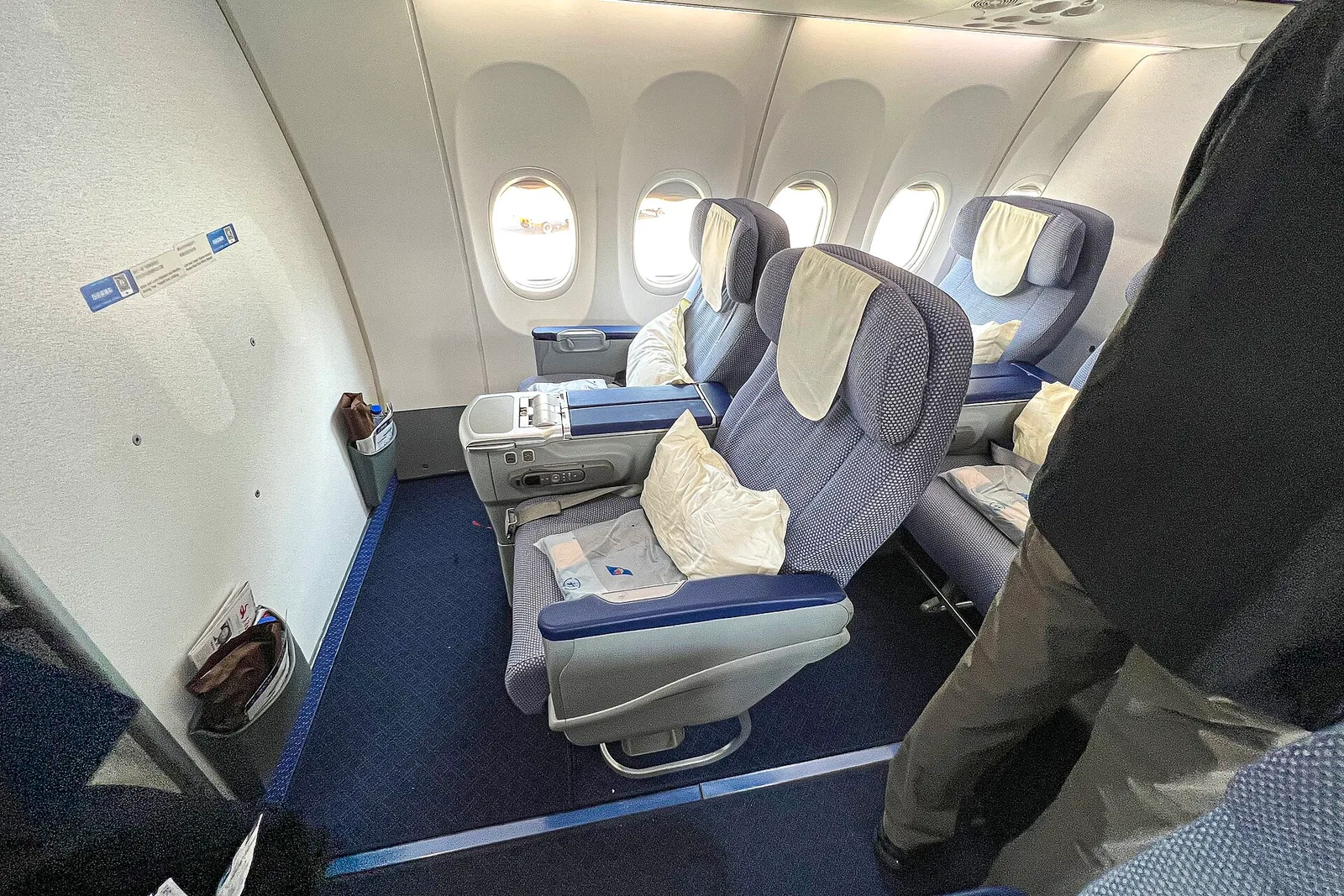
You almost never buy a lie-flat seat at the sticker price. As of 2026, the people turning left on the plane for a fraction of the cash fare are using a small set of legitimate, repeatable moves: they earn transferable credit-card points, move them to the right airline loyalty programme, and book a partner "saver" business award — then top it up with upgrade bids, the occasional mispriced fare, and a cheap positioning flight. None of it is a hack. It is just knowing how airline pricing actually works.
The short version
- Transferable points beat airline miles. Amex Membership Rewards, Chase Ultimate Rewards, Capital One Miles, Citi ThankYou and Bilt all transfer to many airline partners — usually 1:1 — so you are never locked into one airline.
- The award chart, not the cash fare, sets the price. The same seat can cost wildly different mileage depending on which partner programme you book through.
- Timing a transfer bonus (commonly 20–40%) means the same seat costs you fewer points.
- Upgrade bids, error fares and positioning flights are the supporting cast, not the main plan.
1. Start with transferable points, not one airline's miles
The single biggest mistake is hoarding miles in one airline programme. The flexible currencies — American Express Membership Rewards, Chase Ultimate Rewards, Capital One Miles, Citi ThankYou and Bilt Rewards — each transfer to a long list of airline partners, most at a 1:1 ratio. American Express alone transfers to around 16 airline partners. That flexibility is the whole game: it lets you send points to whichever programme prices your route cheapest at the moment you want to fly.
Because these points are not tied to one airline, a devaluation at any single carrier does not strand you. You simply route the same points somewhere else.
2. Learn a few award "sweet spots"
A sweet spot is a route where a particular loyalty programme charges far fewer miles than the cabin is worth in cash. A handful are well documented and, as of 2026, still bookable:
- ANA "The Room" business — one of the best business products flying — can be booked from the western United States for around 52,500 miles one-way through Virgin Atlantic Flying Club, a Chase transfer partner.
- U.S.–Europe business starts near 60,000 miles one-way through Air France–KLM Flying Blue, with Air Canada Aeroplan and Avianca LifeMiles in a similar 63,000–75,000 range.
- Cathay Pacific business to Asia has priced around 50,000 miles through Alaska Mileage Plan.
Treat these as illustrations of the pattern, not fixed prices — award levels change, and availability is the real constraint. The lesson is that the programme you book through matters as much as the seat itself.
| Method | How it works | Typical saving |
|---|---|---|
| Transferable points + partner award | Move flexible points to an airline partner, book its saver business seat | US–Europe business from ~60k miles vs a cash fare often $2,000–$4,000+ |
| Sweet-spot programmes | Book through whichever partner prices the route cheapest (Flying Blue, Aeroplan, Virgin Atlantic, Alaska) | ANA business ~52.5k miles; Cathay to Asia ~50k |
| Transfer bonuses | Wait for a 20–40% bonus, then transfer, so fewer points buy the seat | 20–40% fewer points for the same award |
| Bid-for-upgrade | Buy economy, then name a price to move up near departure | Business for a fraction of the paid-cabin gap |
| Error / mistake fares | Book fast when an airline misprices business, wait before making plans | Occasionally business for near-economy money |
| Positioning flight | Start the award from a cheaper gateway city you fly to separately | Unlocks saver space not sold from your home airport |
3. Time your transfer to a bonus
The card issuers run transfer bonuses constantly — recent campaigns have ranged from roughly 10% to 40% extra when you move points to a given partner. If you know you want a Flying Blue or Aeroplan seat, waiting for a 25–40% bonus is the difference between one award and almost two. Never transfer speculatively, though: points are only worth moving once you have found the specific award seat you intend to book, because a transfer is one-way and cannot be reversed.
The one rule that matters
Confirm the award seat is available before you transfer a single point. Chase, Amex and Capital One transfers to most partners are instant or near-instant — book the seat the moment the points land, not before.
4. Upgrade bidding — the low-effort path
Many airlines now let you buy an economy or premium-economy ticket and then bid for the next cabin up, usually through an automated "name your price" offer that arrives days before departure. You set what you are willing to pay; the airline accepts if the seat would otherwise fly empty. It is not guaranteed, and you should never pay economy prices expecting the upgrade — but on routes that regularly go out with empty business seats, a modest bid can land a flat bed for far less than the fare difference.
5. Mistake fares — real, but handle with care
Airlines and their systems occasionally misprice a business-class fare — a currency error, a missing fuel surcharge, a fat-fingered zero. These "error fares" are genuine and can put a lie-flat seat within reach of an economy budget, but two rules apply: book immediately (they vanish in hours), and do not buy non-refundable hotels or onward tickets until the airline has honoured and ticketed the fare, because carriers sometimes cancel obvious mistakes.
6. Positioning flights
Saver business award space is not spread evenly across airports. If the seat you want is only available out of, say, a major hub several hundred miles from home, it can be cheaper overall to book a separate low-cost flight to that hub — a "positioning flight" — and start your premium award there. Leave a generous buffer between the two tickets, since they are separate contracts and a delay on the first is your problem, not the airline's.
The Nepal angle: business class to Kathmandu
There is no non-stop long-haul to Kathmandu from Europe or the Americas, so almost every premium itinerary connects through a Gulf or regional hub — Qatar Airways via Doha, Emirates via Dubai, Etihad via Abu Dhabi, or Turkish Airlines via Istanbul. That is good news for award travellers: these are exactly the carriers and alliances your transferable points reach, and the connection structure means more chances to find saver business space on one of the two legs even when the through-fare looks expensive. If you are flying halfway around the world to trek, arriving rested in a lie-flat seat is worth planning for.
And if you are already thinking in points and cabins, it is worth reading our companion piece on the cheapest time to book international flights in 2026 — the two strategies stack: book the cash portion at the right time, and cover the premium cabin with points.
The honest bottom line
Flying business class for less in 2026 is not about one secret. It is a system: earn flexible points on everyday spending, learn two or three sweet-spot programmes, move points only when you have found the seat and ideally a transfer bonus, and treat upgrade bids, error fares and positioning flights as opportunistic extras. Do that consistently and the lie-flat seat stops being a splurge and becomes the way you travel.
Planning a Himalayan trip and want to arrive fresh? Our team can help you time your Kathmandu arrival and rest days around a long-haul flight — talk to us before you lock in dates.
Cover photo: N509FZ via Wikimedia Commons (CC BY-SA 4.0).
来源: Upgraded Points; The Points Guy; AwardWallet
计划徒步?
我们负责许可证、后勤与向导
NMA 认证的本地向导,价格透明,自 1998 年以来 5,000+ 次徒步。告诉我们你的日期,其余的交给我们。


更多「Deals & Routes」
Deals & Routes
How to Get Airport Lounge Access in 2026 (Without Flying Business Class)
Priority Pass, DragonPass, credit-card perks, day passes and walk-in prices — the five real routes into an airport lounge, and which hub lounges are worth it on the way to Nepal.
Deals & Routes
The Cheapest Time to Book International Flights in 2026 (What the Data Actually Says)
The "book on a Tuesday" rule is dead. Two of the biggest airfare datasets agree on when to actually book — and what it means for flights to Kathmandu.