
Langtang Valley in 2026: Is the Village Rebuilt, and Can You Trek It Now?
Yes — Langtang village was rebuilt on safer ground, and the trek is open. Here is the honest current picture, and why the 2026 flood hit a different valley.
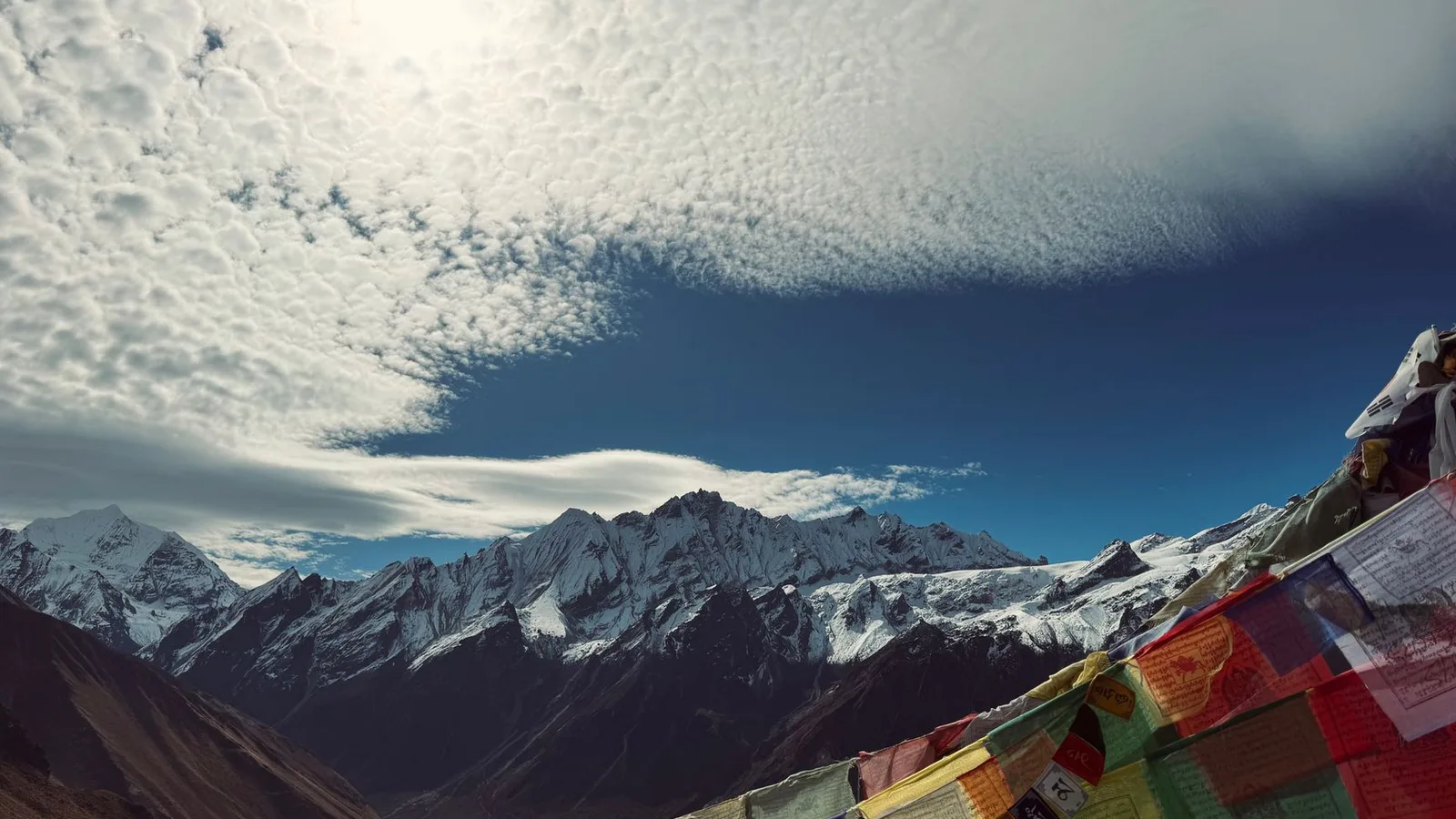
The short, honest answer: yes. Langtang village — destroyed in the 2015 earthquake — was rebuilt by its own people on safer ground a short walk from the old site, the trail reopened years ago, and trekkers walk the Langtang valley every season. And the flash flood that made headlines on 26 August 2026 struck a different valley: the Bhote Koshi corridor around Syabrubesi, not the Langtang trail up above. Below is the full picture, with sources, so you can plan honestly.
Langtang in 2026, at a glance
- Is the village rebuilt? Yes — a new village was built on a nearby, safer site rather than over the buried debris, with earthquake-resistant homes, lodges, a school and restored monasteries.
- Is the trek open? Yes — the trail reopened within about two years of the earthquake and has run every season since.
- Is it safe now? The valley itself was not reported hit by the 2026 flood; its trail condition after this monsoon is being assessed, so confirm near-term dates with your operator.
- Did the 2026 flood destroy Langtang village? No. That flood struck the Bhote Koshi corridor and the road gateway at Syabrubesi — a separate drainage from the Langtang valley.
What happened to Langtang village in 2015
Of all Nepal's treks, Langtang carries the heaviest story. On 25 April 2015, the Gorkha earthquake shook loose an enormous avalanche of ice, rock and mud from the slopes above the valley. It came down onto Langtang village with a force that flattened almost everything standing and swept an air-blast across the valley floor. Wikipedia's record of Langtang National Park states plainly that the village “was destroyed by an avalanche of ice, rock and mud triggered by the April 2015 Nepal earthquake” and that “at least 215 people were killed.” Reporting on the tenth anniversary, Al Jazeera put the toll at nearly 300 in Langtang — among them local villagers, Nepalis from other parts of the country, and foreign trekkers who were on the trail that day. Some surviving families believe the true number was higher still. I mention the figures only so the scale is understood; behind every one of them is a family, and I write about it with that in mind.
I will not dwell on the details of that day out of respect for those who lost people. What matters for anyone planning a trek now is what the community did next.
The rebuild: a new village on safer ground
Rather than excavate the debris, the survivors chose to build again nearby. As Al Jazeera reported, “instead of attempting to excavate the debris, a new village was constructed nearby.” Over the years that followed, houses, lodges, a school and monasteries were rebuilt using earthquake-resistant methods; Kyanjin Gompa — the monastery at the head of the valley — and the old yak-cheese factory were restored. The trekking trail was repaired and reopened, and tourism, which had always been the valley's livelihood, slowly came back. A decade on, Al Jazeera describes Langtang as “bustling with life again.” This was not a government showpiece; it was a community that rebuilt itself, and walking through it today is one of the most quietly moving things you can do in Nepal.
The Gorkha earthquake triggers an avalanche of ice, rock and mud that buries Langtang village. At least 215 people are killed (Wikipedia); reports put the Langtang toll near 300.
Survivors build a new village on safer ground nearby — earthquake-resistant homes, lodges, a school; Kyanjin Gompa and the yak-cheese factory are restored.
The trail is repaired and reopens; trekkers return valley by valley, and tourism resumes as the community's livelihood.
Langtang runs every season. A separate flash flood in August 2026 hits the Bhote Koshi corridor — not the Langtang valley — but disrupts the road approach via Syabrubesi.
Is Langtang in Rasuwa? And what about the 2026 flood?
Yes — the Langtang valley lies in Rasuwa district, north of Kathmandu, and this is exactly where the confusion starts. On the morning of 26 August 2026, a sudden flash flood surged down the Bhote Koshi river from Tibet into Rasuwa, tearing through the border settlements of Timure and Syabrubesi and causing serious damage downstream. It was a major disaster with deaths and many people reported missing; the figures were provisional and rose over the following days, so for the current numbers and trek status I would point you to our continuously updated coverage rather than quote a figure that may already be out of date.
Here is the distinction that matters for trekkers, and it is worth being precise about. Langtang treks begin at Syabrubesi, the road-head you reach by driving north from Kathmandu. From there the trail turns east and climbs the Langtang Khola valley — a completely different drainage from the Bhote Koshi that flooded. The damage reported in 2026 is concentrated in that Bhote Koshi corridor — Syabrubesi, Timure and the border road — and downstream. As far as anyone has reported, the flood did not strike Langtang village or the upper valley; the village's story remains the 2015 one. What the 2026 flood damaged is the gateway and the approach road, which is what affects whether you can reach the trailhead this autumn. The condition of the trail up the valley is still being assessed — so confirm before you fix near-term dates.
📍 Live status
For the current, verified picture — which trails are open, which roads are cut, and what we would book right now — see our region-by-region page, Nepal trekking conditions right now, and the Langtang-specific follow-up, Langtang Trek After the Rasuwa Flood: Access, Autumn 2026 and What to Expect.
Can you trek Langtang now — and should you?
In a normal year, absolutely. Langtang is the closest major trek to Kathmandu — you can be walking under 7,000-metre peaks a day after landing — and it is quieter, cheaper and, to my eye, every bit as beautiful as the crowded classics. The main season is October–November, still several weeks away as I write this in late August, and that time works in recovery's favour: monsoon road damage in Nepal is usually cleared or bypassed within weeks, and Syabrubesi has rebuilt its access before.
My honest guidance for autumn 2026: the valley itself should be fine, but the road approach via Syabrubesi is the open question, so the sensible thing is to keep your dates flexible and check with an operator close to departure. If you cannot wait or want zero uncertainty, Everest and Annapurna are completely unaffected and running normally — I will always tell you the straight answer rather than talk you into a date that might not work. And there is a real case for going: every rupee a trekker spends in Langtang goes to a community that rebuilt itself from nothing. That is tourism doing exactly what it should.
Trek Langtang with us
We are a Nepali-run team and we will give you the honest current status before you book — no pressure, no upsell. Ask us anything about access, dates and safety on WhatsApp at +45 91 71 72 19, or send an enquiry via our Langtang enquiry form.
- Langtang Valley Trek — 7 Days (from US$800) — the classic short valley trek, the closest big trek to Kathmandu.
- Langtang & Gosaikunda Trek — 13 Days (from US$1,380) — the valley plus the sacred Gosaikunda lakes.
Langtang is proof of something I believe about this country: the mountains take, but the people rebuild. The village that was buried in 2015 stands again on safer ground, its lodges are warm, its monastery bells still ring at Kyanjin — and the trail that leads there is open. Go when the road is ready, walk gently, and spend your money in the valley. It will mean more than you expect.
Cover photo: Susan Pandey via Pexels (Pexels License).
更多「Trail & Weather」
Trail & Weather
Why the Annapurna Trail’s River Crossings Keep Failing: The Ghurjung Bridge and the Mechanics of a Debris Surge
The suspension bridges on the ABC trail rarely fail from bad building — they fail when a monsoon cloudburst meets an upstream landslide-dam burst, and when a rising, braided riverbed quietly eats the safety margin engineers designed in.
Trail & Weather
Annapurna Base Camp Trail Hit: The Ghurjung Bridge, Modi River Floods and What ABC Trekkers Need to Know (2026)
The ABC trail is passable but disrupted — here is what happened, what is damaged, and how to plan for autumn.
Trail & Weather
Why Nepal Floods Every Monsoon: The 2024–2026 Disaster Pattern and What It Means for Trekkers
Three monsoons, one recurring disaster — floods and landslides strike Nepal every June–September, and here is what the 2024–2026 record shows.