
Fire Burns Directly Out of Water at This Himalayan Shrine — and Nobody Lit It
At 3,762 metres in Nepal's Mustang district, natural gas has kept a flame alight beside — and by tradition within — a spring for so long that Hindus and Buddhists both call the same shrine holy.
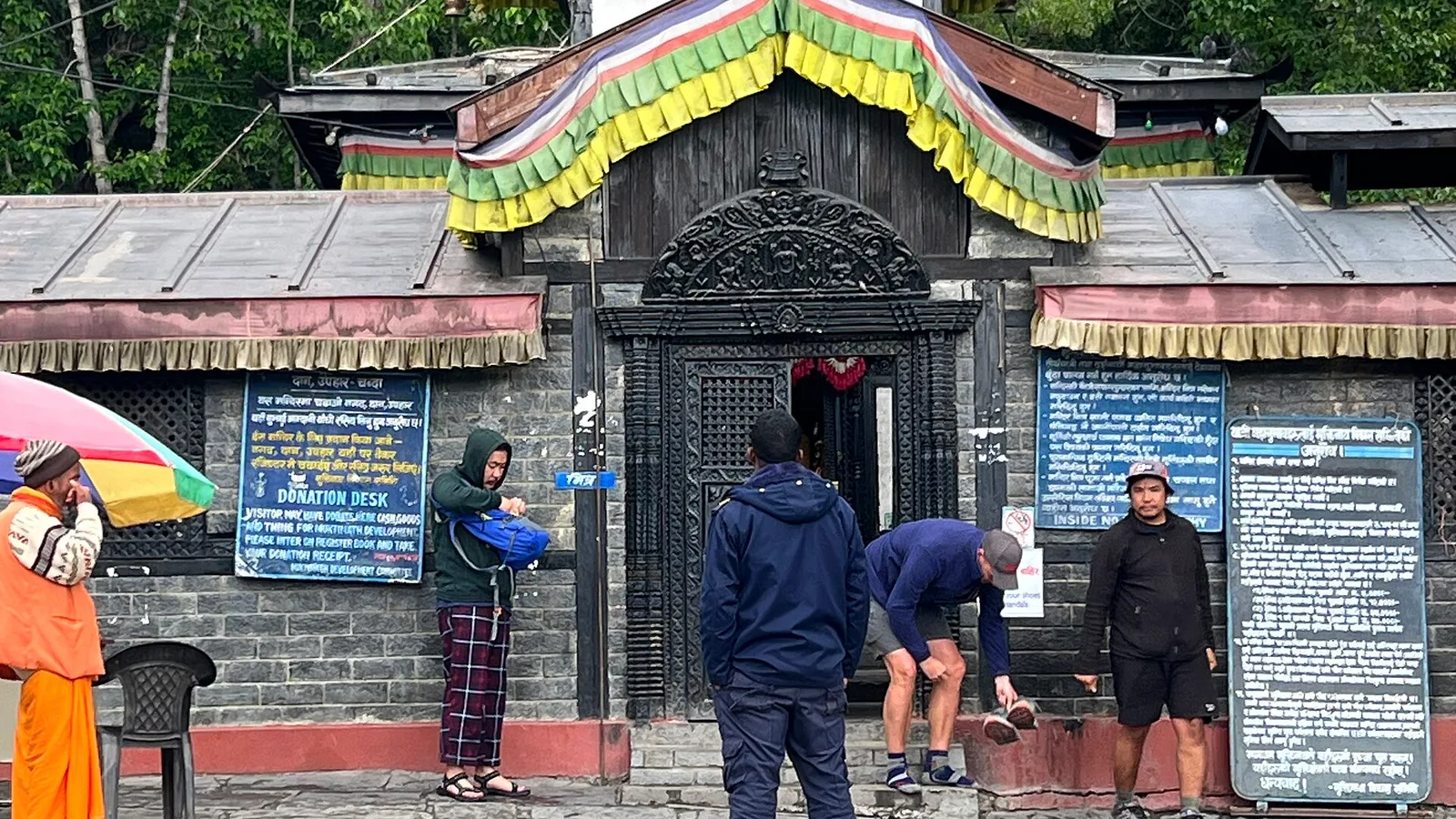
No one tends this fire. No one has to. At 3,762 metres in the high desert of Nepal's Mustang district, natural gas seeps up through cracks in the bedrock beside a mountain spring and keeps a flame burning next to running water — fire and water sitting side by side in a shrine that Hindus and Tibetan Buddhists have both quietly shared as sacred ground for centuries.
Key facts
- Elevation: 3,762 m (12,343 ft), at the foot of the Thorong La pass in Mustang
- The Jwala Mai shrine's flame is fuelled entirely by natural gas seeping through bedrock — no fuel is added or replaced
- 108 bull-faced stone spouts (Mukti Dhara) ring the temple wall; pilgrims bathe beneath each one
- Revered by Hindus as one of Nepal's four Char Dham sites and by Tibetan Buddhists as Chumig Gyatsa, 'the hundred waters'
The site is called Muktinath — 'place of liberation' — and it sits directly on the Annapurna Circuit, at the foot of the pass nearly every trekker on that route has to cross. The temple above holds a gold image considered one of Vishnu's most sacred self-manifested forms in Sri Vaishnavism; the flame shrine just below it, dedicated to Jwala Mai, holds the site's stranger claim to fame. Local tradition names three separate flames here — one said to rise from soil, one from rock, one from the spring water itself — and holds that only two of the three burn continuously, while the one rising through water is said to appear far more rarely.
| Flame | Source | Said to burn |
|---|---|---|
| From soil | Bedrock gas seep | Continuously |
| From rock | Bedrock gas seep | Continuously |
| From water | Spring water | Rarely, by tradition |
Wrapped around the main temple, 108 stone spouts shaped as bull heads pour glacial spring water into a semicircular wall — the Mukti Dhara. Pilgrims walk the full ring, standing beneath each spout in turn; most complete the circuit in 15 to 30 minutes, though many pause longer at spouts that hold particular meaning. The number 108 is not incidental: in both Hindu and Buddhist tradition it represents completeness, and bathing beneath all 108 is held to wash away 108 defilements of the mind.
What makes Muktinath unusual even among Nepal's pilgrimage sites is that it was never divided between the two religions that hold it sacred — it was, and still is, worshipped by both at once. Hindus know it as a Divya Desam and a Shakta pitha; Tibetan Buddhists call it Chumig Gyatsa and associate it with the eighth-century tantric master Padmasambhava and the bodhisattva of compassion, Avalokiteshvara. Monks and Brahmin priests have historically tended the same small complex side by side, an arrangement rare enough that Nepali scholars cite it as a working example of religious coexistence rather than a historical curiosity.
What this means for trekkers
What this means for you
Muktinath is reachable two ways: as a full pilgrimage-and-mountain circuit by crossing Thorong La from Manang, or as a short, high-altitude add-on flown or driven in from Jomsom — no glacier crossing required. Our Jomsom Muktinath Trek is built around the second route for travellers who want the shrine, the desert-canyon scenery of Upper Mustang and Kali Gandaki, and Himalayan views without the technical demands of the full pass. Trekkers already committed to the classic loop reach it naturally on our Annapurna Circuit Trek, arriving at the temple within a day of crossing Thorong La itself. Either way, expect cold: even midday temperatures at this elevation regularly sit well below what most first-time high-altitude trekkers pack for, so proper layering matters more here than almost anywhere else on the route.
Source: Wikipedia — Muktinath; Wikipedia — Thorong La.
Cover photo: Nepal Trek Adventures via Wikimedia Commons (CC BY 4.0).
计划徒步?
我们负责许可证、后勤与向导
NMA 认证的本地向导,价格透明,自 1998 年以来 5,000+ 次徒步。告诉我们你的日期,其余的交给我们。


更多「Records & People」
Records & People
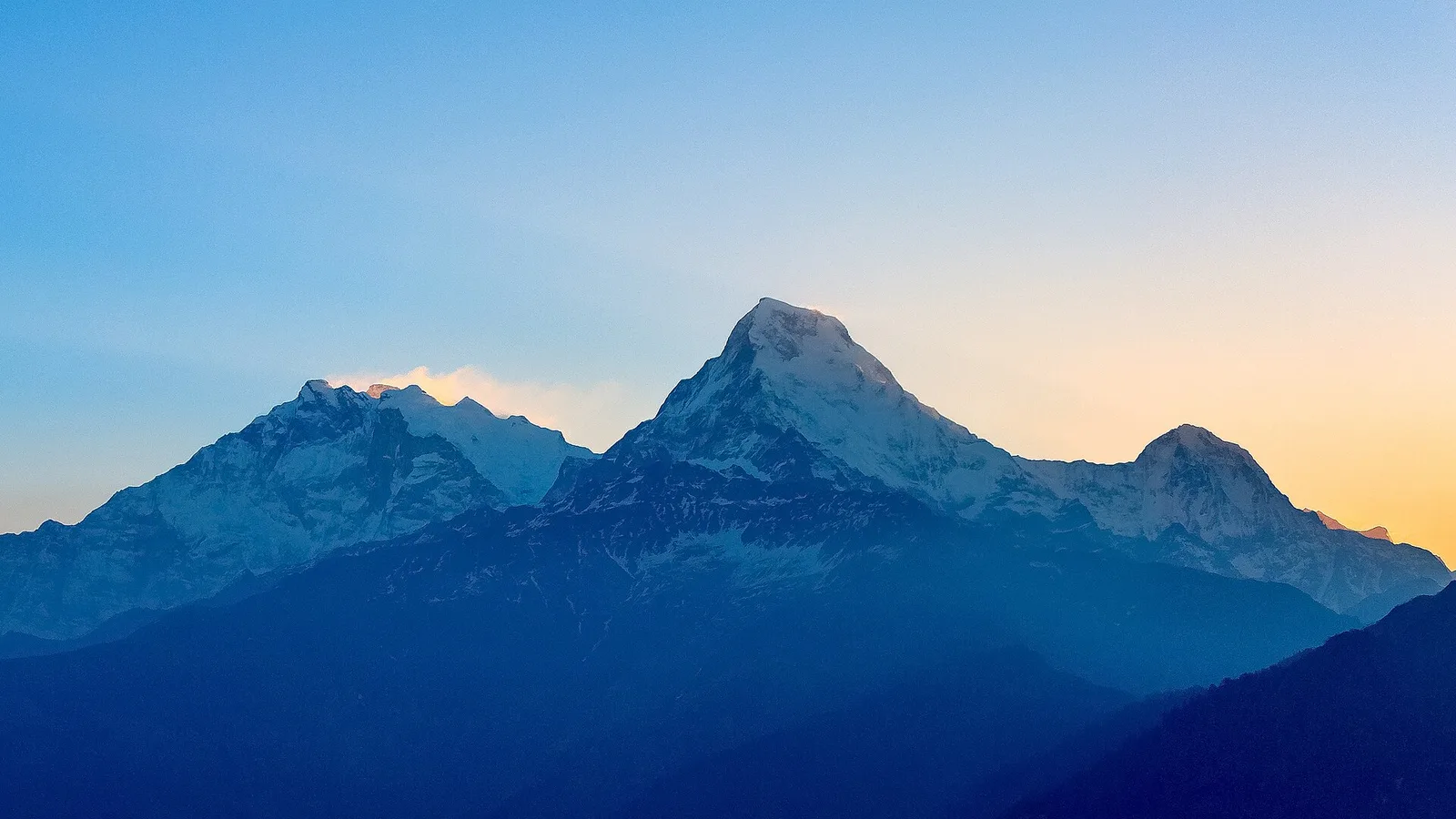
Everest Isn't the Deadliest 8,000m Mountain. Annapurna Is — and It's Not Close
Guinness World Records has certified Annapurna I as the deadliest Himalayan giant, with a death-to-summit ratio over five times Everest's. Here's the real math behind the title, and why the trek to its base camp is nothing like the climb.
Records & People
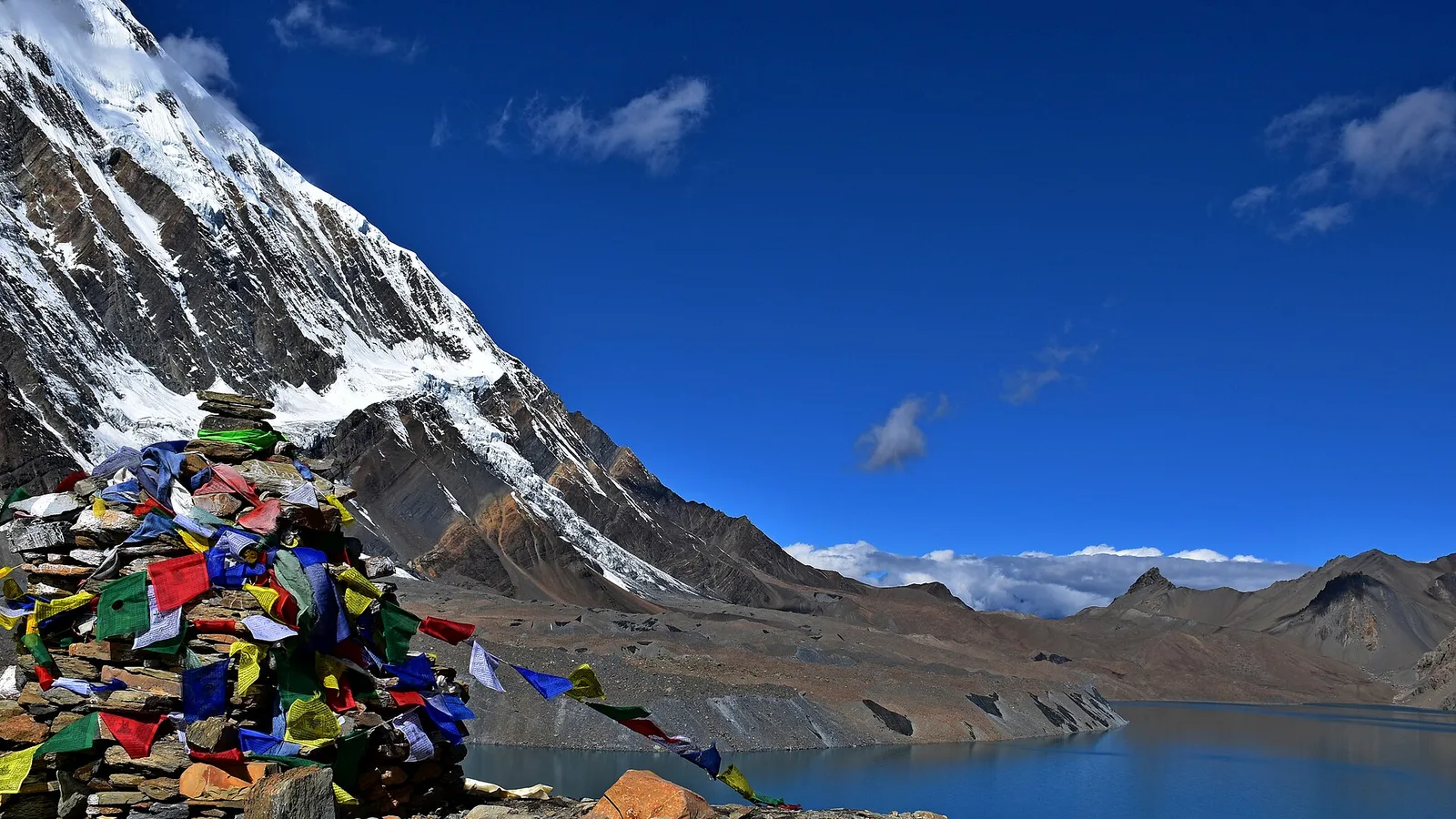
Tilicho Lake Is Called 'The World's Highest Lake.' It Isn't Even Nepal's Highest Anymore
Every trekking brochure calls Tilicho the world's highest lake. At 4,919m it's spectacular — but a Nepali lake discovered in 2019 already beats it, and the real global record sits over 1,400m higher, inside a volcano.
Records & People
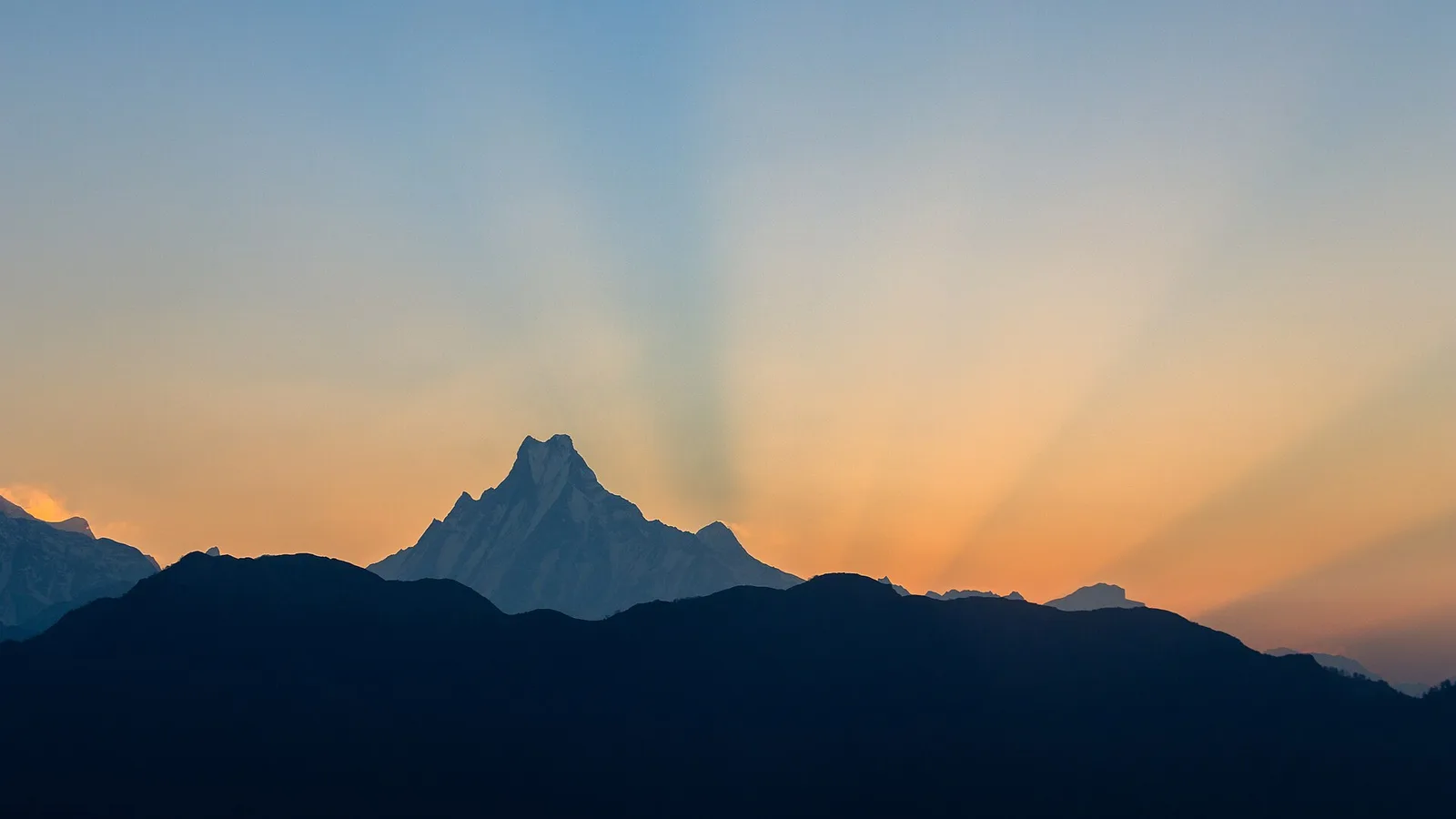
The 22,943-Foot Himalayan Peak No One Has Ever Officially Stood On
In 1957 a British team stopped 150 feet short of Machapuchare's summit and kept their word never to finish it — Nepal has banned every climber from trying since.