
There's a Flame in Nepal That Has Burned on Water for Centuries — and Hindus, Buddhists and Sikhs All Call It Holy
At 3,710 metres in Mustang, a natural-gas flame burns beside a glacial spring that has never run dry — one of the only shrines in the Himalaya shared, uncontested, by two major faiths for centuries.
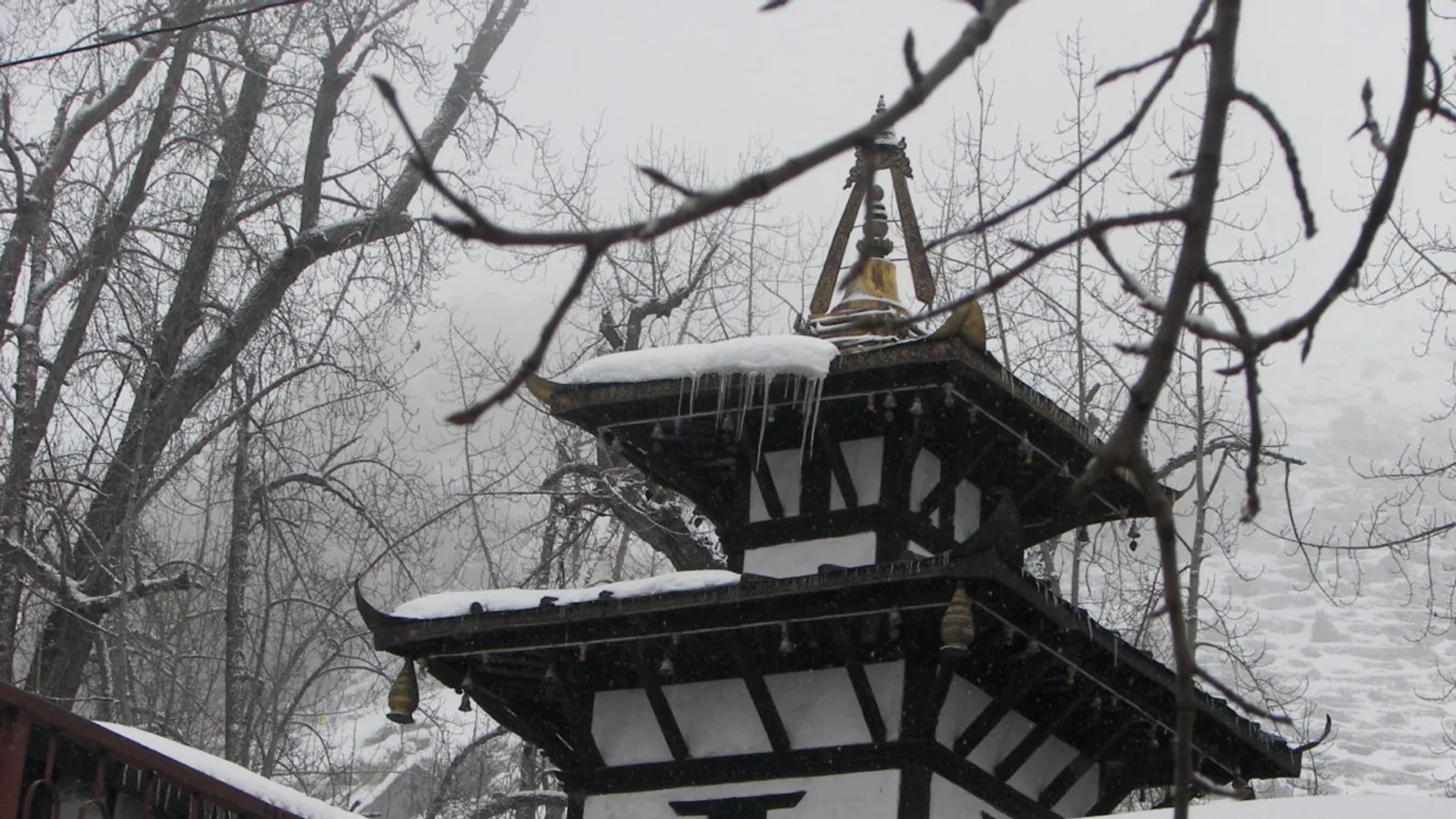
At 3,710 metres in Nepal's Mustang district, a stone shrine holds something that should not exist: a flame that has burned for generations directly beside a natural spring, fire and water sharing the same small chamber without ever putting each other out.
The shrine is Muktinath, and the flame is genuine — no trick of light, no gimmick for pilgrims. It is fed by natural gas that seeps up through fissures in the rock beneath the temple, ignites at the surface, and burns steadily next to spring water that has never stopped flowing. Hindus worship the fire as Jwala Mai, the goddess of flame. Tibetan Buddhists, who call the whole site Chumig Gyatsa — 'Hundred Waters' — regard it as one of the holiest points in the Himalaya. Sikh tradition, recorded in the janamsakhis that trace Guru Nanak's travels, numbers Muktinath among the places he is said to have walked, and Jain literature also lists it among Nepal's sacred sites.
Key facts
- Muktinath sits at 3,710m (12,172ft) in Nepal's Mustang district, just below the 5,416m Thorong La pass
- Below the main pagoda, the Jwala Mai Temple holds flames that burn continuously on natural gas seeping up through the rock
- 108 stone spouts shaped like cow heads pour glacial meltwater around the temple courtyard, known as Muktidhara
- The Sanskrit name Muktinath means 'Lord of Liberation' — pilgrims believe a visit here grants moksha, release from the cycle of rebirth
What makes Muktinath unusual isn't the flame alone — sacred fires exist elsewhere in the world — it's that this one sits beside a body of water that keeps flowing regardless. Geologists explain it plainly: the Mustang valley sits on a fault-riddled stretch of the Himalaya where methane trapped in shale beds finds its way to the surface through cracks opened by the same tectonic collision that built these mountains. Pilgrims read it differently — as proof that this particular ground holds something rare, where the elements refuse to cancel each other out.
Four traditions, one staircase
Walk the temple steps on any morning during pilgrimage season and you'll see Hindu sadhus and Tibetan Buddhist monks climbing the same stone stairs, bathing under the same 108 spouts, and lighting butter lamps in front of the same flame. It's one of the very few sites in the Himalaya where two major faiths have shared uncontested ownership of a single shrine for centuries, rather than building separate structures nearby.
| Element | What you see |
|---|---|
| Water | 108 glacial spouts (Muktidhara) |
| Fire | Continuously burning gas flames, Jwala Mai temple |
| Earth | Black Shaligram ammonite fossils, found in the nearby Kali Gandaki riverbed |
| Sky | The open Himalayan horizon above Thorong La |
| Wind | The valley's constant afternoon gusts, funnelled up the Kali Gandaki gorge |
What this means for trekkers
What this means for you
Muktinath isn't a detour that needs a separate trip — it sits directly on two of Nepal's classic routes. Trekkers crossing Thorong La on the Annapurna Circuit descend straight into it from the Manang side; trekkers flying into Jomsom reach it in a single day's walk or a short jeep ride. Either way you'll need an Annapurna Conservation Area Permit (ACAP); the shrine itself has no separate entry fee.
The clearest months to see the temple without a monsoon washout or a snowbound pass are March–May and September–November, the same windows that make the wider Annapurna region trekkable. Because the site sits above 3,700m, guides recommend acclimatising in Manang or Jomsom rather than pushing straight through, particularly if you arrive by the short Jomsom flight instead of walking up gradually.
Our Jomsom–Muktinath trek is built specifically around the shrine and the surrounding Mustang desert landscape; trekkers on the longer Annapurna Circuit pass through it naturally on the descent from Thorong La. Full permit requirements for the region are in our ACAP and TIMS guide.
Source: Sacred Sites — World Pilgrimage Guide, Muktinath Temple
Cover photo: Ankitrimal via Wikimedia Commons (CC BY-SA 3.0).
来源: Sacred Sites — World Pilgrimage Guide
计划徒步?
我们负责许可证、后勤与向导
NMA 认证的本地向导,价格透明,自 1998 年以来 5,000+ 次徒步。告诉我们你的日期,其余的交给我们。


更多「Records & People」
Records & People
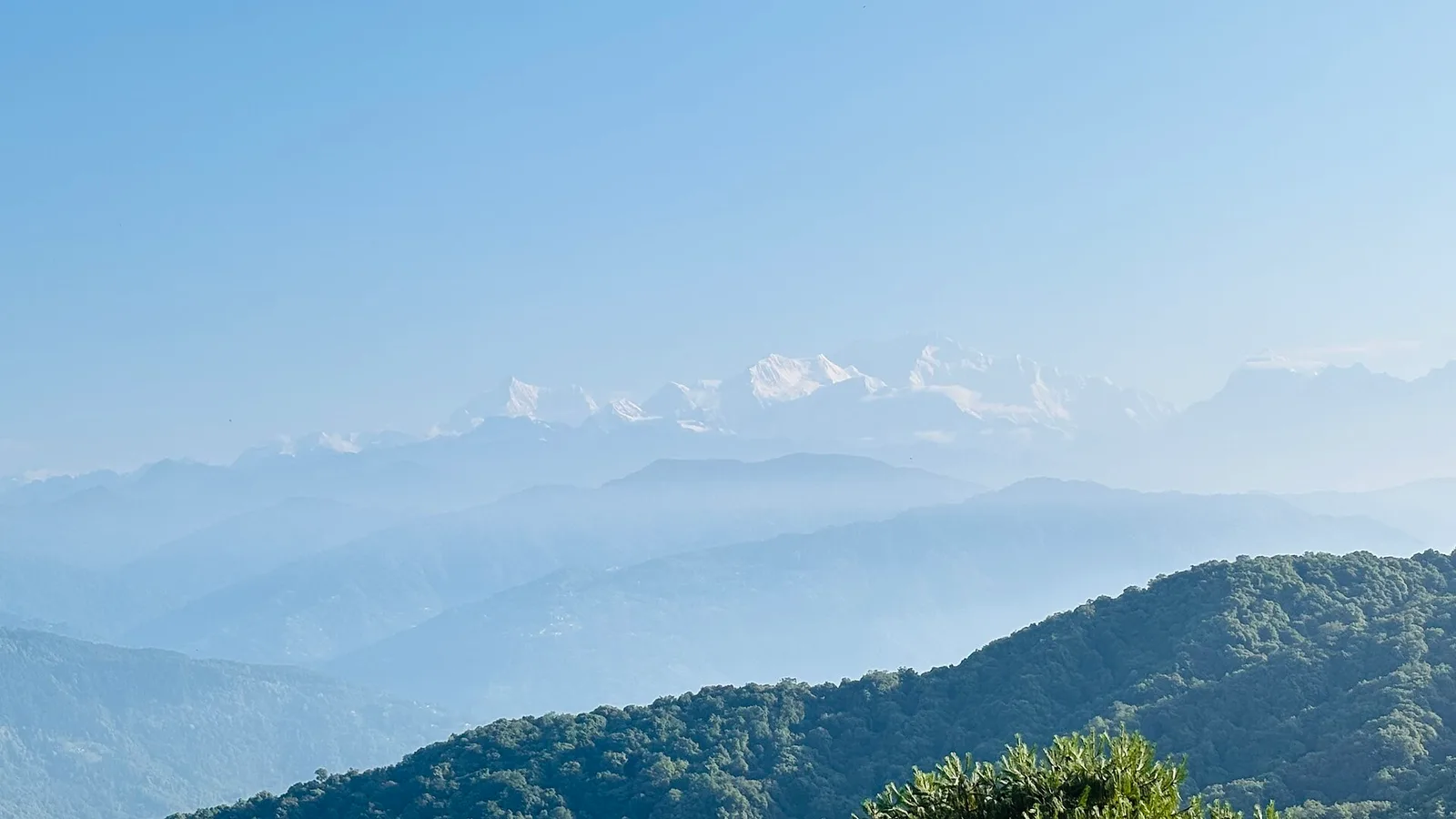
The World's Third-Highest Mountain Has, Technically, Never Been Summited
For nearly 70 years, every climber who has reached Kanchenjunga has stopped a few feet short of the true top — a promise kept out of respect for a sacred mountain.
Records & People
Nepal Just Proposed Renaming Annapurna. Here's Why — and Why It Isn't That Simple
Weeks after Nirmal 'Nimsdai' Purja died on Broad Peak, his home municipality wants to rename the world's deadliest 8,000m peak in his honour — a plan that still needs Kathmandu's sign-off and a French family's blessing.
Records & People
He Climbed Everest Four Times in 15 Days — Guinness Just Made It Official
Rope-fixing, a solo push, a client summit, then solo again: Nepali guide Tashi Gyalzen Sherpa's four ascents in May 2025 are now the certified record for the most Everest summits in a single season.