
Nepal Just Named a 2-Year-Old a Living Goddess — She Can't Touch the Ground Until She Retires
Aryatara Shakya was enthroned as Kathmandu's Royal Kumari in 2025, the latest in a 17th-century tradition of worshipping a toddler as a living deity.
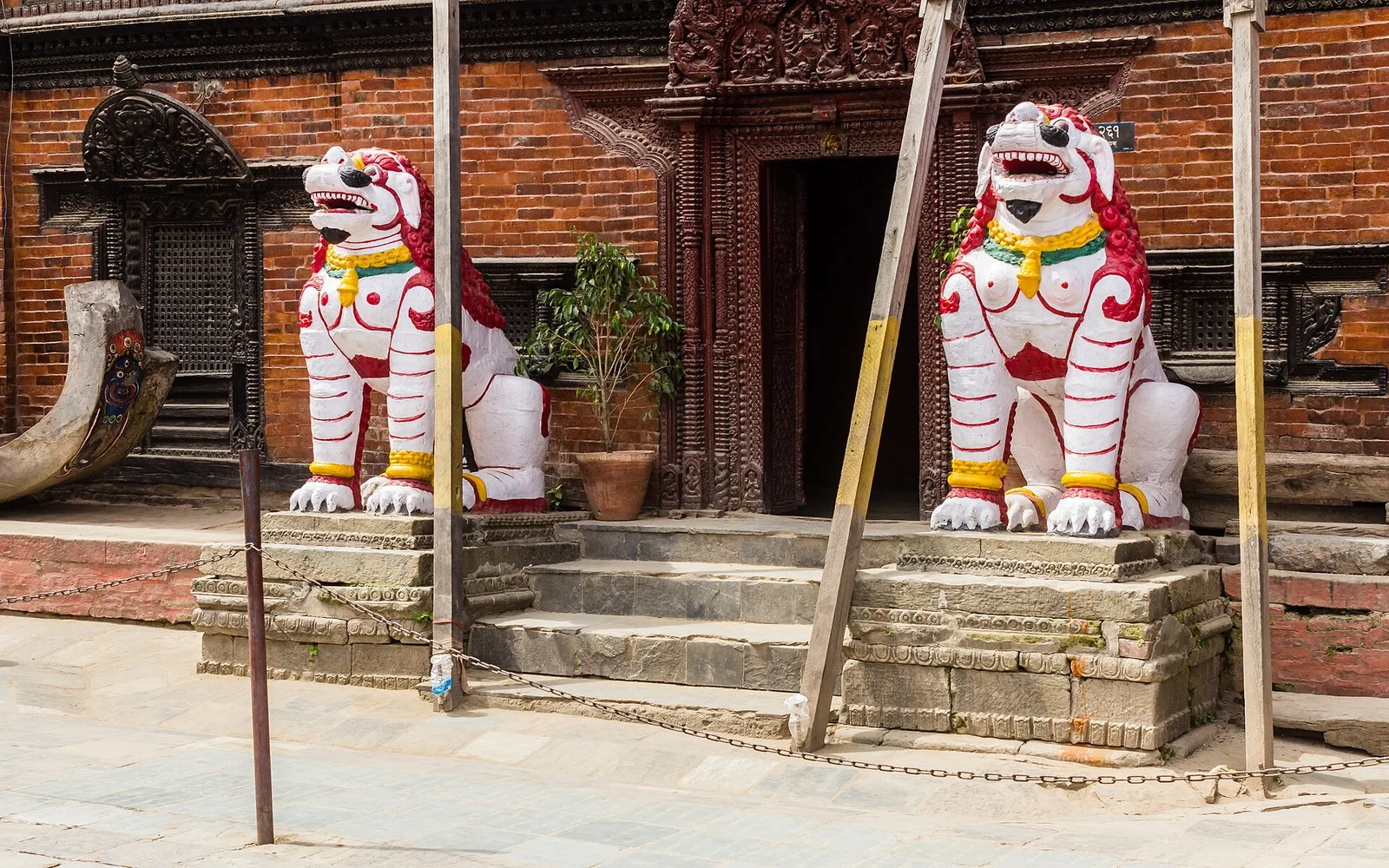
In Kathmandu's Durbar Square, past the carved wooden windows of a three-storey temple-palace, lives a girl who is, by Nepal's own religious and legal reckoning, a living goddess. In September 2025 she was two and a half years old.
Key facts
- Aryatara Shakya was enthroned as the Royal Kumari of Kathmandu on 30 September 2025, aged two and a half
- She succeeded Trishna Shakya, who had served since 2017 and retired at age 11
- The tradition dates to the 17th-century Malla dynasty and is unique to Nepal
- Former Kumaris receive a government pension of NPR 10,000 (about $75) a month, for life
The Kumari is chosen from the Shakya clan of Kathmandu's Newar Buddhist community, and worshipped by both Hindus and Buddhists as the living incarnation of the goddess Taleju. For Aryatara's enthronement, the Shakya Mahavihar Association solicited nominations from 15 monastic courtyards in the Itumbahal neighbourhood; a selection panel working with the Guthi Sansthan (the state body that administers religious trusts) and the Panchang astrological committee narrowed the field before she was carried into the Kumari Ghar, the 'House of the Living Goddess,' in a ceremony timed to the minute — she assumed the role in an eleven-minute window between 12:05pm and 12:16pm.
Historically, the selection tests were far stranger than a paperwork process: candidates were checked against 32 physical 'perfections' — the texture of their skin, the shape of their teeth, even the sound of their voice — and, in the most famous test, made to spend a night alone among the severed heads of ritually sacrificed buffalo and goats to see if she showed fear. A girl who wept or flinched failed. One who sat calm was closer to the throne.
The Malla kings of the Kathmandu Valley establish the living-goddess tradition; the Kumari Ghar is later built beside the royal palace.
The monarchy that once knelt before the Kumari for blessing is abolished — the tradition continues under state administration instead.
At around three years old, she becomes the Royal Kumari of Kathmandu.
Trishna retires at 11; two-and-a-half-year-old Aryatara is enthroned in her place.
While she holds the role, a Kumari lives inside the Kumari Ghar, is dressed daily in red and gold with a painted third eye on her forehead, and — in the strictest reading of the tradition — does not touch the ground outside her own home; when she leaves for a festival procession, she is carried or wheeled. Older accounts describe Kumaris kept entirely out of formal school. That has changed: today's Kumaris are given a private tutor inside the palace, with internet access, books and magazines, and sit national exams under supervision rather than at a public school desk.
What this means for the traveller
The takeaway
You can visit the Kumari Ghar in person — it's one of the most photographed buildings in Kathmandu's Durbar Square, a UNESCO World Heritage Site, and on the right afternoon the current Kumari appears briefly at an upper window (photographing her directly is discouraged, out of respect). She also makes rare public processions during the Indra Jatra festival each September, carried through the old city on a wheeled chariot as thousands watch.
The role ends the moment a Kumari reaches puberty — by tradition, her first period is treated as proof the goddess has left her body — and she returns to an ordinary life, no longer worshipped, with a monthly government pension and, for the first time, a normal childhood ahead of her. Trishna Shakya's own farewell in September 2025 was marked with ceremonial music before Aryatara took her place days later. By most accounts it is a difficult transition: after years of being carried everywhere and addressed as a deity, former Kumaris describe having to relearn how to simply walk down a street.
Kathmandu Durbar Square, home to the Kumari Ghar, sits at the centre of every one of our Kathmandu Valley itineraries — see it on our Kathmandu Valley Cultural Tour or as a stop on the Nepal Classic Tour before you head into the mountains. For more of the valley's living traditions, read our report on Nepal's hidden wonders.
Source: OnlineKhabar
Cover photo: Bijay chaurasia via Wikimedia Commons (CC BY-SA 4.0).
来源: OnlineKhabar
计划徒步?
我们负责许可证、后勤与向导
NMA 认证的本地向导,价格透明,自 1998 年以来 5,000+ 次徒步。告诉我们你的日期,其余的交给我们。


更多「Records & People」
Records & People
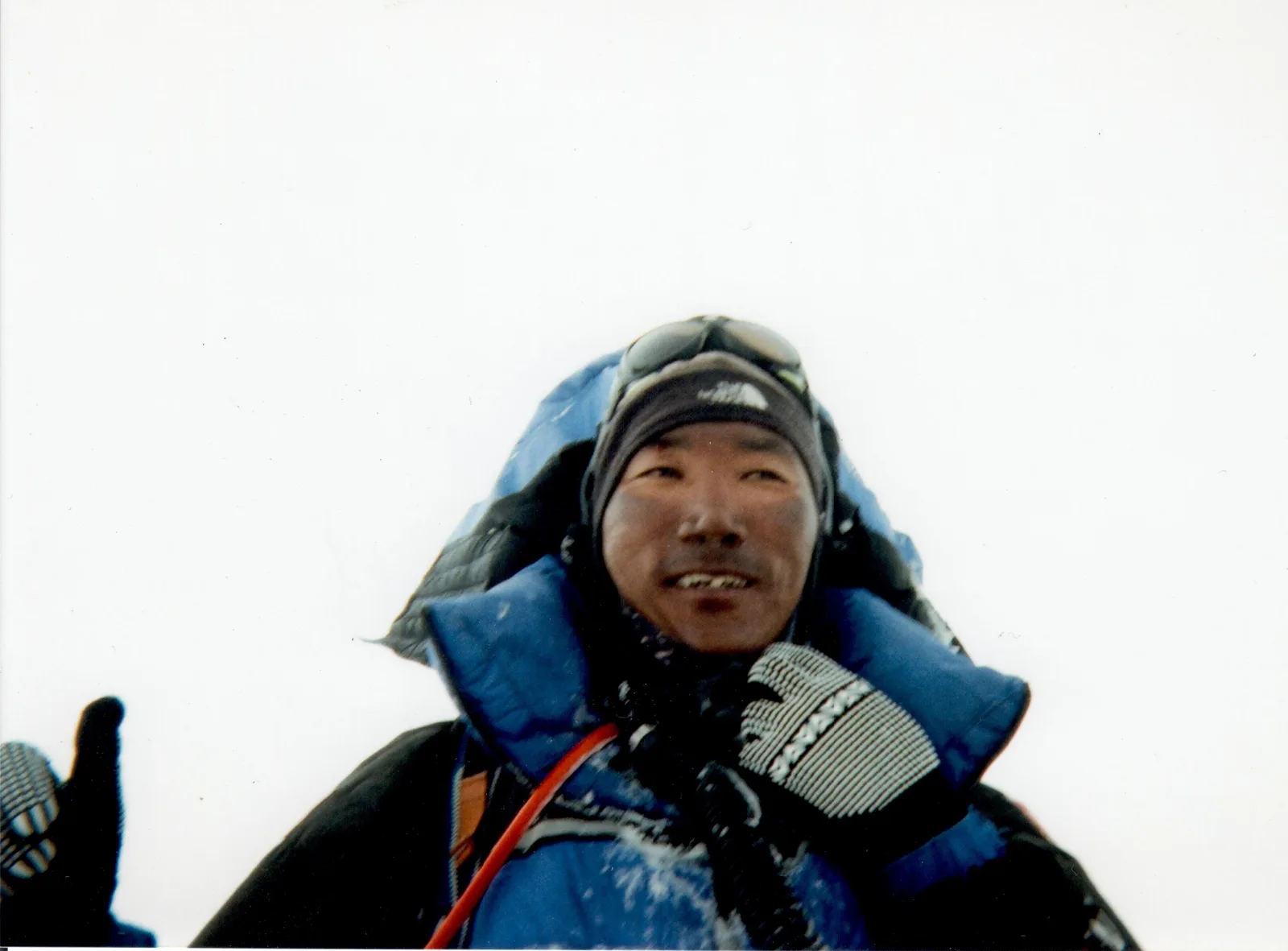
He's Climbed Everest 32 Times — More Than Anyone Alive, and No One Else Is Within Two
Kami Rita Sherpa set the record again on 17 May 2026, extending a world record he has now owned for eight straight years.
Records & People
The Man the World's Tallest Mountain Is Named After Never Once Saw It
Everest was measured by an Indian mathematician the British empire barely credited, named after a surveyor who begged them not to, and didn't get its Nepali name until a historian rediscovered it in 1939.
Records & People
Sherpas Carry a Gene From an Extinct Human Species That Lets Them Breathe Where Others Suffocate
The reason your Sherpa guide isn't gasping at 5,000 metres traces back tens of thousands of years to interbreeding with the Denisovans, an extinct human relative known only from a Siberian cave.