
He Climbed 14 of the World's Highest Peaks in 189 Days. A Mountain He'd Summited Before Just Killed Nirmal Purja
The Nepali-British soldier turned mountaineer shattered a record nobody thought was humanly possible, then died in an avalanche on Pakistan's Broad Peak alongside nine fellow climbers from five countries.
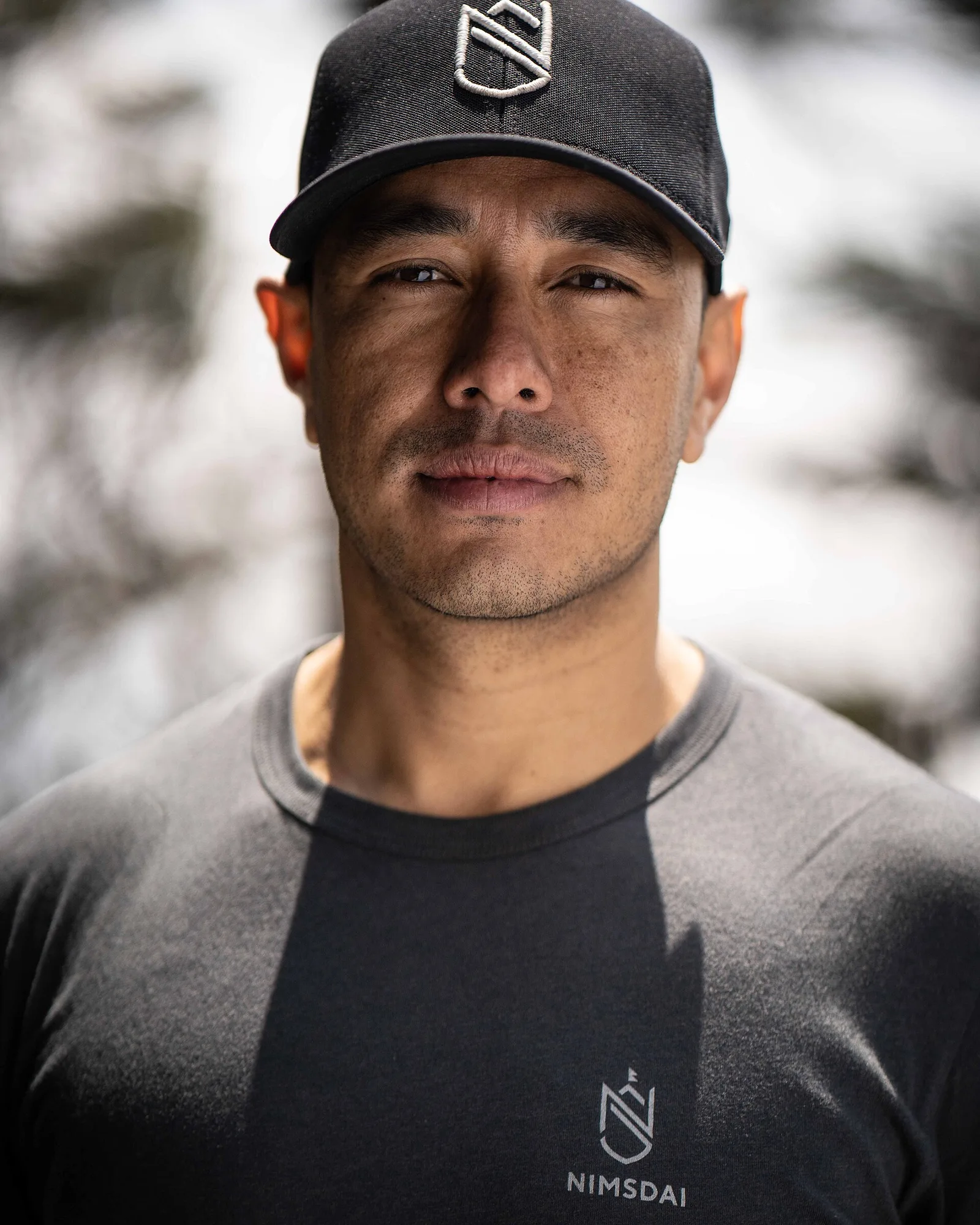
Key facts
- Nirmal Purja, 43, died in an avalanche on Broad Peak (8,051m) in Pakistan's Karakoram range on 30 July 2026.
- He was one of 10 climbers killed, from five countries: Nepal, Pakistan, Oman, the United States and China.
- In 2019 he climbed all 14 of the world's 8,000-metre peaks in 189 days — a record that had stood at nearly eight years.
- A former British Army Gurkha and Special Boat Service soldier, he was the first Nepali admitted into UK special forces.
Ask any mountain guide in Nepal where the phrase “nothing is impossible” came from, and most will say the same name: Nirmal Purja. On 30 July 2026, Purja — 43, known across the trekking world simply as Nims Dai — was killed in an avalanche on Broad Peak, the world's 12th-highest mountain, on the Pakistan side of the Karakoram range. He was one of ten climbers swept away that day. Seven bodies, including his, had been recovered within days of the search; teams continued looking for the final three.
We at Travel Himalaya Nepal never guided him personally, but every guide on our roster grew up in his shadow. He was born in 1983 in Dana, a village in Myagdi district that many of our Annapurna-region guides know well — a reminder that the man who redrew the limits of human endurance came from the same hill villages our own trekking crews call home.
The record nobody thought was possible
Purja spent 16 years in the British Army, first as a Gurkha rifleman, then as the first Nepali ever accepted into the elite Special Boat Service. In 2019 he left the military to attempt something climbers had called reckless: summiting all fourteen of the world's 8,000-metre peaks — Everest, K2, Kanchenjunga and eleven others — not over a career, but in a single climbing season. He called the project Project Possible. He finished in 189 days, smashing a record that had stood at just under eight years, and picked up six more world records along the way. Only around 40 people in history have climbed all fourteen 8,000ers at all; Purja did it faster than anyone believed a human body could recover between ascents.
What set Purja apart from most speed climbers was that he kept stopping to save other people's lives. During the Project Possible season he broke off his own summit push on Annapurna to rescue Malaysian climber Chin Wui Kin, and gave up his own oxygen reserves to help three exhausted climbers descend Kanchenjunga. That combination — soldier's fitness, a Sherpa-and-Gurung support network, and a willingness to turn back for a stranger — is what made him a hero inside Nepal's guiding community, not just a headline abroad.
A hill village in Nepal's Annapurna region.
For services to the UK military and mountaineering.
Climbs all 14 of the world's 8,000m peaks in 189 days.
Netflix's “14 Peaks: Nothing Is Impossible” brings his story to a worldwide audience.
Killed on 30 July, alongside nine fellow climbers.
Who else was lost on Broad Peak
The avalanche hit around midday, high on Broad Peak's upper slopes, and the ten climbers it killed came from five countries — a reminder of how international a serious Karakoram expedition really is.
| Name | Nationality |
|---|---|
| Nirmal Purja | Nepali-British |
| Nima Sherpa | Nepali |
| Kili Pemba Sherpa | Nepali |
| Pur Bahadur Gurung | Nepali |
| Nadhira Al Harthy | Omani |
| Mallory Geis | American |
| Wang Zhong | Chinese |
| Sohail Sakhi | Pakistani (guide, among the missing) |
Nadhira Al Harthy, part of the same expedition, had become the first Omani woman to summit Everest only weeks earlier. Nepal's prime minister said the climbers' “courage, dedication and contributions would remain an inspiration.”
What this means for trekkers
What this means for you
Broad Peak is an 8,000m expedition peak, nothing like the trekking and guided climbing we run out of Pokhara — but the accident is still a sobering reminder of what altitude and avalanche terrain can do even to the most experienced person alive. If a trip includes glaciated terrain or a real summit push, go with NMA-certified guides who check the daily avalanche and weather bulletin before every move, and make sure your insurance explicitly covers high-altitude rescue — not just trekking. That is exactly the gap that leaves families with an unpayable helicopter bill after something goes wrong.
Purja's own career is proof the mountains reward preparation and punish overconfidence in equal measure — he survived a decade in the death zone by knowing exactly when to turn back for someone else, and was lost on a peak he had summited before. For trekkers dreaming of graduating from base-camp treks to their first real summit, our Island Peak and Mera Peak climbs, or the fuller Nepal Three Peaks Expedition, are built around exactly that discipline — trained NMA guides, conservative turnaround times, and acclimatisation schedules that are never rushed. If you're weighing how much real danger a Himalayan trek carries before committing to one, our reporting on what the medical data says about the Everest Base Camp trek is a good place to start.
Source: The Kathmandu Post.
Cover photo: Iamthanes via Wikimedia Commons (CC BY-SA 4.0).
计划徒步?
我们负责许可证、后勤与向导
NMA 认证的本地向导,价格透明,自 1998 年以来 5,000+ 次徒步。告诉我们你的日期,其余的交给我们。


更多「Records & People」
Records & People
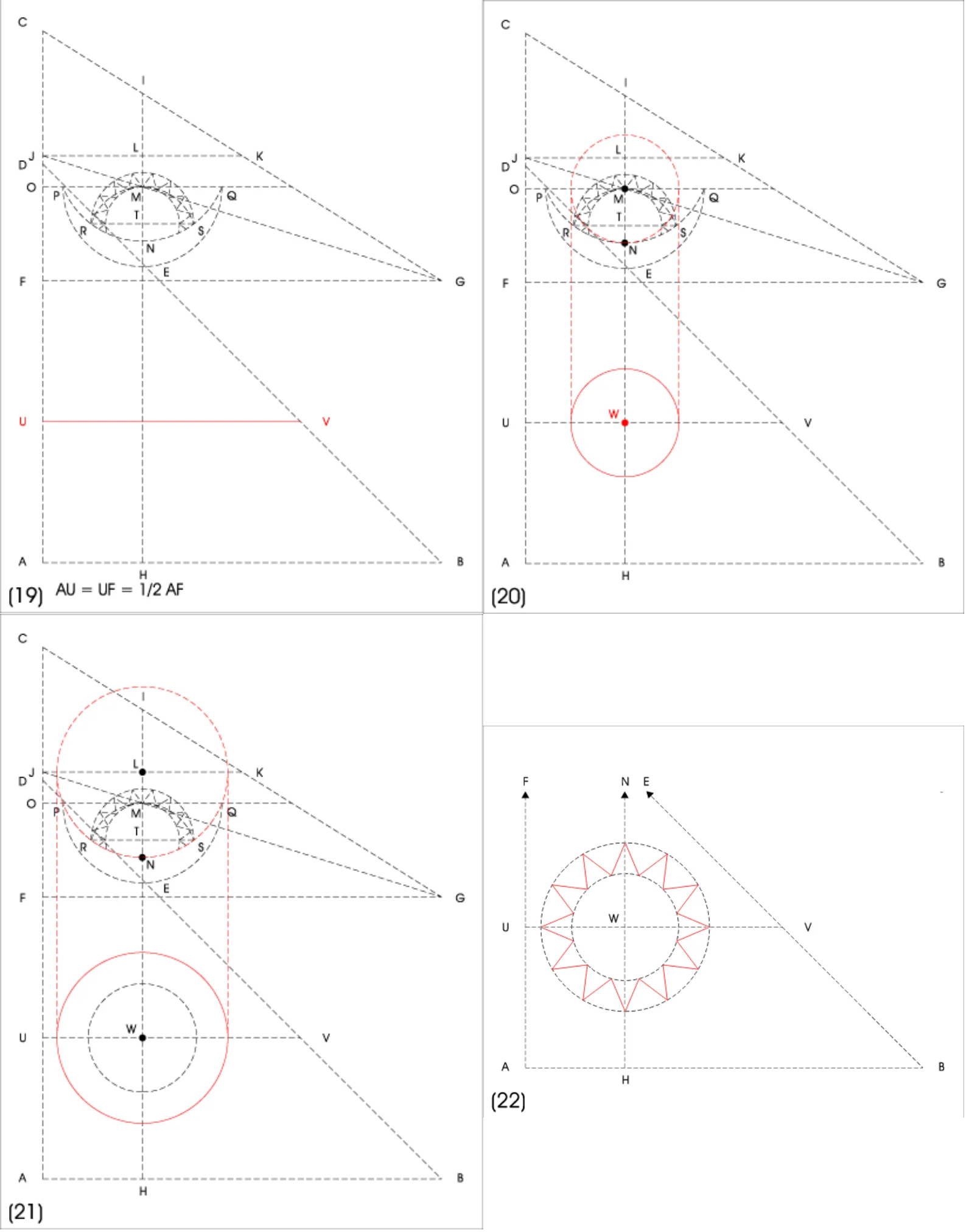
Nepal Has the World's Only Non-Rectangular Flag — and the Reason Is Written in Its Geometry
Every other nation on Earth flies a rectangle. Nepal's flag is built from two overlapping pennants defined by a constitutional geometry lesson, not a length-to-width ratio — and it once forced the Olympics to make an exception.
Records & People
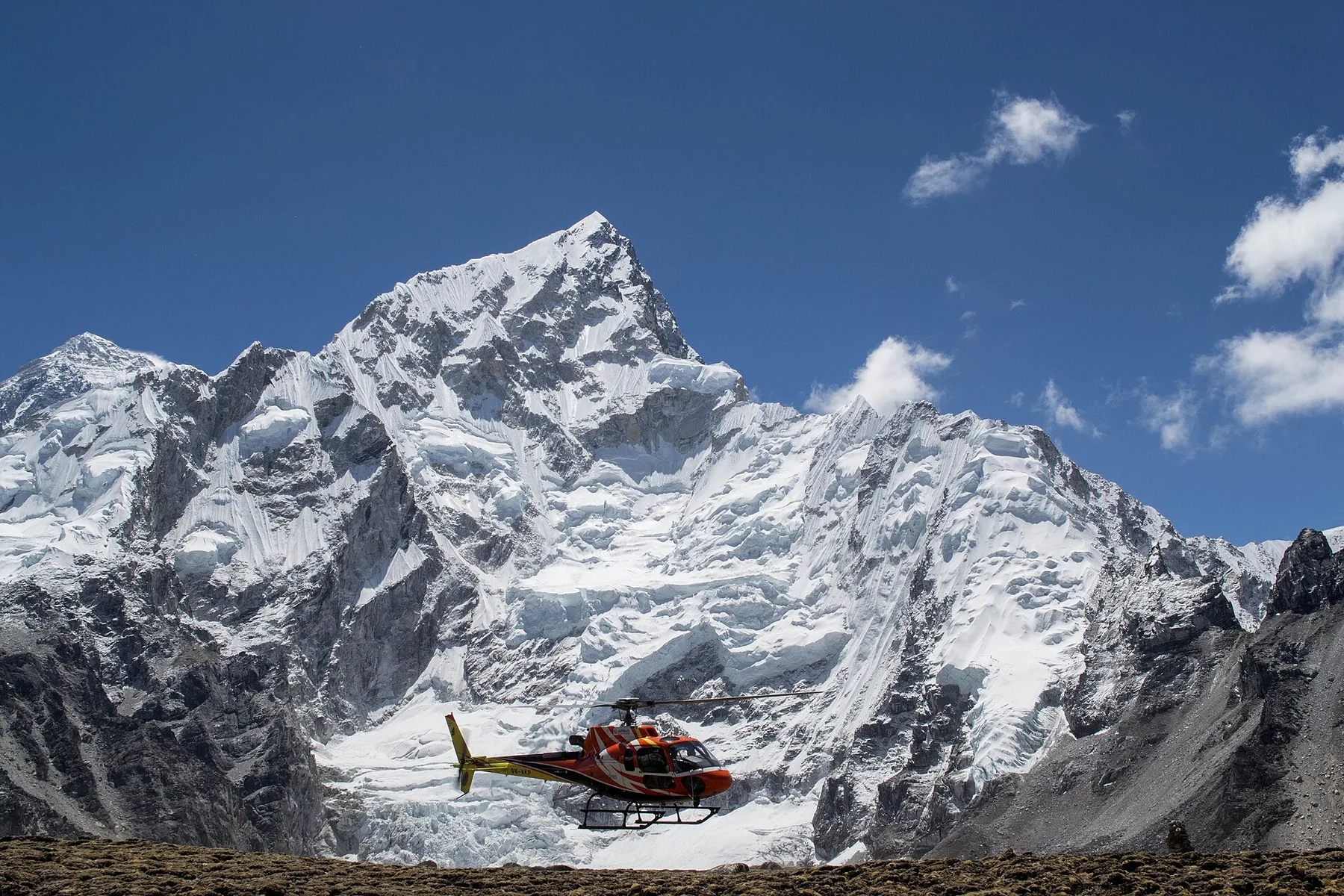
Nepal's First Female Helicopter Long-Line Rescuer Also Holds the Women's Everest Speed Record — Meet Phunjo Jhangmu Lama
Phunjo Jhangmu Lama is Nepal's first woman qualified to fly high-altitude long-line helicopter rescues, and in May 2024 she climbed Everest from Base Camp to summit in 14 hours 31 minutes — the fastest ascent by any woman.
Records & People
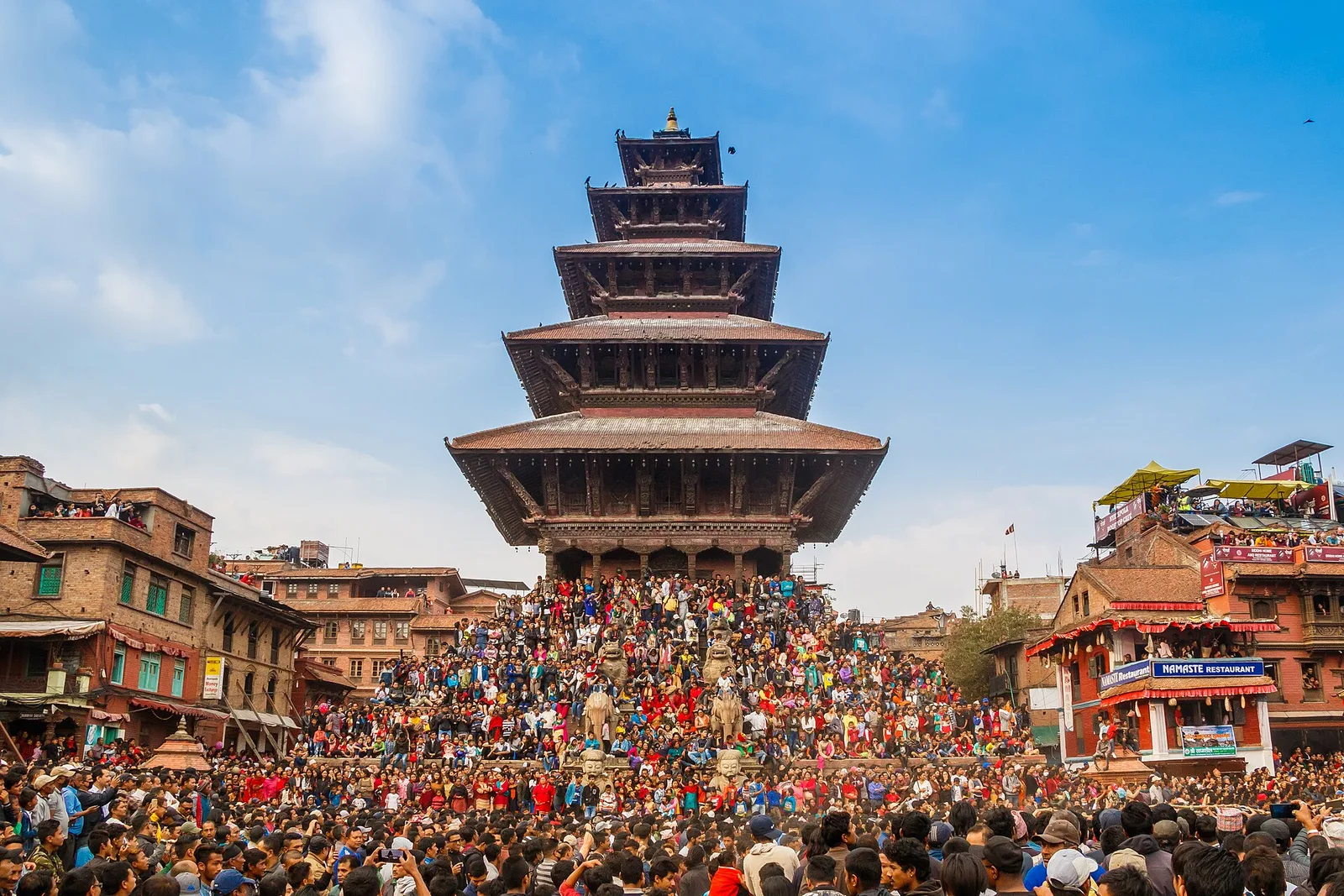
At 17, a Nepali Teenager Led 80 Artists Into Tibet. He Designed the White Pagoda Beijing Still Protects 700 Years Later
Long before Nepal became a bucket-list trekking destination, one Kathmandu Valley teenager designed a monument so revered that a Chinese premier personally ordered it saved from the Cultural Revolution.