
Nepal Has the World's Only Non-Rectangular Flag — and the Reason Is Written in Its Geometry
Every other nation on Earth flies a rectangle. Nepal's flag is built from two overlapping pennants defined by a constitutional geometry lesson, not a length-to-width ratio — and it once forced the Olympics to make an exception.
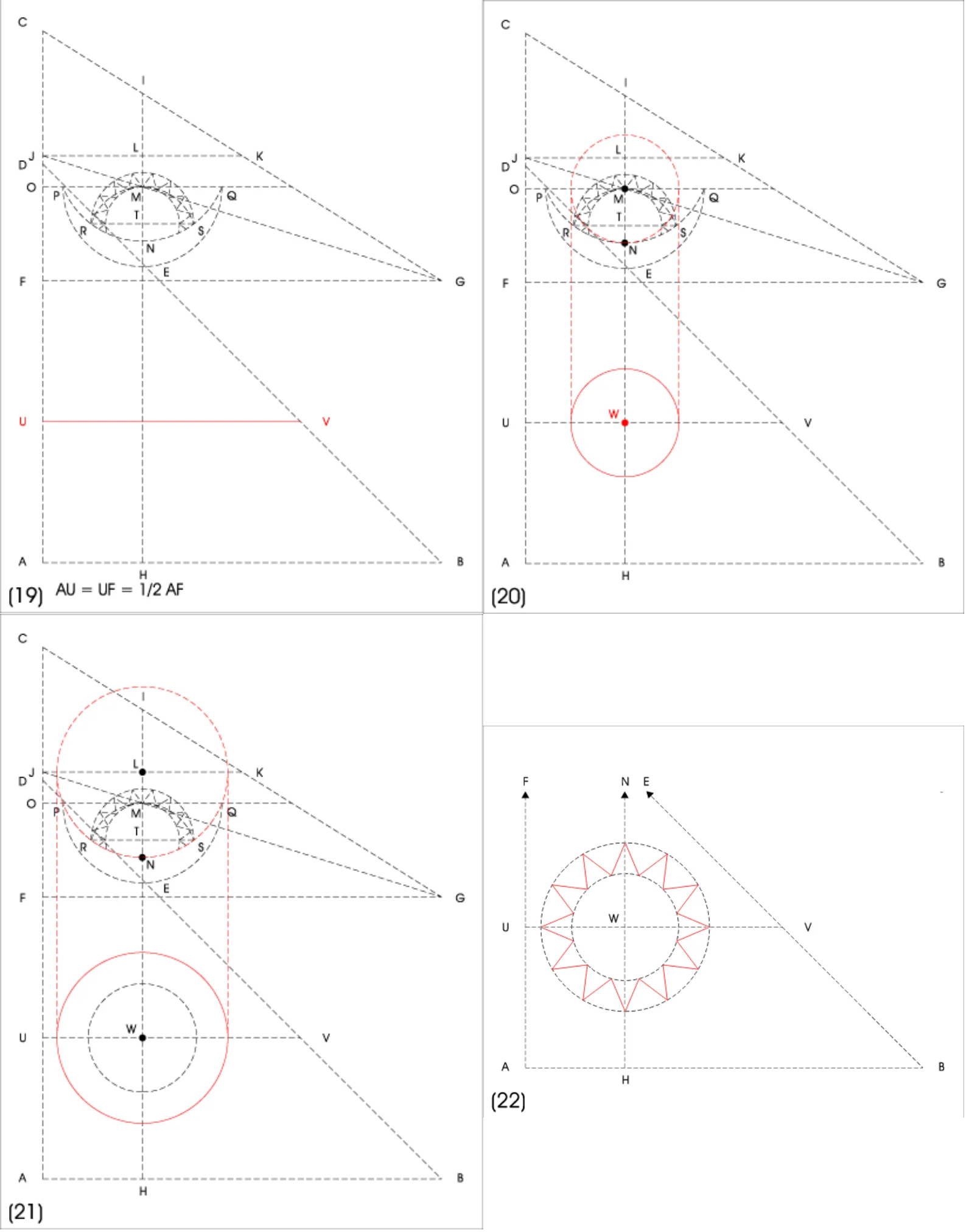
Look at the flags of all 195 sovereign nations recognised at the United Nations and you will find exactly one that refuses to be a rectangle. Nepal's national flag is built from two overlapping pennants, stacked triangle on triangle, and its exact shape is not chosen but calculated — laid out in the country's constitution as a sequence of lines, angles and arcs rather than a simple length-to-width ratio.
Key facts
- Nepal's flag is the world's only non-rectangular national flag, and the only one taller than it is wide
- Adopted in its current form on 16 December 1962, alongside a new constitution
- Its aspect ratio is an irrational number — approximately 1:1.21901033 — derived from geometric construction, not a fixed fraction
- The sun carries 12 rays; the moon shows 8 of its 16 rays beneath a crescent
The two-pennant shape is not decorative. It descends from real 19th and 20th-century pennons flown by rival branches of the ruling dynasty — one linked to the old Gorkha kingdom's royal house, the other to the Rana family that held the office of prime minister for roughly a century. Nepal's constitution still specifies the flag geometrically: draw the border, mark the radius, strike the arcs for the sun and the crescent moon, and the shape appears as a by-product of the construction rather than something drawn freehand. That is also why no printed ratio like 2:3 or 1:2 will ever quite capture it — the true proportion is irrational, closer to 1:1.21901033 than any clean fraction.
The irrational ratio creates a real headache for flag makers outside Nepal: mass-produced versions approximate the curves and angles by eye, and it is common to see the sun or moon drawn slightly off. The government's own technical drawing, reproduced in the constitution's schedule, remains the only fully authoritative version.
What the sun and moon are doing there
Crimson red, the field colour, is also the colour of Nepal's national flower, the rhododendron that blazes across the mid-hills every spring, and is read locally as a colour of courage. The blue border stands for peace. Above, the moon's eight visible points represent the cool, contemplative character of the Himalayan north; below, the sun's twelve rays represent the heat and effort of the southern lowlands. Together they carry an old wish, still quoted by Nepali schoolchildren: that the nation should last as long as the sun and the moon endure.
The Gorkha royal house and the Rana prime ministers each fly their own single pennon for generations.
A new constitution fixes the overlapping double pennant as the single national flag, with faceless sun and moon symbols.
Tokyo 2020 protocol writes Nepal in as the only nation whose flag is measured by height rather than width, so it can sit level with every rectangle beside it.
Of 195 UN-recognised national flags, Nepal remains the sole non-rectangular state and civil flag on Earth.
What this means for trekkers
First-timers on the trail almost always mix up two very different pieces of cloth. The strings of blue, white, red, green and yellow squares fluttering over a pass are Tibetan Buddhist prayer flags — devotional, not national. Nepal's actual flag, crimson with the sun and moon, flies over government posts, checkpoints and lodges from Kathmandu's Durbar Squares to Everest Base Camp itself, where summiteers have planted it since 1953. Once you know the shape, you will not mistake it again.
You will see the flag at its most striking in Kathmandu's Durbar Squares, flying above temple spires that predate the flag itself by centuries, and at the checkpoints marking the start of almost every trekking route in the country. Trekkers heading up toward Everest Base Camp pass beneath it at every army and police post on the trail — a small, everyday reminder that the mountain and the flag both climbed into the record books from the same small country.
Source: Flag of Nepal, cross-checked against the 1962 constitutional flag specification.
Cover photo: Tranhoangnam4320 via Wikimedia Commons (CC0).
计划徒步?
我们负责许可证、后勤与向导
NMA 认证的本地向导,价格透明,自 1998 年以来 5,000+ 次徒步。告诉我们你的日期,其余的交给我们。


更多「Records & People」
Records & People
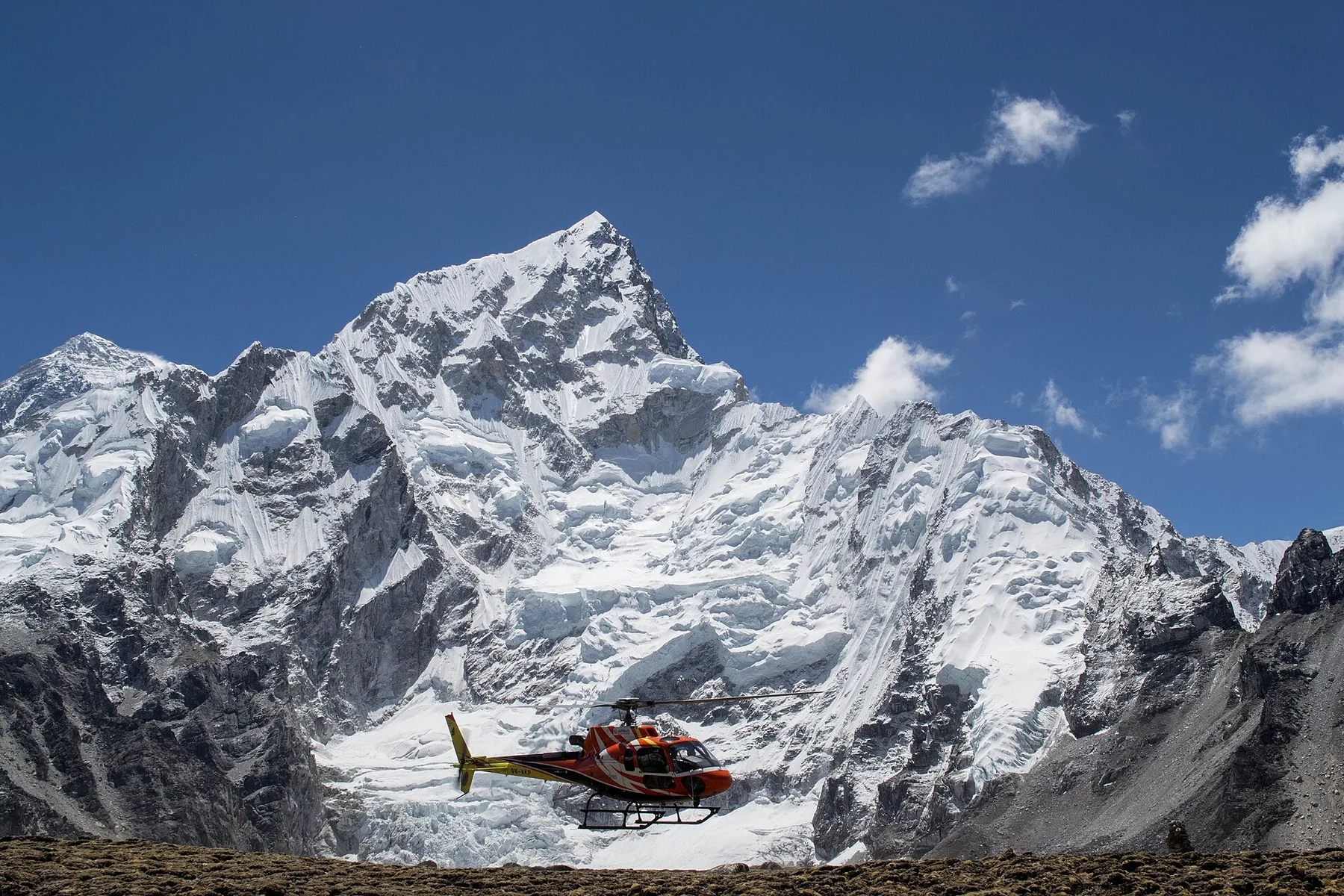
Nepal's First Female Helicopter Long-Line Rescuer Also Holds the Women's Everest Speed Record — Meet Phunjo Jhangmu Lama
Phunjo Jhangmu Lama is Nepal's first woman qualified to fly high-altitude long-line helicopter rescues, and in May 2024 she climbed Everest from Base Camp to summit in 14 hours 31 minutes — the fastest ascent by any woman.
Records & People
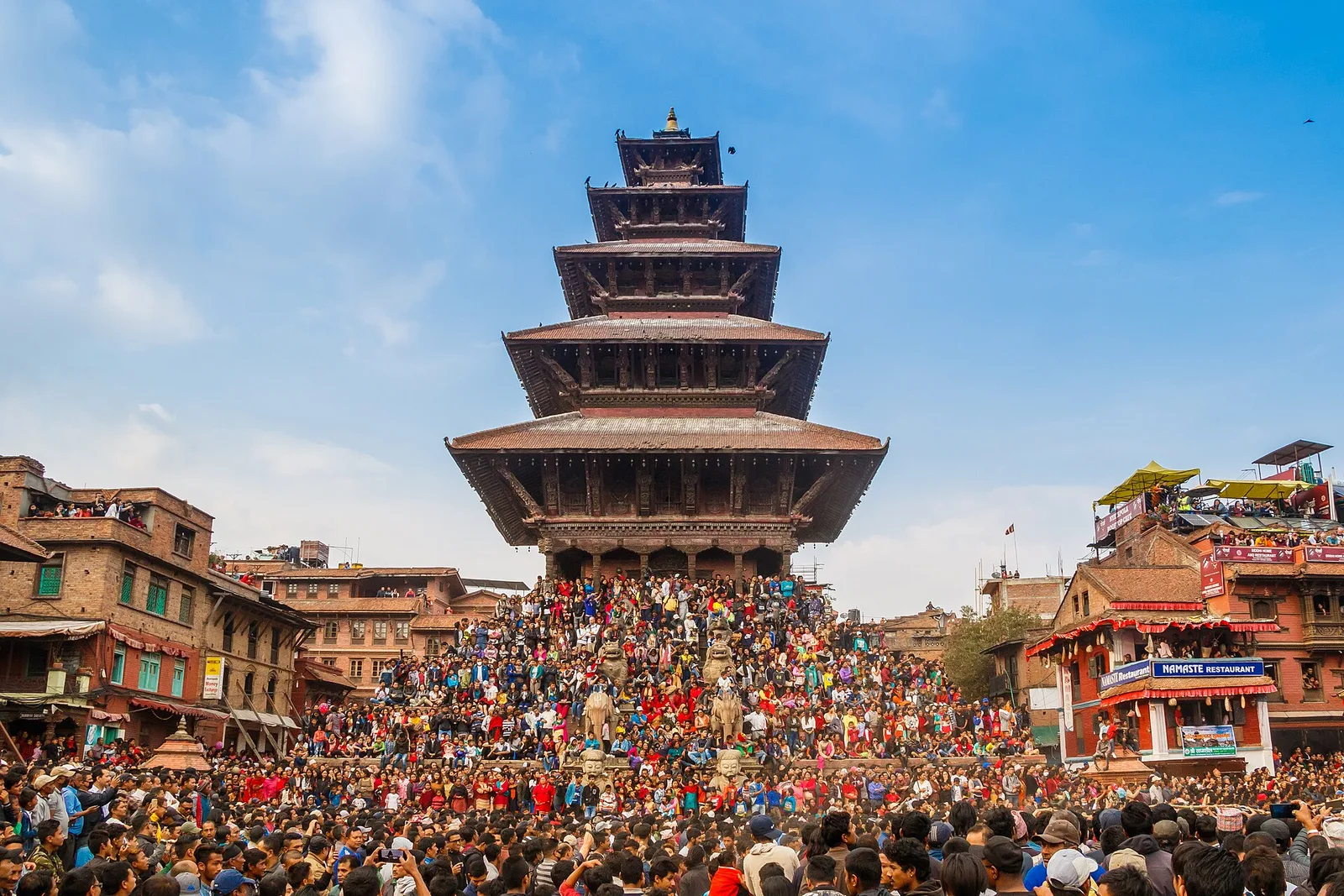
At 17, a Nepali Teenager Led 80 Artists Into Tibet. He Designed the White Pagoda Beijing Still Protects 700 Years Later
Long before Nepal became a bucket-list trekking destination, one Kathmandu Valley teenager designed a monument so revered that a Chinese premier personally ordered it saved from the Cultural Revolution.
Records & People
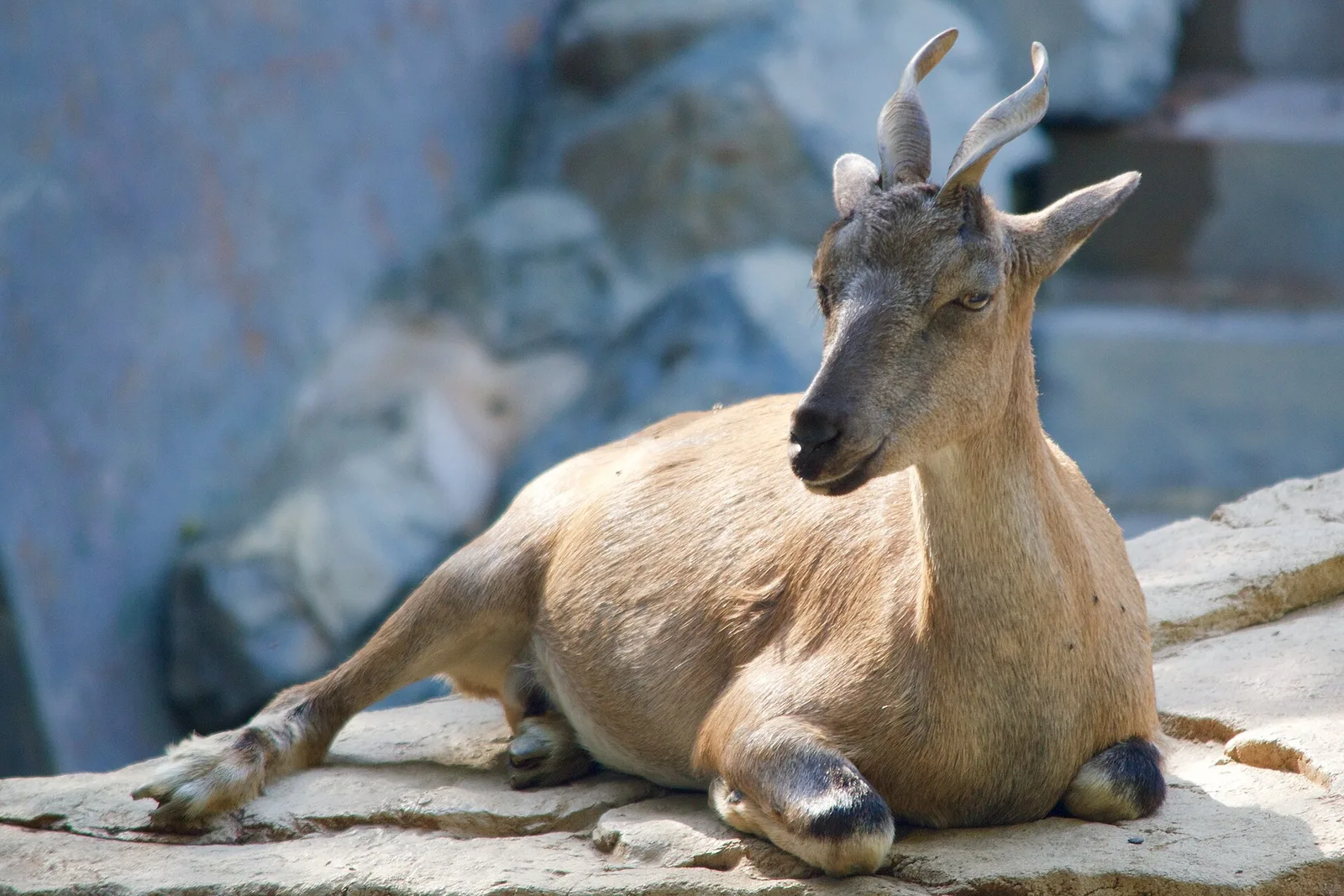
Snow Leopards Vanished From the Everest Region in the 1960s. A DNA Study Just Found 24 Living There Again
Sagarmatha National Park is famous for one mountain — but genetic testing shows the ghost cats that disappeared from its slopes two generations ago have quietly recolonised it.