
Snow Leopards Vanished From the Everest Region in the 1960s. A DNA Study Just Found 24 Living There Again
Sagarmatha National Park is famous for one mountain — but genetic testing shows the ghost cats that disappeared from its slopes two generations ago have quietly recolonised it.
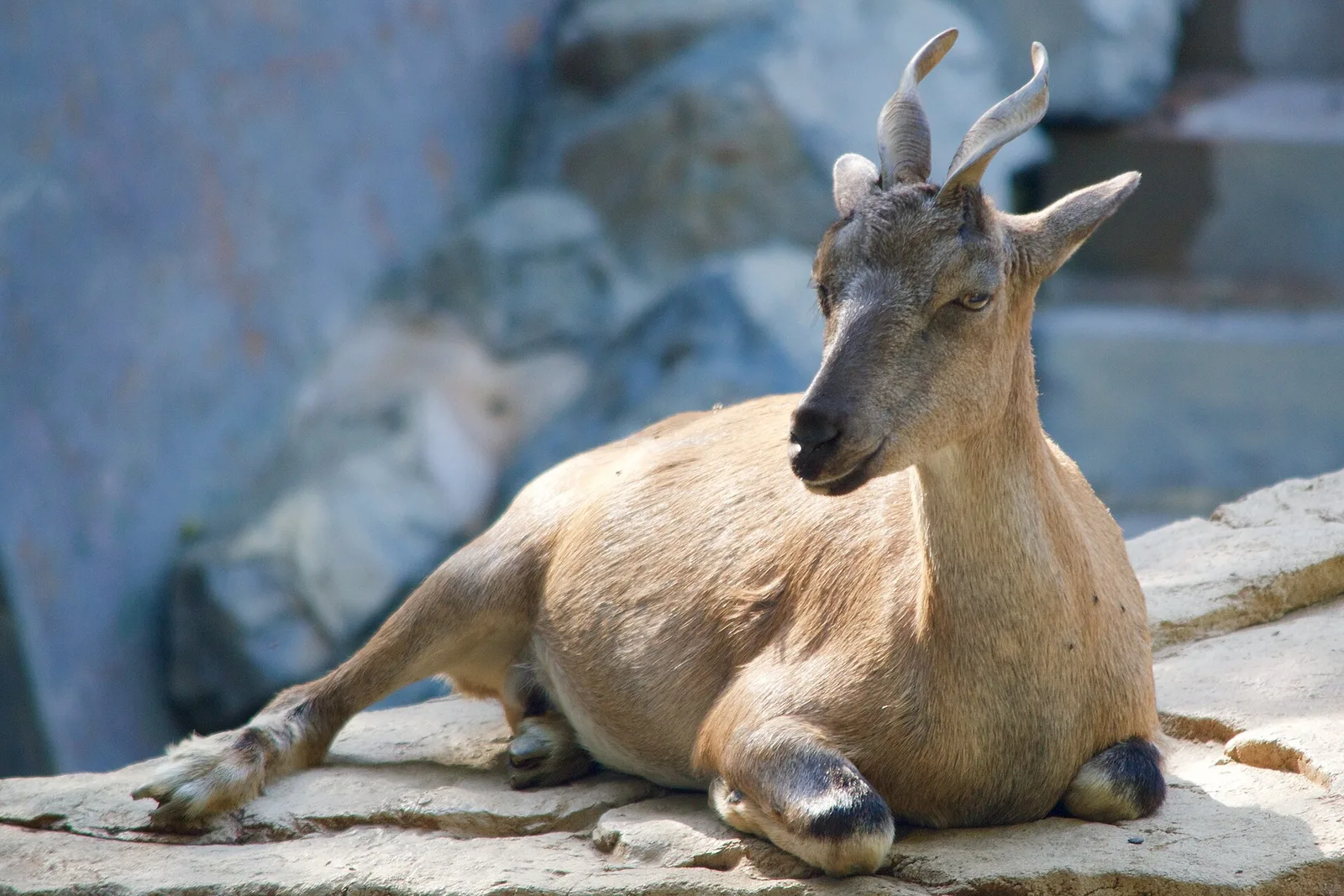
Most of the million-plus people who search for Everest every month are picturing one thing: a mountain. Almost none of them know that the national park built around it lost its most elusive predator in the 1960s — and that scientists have only recently confirmed, with DNA, that the snow leopard has quietly moved back in.
Key facts
- Snow leopards were wiped out of what is now Sagarmatha (Everest) National Park by hunting in the 1960s, more than a decade before the park existed
- The first sign of their return was a single track found in the Gokyo area in 1987, at roughly 5,000m
- A genetic survey covering 609 km² of the park identified 19 individual cats by DNA and modelled a population of 24 (95% CI: 19–29)
- That works out to 3.9 snow leopards per 100 km² — a genuine breeding population, not stragglers
Sagarmatha National Park was established in 1976 and named a UNESCO World Heritage Site three years later, in 1979 — a listing given as much for its wildlife as for the mountain inside it. But by the time the park was created, its snow leopards were already gone, hunted out in the 1960s along with much of the region's large prey. For close to two decades, the animal most associated with the high Himalaya was simply absent from the mountain that made the region famous.
How the cats came back
Snow leopards disappear from the area that would become Sagarmatha National Park.
Sagarmatha National Park is created around Mount Everest — without any resident snow leopards.
Recognised for both its mountain scenery and its biodiversity.
A single track is found near Gokyo at roughly 5,000m — likely a transient cat that crossed from Tibet via the Nangpa La pass.
Genetic sampling puts a resident population at roughly 24 animals, after more than 40 years of absence.
Researchers believe the population re-established itself the same way Sagarmatha's high passes have always connected the region to the outside world: on foot, through the mountains. The Nangpa La, a 5,716-metre pass linking the Khumbu to Tibet, is the same route Sherpa traders have used for centuries — and, researchers say, likely the route the first recolonising cats used too. Camera traps and scat surveys through the 1990s and 2000s slowly built evidence of a resident population, and a genetic study using DNA extracted from scat samples across 609 km² of the park's high country later confirmed it formally: at least 19 individually identifiable snow leopards, and a modelled population of around 24.
| Metric | Figure |
|---|---|
| Total park area | 1,148 km² |
| Elevation range | 2,845m – 8,848m |
| Mammal species recorded | 28 |
| Bird species recorded | 200+ |
| Snow leopards (genetic estimate) | ~24 |
The comeback matters beyond the Khumbu, too. Nepal's first nationally consolidated snow leopard count, published in 2025, estimated roughly 397 of the cats across the parts of the country surveyed — spanning the Kanchenjunga, Sagarmatha and Annapurna landscapes — out of an estimated national range that is still only about 43% mapped. Sagarmatha's recovering population is one small, well-documented piece of a much bigger and still uncertain national picture.
What this means for trekkers
Will you actually see one?
Almost certainly not — snow leopards are famously elusive, mostly nocturnal, and now number roughly two dozen across an area larger than New York City. But trekkers on the Everest Base Camp and Gokyo Lakes routes are, without realising it, walking through recovered snow leopard habitat, and the Khumbu's high side valleys — the same ground covered by the genetic study — are where camera-trap sightings occasionally do happen, usually shared afterward by park rangers rather than encountered on the trail.
The bigger point for anyone booking an Everest trek is what it says about the park itself: forty years after losing its apex predator, Sagarmatha has enough intact habitat and prey to support one again — one of the clearer conservation success stories to come out of the world's highest national park.
Source: European Journal of Wildlife Research (Springer Nature), Mongabay
Cover photo: Bill Abbott via Wikimedia Commons (CC BY-SA 2.0).
来源: European Journal of Wildlife Research (Springer Nature)
计划徒步?
我们负责许可证、后勤与向导
NMA 认证的本地向导,价格透明,自 1998 年以来 5,000+ 次徒步。告诉我们你的日期,其余的交给我们。


更多「Records & People」

Records & People
At 17, a Nepali Teenager Led 80 Artists Into Tibet. He Designed the White Pagoda Beijing Still Protects 700 Years Later
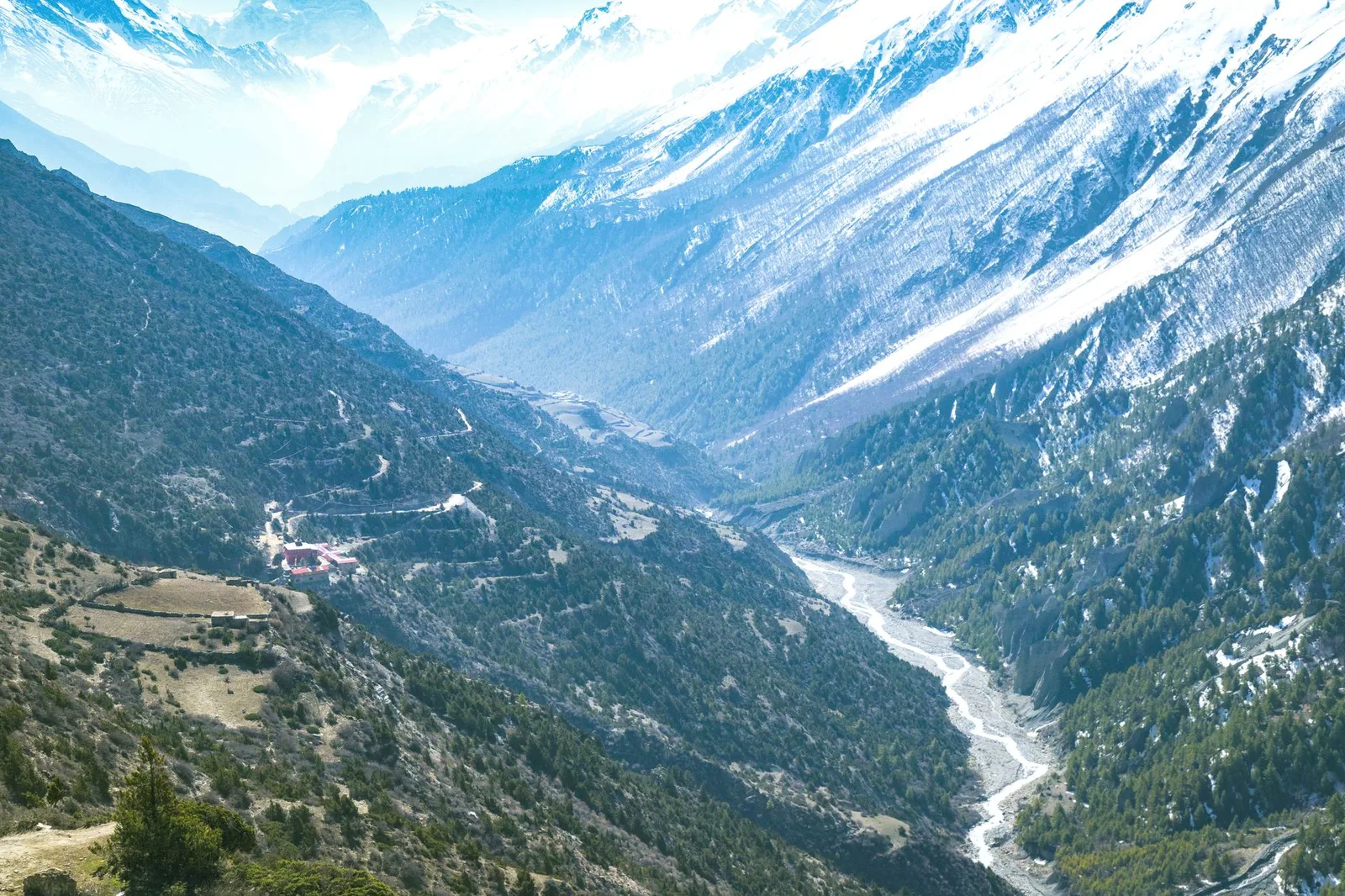
Long before Nepal became a bucket-list trekking destination, one Kathmandu Valley teenager designed a monument so revered that a Chinese premier personally ordered it saved from the Cultural Revolution.
重大 · Records & People
Nine Months Buried in the Snow: Nepal Just Recovered Five Climbers Lost on a Peak Almost No Trekker Has Heard Of
Rescuers located the bodies of three foreign climbers and two Nepali nationals on August 8, 2026 — nine months after an avalanche buried Yalung Ri's base camp on the closed Tibet border.
Records & People
Meet the Women Rewriting Nepal's Trekking Industry — and the Four AFL Stars Who Just Joined Their Trail
In 1993, three sisters in Pokhara trained Nepal's first female trekking guides because none existed. More than 2,000 women later, four AFLW athletes just trekked Nepal with an all-female crew as women-only bookings jumped 32% in a year.