
Can a Beginner Do the Everest Base Camp Trek? The Honest Difficulty Answer (2026)
No mountaineering skills required — but altitude, not fitness, is what actually turns beginners back. Here is the real difficulty, by the numbers.
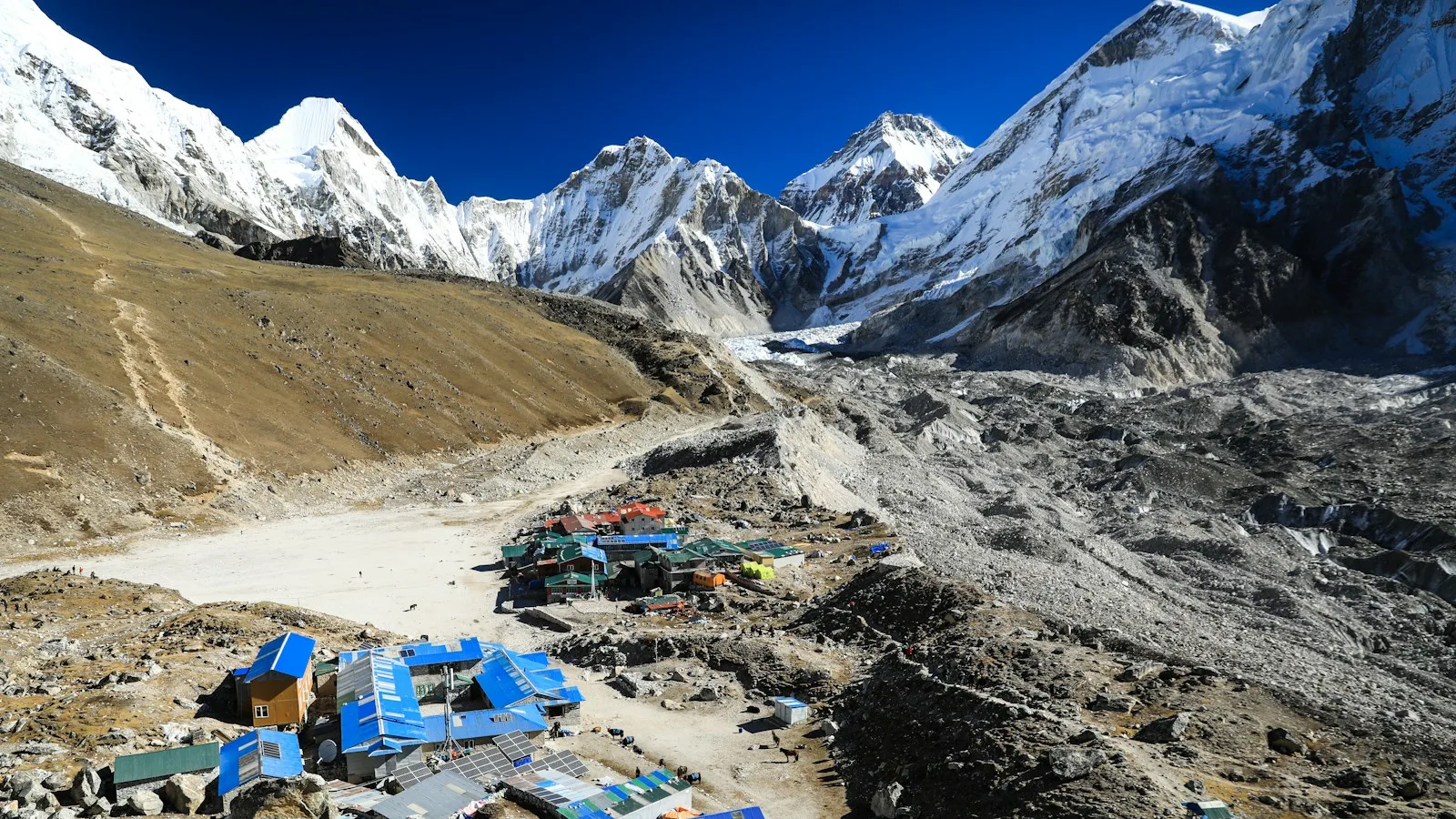
The blunt answer: yes, most fit beginners with zero trekking experience reach Everest Base Camp every season. The trail needs no rope, no crampons, no climbing course — it is a long, high walk on a well-marked path with teahouses every few hours. What actually turns people back is not fitness. It is altitude, and altitude does not care how many marathons you have run.
Key facts
- Everest Base Camp sits at 5,364m; most itineraries also climb Kala Patthar at 5,545m for the summit view base camp itself does not offer
- On a paced 12-14 day itinerary with built-in rest days, the large majority of trekkers who start the trail reach base camp
- The Himalayan Rescue Association has studied acute mountain sickness (AMS) at its Pheriche aid post since 1973 — recorded incidence has run from roughly one in five trekkers to well over two in three, almost entirely depending on ascent speed
- A licensed trekking guide has been legally mandatory for foreign trekkers on this route since April 2023
What 'beginner' actually means on this trail
You do not need prior trekking experience. You do need to be able to walk five to seven hours a day, several days in a row, carrying a light daypack, on uneven stone steps and suspension bridges, at altitudes where the air holds roughly half the oxygen it does at sea level by the time you reach base camp. Two to three months of hill walking, stair climbing or a running habit beforehand is the realistic minimum most guides recommend. That is a fitness bar most healthy adults can clear — a much lower bar than the trek's reputation suggests.
What fitness does not do is protect you from altitude sickness. AMS is caused by ascending faster than your body can produce the extra red blood cells it needs to function on less oxygen — it hits fit 25-year-olds and unfit 60-year-olds close to equally. The variable that actually predicts who gets sick is ascent rate, not lung capacity. That is exactly why every reputable EBC itinerary has the same shape: walk high, sleep low, and build in acclimatisation days rather than climb in a straight line.
| Day | Stop | Altitude |
|---|---|---|
| 1 | Fly Kathmandu to Lukla, walk to Phakding | 2,610m |
| 2-3 | Namche Bazaar (acclimatisation day) | 3,440m |
| 4 | Tengboche | 3,860m |
| 5-6 | Dingboche (acclimatisation day) | 4,410m |
| 7 | Lobuche | 4,940m |
| 8 | Gorak Shep, walk to Everest Base Camp | 5,364m |
| 9 | Kala Patthar sunrise, descend | 5,545m |
Notice the two full rest days built in before 4,500m — those are not padding, they are the difference between the lower AMS rates HRA records among well-paced groups and the much higher rates among trekkers who compress the schedule to save a day or two. Skipping a rest day to finish faster is the single most common beginner mistake on this route, and it is entirely avoidable.
What this means for trekkers
What this means for you
If you are reasonably fit, have two to three months to prepare, and book an itinerary that does not rush the altitude gain, EBC is a realistic first big trek — not an expert-only objective. If you have a heart or lung condition, very limited time, or cannot commit to the acclimatisation days, the honest advice is to extend the itinerary or choose a lower-altitude route first.
Since April 2023, every foreign trekker on this route must also travel with a licensed guide employed through a registered agency — partly a safety response to exactly this altitude risk, since a trained guide is who recognises early AMS symptoms and makes the call to descend before they become serious. Our own guides carry wilderness first aid training and are taught to slow or turn back a group rather than push a summit-day mentality onto a trek that was never meant to be one.
For a genuine first-timer who wants the view without the full altitude commitment, the Everest View Trek reaches Namche and the classic Everest panorama in a week without going past 3,880m. For beginners set on base camp itself but wary of time or altitude exposure, the helicopter-return EBC trek walks up and flies back, cutting the days spent at extreme altitude. For the full classic route built around the acclimatisation schedule above, see our Everest region guide and the standard 14-day Everest Base Camp trek.
Source: Himalayan Rescue Association, Pheriche Aid Post.
Cover photo: Dylan Shaw via Unsplash (Unsplash License).
来源: Himalayan Rescue Association
计划徒步?
我们负责许可证、后勤与向导
NMA 认证的本地向导,价格透明,自 1998 年以来 5,000+ 次徒步。告诉我们你的日期,其余的交给我们。


更多「Safety & Advisories」
Safety & Advisories
India Sends Around 50 Tonnes of Aid to Nepal as Modi Offers Condolences After the 2026 Floods
India is rushing tonnes of relief and rescue support to flood-hit Nepal, as Prime Minister Narendra Modi conveyed condolences to his Nepali counterpart and pledged India's full solidarity.

Safety & Advisories
Everyone Is Pledging Millions to Nepal. Here Is Where You Can Actually Send Money
The UN released $2m, the US pledged $500,000, India sent 50 tonnes. None of that helps if you are one person with a card. The official fund, the two alternatives worth trusting, and the scam window that is open right now.

Safety & Advisories
World and Faith Leaders Offer Condolences and Aid to Nepal After the 2026 Floods
World and faith leaders offered condolences and aid to flood-hit Nepal, from the Dalai Lama and Pope Leo XIV to Pakistan, South Korea and Sri Lanka.