
Dal bhat power, 24 hour: the humble meal that fuels every Himalayan trek
Ask any guide what gets them up to Everest Base Camp and they'll grin: "Dal bhat power, 24 hour." Here's the story of the lentils-and-rice plate that powers the Himalaya — and why trekkers fall in love with it.
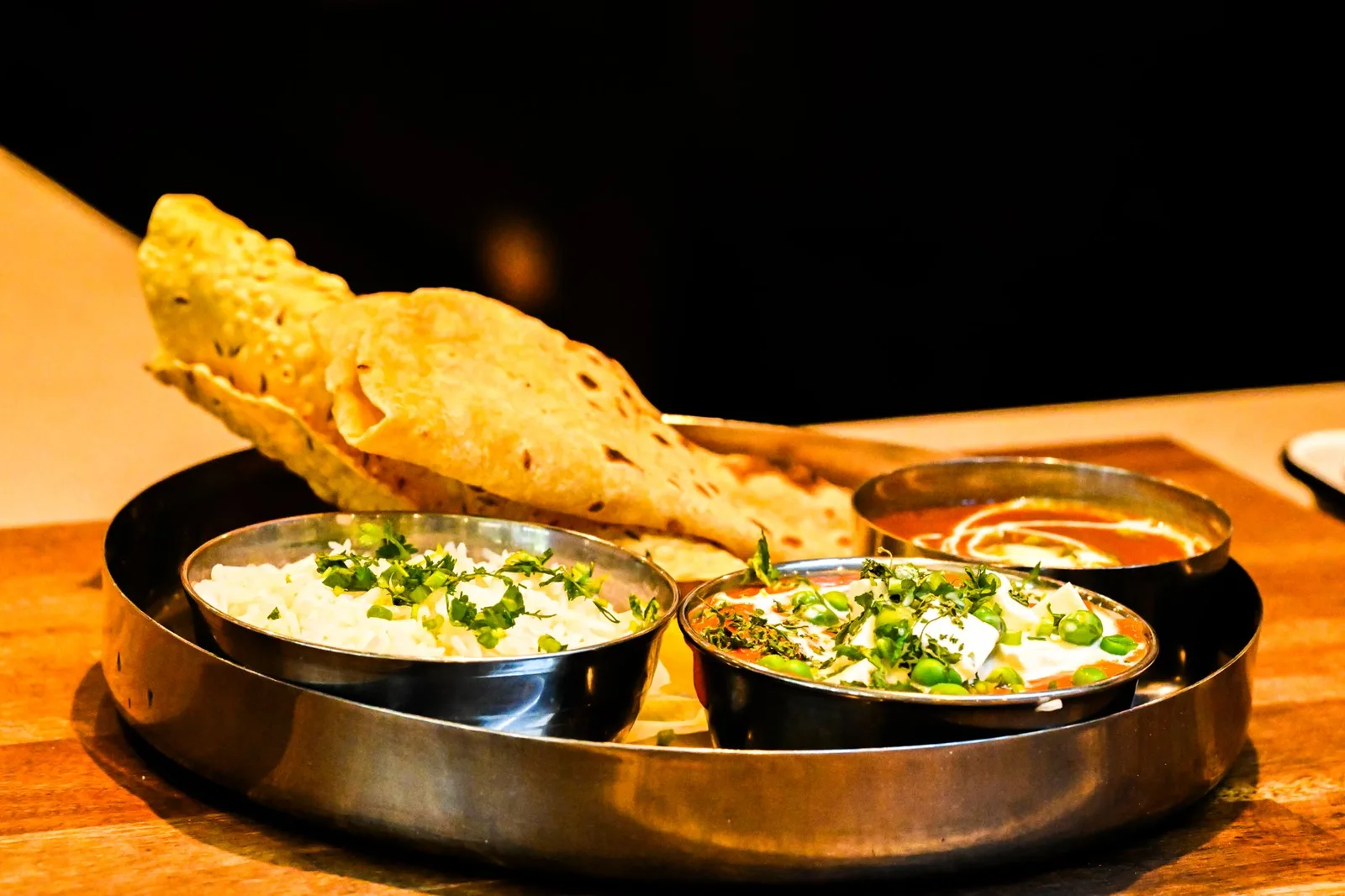
There is a phrase you will hear within hours of starting any Nepal trek, usually delivered with a grin by a porter carrying twice your load: "Dal bhat power, 24 hour." It is half joke, half gospel. Dal bhat — a plate of lentil soup, steamed rice and vegetable curry — is the fuel that has powered Himalayan life for centuries, and by the end of your trek you will understand the saying completely.
From the trail · Annapurna


What is dal bhat?
- Dal (lentil soup) + bhat (rice) + tarkari (vegetable curry), often with pickle and greens
- The national dish of Nepal, eaten twice a day by most Nepalis
- Most teahouses offer free refills until you are full
- Balanced carbs, protein and salt — ideal trekking fuel
Why trekkers swear by it
On a long climbing day, dal bhat does what energy bars cannot: it is fresh, hot, endlessly refillable, and perfectly balanced for endurance. The rice gives slow-release carbohydrate, the lentils add protein, and the salty curry replaces what you sweat out. It is also the safest bet on any menu — cooked fresh, in volume, all day. Many seasoned trekkers eat it for lunch and dinner the entire trip and never tire of it.
| Component | What it gives you |
|---|---|
| Bhat (rice) | Slow-release energy |
| Dal (lentils) | Protein |
| Tarkari (curry) | Vitamins, salt |
| Achar (pickle) | Flavour & appetite |
What this means for you
You do not need to pack exotic supplements to trek Nepal — the best fuel is waiting at every teahouse, hot and unlimited. Come hungry, say yes to the refill, and let dal bhat power carry you to Base Camp. Our guides will show you how the locals do it.
What it costs, and how it changes as you climb
Dal bhat is the best-value plate in the Himalaya. In Kathmandu or Pokhara a generous portion runs only a few hundred rupees; on the trail the price rises with altitude — everything above the road has been carried up on someone''s back — but it stays the cheapest filling meal on any teahouse menu, and the free refill makes it unbeatable for a hungry trekker. The dish changes as you walk, too: lowland versions come with more vegetables and sometimes meat, while high-altitude plates lean on lentils, potatoes and whatever greens survive the climate.
How to eat it like a local
Traditionally dal bhat is eaten with the right hand, mixing the dal into the rice and folding in curry and pickle a few mouthfuls at a time. Say yes when the host circles back with the rice pot — refusing the refill too early is the rookie move. Vegetarians are spoiled here: dal bhat is naturally meat-free, and because it is cooked fresh in volume all day, it is also the safest choice on the menu for a sensitive stomach far from a hospital. By week two you will understand why the guides chant the slogan — and why so many trekkers crave it long after they fly home.
Source: Travel Himalaya Nepal.
Cover photo: Eyes2Soul Eyes2Soul via Pexels (Pexels License).
来源: Travel Himalaya Nepal
计划徒步?
我们负责许可证、后勤与向导
NMA 认证的本地向导,价格透明,自 1998 年以来 5,000+ 次徒步。告诉我们你的日期,其余的交给我们。


更多「Industry & Tourism」
Industry & Tourism
Nepal Promised China 500,000 Tourists in a Year. It Got 95,480 — Now a Delegation From Sichuan Has Landed to Try Again
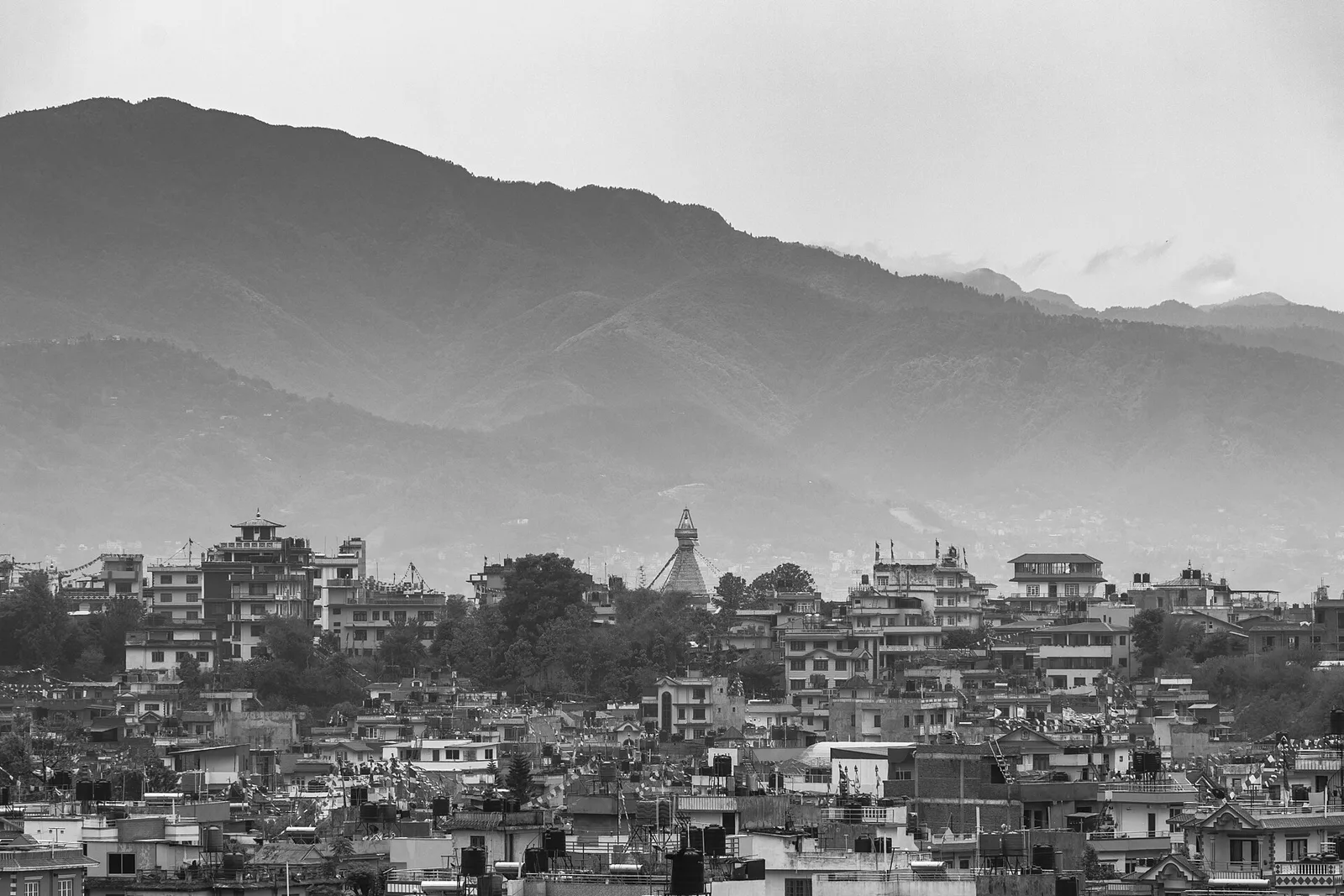
China's 2025 pledge to flood Nepal with half a million visitors delivered barely a fifth of that number. Days ago, a five-person tourism delegation from Sichuan sat down with Nepal Tourism Board to plan the next attempt.
Industry & Tourism
India Now Sends Nepal More Tourists Than Its Next Four Biggest Markets Combined — the Real 2026 Arrival Numbers
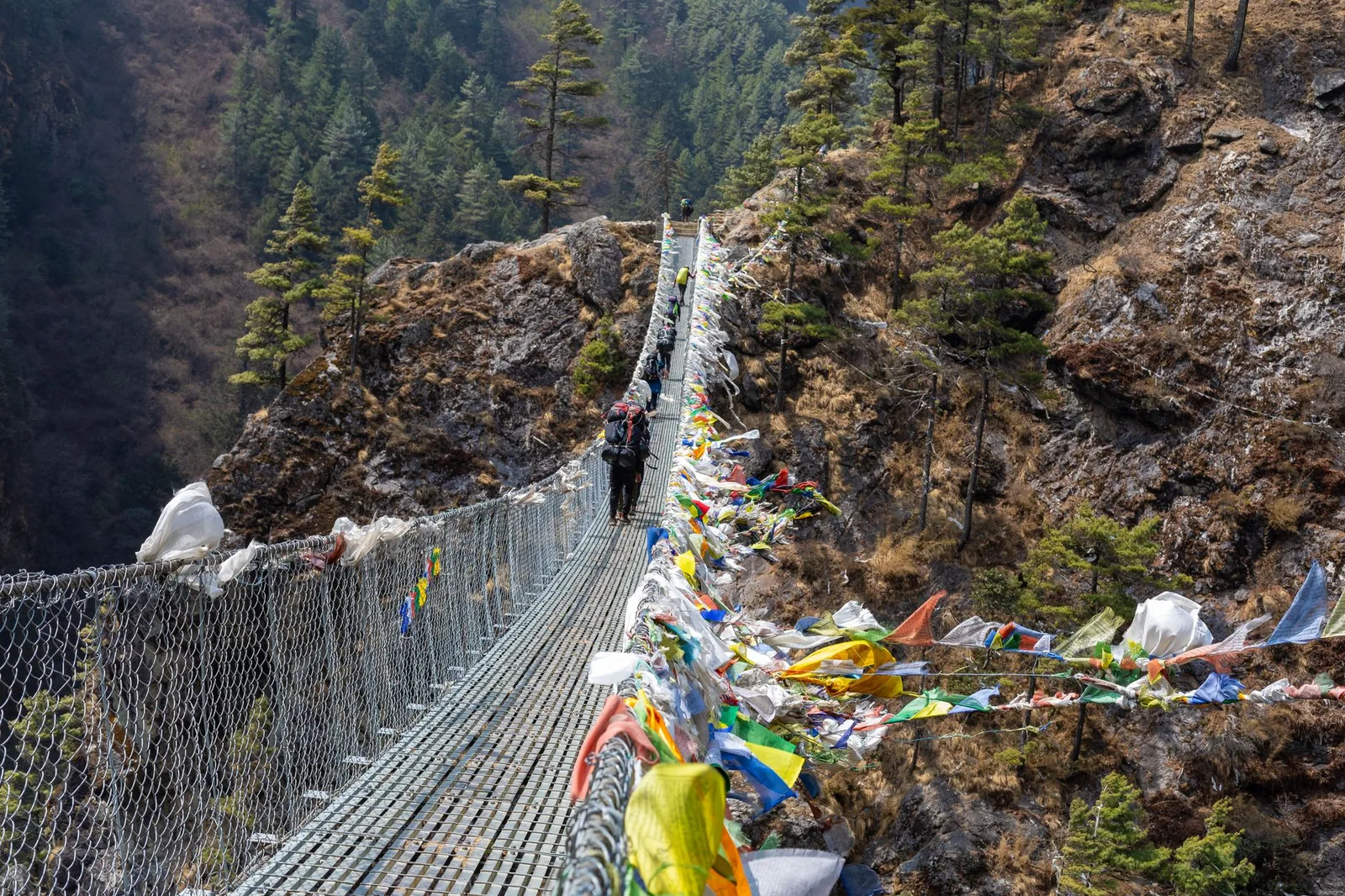
Nepal Tourism Board's fresh mid-year data show 621,624 foreign arrivals in the first half of 2026 and an accelerating June — here's exactly where visitors are coming from, and what the surge means for booking an autumn trek.
Industry & Tourism
Sydney to Kathmandu Beats Qantas's New Nonstop to London: Planning a Nepal Trek From Australia in 2026
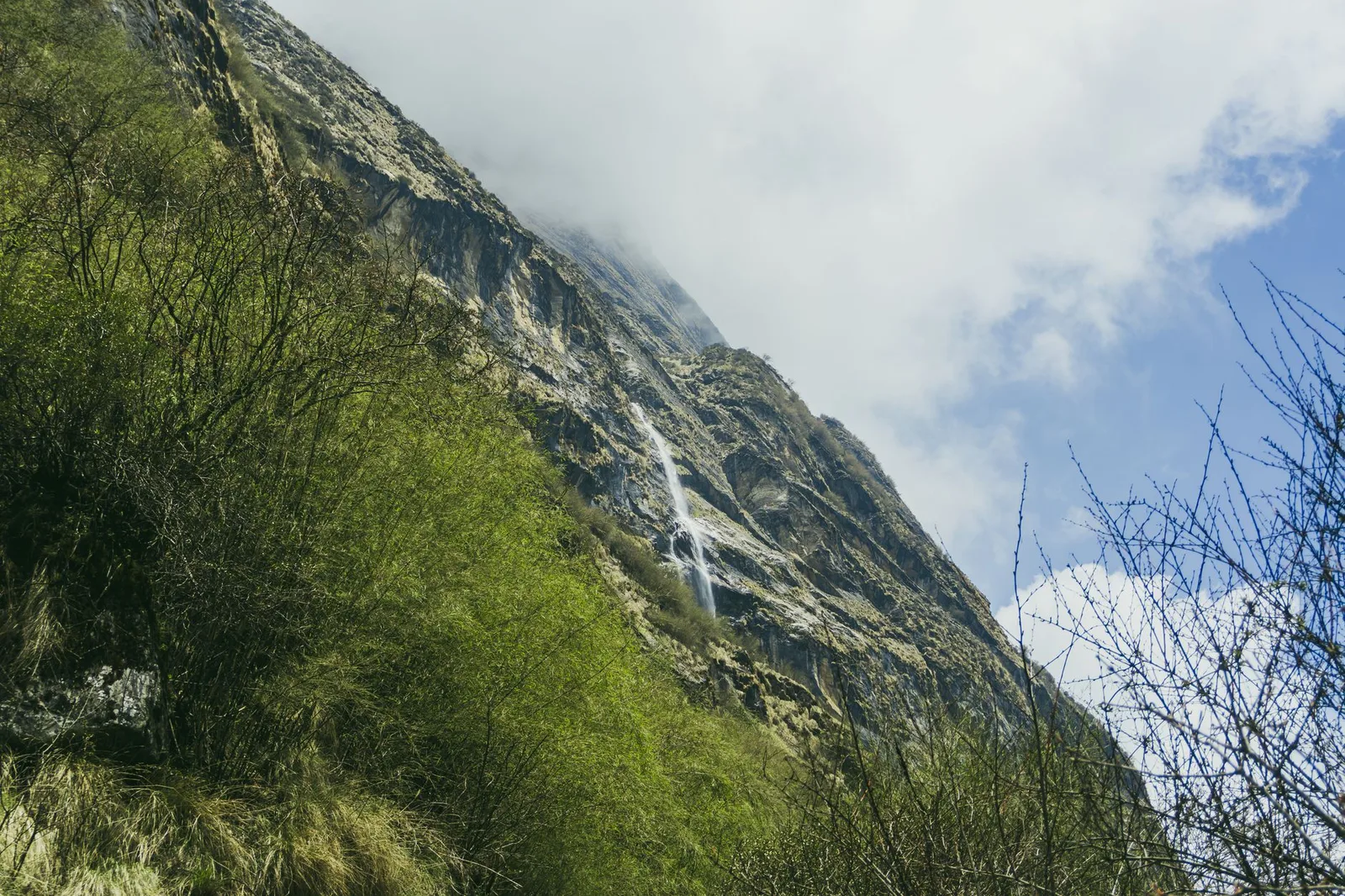
No airline flies nonstop from Australia to Nepal, but the fastest routing still beats Qantas's record-breaking nonstop to London — real flight times, AUD trek costs and a sample itinerary for 2026.