
The 1996 Everest Disaster: What Happened, and What Changed
On 10–11 May 1996 a storm caught climbers high on Everest and eight people died. The sequence, the names, and the lessons that reshaped guided climbing — recounted with respect.
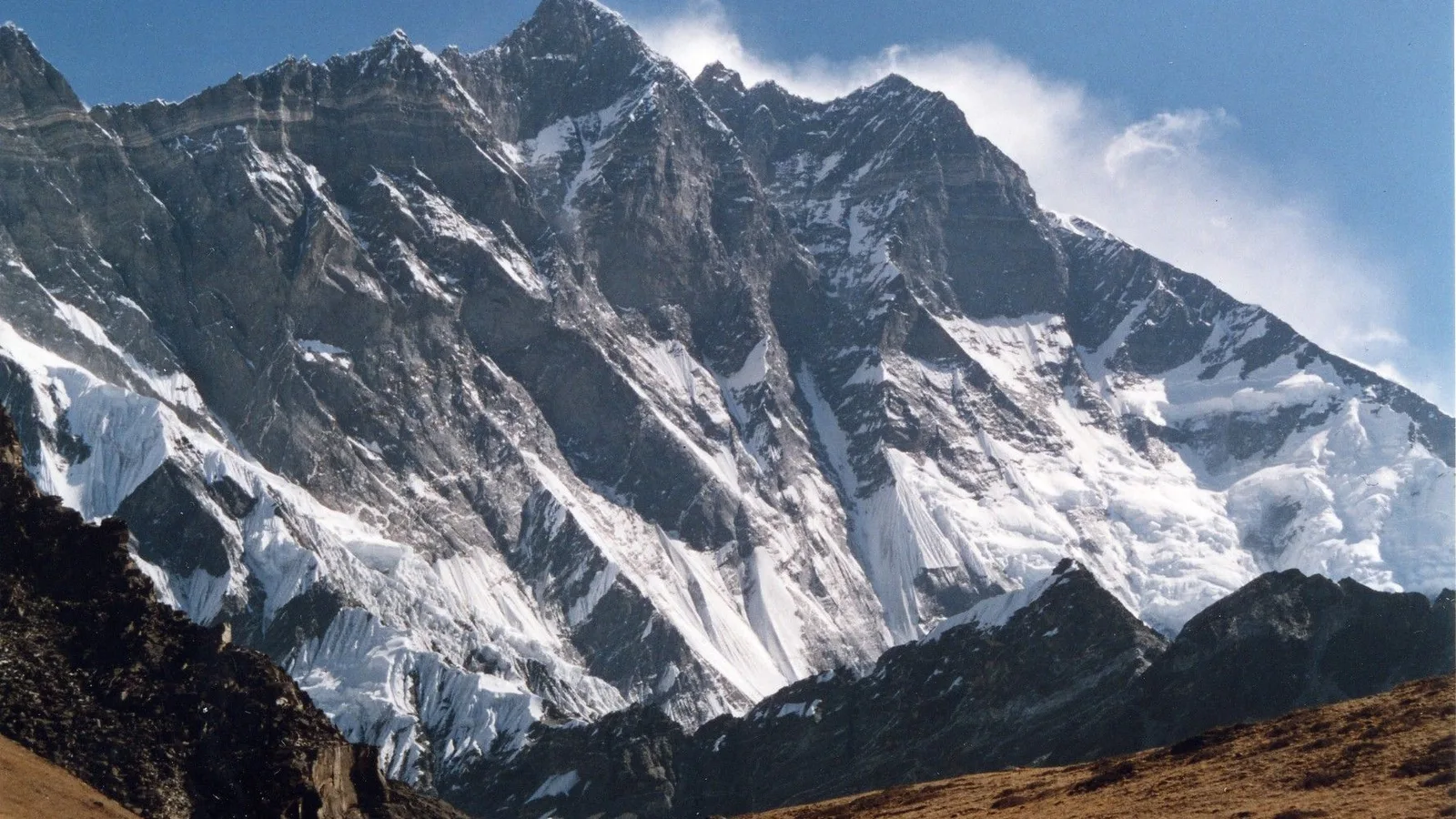
On 10–11 May 1996, a storm caught climbers high on Mount Everest and eight people died — among them two of the most respected commercial expedition leaders in the world. It became the most written-about day in the mountain’s history, largely through Jon Krakauer’s Into Thin Air, and it changed how guided climbing is run. Thirty years on, it is worth recounting what happened plainly, and with respect for the people who did not come home.
What happened
Two commercial teams went for the summit on 10 May: Adventure Consultants, led by New Zealander Rob Hall, and Mountain Madness, led by the American Scott Fischer. Both were experienced, professional outfits. Several things then went wrong at once. Fixed ropes were not in place at key points, creating long queues at the Hillary Step and the Balcony. Many climbers summited far later than the unwritten early-afternoon turnaround, some not reaching the top until after 2–4 pm, which left them descending exhausted into the coldest, darkest part of the day.
Then the weather broke. A blizzard swept the upper mountain in the afternoon, dropping visibility to nothing and the temperature far below survivable limits. Climbers were stranded on the South Col and along the summit ridge in a whiteout, unable to find camp. Rob Hall stayed high with his client Doug Hansen and could not get down; his final radio calls, patched through to his wife in New Zealand, are among the most quietly devastating records in mountaineering. Scott Fischer, descending late and severely weakened, died near the Balcony. On the Tibetan north side the same storm killed three climbers of the Indo-Tibetan Border Police, a loss long overshadowed by the events on the south.
| Name | Role | Team / side |
|---|---|---|
| Rob Hall | Expedition leader (New Zealand) | Adventure Consultants, south |
| Andrew “Andy” Harris | Guide (New Zealand) | Adventure Consultants, south |
| Doug Hansen | Client (USA) | Adventure Consultants, south |
| Yasuko Namba | Client (Japan) | Adventure Consultants, south |
| Scott Fischer | Expedition leader (USA) | Mountain Madness, south |
| Tsewang Samanla | Climber (India) | Indo-Tibetan Border Police, north |
| Dorje Morup | Climber (India) | Indo-Tibetan Border Police, north |
| Tsewang Paljor | Climber (India) | Indo-Tibetan Border Police, north |
The lessons that changed guided climbing
The disaster forced the guiding industry to confront how it managed clients at altitude, and much of today’s standard practice traces back to it. Hard turnaround times — a fixed hour after which you go down whether or not you have summited — became non-negotiable on serious operations. Teams now insist on fixed ropes being set in advance by dedicated rope-fixing teams, so bottlenecks do not strand people in the open. Oxygen logistics are planned in far greater depth, with reserves cached for the descent. Weather forecasting improved enormously; expeditions now buy specialist mountain forecasts rather than reading the sky. And radios and, later, satellite communication became universal.
The event also opened a hard, still-unfinished debate about commercial climbing itself — whether paying clients belong in the death zone at all, how much a guide can be expected to do for a struggling client, and where the line sits between ambition and responsibility. Krakauer’s account and the counter-account by Fischer’s lead guide Anatoli Boukreev, The Climb, disagreed sharply, and the argument shaped a generation of climbers. What is not in dispute is that Everest’s margins are thin and unforgiving, a truth confirmed by the deadliest avalanches in the Nepal Himalaya and by every serious season since.
Remembered
The people who died in 1996 were not reckless novices. They were experienced climbers and professional guides who ran out of margin in a storm no one could out-climb. We recount the day to honour them and to keep its lessons alive — not to sell the drama of it. The mountain does not care how much you paid or how strong you are.
You can meet Everest without entering the death zone
Almost everyone who loves this mountain sees it from below, on foot, and comes home. The trek to Everest Base Camp stops at 5,364 m — high enough to feel the altitude, well below the zone where 1996 unfolded — and it is where the great majority of Everest stories, ours included, actually begin.
See Everest safely, from the ground
Walk to Base Camp with a Khumbu team
Two routes to the foot of the mountain, guided by climbers who know it:
- Everest Base Camp Trek — 14 days · the classic, properly acclimatised walk-in
- EBC & Cho La Pass Trek — 15 days · the high-pass route via Gokyo
Message us on WhatsApp at +45 91 71 72 19 or ask us about your dates → For how the mountain’s dangers stack up, read our guide to the Khumbu Icefall, the most dangerous part of Everest.
Sources. 1996 Mount Everest disaster, eight deaths on 10–11 May and named casualties: Encyclopaedia Britannica, Wikipedia (1996 Mount Everest disaster), and Jon Krakauer, Into Thin Air (1997). Counter-account: Anatoli Boukreev & G. Weston DeWalt, The Climb (1997). South Summit elevation 8,749 m: standard survey figure. Turnaround-time and rope-fixing practice: standard guided-expedition procedure post-1996.
Cover photo: Uwe Gille via Wikimedia Commons (CC BY-SA 3.0).
计划徒步?
我们负责许可证、后勤与向导
NMA 认证的本地向导,价格透明,自 1998 年以来 5,000+ 次徒步。告诉我们你的日期,其余的交给我们。


更多「Records & People」
Records & People
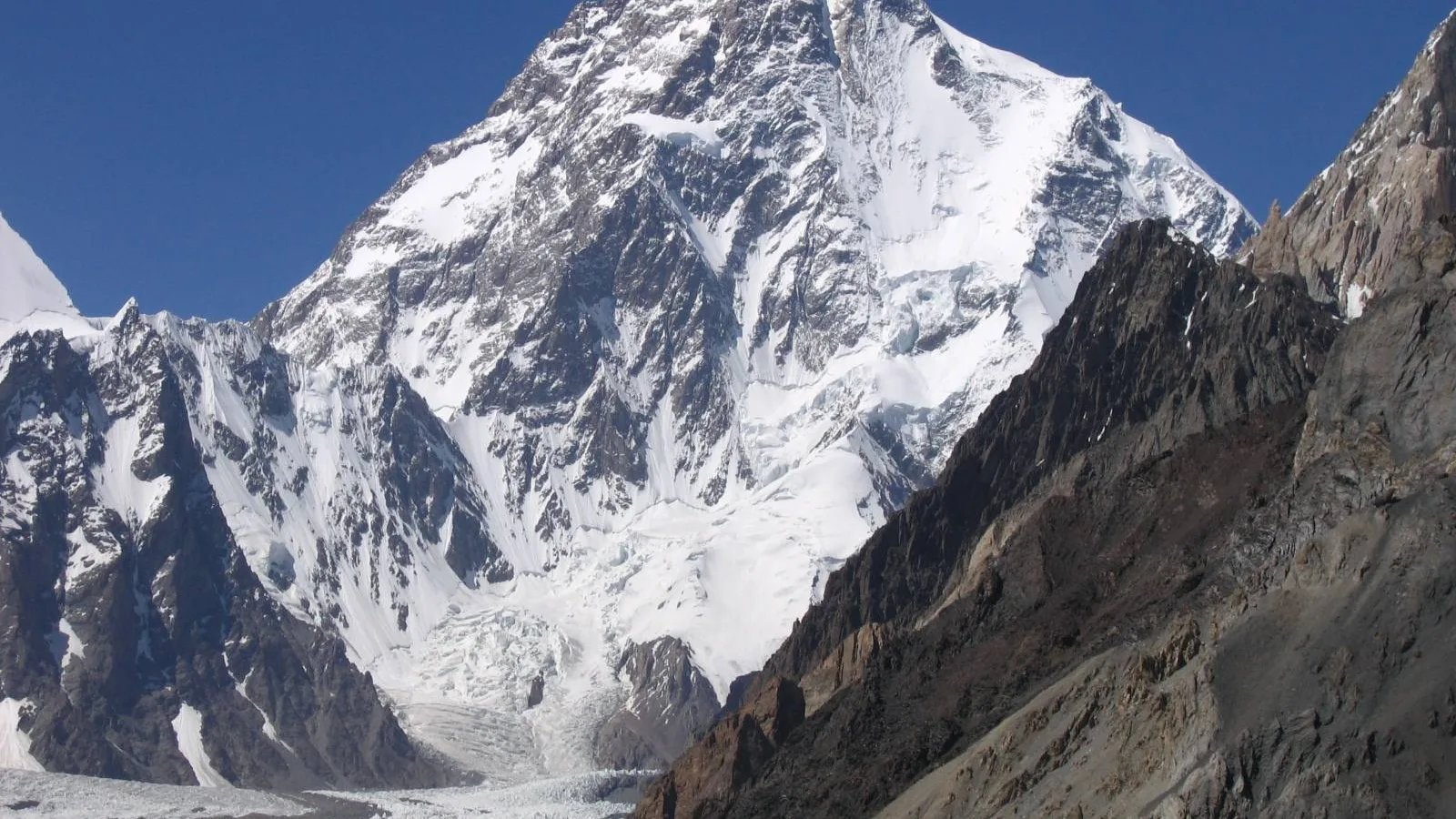
K2 vs Everest: Which Is Harder to Climb? The Honest Head-to-Head (2026)
K2 is 238 m shorter than Everest but kills roughly one climber in ten — a dimension-by-dimension comparison of height, technical difficulty, weather, rescue and death rate, and why K2 is “the Savage Mountain.”
Records & People
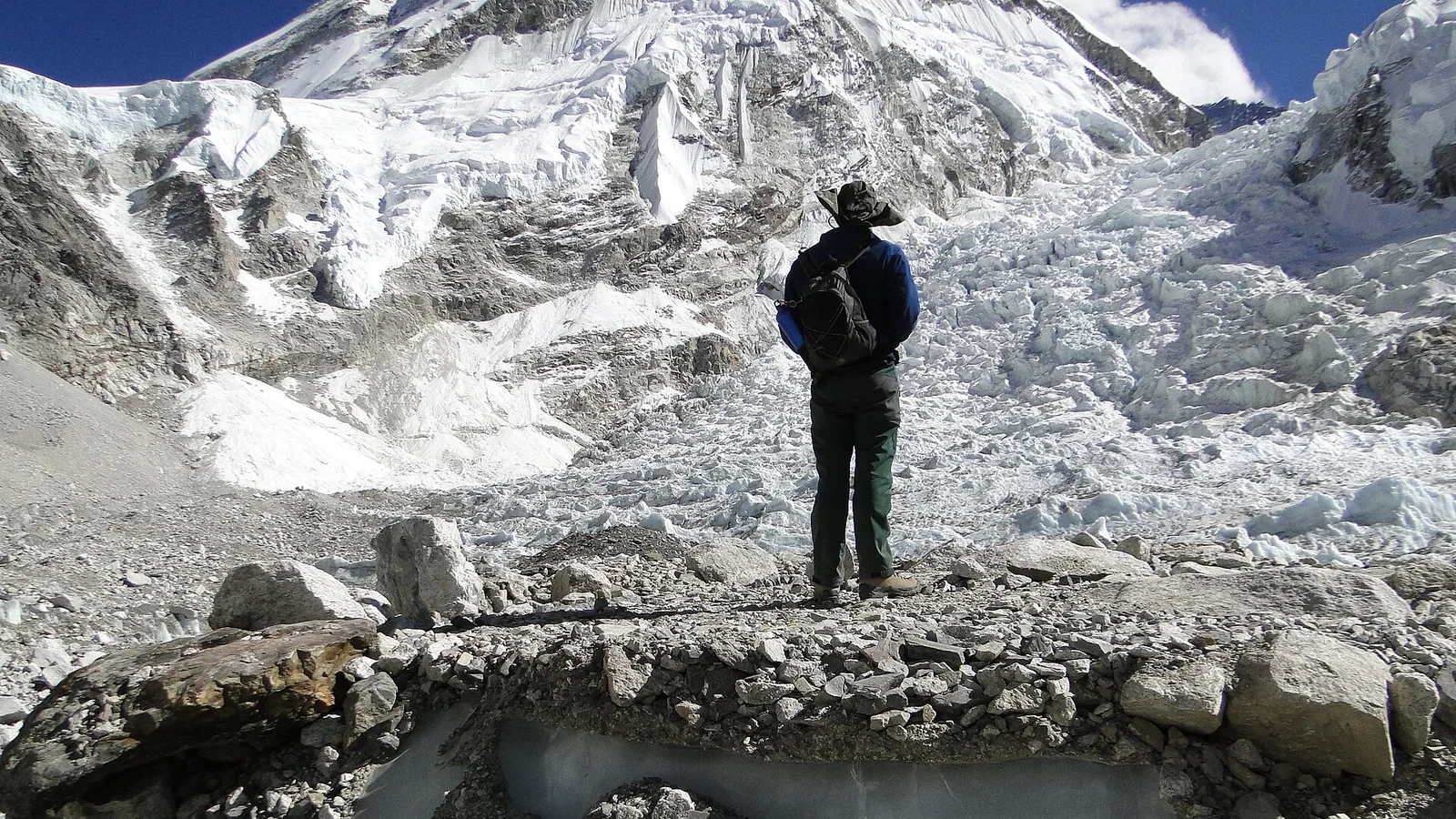
Nobody tells you what it really costs to climb Everest so I added up every dollar
Why a guided Everest expedition runs from about US$35,000 to well over US$100,000 — the permit, the oxygen, the Sherpa team and the logistics, line by line, with real 2026 numbers.
Records & People
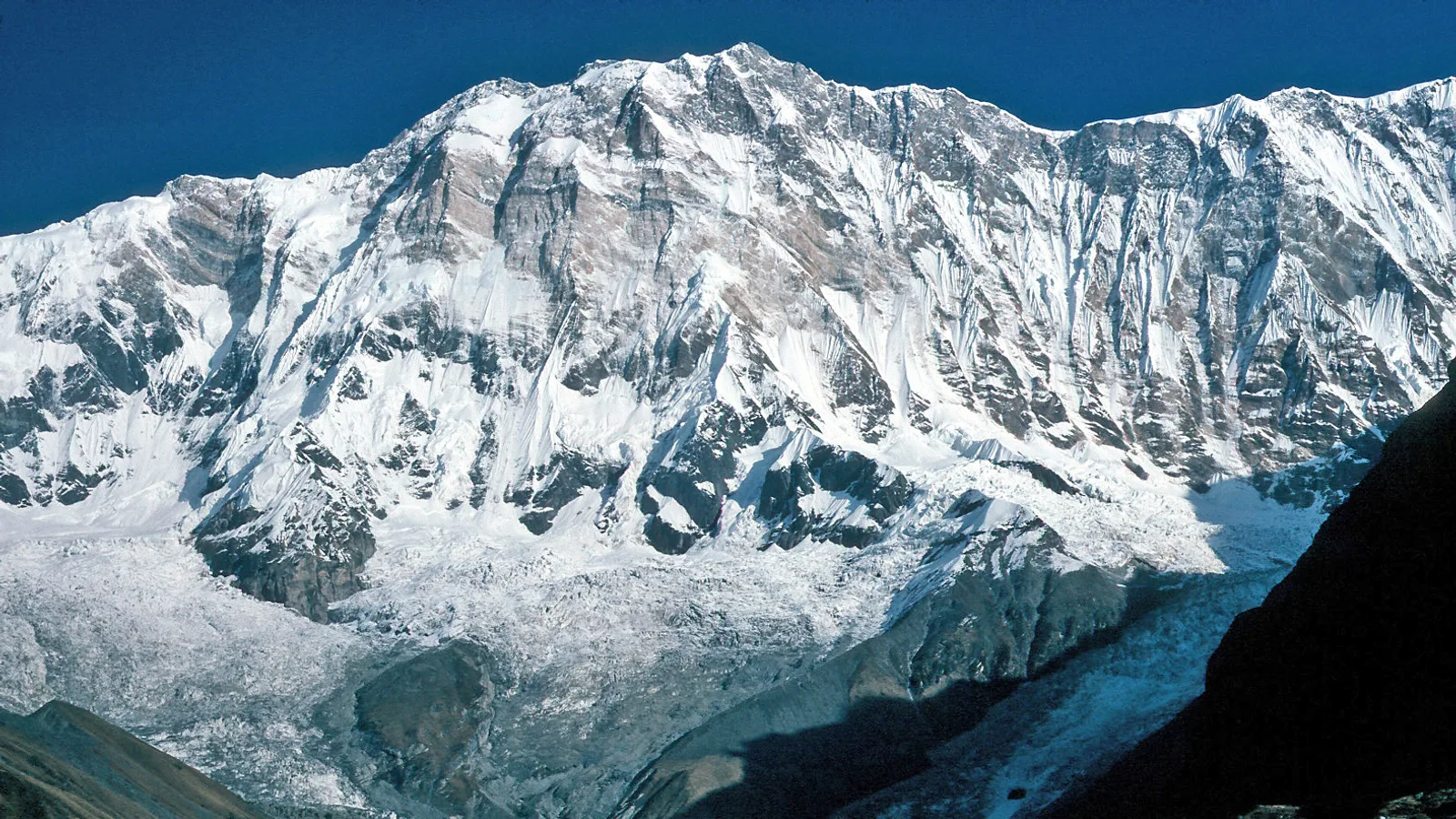
Nims Purja's Project Possible: All 14 Peaks in 6 Months, 6 Days
How Nirmal 'Nims' Purja climbed every 8,000-metre mountain in 189 days in 2019, shattering a record that had stood almost eight years — and how the speed record has fallen twice since. Every date and time sourced.