
Is the Everest Base Camp Helicopter Tour Affected by the 2026 Nepal Floods?
No — the Everest helicopter tour flies from Kathmandu into the Khumbu in the east and touches no mountain road, so the Rasuwa flood does not affect it. The only real variable, as always, is the weather.
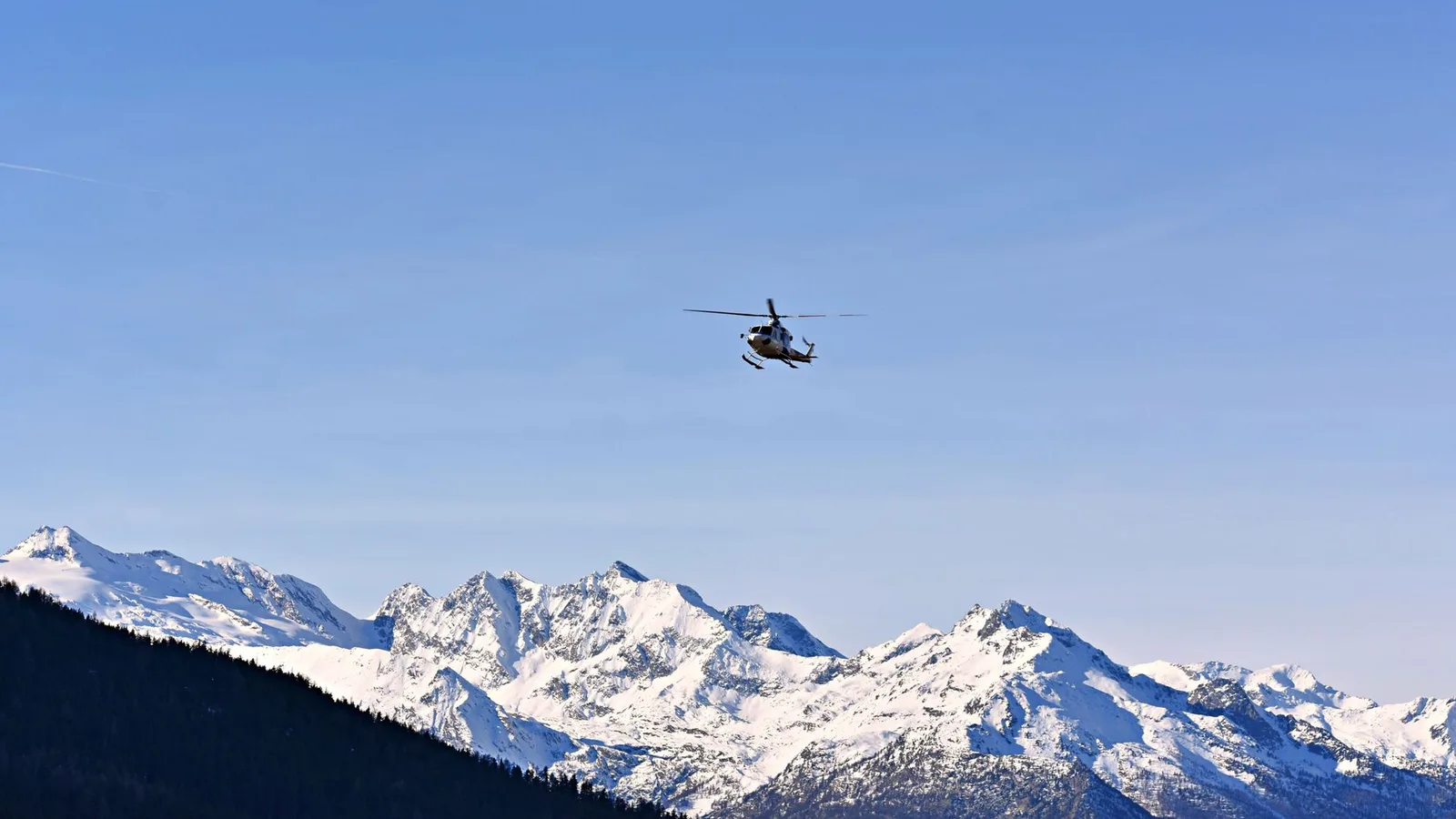
📍 Developing story — live updates
The 2026 Nepal floods are a nationwide, still-developing emergency and the figures are rising. For the latest verified death toll, missing and rescued numbers and trek status, follow our continuously updated Nepal Floods 2026: Live Updates.
Last updated: 29 August 2026. I arrange these flights for a living, so here is the short answer first and then the detail behind it.
Is the Everest Base Camp helicopter tour affected by the 2026 Nepal floods? No — the tour operates in the Khumbu (Everest) region in the east, far from the flood-hit north, and it is running normally. The flash flood of 26 August 2026 came down the Bhote Koshi into Rasuwa district on Nepal's northern border with Tibet — Timure, Syabrubesi and the Rasuwagadhi crossing. The Everest helicopter tour flies from Kathmandu east into the Khumbu, landing near Kala Patthar and the Everest View area. That region was not in the flood zone, and a helicopter day-trip does not use the mountain roads that were destroyed. If you have an Everest helicopter tour booked, it stands — with the one caveat that has always governed mountain flying: weather.
Everest Base Camp helicopter tour — the honest status
- Affected by the 26 August flood? No. That flood was on the Bhote Koshi in Rasuwa, in the far north. The Everest helicopter tour operates in the Khumbu to the east — a different region on a different river system that the flood never reached.
- You fly, you do not drive. The whole point of the heli tour is that it skips the roads. It lifts off from Kathmandu's domestic terminal, so the washed-out Betrawati–Syabrubesi highway in Rasuwa has no bearing on it whatsoever.
- The real variable is weather, not floods. Everest flights are governed by cloud, wind and visibility in the high Khumbu — exactly as they are in any season. We fly early, and we hold or reschedule when the mountain is closed in. That is normal mountain flying, not flood disruption.
- Best season is weeks away. The flood hit in late monsoon, when Everest flying is at its most weather-dependent. The clearest flying window is October–November, when the monsoon clears and the mornings are sharp.
- You still gain real altitude fast. The landing at Kala Patthar is around 5,364 m. The stop is deliberately short, but bring warm layers and take it gently — you are stepping straight out at Base Camp height.
Why the Khumbu and Rasuwa are different worlds
Nepal is not one small place where a single flood touches everything. Its regions are separated by great ranges and drained by rivers that stay apart until the plains. The 26 August flood surged down the Bhote Koshi, which flows out of Tibet into Rasuwa and on into the Trishuli, hitting Timure and Syabrubesi hardest, according to reporting collated by Wikipedia's running summary and outlets including CNN. The damage there was to roads and bridges — the Betrawati–Rasuwagadhi highway, dozens of spans swept away.
An Everest helicopter tour is, by design, immune to that kind of damage. It never touches a mountain road. You arrive at the domestic terminal in Kathmandu, lift off, and fly east up the Dudh Koshi valley into the Khumbu — the Everest region — typically pausing at Lukla or Pheriche to adjust fuel and let passengers acclimatise, then landing near Kala Patthar for the close view of Everest and a stop at the Everest View Hotel for breakfast. Every leg of that is in the east, on the Everest side of the country, hundreds of kilometres from the flood-hit Bhote Koshi.
I want to be straight about the caveat that actually matters, because it is not the flood. Everest flying lives and dies by weather. Cloud building over the high Khumbu, wind on the ridges, poor morning visibility — any of these can push a flight later in the day or to the next morning. That is true every single season and has nothing to do with Rasuwa. A good operator flies at first light for the clearest air, and treats a hold or a reschedule as normal, not as a failure. Late monsoon is the most weather-sensitive time of year to fly Everest; the autumn window we are heading into is the best.
The Everest helicopter tour, leg by leg
The clearest way to see why the tour is unaffected is to fly it as we actually run it and check each leg against the flood zone.
| Leg / region | Where it is | Status & what to do |
|---|---|---|
| Kathmandu domestic terminal (departure) | Central hub | Normal — flights operating on schedule |
| Fly east up the Dudh Koshi to Lukla / Pheriche | Khumbu, Solukhumbu (east) | Weather-dependent as always; not in the flood zone |
| Land near Kala Patthar (~5,364 m) | Upper Khumbu, below Everest | Open — short stop, dress warm, move slowly at altitude |
| Breakfast stop, Everest View area (~3,880 m) | Khumbu, near Namche | Open, running normally |
| Return flight to Kathmandu | East to central | Weather-dependent; nowhere near Rasuwa |
Nothing on that map goes near the north, and no part of the tour depends on the roads that were washed away. If you want the wider picture on which regions are open and which need care this autumn, we keep a plain region-by-region status page updated.
How we run the Everest flight this autumn
Nothing exotic — the same discipline that makes these flights reliable in a normal year. We book the early departure for the clearest air. We watch the Khumbu forecast and hold or reschedule rather than fly into cloud. We keep the Kala Patthar stop short and remind you that stepping out at 5,364 m, even for photos, is real altitude — warm layers, slow movements, back in the cabin before the cold bites. And we book you with an operator that treats a weather delay as ordinary, because it is.
A local guide's take
Let me be precise rather than reassuring. The 26 August flood destroyed roads and bridges on the Bhote Koshi in Rasuwa, in the north. The Everest helicopter tour flies east into the Khumbu and touches no road at all — the flood is simply not part of its geography. The only thing that ever moves an Everest flight is weather over the high mountains, and that is true in every season. If someone tells you your Everest heli tour is cancelled “because of the floods,” ask them which road a helicopter uses. Book the early slot, dress for 5,000 m, and let the guide read the sky.
What you can book for autumn
Everest helicopter tours running normally this October and November
This is the trip we are putting people on right now, priced from the per-person rate a shared charter pays:
- Everest Base Camp Helicopter Tour — 1 day · from US$1,220 per person on a shared flight of eight (US$1,680 as a private/solo seat). Kathmandu to Kala Patthar and the Everest View area, back by lunch — the whole Base Camp panorama in a morning.
Want to lock in an early-morning slot or check the weather outlook for your dates? Message us on WhatsApp or use the contact form. No pressure — if the weather window looks poor, I will tell you.
Related reading
- Nepal trekking conditions right now: region-by-region status after the 2026 floods
- Bhote Koshi flash flood, 26 August 2026: what happened in Rasuwa district
- Nepal Floods 2026: live updates, death toll and trek status
Sources: Wikipedia — 2026 Nepal floods; CNN live coverage. Flight-status notes reflect normal weather-dependent Everest operations and should be reconfirmed on the day of travel.
Cover photo: Diana ✨ via Pexels (Pexels License).
计划徒步?
我们负责许可证、后勤与向导
NMA 认证的本地向导,价格透明,自 1998 年以来 5,000+ 次徒步。告诉我们你的日期,其余的交给我们。

更多「Safety & Advisories」
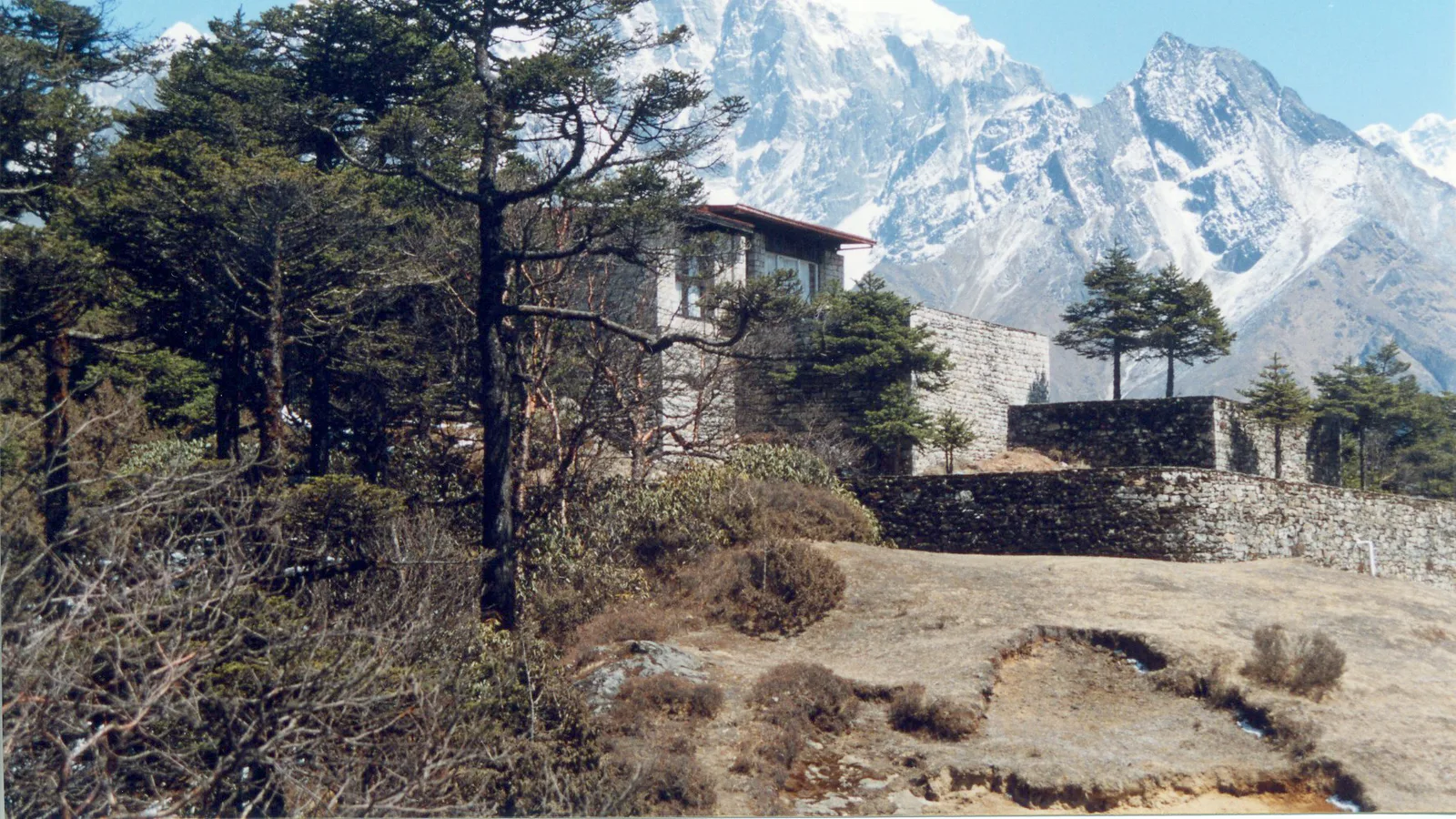
Safety & Advisories
Is the Everest Panorama View Trek Affected by the 2026 Nepal Floods?
No — the Everest View (Panorama) trek in the Khumbu is running normally. The 26 August flood hit Rasuwa in the north, not the Everest region. Here is why Lukla flights and the Namche–Tengboche trail are unaffected.
Safety & Advisories
Is the Ganesh Himal / Ruby Valley Trek Affected by the 2026 Nepal Floods?
Partly — and this is the honest exception. The trail itself was not flooded, but its Syabrubesi gateway and the Kathmandu–Syabrubesi road were hit by the 26 August flood. Assess access before you go — or take an open alternative.
Safety & Advisories
Is the Pikey Peak Trek Affected by the 2026 Nepal Floods?
No — Pikey Peak is a road-access ridge trek in lower Solukhumbu, in the east, on a different river system from the flood-hit Bhote Koshi in Rasuwa. Here is why it is running normally — and the one road detail to confirm.