
Is the Everest Three High Passes Trek Affected by the 2026 Nepal Floods?
No — the Kongma La, Cho La and Renjo La are all running normally. The 26 August flood hit Rasuwa in the north, not the Khumbu. Here is why the Everest high passes are unaffected.
📍 Developing story — live figures
The 2026 Nepal floods are a developing emergency and the casualty and damage numbers are still moving. For the latest verified death toll, missing and rescued figures, and region-by-region trek status, follow our continuously-updated Nepal Floods 2026: Live Updates — we do not freeze provisional numbers into a page like this one.
Last updated: 29 August 2026. If you are booked on the Everest Three High Passes trek this autumn, here is the short, honest answer.
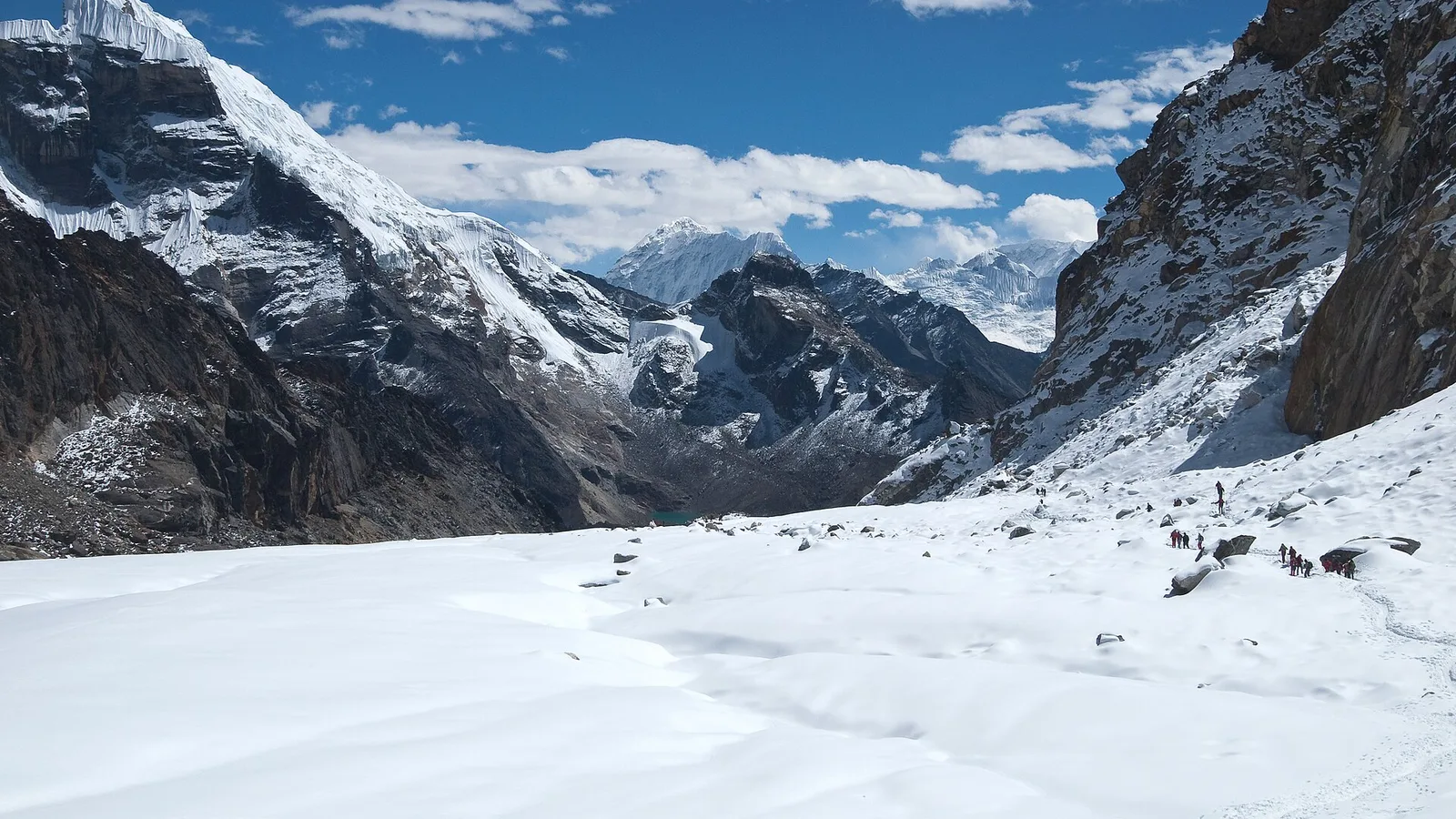
Is the Everest Three High Passes trek affected by the 2026 Nepal floods? No — the whole route is running normally. The flash flood of 26 August 2026 struck the Rasuwa district in Nepal's north: the Bhote Koshi, the Tibet border at Rasuwagadhi, and the Langtang road-head. The Three Passes circuit — Kongma La, Cho La and Renjo La — is entirely in the Khumbu, the Everest region, more than 100 km east, over separate ranges and drained by a separate river. Flights to Lukla are operating, the passes are open, and the teahouses on all three arms of the loop are running as usual. If your Three Passes trip is booked for October or November, your plans stand.
Everest Three High Passes trek — the honest status
- Affected? No. The flood was on the Bhote Koshi in Rasuwa. All three passes are in the Khumbu — a different watershed, more than 100 km away.
- Access? Open. The trek starts with a flight to Lukla; in autumn (25 September–30 November 2026) those flights operate from Ramechhap (Manthali) rather than Kathmandu — a routine seasonal switch, unrelated to the flood. The passes themselves are weather-and-snow dependent as they always are, so we time them carefully and keep a contingency day. Confirm your Lukla flight on the day.
- Best season? October–November. The clearest, most stable window for crossing 5,300–5,500 m passes — and the flood zone is nowhere near the loop.
Why all three passes sit in a different watershed from Rasuwa
Nepal's trekking regions are separated by great ranges and drained by rivers that never meet until the plains. The 26 August flood came down the Bhote Koshi, out of Tibet into Rasuwa and on into the Trishuli. The Three Passes circuit stays entirely within the Dudh Koshi system of the Khumbu — the Imja Khola on the eastern arm, the Gokyo and Bhote Koshi-Khumbu drainages on the west (a local river of the same name, not the Rasuwa one). These are days apart on the map from the flood. A flood in Rasuwa has no physical route to the Kongma La, the Cho La or the Renjo La.
Worst-hit were Timure and Syabrubesi in Rasuwa — the road-head for Langtang, not for Everest. Nothing on the Three Passes loop passes through Rasuwa, and none of your permits are issued there.
The Three Passes loop, arm by arm
The Three Passes is the most demanding of the classic Khumbu treks — a high circuit that usually takes in Base Camp and the Gokyo lakes as well. The clearest way to see it is unaffected is to check each arm against the flood zone.
| Region / stage | Status | What to do |
|---|---|---|
| Kathmandu (arrival, permits, briefing) | Normal | Nothing — unaffected central hub |
| Flight to Lukla (2,860 m), autumn via Ramechhap | Operating | Keep a buffer day; confirm the flight on the day |
| Namche, Chhukung & Kongma La (5,535 m) | Trail & pass open | Trek as planned; acclimatise fully |
| Everest Base Camp & Cho La (5,420 m) | Open | Cross the pass in good weather, as always |
| Gokyo lakes & Renjo La (5,360 m) | Open, lakes normal | Trek as planned |
| Rasuwa / Bhote Koshi corridor | Flood-hit | Not on this route — irrelevant to the loop |
Your permits are the two the Khumbu uses throughout: the Sagarmatha National Park entry and the Khumbu Pasang Lhamu rural-municipality permit — no TIMS card in the Everest region. Neither is issued in or routed through Rasuwa, so the flood does not touch your paperwork.
Is there anything to watch on a Three Passes trip?
On the flood question, no. The things that genuinely matter on this trek are the things that always matter at altitude, and they are bigger than any news event: this is a high, serious circuit that crosses three passes above 5,300 m, and it demands real acclimatisation, fitness, and flexibility with the weather. That is exactly why we run it over roughly 20 days with a contingency day built in — snow can close a pass for a day regardless of what is happening anywhere else in the country. The Rasuwa flood is a real reminder that Nepal faces fast mountain hazards, and we cover it seriously elsewhere. It simply is not a factor on the Kongma La, the Cho La or the Renjo La.
A local guide's take — Bishnu Adhikari
I build the logistics for this circuit, so here is the number that matters: every stage of the Three Passes is 100 km or more east of the flood, over ranges, on a separate river. There is no path for a Bhote Koshi flood to reach these passes. What decides your trip is snow, weather and acclimatisation — not Rasuwa. My thoughts are with the families in the flood zone; that is where the concern belongs. If your route is the Three Passes, keep your dates — autumn is the only sensible window to cross all three, and it is nearly here.
Booked, or weighing it up? Ask us anything — no pressure
For a straight answer about your exact dates and pass timing, message us on WhatsApp or use our contact page. Our full route, day by day and with real prices, is here: Everest Three High Passes Trek — 20 days. We will be honest about whether your fitness and dates suit the loop.
What you can book for autumn
Everest high-route trips running normally this October and November
These are the departures we are putting people on right now, priced from the per-person rate a small group pays:
- Everest Three High Passes Trek — 20 days · from US$2,250 per person in a small group. All three passes, Base Camp and the Gokyo lakes.
- EBC via Gokyo Lakes — 15 days · from US$1,850 per person in a small group. One pass (the Cho La) linking the lakes to Base Camp.
- Gokyo Valley & Lakes Trek — 12 days · from US$1,420 per person in a small group. The gentler high option, no big passes.
Related reading
- Nepal trekking conditions right now: region-by-region status after the 2026 floods
- Bhote Koshi flash flood, 26 August 2026: what happened in Rasuwa district
- Nepal Floods 2026: live updates, death toll and trek status
Sources: current Lukla-flight scheduling (autumn 2026 flights operating from Ramechhap) per Nepal operator advisories; region and route details reflect our own on-the-ground knowledge of the Khumbu and Rasuwa. Flood figures are held in the live tracker, which we update as authorities confirm them; conditions in the flood zone are still being assessed. Passes are always weather-and-snow dependent — confirm timing with your guide.
If you want to help. Nepal’s official relief channel is the government’s Prime Minister’s Disaster Relief Fund — restricted by law to rescue, relief and rehabilitation, audited annually, and it takes international cards directly. We collect nothing and receive nothing. Be careful of account numbers circulating in forwarded messages: disaster fundraising draws scams within days.
Cover photo: Vyacheslav Argenberg via Wikimedia Commons (CC BY 4.0).
计划徒步?
我们负责许可证、后勤与向导
NMA 认证的本地向导,价格透明,自 1998 年以来 5,000+ 次徒步。告诉我们你的日期,其余的交给我们。

更多「Safety & Advisories」
Safety & Advisories
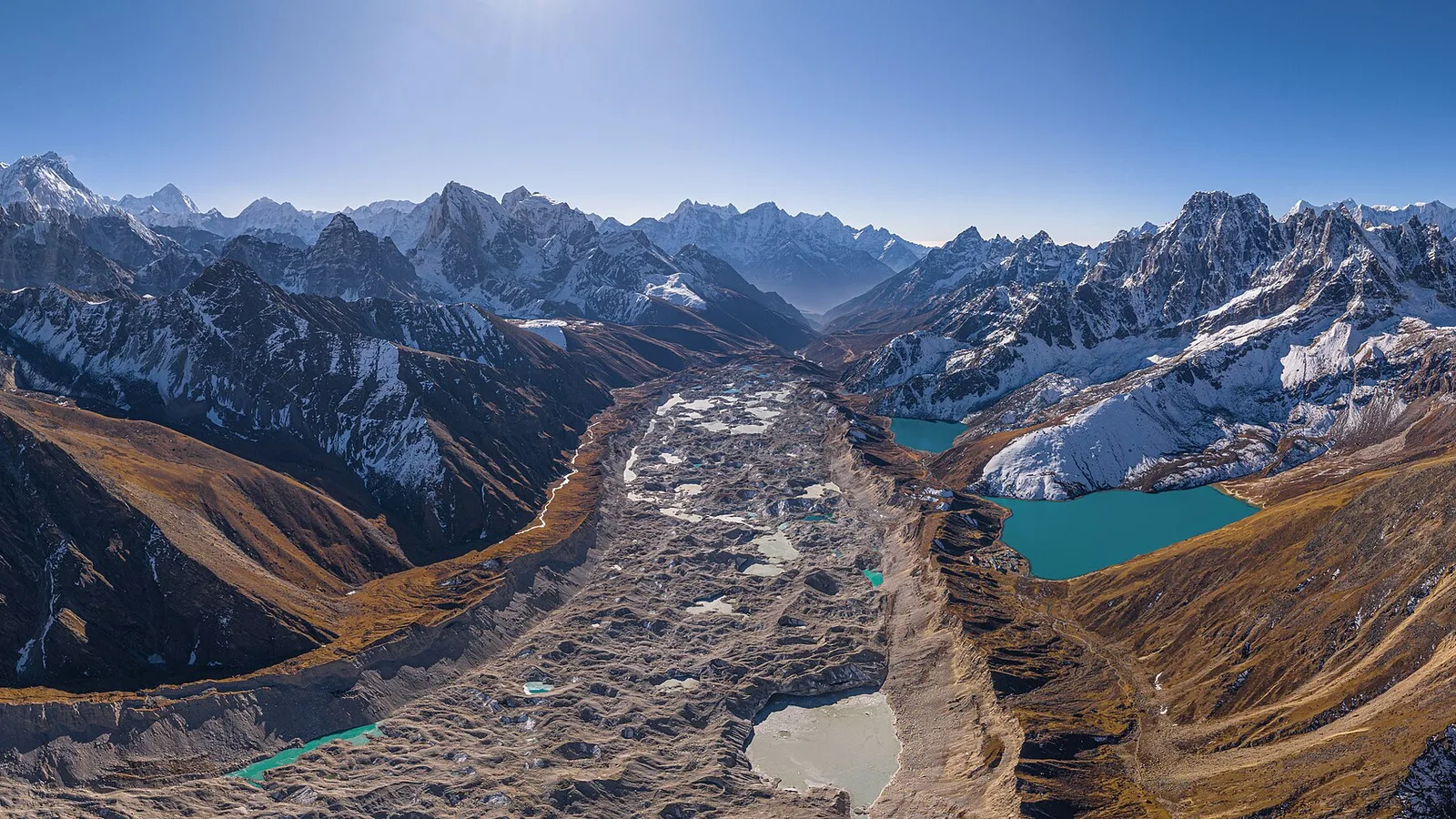
Is the Gokyo Lakes Trek Affected by the 2026 Nepal Floods?
No — the Gokyo valley in the Everest region is running normally. The 26 August flood hit Rasuwa in the north, not the Khumbu. Here is why Lukla flights and the Gokyo Lakes trail are unaffected.
Safety & Advisories
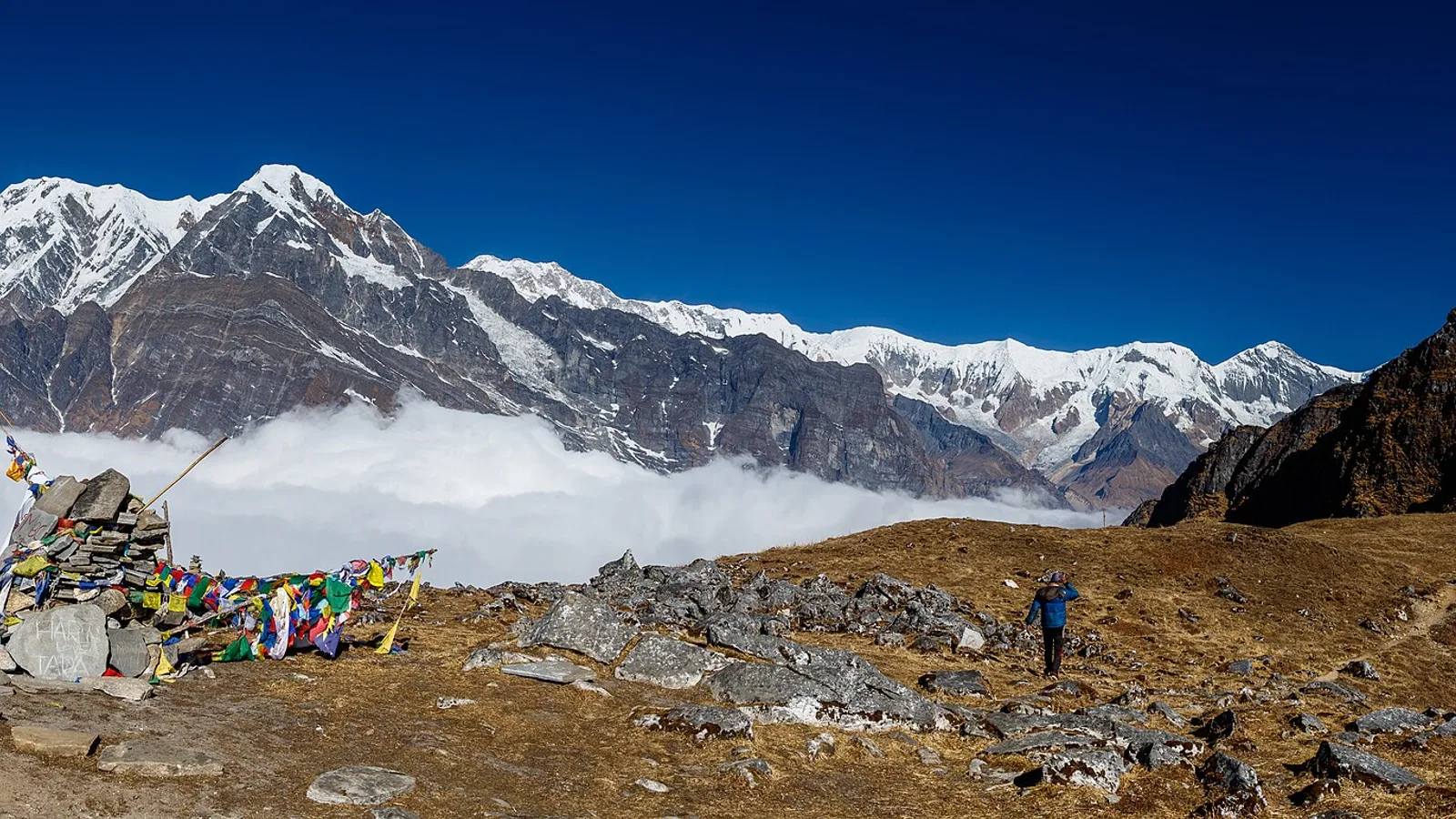
Is the Mardi Himal Trek Affected by the 2026 Nepal Floods?
No — Mardi Himal is an Annapurna ridge trek from Pokhara, well away from the flood-hit Bhote Koshi in Rasuwa, and it is running normally. Here is why the ridge and its access are unaffected.
Safety & Advisories
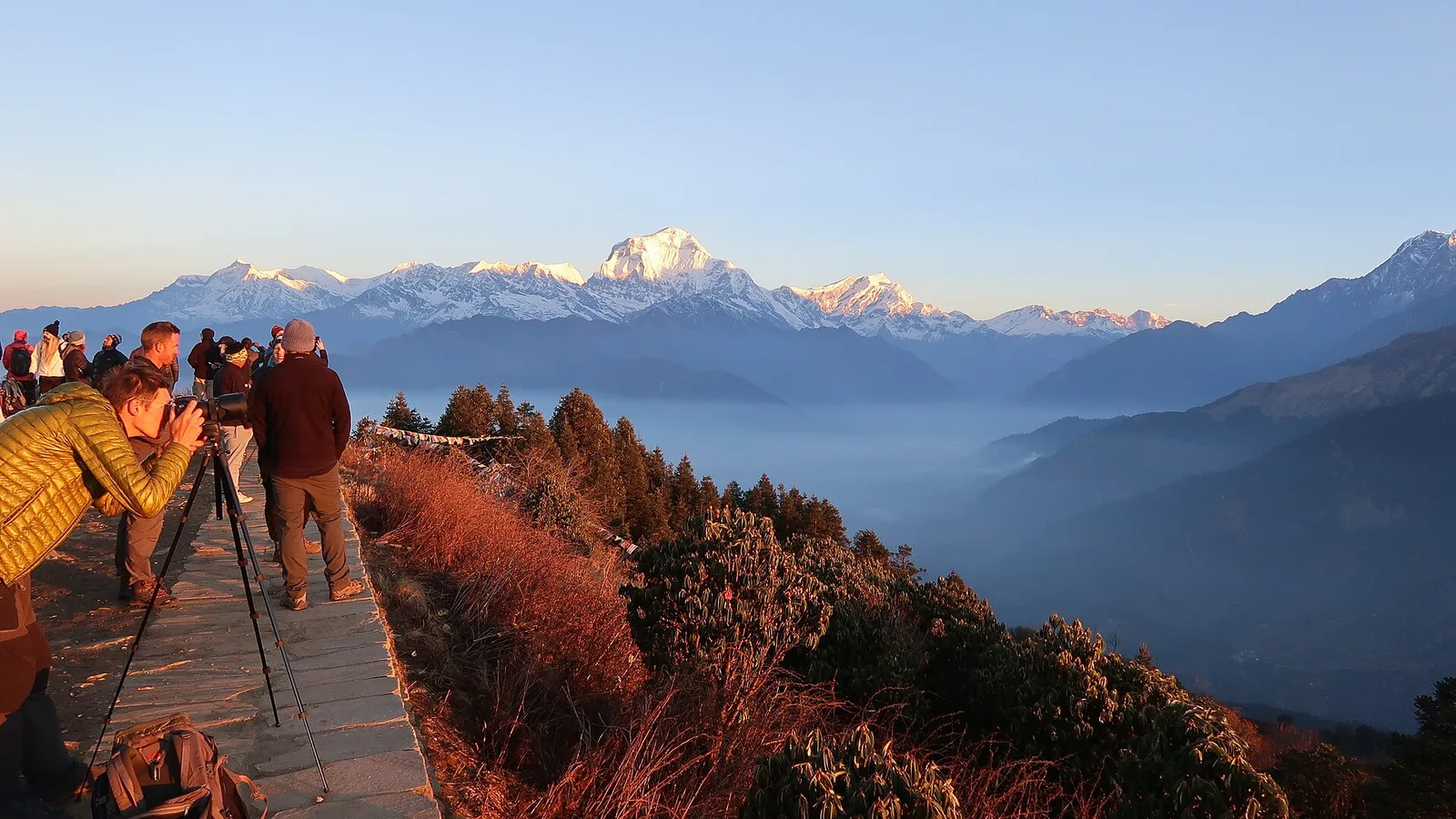
Is the Ghorepani Poon Hill Trek Affected by the 2026 Nepal Floods?
No — Poon Hill is an Annapurna-region trek out of Pokhara, on the far side of Nepal from the Rasuwa flood, and it is running normally. Here is why, plus the one seasonal road note for first-timers.