
Is a Lumbini Tour Affected by the 2026 Nepal Floods?
No — Lumbini, the Buddha's birthplace, sits in the far-southern Terai in Rupandehi, hundreds of kilometres from the Rasuwa flood, and the sacred garden is open. The one honest caveat is overland travel timing across the monsoon-hit plains. Here is the full picture.
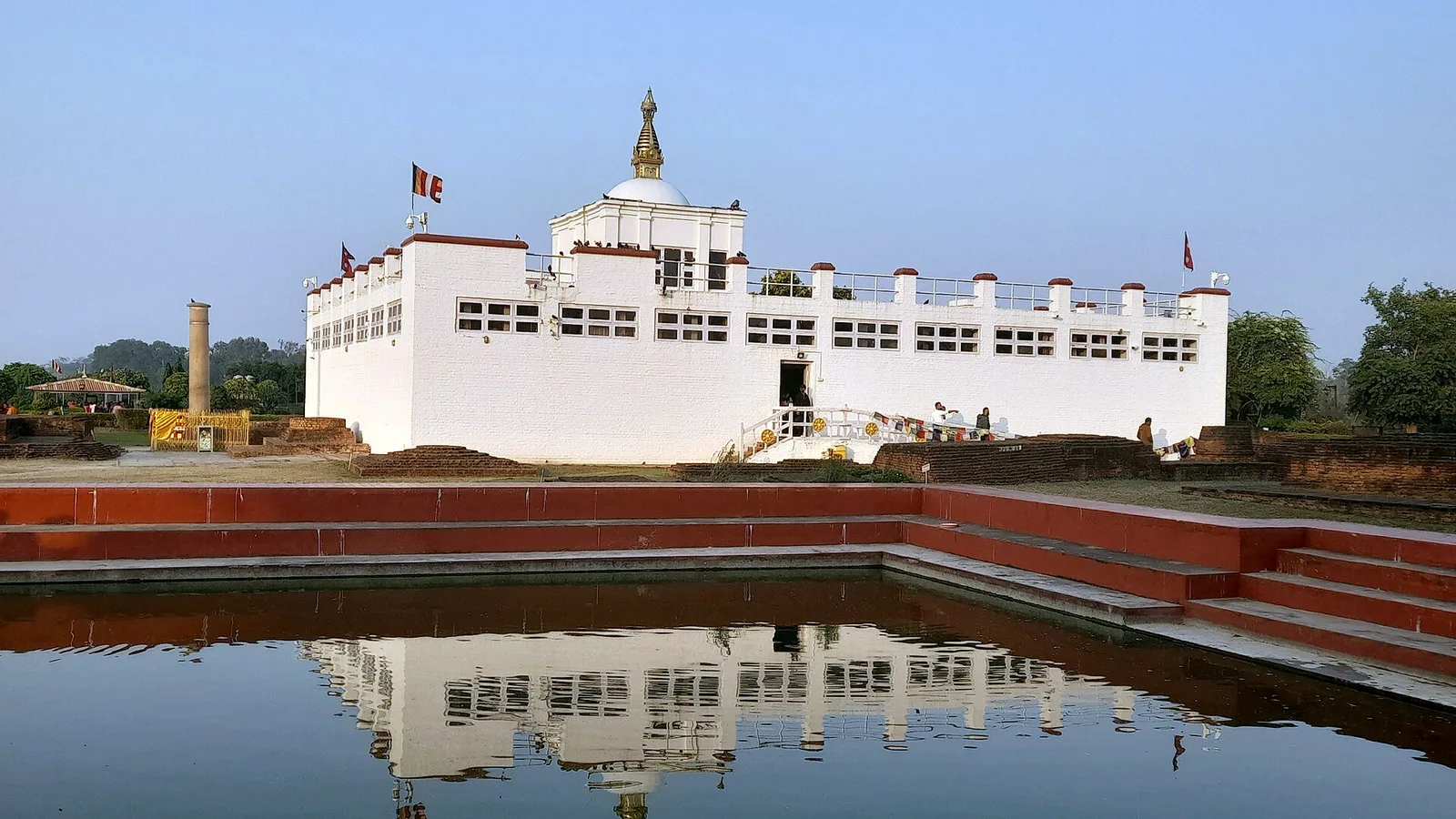
📍 Developing story — live updates
The 2026 Nepal floods are a nationwide, still-developing emergency and the figures are rising. For the latest verified death toll, missing and rescued numbers and trek status, follow our continuously updated Nepal Floods 2026: Live Updates.
Last updated: 29 August 2026. If you are planning a pilgrimage or a cultural visit to Lumbini and the flood news has you worried, here is the honest answer first, then the detail.
Is a Lumbini tour affected by the 2026 Nepal floods? No — the sacred site itself is unaffected and open. Lumbini, the birthplace of the Buddha, lies in Rupandehi district in the far-southern Terai plains, close to the Indian border and hundreds of kilometres southwest of the flood. The flash flood of 26 August 2026 struck Rasuwa district on the far northern Tibet frontier, above the Langtang valley — a completely different part of the country, high in the mountains. Lumbini’s Maya Devi Temple, the sacred garden, the Ashoka pillar and the international monastic zone are open. The one honest caveat is not Lumbini itself but the journey to it: the wider late-monsoon emergency has caused flooding and landslides across parts of the southern and central lowlands, so if you are travelling overland you should confirm road conditions on the day.
Lumbini tour — the honest status
- Is Lumbini affected? No. The flood was a mountain glacial surge in Rasuwa, in the far north. Lumbini is flat Terai farmland in the far south, near the Indian border — a different landscape and a different watershed entirely.
- The sacred site is open. The Maya Devi Temple, the marker stone of the Buddha’s birthplace, the sacred pond, the Ashoka pillar and the monastic zone are all receiving pilgrims and visitors.
- Access is easy and low-lying. Lumbini is served by Gautam Buddha International Airport at nearby Bhairahawa (about 25 km away) and by the Siddhartha and East–West highways. It is a short hop by air from Kathmandu.
- The honest caveat is overland timing. Nepal’s broader monsoon flooding has hit stretches of the southern plains and disrupted some highways nationwide. That is about getting there overland, not about Lumbini being unsafe — flying in via Bhairahawa sidesteps most of it.
- Best season is right ahead. October to March is the comfortable window in the Terai, when the monsoon has cleared and the fierce lowland heat has eased. Late August is hot and humid.
Where Lumbini is, and why the flood is a world away
Nepal is far more varied than a single flood headline suggests. In the far north, on the Tibet border, are the high mountains — and that is where the disaster struck: a sudden glacial flood down the Bhote Koshi into Rasuwa, hitting the border villages of Timure and Syabrubesi, the road-head for Langtang. In the far south is a different country altogether: the Terai, a belt of flat, fertile plains along the Indian border. Lumbini sits here, in Rupandehi, among rice fields and monasteries, at little more than 150 m above sea level.
Between the two lies the whole width of Nepal’s hills. A mountain flood in Rasuwa has no physical path to the southern plains of Rupandehi; they are on opposite ends of the country and opposite ends of every river system. Reporting collated during the emergency lists the directly flood-hit districts as the northern and central ones along the Trishuli — Rasuwa, Nuwakot and their neighbours — not Rupandehi. Lumbini itself was never in the flood’s path.
The honest part: getting there in the monsoon
We would not be doing our job if we only told you the easy half. The August 2026 disaster is two things at once: the mountain glacial flood in Rasuwa, and a broader nationwide monsoon emergency — heavy rain, flooding and landslides across many southern and central districts. That wider monsoon has, at times, blocked or slowed highways around the country, the southern Terai included. So while Lumbini as a destination is fine, an overland journey across the plains in late August can meet delays that have nothing to do with the glacial flood and everything to do with ordinary heavy-monsoon rain.
The simple way around it is to fly. Gautam Buddha International Airport at Bhairahawa is a short flight from Kathmandu and puts you within half an hour of the sacred garden, avoiding the long road trip in the wettest weeks. By October, when the monsoon lifts, the overland route through the Terai is straightforward again.
A Lumbini visit, stop by stop
| Element | Where / what it is | Status & what to do |
|---|---|---|
| Maya Devi Temple & sacred pond | The exact birthplace of the Buddha | Open — unaffected |
| Ashoka pillar | 3rd-century BCE inscription marking the site | Open — unaffected |
| Monastic zone | Monasteries built by Buddhist nations worldwide | Open — unaffected |
| World Peace Pagoda & museum | Northern end of the sacred garden | Open — unaffected |
| Fly in via Bhairahawa (GBIA) | ~25 km, short flight from Kathmandu | Recommended in the monsoon — avoids road delays |
| Overland via the highways | Siddhartha / East–West highway across the Terai | Reconfirm on the day — wider monsoon flooding can slow routes |
What to do
Go — the site is open and it is one of the great pilgrimages of the world. If you are travelling in the next few weeks while the monsoon still has its tail, fly into Bhairahawa rather than committing to a long overland drive, and keep a day of slack in your plans in case a highway stretch is briefly closed. If you can wait for October or November, you get the best of it: dry skies, easier roads and comfortable temperatures for the slow, contemplative walk the sacred garden is made for. Either way, Lumbini is not a flood-risk decision — it is a travel-timing one.
A local guide’s take
Lumbini is about as far from the Rasuwa flood as you can get and still be in Nepal — hot southern plains against high northern mountains. The sacred garden is open and it is not in any danger. The only real question is how you get there while the monsoon is still running: I would fly you into Bhairahawa and drive the short last stretch, rather than put you on a long highway across the plains in the heaviest rain. Come October it is all easy again. We do not sell a fixed Lumbini package, so we build these as private trips — tell me your dates and I will put a sensible one together.
How to book Lumbini with us
We build Lumbini as a private, tailor-made trip
We do not run a fixed-departure Lumbini tour, so the right way to arrange one is a quick conversation — dates, how you want to travel, and whether you are pairing it with the Kathmandu Valley or a Terai wildlife stop. Message us on WhatsApp or use the contact form and we will put together a private Lumbini itinerary around your plans, including the Bhairahawa flight.
Many visitors pair Lumbini with the cultural heart of the country. These trips are running normally and well away from the flood zone:
- Kathmandu Valley Cultural Tour — 3 days · from US$245 per person in a group of eight (US$335 solo). The valley’s UNESCO heritage circuit — a natural companion to a Buddhist pilgrimage.
- Kathmandu & Pokhara Tour — 5 days · from US$410 per person (US$580 solo). Nepal’s two great cultural bases, both unaffected by the flood.
Related reading
- Nepal trekking conditions right now: region-by-region status after the 2026 floods
- Bhote Koshi flash flood, 26 August 2026: what happened in Rasuwa district
- Nepal Floods 2026: live updates, death toll and trek status
Sources: reporting collated by Wikipedia — 2026 Nepal floods and outlets including Al Jazeera; site status per the Nepal Tourism Board. Overland road notes reflect the wider late-monsoon emergency and should be reconfirmed near the date of travel.
Cover photo: Rangan Datta Wiki via Wikimedia Commons (CC BY-SA 4.0).
计划徒步?
我们负责许可证、后勤与向导
NMA 认证的本地向导,价格透明,自 1998 年以来 5,000+ 次徒步。告诉我们你的日期,其余的交给我们。


更多「Safety & Advisories」
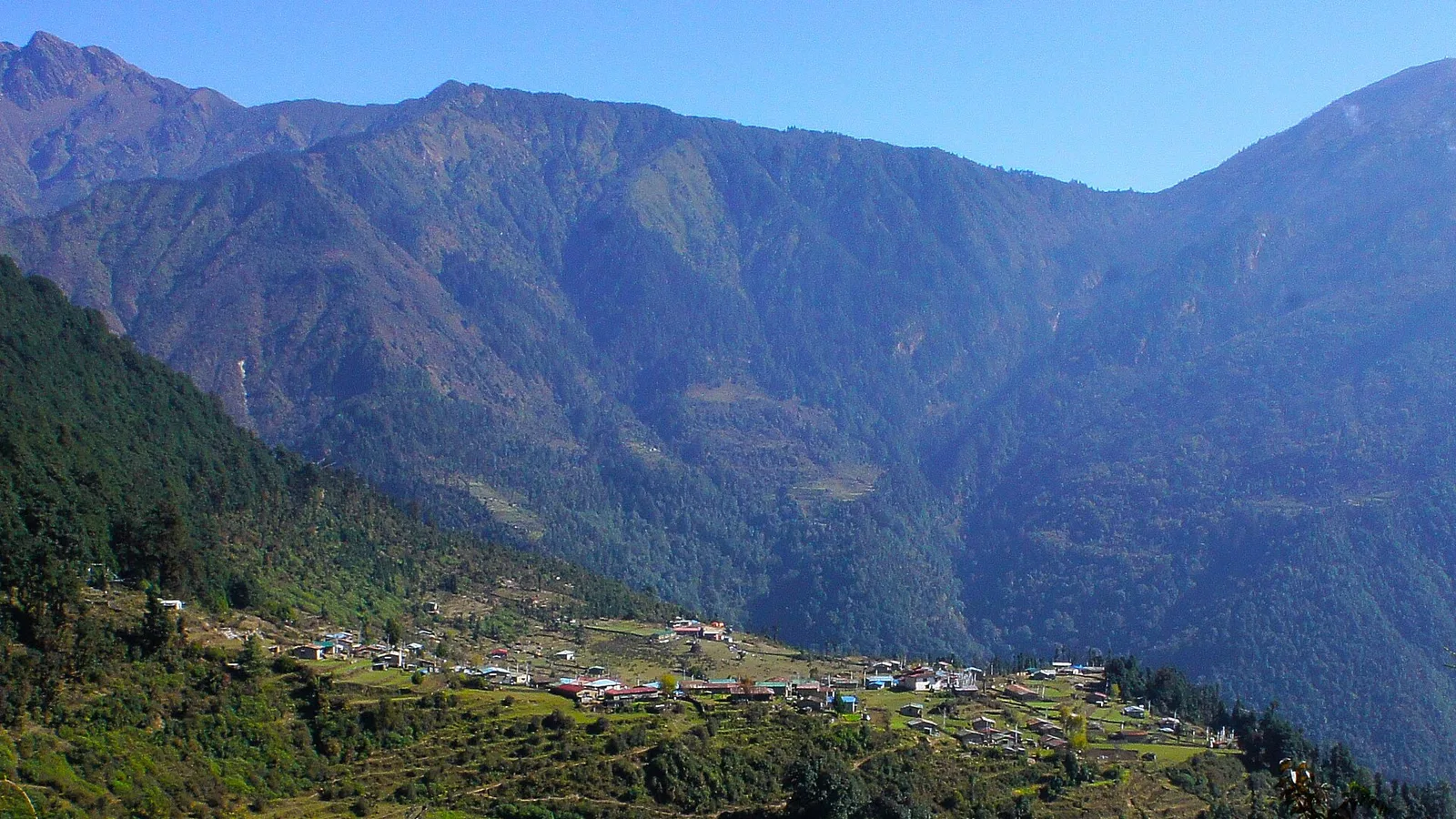
Safety & Advisories
Is the Helambu Trek Affected by the 2026 Nepal Floods?
Mostly no, but this one needs a real check. The Helambu trails were not hit by the Rasuwa flood, but Helambu sits on the edge of the disruption zone on a monsoon-fragile access road. Reconfirm road access before you commit — and right now the no-doubt choice is Poon Hill or Annapurna.
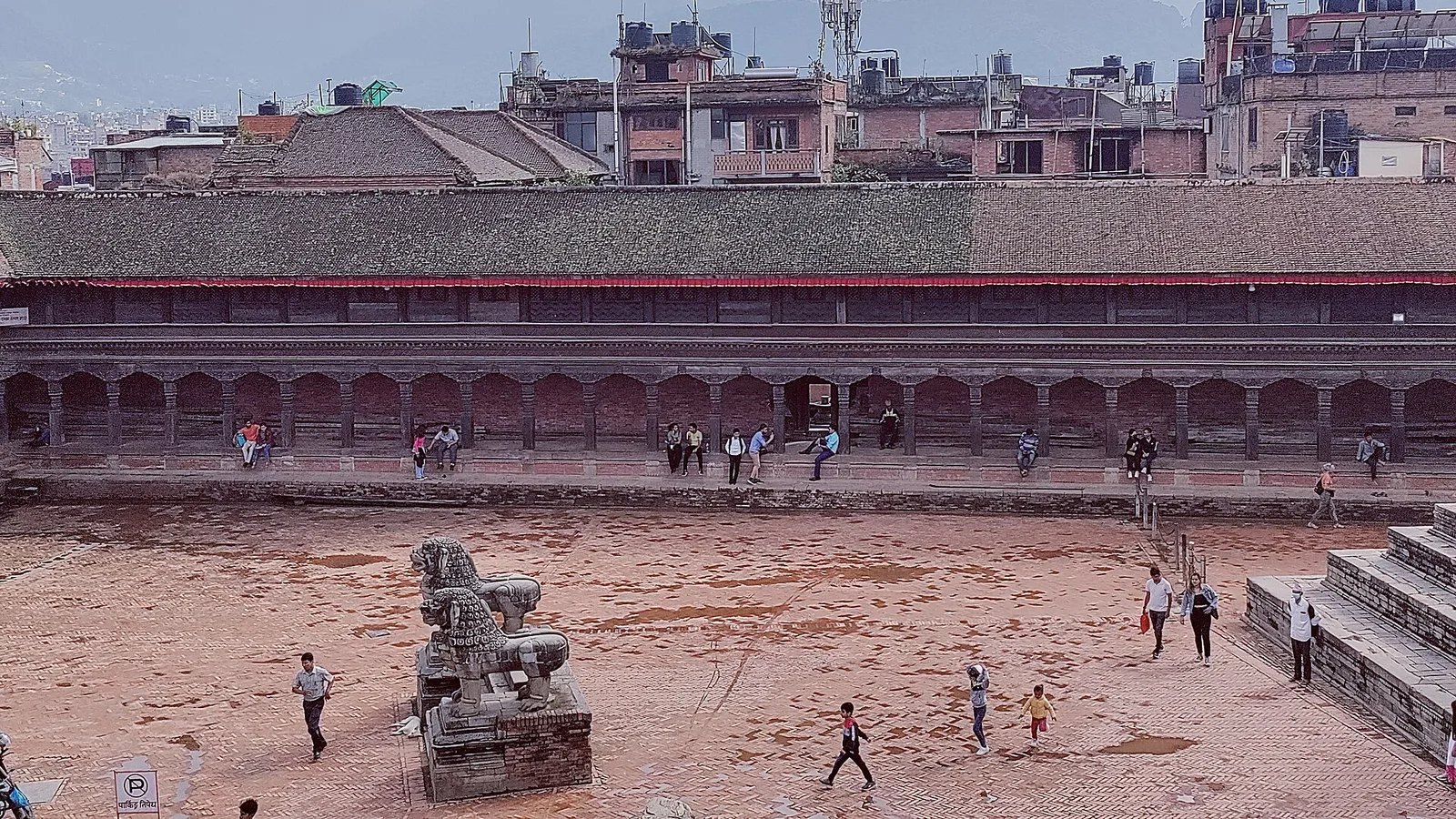
Safety & Advisories
Is a Kathmandu Valley Tour Affected by the 2026 Nepal Floods?
No — Kathmandu is the capital, at about 1,400 m in central Nepal, well south of the Rasuwa flood. The airport is running normally and every UNESCO heritage site in the valley is open. Here is the honest, detailed status.
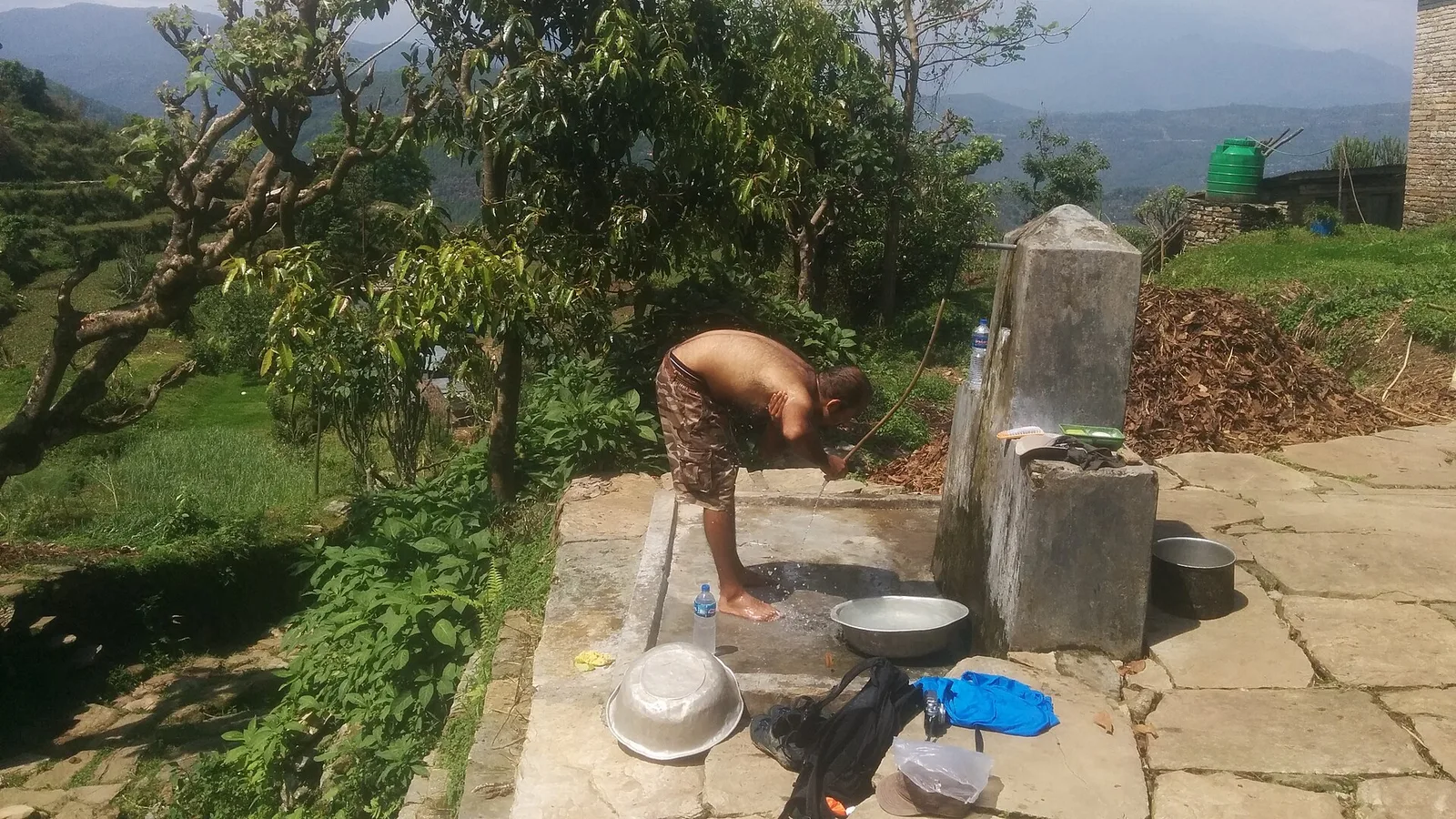
Safety & Advisories
Is the Panchase Trek Affected by the 2026 Nepal Floods?
No — Panchase is a short forested ridge right beside Pokhara in the Annapurna foothills, far from the Rasuwa flood, and it is open. Here is the honest status and why it is a good monsoon-shoulder pick.