
Is a Kathmandu Valley Tour Affected by the 2026 Nepal Floods?
No — Kathmandu is the capital, at about 1,400 m in central Nepal, well south of the Rasuwa flood. The airport is running normally and every UNESCO heritage site in the valley is open. Here is the honest, detailed status.
📍 Developing story — live updates
The 2026 Nepal floods are a nationwide, still-developing emergency and the figures are rising. For the latest verified death toll, missing and rescued numbers and trek status, follow our continuously updated Nepal Floods 2026: Live Updates.
Last updated: 29 August 2026. If you have a Kathmandu trip booked and the flood headlines have made you nervous, here is the plain answer first, then the detail.
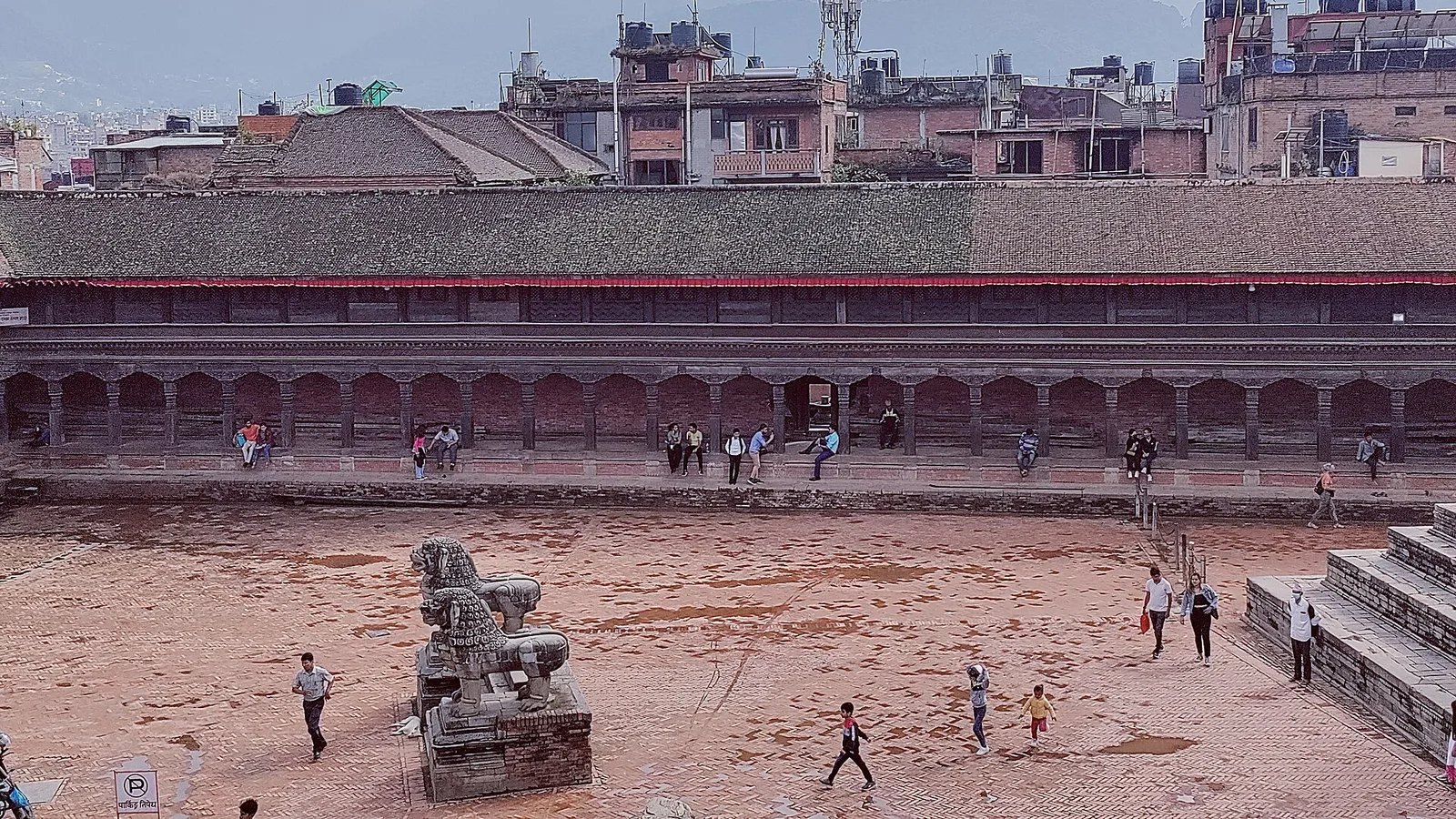
Is a Kathmandu Valley cultural tour affected by the 2026 Nepal floods? No. Kathmandu is Nepal’s capital, sitting in a broad valley at about 1,400 m in the centre of the country. The flash flood of 26 August 2026 came down the Bhote Koshi river in Rasuwa district, on the Tibet frontier a full day’s drive north of the city, above the Langtang valley. It did not touch the Kathmandu Valley. Tribhuvan International Airport is operating normally, and all seven UNESCO World Heritage sites in the valley — the three Durbar Squares, Swayambhunath, Boudhanath, Pashupatinath and Changu Narayan — are open and receiving visitors. Your sightseeing plans do not change.
Kathmandu Valley tour — the honest status
- Affected by the flood? No. The flood was in Rasuwa, on the Bhote Koshi, more than 100 km north. Kathmandu sits in a separate valley on the Bagmati river system and was not flooded.
- The airport is normal. Tribhuvan International (KTM) is running scheduled international and domestic flights as usual. Thamel, the tourist quarter, is fully open — hotels, restaurants and shops trading normally.
- Every heritage site is open. Kathmandu, Patan and Bhaktapur Durbar Squares; the stupas of Swayambhunath and Boudhanath; Pashupatinath temple; and the hilltop temple of Changu Narayan — all seven UNESCO sites of the valley are receiving visitors.
- It is a low, city-based trip. No mountain roads, no high passes, no river gorges. A Kathmandu Valley tour is entirely on paved valley roads between towns 5–13 km apart.
- One honest, seasonal note. It is still late monsoon until mid-September, so expect the odd short afternoon downpour and hazy views. That is normal Kathmandu weather for the season, not flood disruption. October and November bring the clear, dry skies the valley is famous for.
Where Kathmandu is, and why the flood did not reach it
Nepal is not one small place where a single flood touches everything. Its regions are separated by great ranges and drained by rivers that never meet until far down in the plains. The 26 August flood was a sudden glacial surge down the Bhote Koshi, entering Nepal through Rasuwa and hitting the border settlements of Timure and Syabrubesi — the road-head for Langtang treks — hardest. That is mountain country on the Tibet border, reached only by a long drive north from the capital.
The Kathmandu Valley sits well south of that, a bowl of three historic cities — Kathmandu, Patan and Bhaktapur — ringed by green hills and drained by the Bagmati. The flood water went the other way, north and down the Trishuli. As the Nepal Tourism Board and multiple outlets have confirmed, the capital, its airport and its heritage sites are unaffected and operating normally. The one practical thing the flood changed for a valley visitor is nothing at all.
A Kathmandu Valley tour, site by site
Here is the classic circuit, checked against the flood zone. Every stop is inside the valley, on ordinary city roads.
| Site | What it is | Status & what to do |
|---|---|---|
| Kathmandu Durbar Square | Old royal palace, Hanuman Dhoka, Kumari house | Open — unaffected |
| Swayambhunath | Hilltop “Monkey Temple” stupa | Open — unaffected |
| Boudhanath | One of the world’s largest stupas, Tibetan quarter | Open — unaffected |
| Pashupatinath | Sacred Hindu temple on the Bagmati | Open — unaffected |
| Patan Durbar Square | Newar art city, Krishna Mandir, museum | Open — unaffected |
| Bhaktapur Durbar Square | Best-preserved medieval city, Nyatapola temple | Open — unaffected |
| Changu Narayan | Oldest Hindu temple in the valley | Open — unaffected |
None of these sits on a mountain road or a flood-prone river gorge. The distances between them are short and paved, and the drive from your hotel to any of them is a matter of minutes, not the long mountain journeys the flood disrupted further north.
The best time to visit — and it is almost here
A valley tour runs comfortably year-round, but the finest window is right ahead. October and November bring dry, clear air and the crisp light that makes Bhaktapur’s brickwork glow and, on a good morning, floats the white Himalaya on the northern skyline above Nagarkot. March to May is the other strong season. Right now, in the tail of the monsoon, you get greener hills, fewer crowds and the occasional short shower — a fair trade if you like a quieter Durbar Square.
What to do
Come as planned. There is nothing to reschedule and nothing to avoid inside the valley. Carry a light rain layer through mid-September, start heritage visits early to beat both the afternoon cloud and the mid-day heat, and give Bhaktapur a full unhurried afternoon rather than a rushed hour — it rewards it. If your wider itinerary was going to add a Langtang trek, that is the one piece to rethink, and we are happy to swap it for an open region; the valley portion itself stands.
A local guide’s take
I run heritage days in the valley most weeks, and I will say it plainly: Kathmandu is fine. The flood was on the far northern border, on a different river, above Langtang — a day’s drive from the city and with no bearing on a Durbar Square walk. The only thing the monsoon changes for a valley tour is that I start us early so we finish the outdoor squares before the afternoon cloud rolls in. Come now for green, quiet courtyards, or come in October for that hard, clear light. Either way the temples are open and waiting.
What you can book
Kathmandu Valley tours running normally
These are the trips we are putting people on right now, priced from the per-person rate a small group pays:
- Kathmandu Valley Cultural Tour — 3 days · from US$245 per person in a group of eight (US$335 solo). The full heritage circuit at an unhurried pace.
- Kathmandu UNESCO Heritage Sites — 1 day · from US$55 per person (US$85 solo). The essential sites in a single guided day.
- Kathmandu & Pokhara Tour — 5 days · from US$410 per person (US$580 solo). The valley plus lakeside Pokhara — both well away from the flood zone.
Want to add a day, a driver, or a Nagarkot sunrise? Message us on WhatsApp or use the contact form. If any part of your trip touched Langtang, tell us and we will suggest an open swap.
Related reading
- Nepal trekking conditions right now: region-by-region status after the 2026 floods
- Bhote Koshi flash flood, 26 August 2026: what happened in Rasuwa district
- Nepal Floods 2026: live updates, death toll and trek status
Sources: Nepal Tourism Board advisories and reporting collated by Wikipedia — 2026 Nepal floods; airport and heritage-site status per outlets including CNN live coverage. Late-monsoon weather notes reflect normal seasonal conditions and should be reconfirmed near the date of travel.
Cover photo: Janak Bhatta via Wikimedia Commons (CC BY-SA 4.0).
计划徒步?
我们负责许可证、后勤与向导
NMA 认证的本地向导,价格透明,自 1998 年以来 5,000+ 次徒步。告诉我们你的日期,其余的交给我们。


更多「Safety & Advisories」
Safety & Advisories
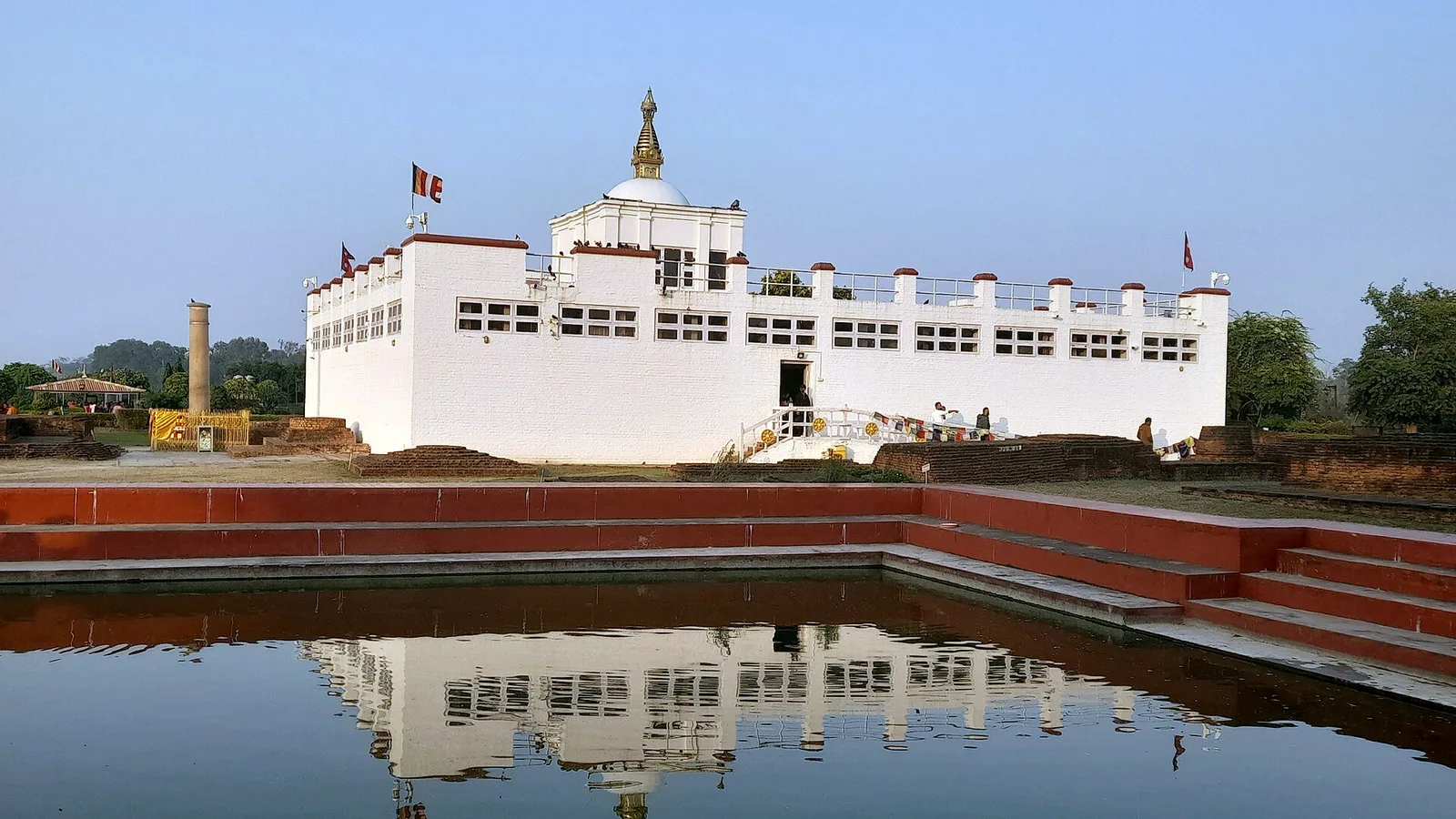
Is a Lumbini Tour Affected by the 2026 Nepal Floods?
No — Lumbini, the Buddha's birthplace, sits in the far-southern Terai in Rupandehi, hundreds of kilometres from the Rasuwa flood, and the sacred garden is open. The one honest caveat is overland travel timing across the monsoon-hit plains. Here is the full picture.
Safety & Advisories
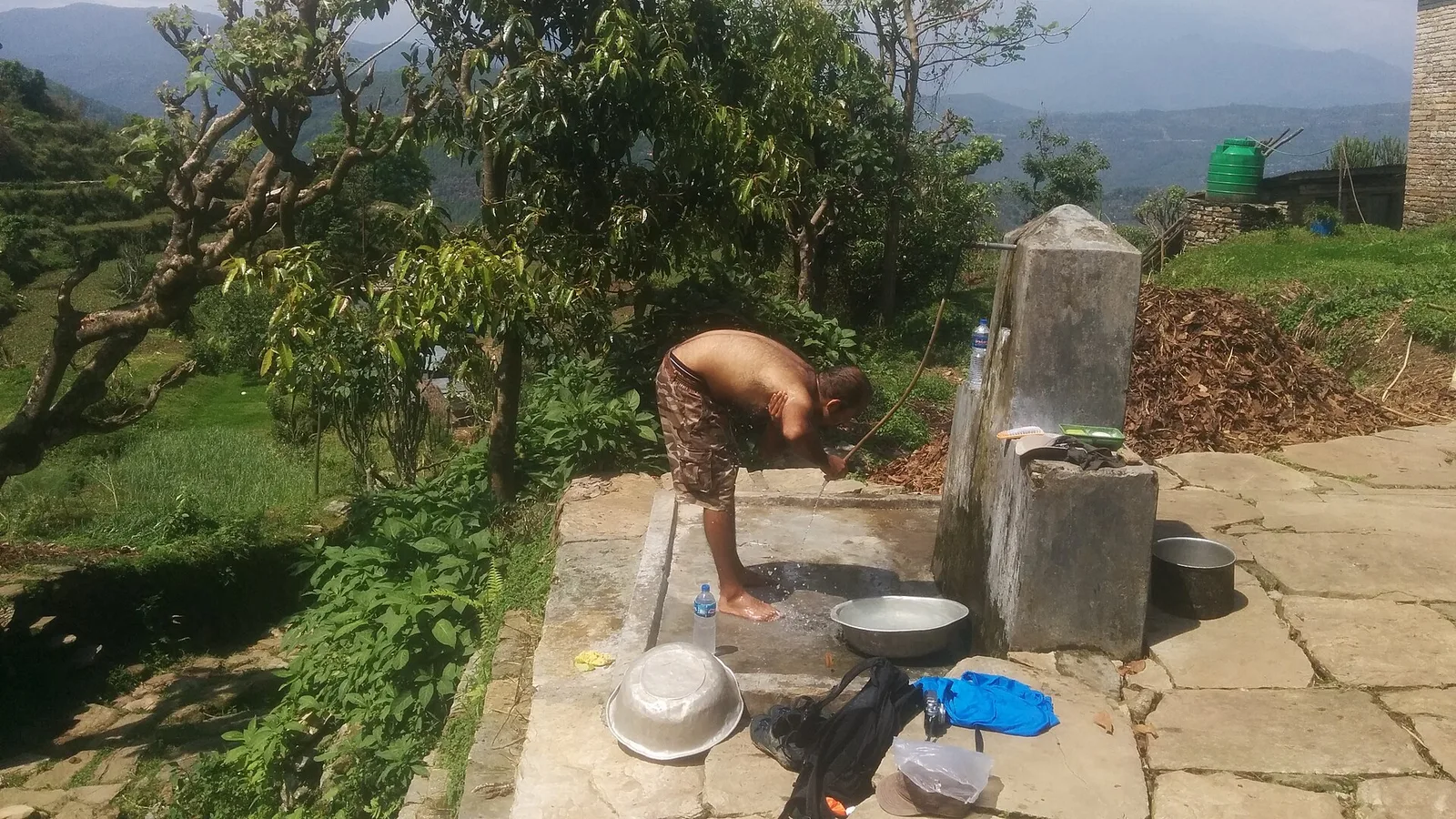
Is the Panchase Trek Affected by the 2026 Nepal Floods?
No — Panchase is a short forested ridge right beside Pokhara in the Annapurna foothills, far from the Rasuwa flood, and it is open. Here is the honest status and why it is a good monsoon-shoulder pick.
Safety & Advisories
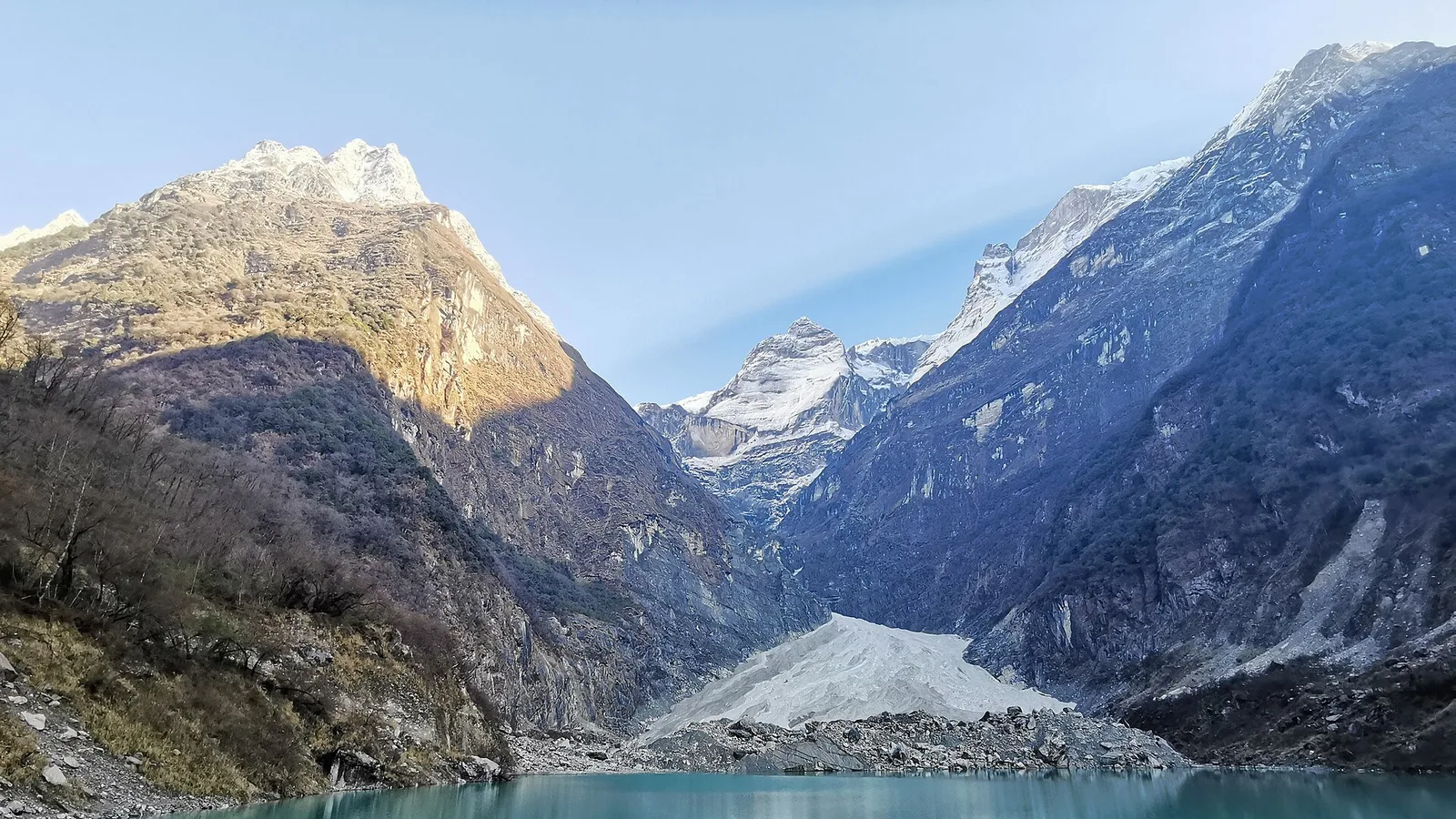
Is the Kapuche Lake & Sikles Trek Affected by the 2026 Nepal Floods?
No — Kapuche Lake and Sikles sit in the Annapurna region east of Pokhara, on a different river system from the Rasuwa flood, and the route is running normally. Here is the honest status and the late-monsoon road note.