
Nepal Is Home to the World's Largest Rhododendron Forest, and It Blooms Blood-Red Every Spring
Inside the Annapurna forest above Ghorepani that turns crimson for ten weeks a year, and the narrow window when the low, mid and high bloom all line up at once.
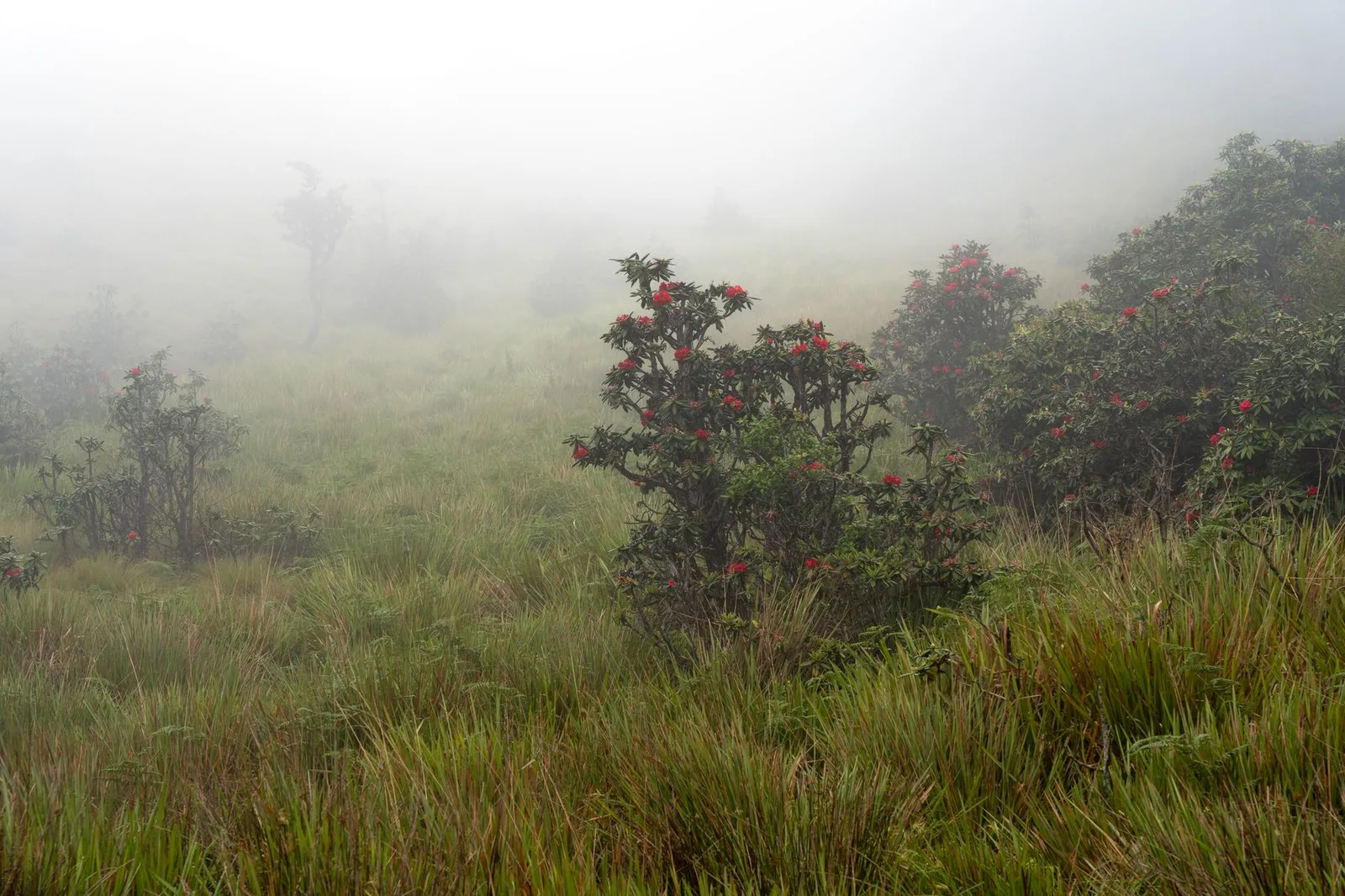
Somewhere above the village of Ghorepani, in the Annapurna foothills, an entire mountainside turns the colour of red wine every spring — and the forest doing it is widely described by botanists and Nepali travel writers as the largest of its kind on Earth.
The colour comes from Lali Guras, Rhododendron arboreum, Nepal's national flower. For roughly ten weeks a year, from late February to early May, it turns the trekking trail above Ghorepani into a corridor of red, pink and white blossom, with Annapurna South, Dhaulagiri and Machhapuchhre rising behind it at dawn from the 3,210-metre viewpoint at Poon Hill.
Key facts
- Rhododendron (Lali Guras) has been Nepal's national flower since 1 February 1962, chosen by a nationwide competition that drew over 1,000 entries.
- Nepal holds more than 30 of the world's roughly 1,000 rhododendron species, spread across about 40 of the country's districts.
- The Ghorepani–Poon Hill forest, inside the Annapurna Conservation Area, is widely cited as the largest rhododendron forest in the world.
- Peak bloom moves with altitude — from around 1,500m in late February to above 3,500m by early May.
The flower's status is not a tourism-board invention. The late King Mahendra formally declared it the national flower in 1962, it was reaffirmed in Nepal's 2015 constitution, and it still appears on the 500 and 1,000 rupee banknotes and on the national coat of arms. Gurkha soldiers once tucked a blossom into their hats as a badge of home, and villagers across the mid-hills still press the petals into juice and pickle every spring — a use that predates the national symbol by generations.
Why Ghorepani, specifically
The Annapurna Conservation Area sits at the exact elevation band, rainfall and soil acidity that Rhododendron arboreum needs to dominate a forest canopy instead of growing as scattered undergrowth. Around Ghorepani, in Myagdi district, that band is wide and undisturbed enough that the rhododendron has simply taken over the hillside — which is why The Kathmandu Post and trekking guides across the region routinely call it the largest such forest anywhere. The Ghorepani Poon Hill trek is built almost entirely around walking through it.
The bloom does not arrive everywhere at once. It climbs the mountain gradually over ten weeks, which is worth knowing before booking flights around it.
Around 1,500–2,000m near Tikhedhunga and Ulleri, the earliest Rhododendron arboreum opens.
Between 2,500–3,000m around Ghorepani and Deurali, red, pink and white varieties layer together.
At 3,210m, the classic sunrise viewpoint frames Dhaulagiri and Annapurna South through red canopy.
Above 3,500m toward Mardi Himal and the Annapurna Sanctuary, the last high-altitude varieties open.
What this means for trekkers
Most foreign visitors time a Nepal trip around Everest or Annapurna Base Camp season and never learn there is a second, entirely different reason to come in spring. The Annapurna region guide covers the wider trekking calendar, but for the bloom specifically, the window is narrow and altitude-dependent: arrive too early and only the lower forest is out; arrive after mid-May and the flowers are gone from everywhere below 3,500m.
What this means for you
Late March to mid-April is the sweet spot — low, mid and high forest are all in bloom at once, and the standard 4–5 day Ghorepani Poon Hill route needs no technical gear and no permit beyond the usual ACAP/TIMS paperwork, so it suits first-time trekkers as easily as seasoned ones.
It is also one of the few Himalayan treks short enough to fold into a longer Annapurna itinerary — walkers continuing on to Annapurna Base Camp pass through the same forest on day one or two, before the trail climbs above the tree line for good.
Source: The Kathmandu Post.
Cover photo: Thilina Alagiyawanna via Pexels (Pexels License).
计划徒步?
我们负责许可证、后勤与向导
NMA 认证的本地向导,价格透明,自 1998 年以来 5,000+ 次徒步。告诉我们你的日期,其余的交给我们。


更多「Records & People」
Records & People
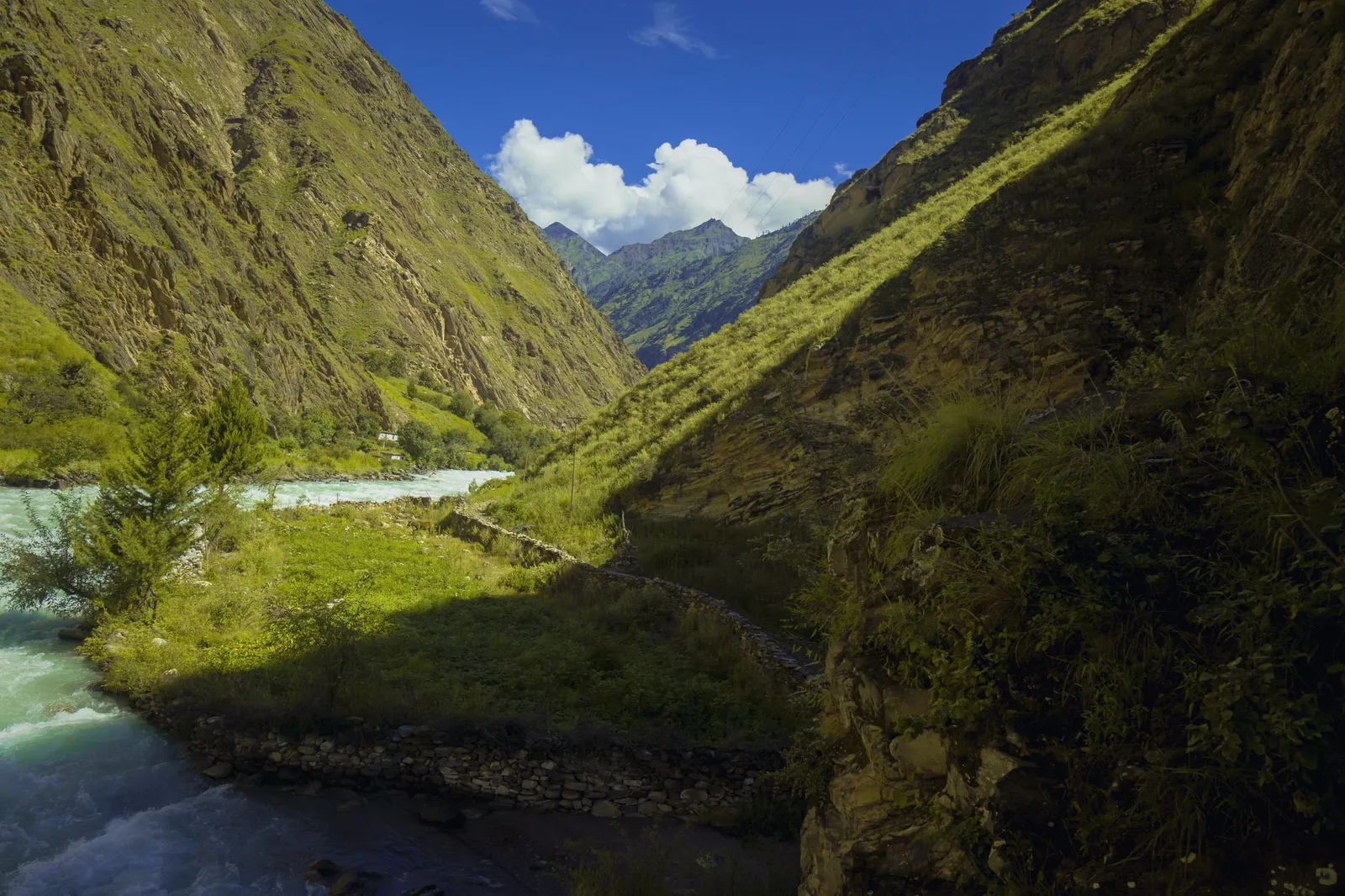
A Kanab, Utah, Trek Ten Years Ago Became an $800,000 Aid Mission to Nepal's Highest Villages
A retired psychologist from a small Utah desert town turned one Himalayan trek into Village Light — a nonprofit now supplying food, medicine and solar power to Manaslu-region villages a road will never reach.
Records & People
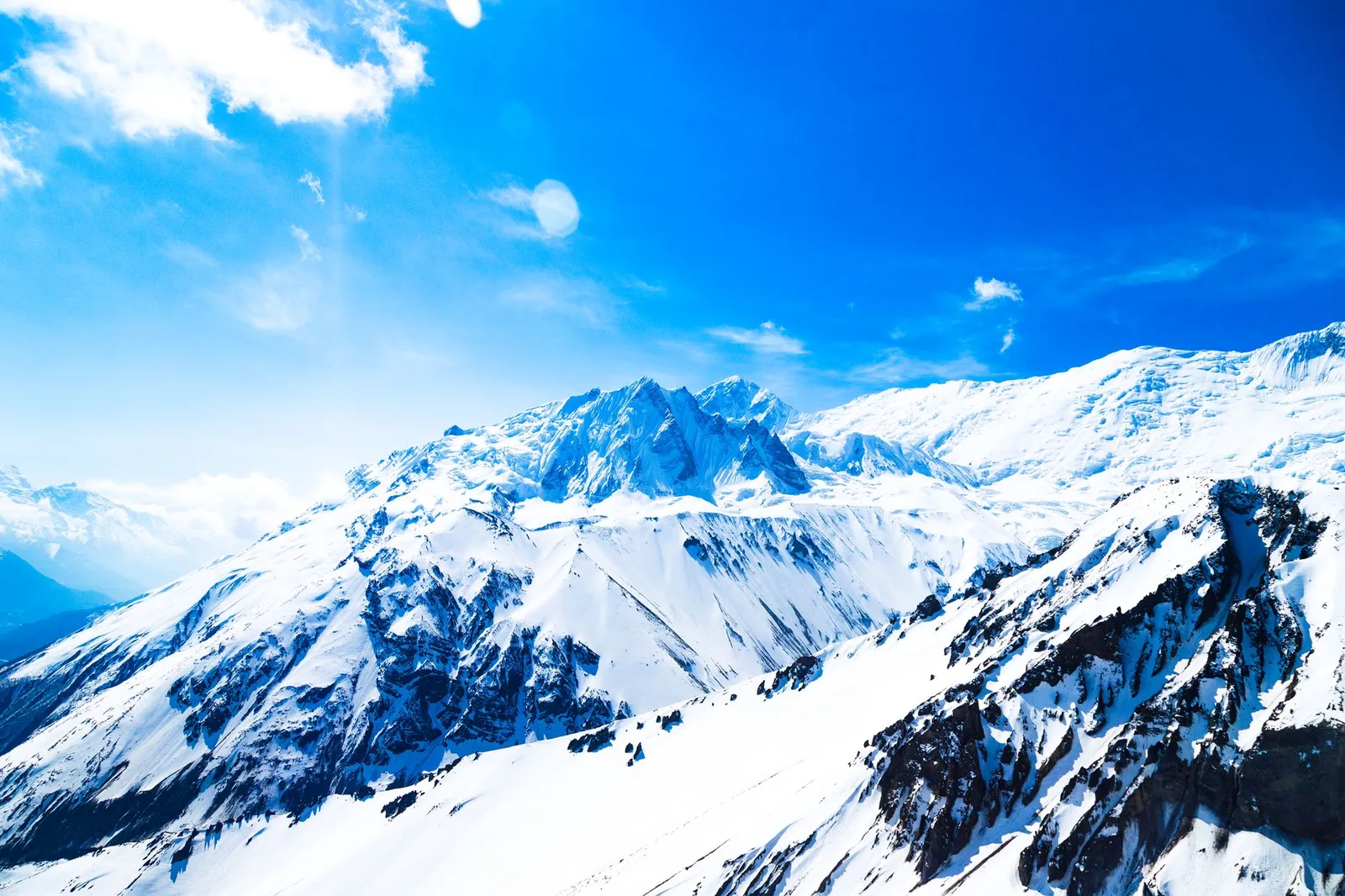
Is Tilicho Really the World's Highest Lake? The Honest Answer
Nepal's trekking brochures have repeated the same superlative for decades. A local newspaper finally measured it — and found five lakes sitting higher, one of them in the same Nepali district.
Records & People
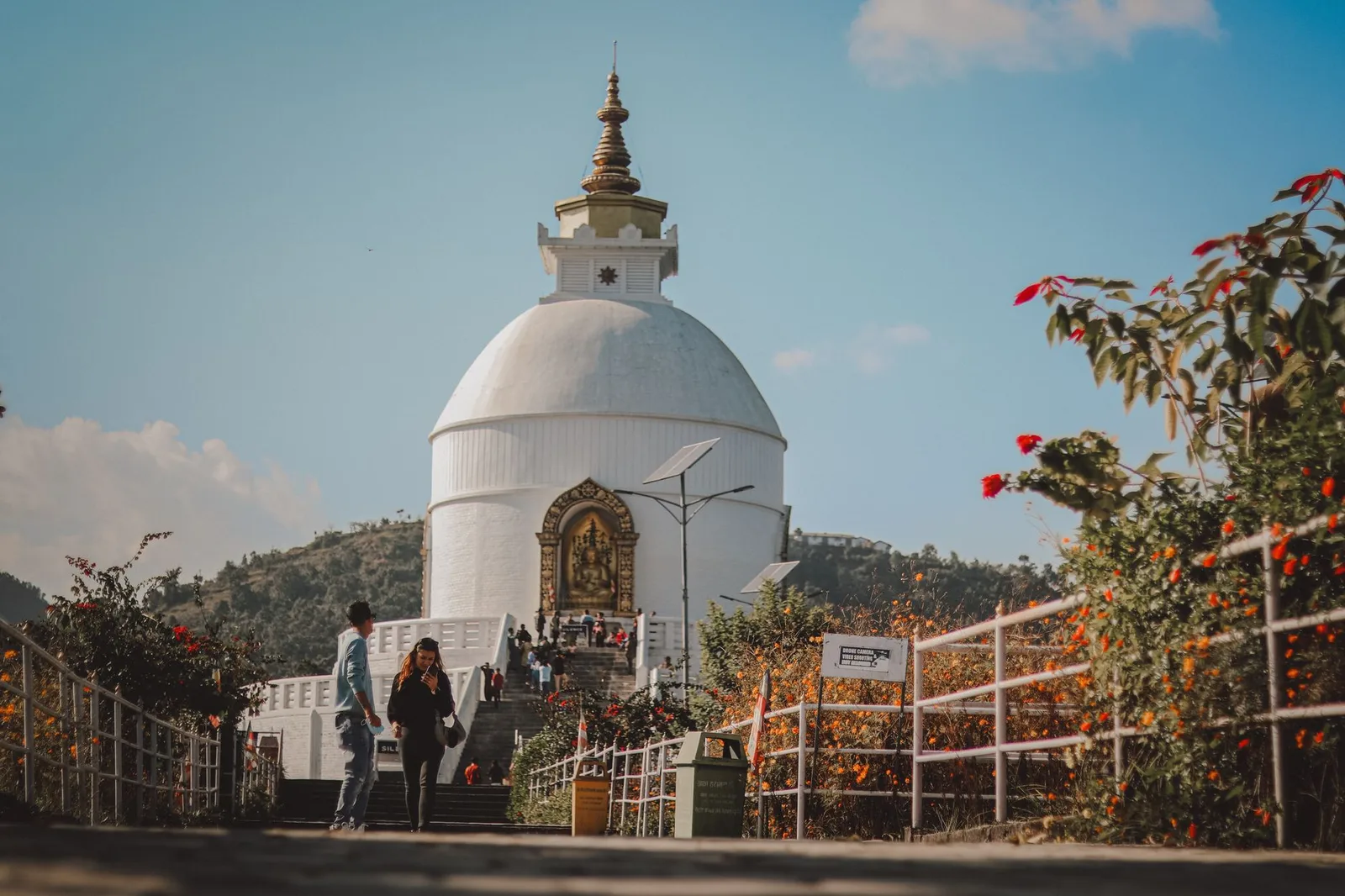
Nepal Has the World's Steepest Zip Line, and It Starts at a Sunrise Viewpoint Above Pokhara
ZipFlyer Nepal at Sarangkot holds the official world record for the steepest and longest zip line on the planet — a 600-metre plunge off the same ridge where trekkers watch the sun rise over the Annapurna range.