
Is Premium Economy Worth It in 2026? What You Actually Get Over Economy
A wider seat, more legroom, better food and extra baggage — but not a flat bed. Here is what premium economy really gives you over economy, what it typically costs, and when to pay for it.
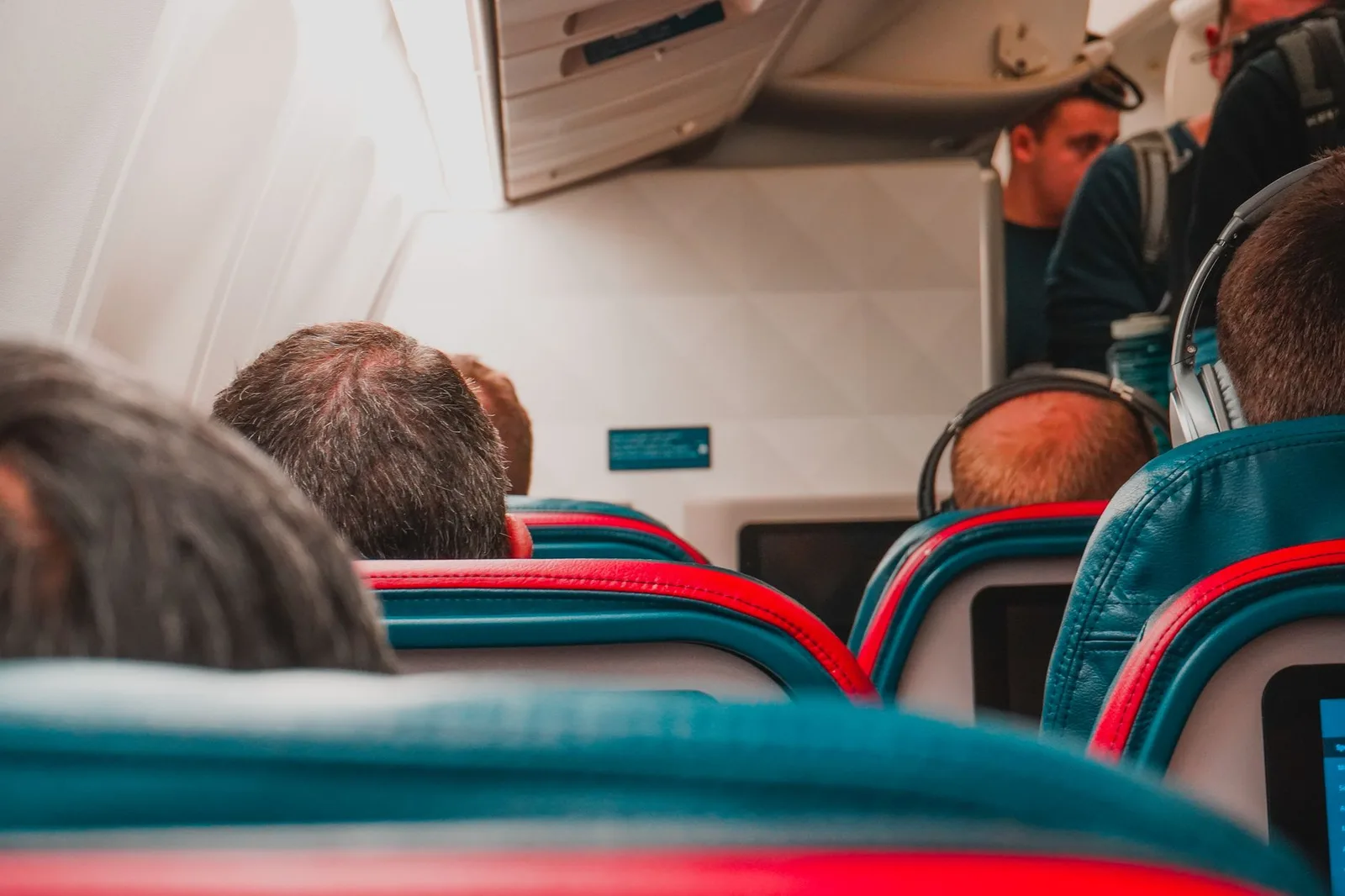
Every long-haul booking eventually shows you the same fork in the road: a cheap economy fare, a business-class price that makes you wince, and a middle option called premium economy that costs more than one and far less than the other. In 2026 more airlines offer it than ever, and the marketing leans hard on words like “spacious” and “elevated.” So is it actually worth the money, or is it just economy with a bigger price tag? Here is the honest breakdown.
Premium economy in one glance
- What it is: a genuine cabin between economy and business — wider seat, more legroom, deeper recline.
- What it is not: a lie-flat bed. That is business class. Premium economy still means sleeping upright.
- Typical price: often around 1.5–2× the economy fare, but it varies widely by airline, route and how full the flight is.
- Best value on: long-haul flights of roughly 8 hours or more.
What you actually get over economy
Premium economy is a real, separate cabin with its own seats — not a curtain drawn across a few economy rows. The upgrades are consistent across most carriers, even if the exact numbers differ:
- A wider seat. Premium economy rows are laid out with fewer seats across, so each one is broader than an economy seat on the same aircraft.
- More legroom and recline. Seat pitch is meaningfully greater, and the seats recline further, often with a leg-rest or foot-rest that economy simply does not have.
- Better food and drink. Upgraded meals, usually with complimentary beverages included.
- More baggage. A larger checked allowance is common, which matters if you are flying with trekking gear.
- Priority treatment. Priority check-in, boarding and sometimes baggage handling, plus a larger entertainment screen and an amenity kit with the small comforts — eye mask, earplugs, socks.
Put plainly: premium economy roughly recreates the comfort that standard economy offered a couple of decades ago, before seats got squeezed. It is an upgrade in every dimension except the one people most want on a night flight — you still cannot lie flat.
Economy vs premium economy vs business
Placing premium economy correctly matters, because the biggest mistake travellers make is expecting it to feel like business. It does not. Here is where it actually sits:
| Feature | Economy | Premium economy | Business |
|---|---|---|---|
| Seat width | Standard, tightest layout | Wider, fewer seats per row | Widest, often a private-ish pod |
| Recline / bed | Limited recline | Deeper recline + leg-rest, still upright | Lie-flat bed |
| Legroom (pitch) | Minimal | Noticeably more | Most, full stretch-out |
| Food & drink | Basic, drinks may cost | Upgraded meal, drinks included | Multi-course, premium bar |
| Baggage | Smallest allowance | Larger checked allowance | Largest allowance |
| Boarding | General | Priority | Priority + lounge |
| Typical price vs economy | — | Often ~1.5–2× (varies) | Several times higher |
When premium economy is genuinely worth it
Pay for it when…
- The flight is long-haul, roughly 8 hours or more. The extra width and recline compound over a long night; on a short hop they barely register.
- You are tall or broad. If economy legroom is actively painful for you, premium economy buys real, physical relief.
- You need to function on arrival. Landing and going straight into a meeting, an event — or a trek — is exactly when arriving less wrecked pays for itself.
- You want a modest upgrade you can actually afford. It is the sensible step up when business is out of reach.
When to skip it and stay in economy
- Short or daytime flights. Under a few hours, or a flight you would not sleep on anyway, the premium is mostly wasted — you are paying for comfort you will not use.
- Tight budget. If the upgrade money is better spent on your actual trip, keep it in your pocket. A good neck pillow and a window seat solve a lot for free.
- You are chasing a flat bed. If real sleep is the goal, premium economy will disappoint — that is a business-class expectation, not a premium-economy one.
One more thing worth knowing before you upgrade: cabin class does not protect you from the add-on games played further down the fare ladder. If you are weighing the cheapest tickets, read our companion piece on basic economy fares and the real cost after add-ons — the traps there are a different animal entirely.
The Nepal angle: spend the upgrade on the right leg
If your trip is a Himalayan trek, the maths tilts in premium economy’s favour — but only on one part of the journey. Getting to Kathmandu from Europe, the Americas or Australasia is rarely a single hop; it is typically 10 to 16 hours or more of flying spread across two or more legs, often with a long layover in the Gulf or Asia. That is precisely the kind of marathon where a wider seat and a few extra hours of half-decent rest can mean arriving fit to walk into acclimatisation days rather than a jet-lagged fog.
The catch is where not to spend it. The short, spectacular Kathmandu–Lukla mountain flight that starts many Everest treks has no premium cabin at all — it is a brief, small-aircraft hop measured in minutes, not hours. There is no comfort upgrade to buy there, and no need for one. So if you are going to pay more for a seat, put the money on the long-haul international legs, not the mountain flight.
Arrive rested, and the trek starts on the right foot. If you are planning that journey, our team can help you build the itinerary around it — browse our Himalayan treks and tours or the classic 14-day Everest Base Camp trek, and we will handle everything from Kathmandu onward.
This article explains cabin classes in general terms. Exact seat dimensions, prices, meals and baggage allowances differ by airline, aircraft and route — always check the specifics for your own flight before booking. We do not endorse any particular airline.
Cover photo: Dylan Bueltel via Pexels (Pexels License).
来源: Wikipedia
计划徒步?
我们负责许可证、后勤与向导
NMA 认证的本地向导,价格透明,自 1998 年以来 5,000+ 次徒步。告诉我们你的日期,其余的交给我们。


更多「Deals & Routes」
Deals & Routes
Free Stopover Programs in 2026: Turn a Long Layover Into a Second Destination
Icelandair, Qatar, Turkish, Emirates and more let you break a hub connection for days at little or no extra airfare. How they work, the one catch, and how to bolt a free city break onto your Nepal trek.
Deals & Routes
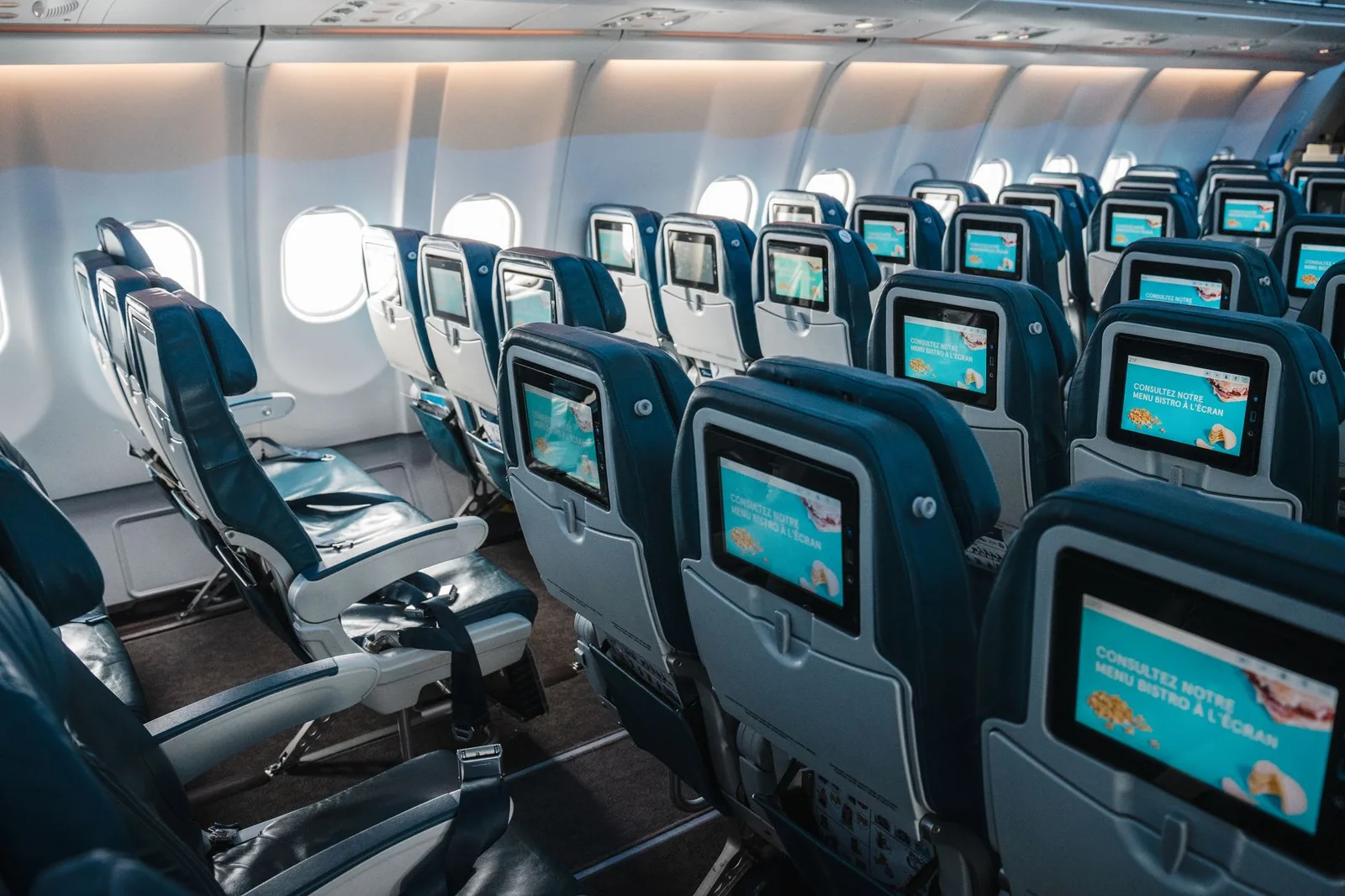
Basic Economy Fares in 2026: The Traps, When It’s Fine, and the Real Cost After Add-Ons
Basic economy is the same seat with the extras stripped out — no seat selection, restricted carry-on, last to board, no changes. Here is what you give up, when it is genuinely fine, and how to work out the true cost.
Deals & Routes
Are Last-Minute Flight Deals Real in 2026? The Honest Answer (Mostly No)
For the routes most people fly, waiting until the last minute usually means paying more, not less. Here is when a genuine last-minute bargain is actually possible — and the smarter way to save.