
The guide on your trek is now the law — and Nepal's most ethical trekkers are glad
Nepal's mandatory-guide rule isn't just red tape — it's local jobs and safer trails. Here's how responsible trekking, from fair porter loads to insurance, actually works in 2026.

When trekkers ask why Nepal made guides mandatory, the cynical answer is "money." The truer answer is "jobs and safety." For the growing number of European travellers who choose their trips on ethics as much as scenery, 2026 is a good moment to understand what responsible trekking in Nepal really looks like — and why the people who carry your bags deserve your attention.
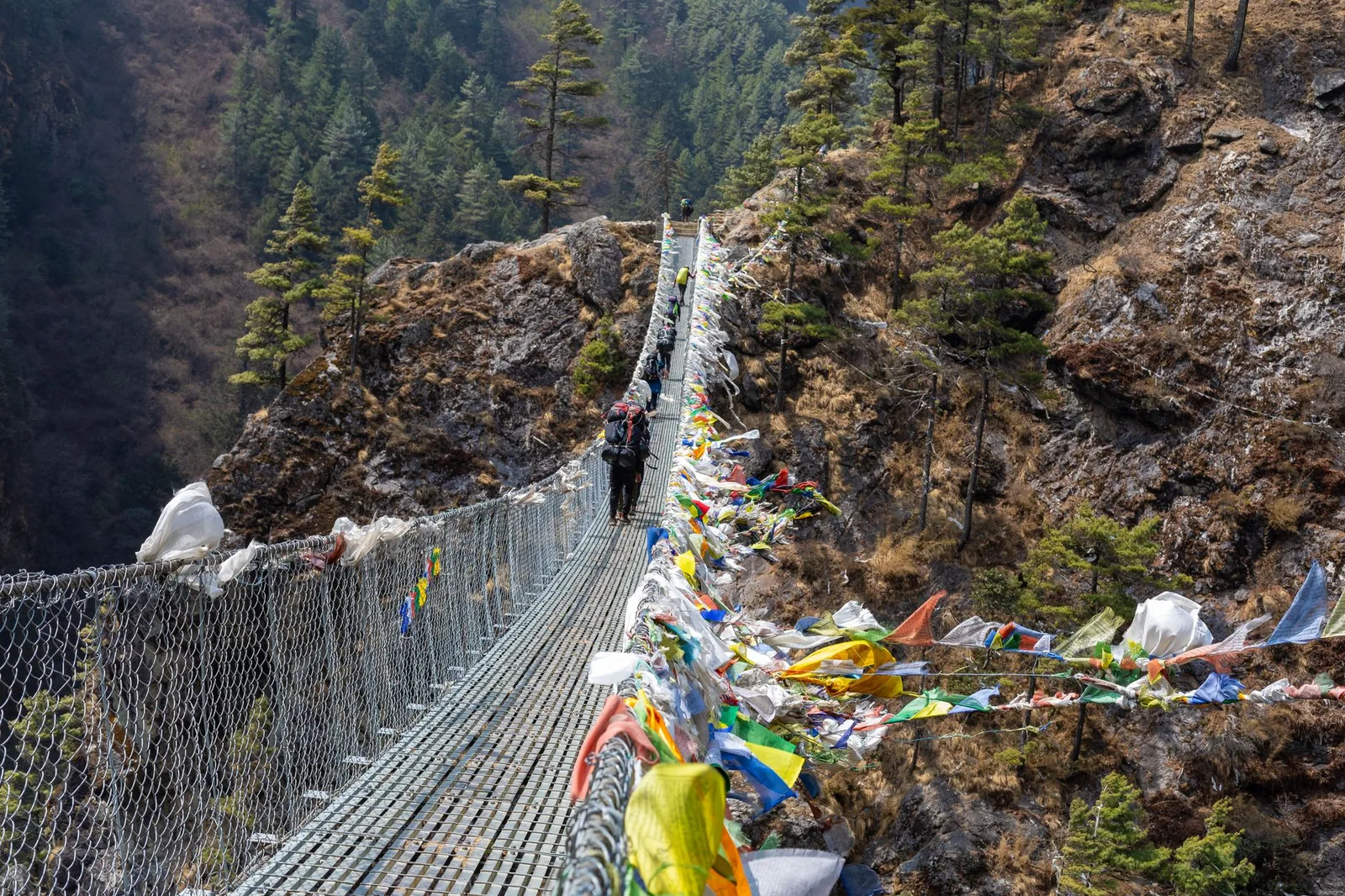
From the trail · Annapurna


Responsible trekking, in brief
- The mandatory-guide rule directly creates licensed local employment
- Fair porter treatment follows IPPG welfare standards
- Look for operators that are TAAN-registered and insure their crew
- Porter loads should be capped, with proper gear and shelter
The people who carry your trek
Behind every comfortable teahouse evening is a porter who carried the load up. The industry's dark history includes porters sent over high passes in canvas shoes, underpaid, uninsured and abandoned when they fell sick. The International Porter Protection Group (IPPG) exists to end that, and reputable operators now follow its principles as a baseline, not a bonus.
| Standard | What it means |
|---|---|
| Load limits | A sensible weight cap (around 20 kg), strictly enforced |
| Proper gear | Adequate clothing, footwear and shelter for altitude |
| Insurance | Medical and rescue cover, the same as guides |
| Care when sick | Never sent down alone; treated, accompanied, paid |
| Fair pay | Proper wages and tips that actually reach them |
Why the guide rule helps
The mandatory-guide policy, in force since 2023, has a side effect worth celebrating: it guarantees work for thousands of licensed Nepali guides, keeps trekking income inside mountain communities, and adds a layer of safety on high, remote trails. For a traveller who wants their money to do good, hiring a local guide is one of the most direct forms of responsible tourism there is.
How to trek responsibly
You have real power as a trekker. Choose a TAAN-registered operator and ask, directly, how they treat porters: what weight they carry, whether they are insured, what happens if they get sick. Carry out what you carry in. Respect local customs and sacred sites. Use refillable water and avoid single-use plastic where you can. The best trips are the ones the host community is glad you came on.
What this means for you
Ethics and adventure are not a trade-off in Nepal — they reinforce each other. A well-treated, well-paid crew is a safer, happier, more knowledgeable crew, and your trek is better for it. On quieter routes like the Manaslu Circuit, that local relationship is the whole experience. Ask us about our porter-welfare and fair-wage commitments before you book — we want you to.
Source: International Porter Protection Group (IPPG), via The Adventure Medic.
Cover photo: McKay Savage from London, UK via Wikimedia Commons (CC BY 2.0).
来源: International Porter Protection Group
计划徒步?
我们负责许可证、后勤与向导
NMA 认证的本地向导,价格透明,自 1998 年以来 5,000+ 次徒步。告诉我们你的日期,其余的交给我们。


更多「Industry & Tourism」

Industry & Tourism
Nepal Promised China 500,000 Tourists in a Year. It Got 95,480 — Now a Delegation From Sichuan Has Landed to Try Again
China's 2025 pledge to flood Nepal with half a million visitors delivered barely a fifth of that number. Days ago, a five-person tourism delegation from Sichuan sat down with Nepal Tourism Board to plan the next attempt.
Industry & Tourism
India Now Sends Nepal More Tourists Than Its Next Four Biggest Markets Combined — the Real 2026 Arrival Numbers
Nepal Tourism Board's fresh mid-year data show 621,624 foreign arrivals in the first half of 2026 and an accelerating June — here's exactly where visitors are coming from, and what the surge means for booking an autumn trek.

Industry & Tourism
Sydney to Kathmandu Beats Qantas's New Nonstop to London: Planning a Nepal Trek From Australia in 2026
No airline flies nonstop from Australia to Nepal, but the fastest routing still beats Qantas's record-breaking nonstop to London — real flight times, AUD trek costs and a sample itinerary for 2026.