
Everest Is Only Part of the Story: Inside the World's Highest National Park
Sagarmatha National Park stretches from 2,845 metres to Everest's 8,848-metre summit — and after a roughly 40-year absence, snow leopards are being seen inside it again.
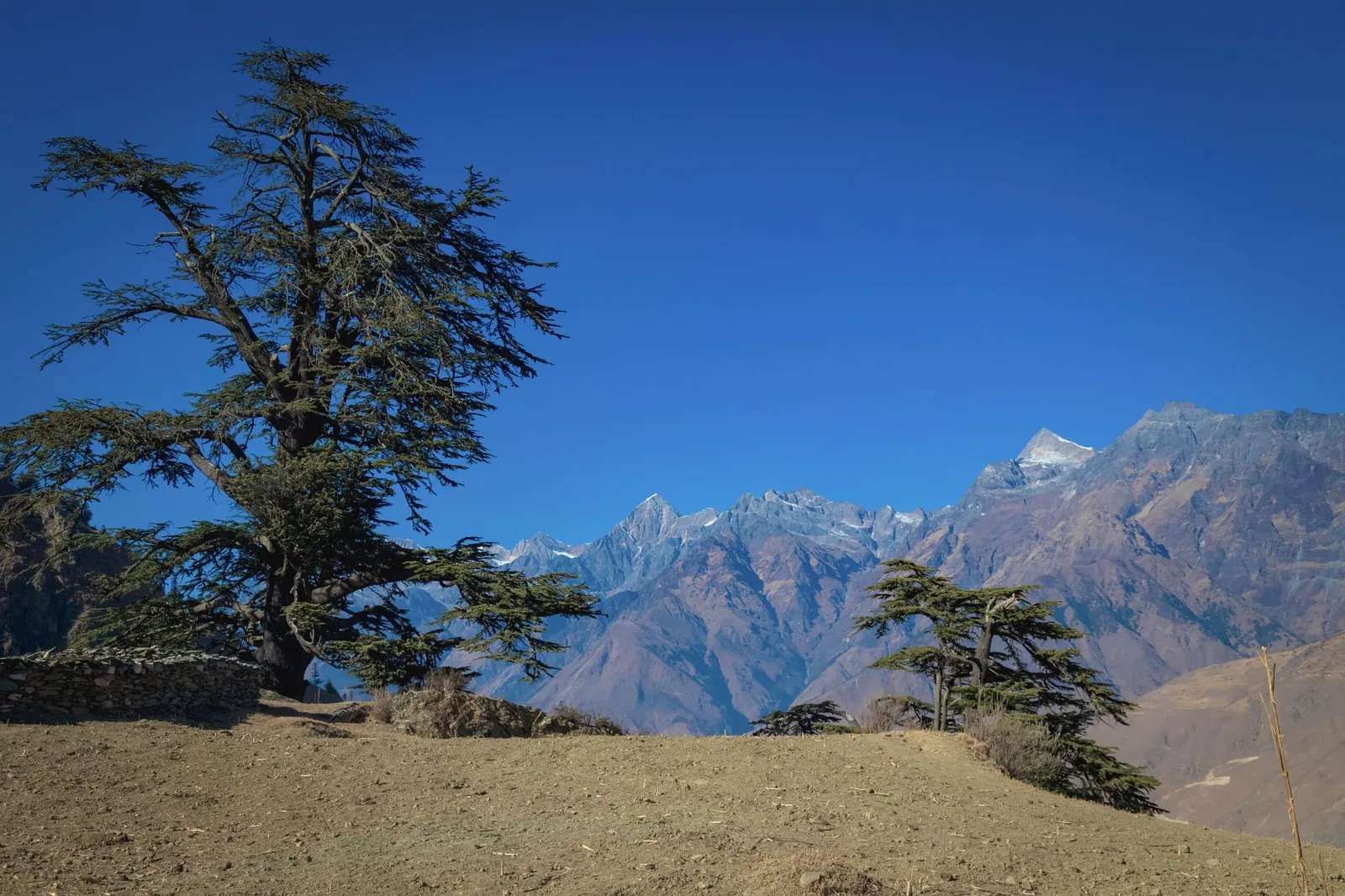
Ask most people what's inside Sagarmatha National Park and they'll say one thing: Mount Everest. They're not wrong — the world's highest mountain sits inside its boundary. But Everest is only the top 8,848 metres of a park that starts far below it, and that's turning out to be the more interesting story: after a roughly 40-year absence, snow leopards are being seen inside the park again.
Key facts
- Area: 1,148 km² (443 sq mi) in Nepal's Solukhumbu district
- Elevation range: 2,845m to 8,848m — the highest of any national park on Earth
- Established 1976; UNESCO World Heritage Site since 1979
- 28 mammal species and 200+ bird species recorded
- Tens of thousands of foreign trekkers enter the park every year
Virtually the entire park sits above 3,000 metres — there is no other protected area on the planet where the elevation gain from gate to summit is this extreme. Put it next to the world's other famous mountain parks and the gap is stark:
Nepal's King Birendra established Sagarmatha National Park in 1976 to protect the Khumbu region from the pressure of a fast-growing trekking industry, and UNESCO inscribed it as a World Heritage Site just three years later, in 1979 — one of the earliest high-altitude parks on the list. It's named for the Nepali word for Everest, Sagarmatha, meaning roughly “forehead of the sky” — though beneath that forehead sits a whole vertical world most visitors walk straight past.
None of this happens by accident. Every foreign trekker entering the park pays a conservation entry fee that funds ranger patrols, high-altitude waste removal and reforestation nurseries in the buffer zone — the practical detail we cover in full in our Everest permit guide. The Sherpa communities of the Khumbu, whose villages sit inside the park's boundary rather than outside it, have effectively co-managed this landscape for half a century, which is part of why Sagarmatha's conservation record holds up better than many far larger, far lower parks.
Below the ice and rock, the park descends through birch and rhododendron forest into alpine scrub, and that gradient is what makes it a genuine wildlife reserve rather than just a mountaineering backdrop. It shelters snow leopards, red pandas, Himalayan musk deer, Himalayan tahr and Himalayan black bears, alongside peaks that would headline almost any other range on their own — Lhotse, Cho Oyu, Nuptse, Ama Dablam, Thamserku, Pumori. For decades, snow leopards were thought to have vanished from the park entirely; conservationists now report camera-trap and track sightings confirming the cats have returned after roughly four decades away, a rare good-news story for a species still classed as vulnerable across its Himalayan range.
What this means for trekkers
What this means for you
Every trekker walking to Everest Base Camp, Gokyo Ri or the Everest View trail is inside this park from the moment they clear the entrance gate near Monjo — not just on the final approach to Base Camp. Watch for musk deer in the rhododendron forest around Namche and Tengboche on the lower stages, and Himalayan tahr on the exposed slopes higher up; snow leopards remain elusive and are rarely seen directly, but their return is a sign the wider ecosystem is recovering, not just the tourist trail through it.
The park's home village, Namche Bazaar, still doubles as the gateway for tens of thousands of foreign visitors a year — a figure that has grown more than tenfold since the 1970s, when only a few thousand trekkers a year made the journey. That growth is exactly why the buffer-zone system and strict pack-it-out rules exist: everything that goes up the trail, including every gas canister and wrapper, is meant to come back down it. It's a park built to survive its own popularity, and so far — snow leopards included — it largely has.
Source: UNESCO World Heritage Centre
Cover photo: Ashok J Kshetri via Pexels (Pexels License).
来源: UNESCO World Heritage Centre
计划徒步?
我们负责许可证、后勤与向导
NMA 认证的本地向导,价格透明,自 1998 年以来 5,000+ 次徒步。告诉我们你的日期,其余的交给我们。


更多「Records & People」
Records & People
Missing for Six Days on Everest, With No Food, Water or Oxygen — How Dawa Sherpa Survived
A 52-year-old Everest guide vanished at 24,600 feet after losing his client on the descent. Six days later, a garbage-collection crew spotted him crawling down the Khumbu Icefall — barely alive.
Records & People
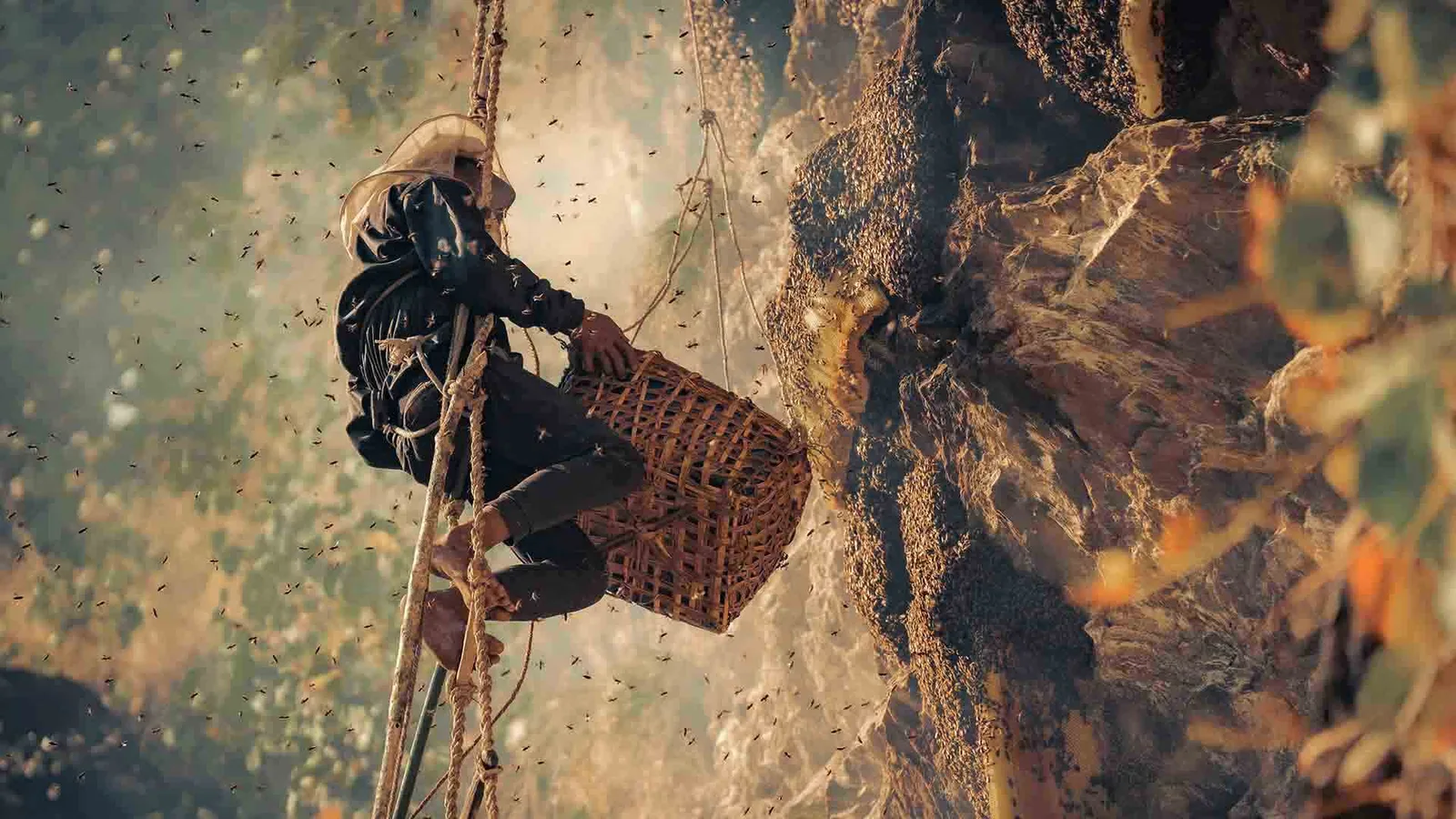
Nepal's Honey Hunters Climb 50-Metre Cliffs on Rope Ladders for a Honey That Can Make You Hallucinate
High in Lamjung's Gurung villages, hunters dangle from handwoven rope ladders to harvest the world's largest honeybee — and a red spring honey potent enough to cause hallucinations in the wrong dose.
Records & People
The World's Highest Marathon Starts at Everest Base Camp — and Nobody Has Beaten a 2006 Record Since
The Tenzing-Hillary Everest Marathon drops 1,920 vertical metres over 26.2 miles from the base of the world's tallest mountain — and a Nepali runner's course record has now survived twenty straight years of attempts.